Specialized Titanium Assemblies & Marine Flow Control
Delivering high-performance fluid handling products, surface-treated structural fixtures, and raw materials directly from China's Titanium Valley to Tokyo Bay industrial clusters.
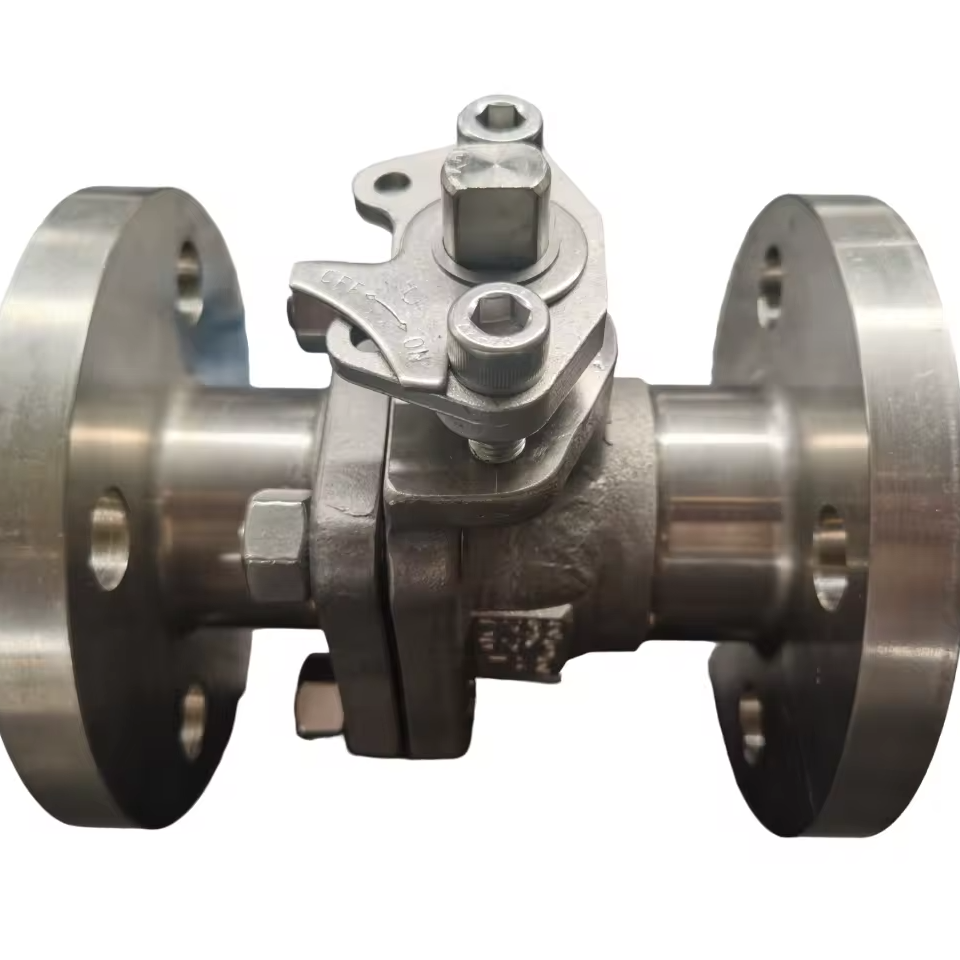
Engineering Titanium Gate Valves for the Tokyo Industrial Sector
A comprehensive examination of why heavy-duty operations across the Keiyo and Keihin industrial zones prioritize titanium flow infrastructure.
Resistance to Marine Crevice Corrosion
Tokyo Bay facilities handle warm seawater intake and brine effluents where stainless steels (316L, duplex 2205) suffer from pitting. Gr2 and Gr7 Titanium gate valves form an immediate, auto-regenerating TiO2 passivation film that renders them completely immune to chloride stress corrosion cracking up to elevated marine temperatures.
Full Bore, Minimal Flow Restriction
Unlike plug or globe alternatives, gate valves deliver a straight-through flow corridor with minimal pressure loss. For Tokyo chemical refiners and municipal treatment plants operating strict dynamic energy efficiency mandates, unrestricted fluid dynamics directly yield lower pumping kilowatt-hours and extended pipeline longevity.
Seismic Resilience & Weight Reduction
With roughly 45% lower density than nickel alloys and steel, titanium gate valve assemblies alleviate pipe-rack loads in seismically vulnerable zones. Japanese structural building and plant codes strictly govern suspended pipe weight in coastal reclamation areas like Koto and Ota wards.
Where Our Titanium Infrastructure Operates in Greater Tokyo
Keihin Industrial Corridor
Chemical processing plants in Kawasaki and Yokohama integrate our Grade 2 and Grade 12 valves to regulate wet chlorine gas, nitric acid streams, and aggressive chlor-alkali derivatives where traditional ferrous valves erode in months.
Tokyo Bay Energy Terminals
Coastal LNG regasification complexes and thermal power stations employ titanium gate valves in primary seawater condenser circuits, bypassing galvanic degradation entirely without the maintenance burden of sacrificial anodes.
Semiconductor & Electronics
Modern ultra-pure water (UPW) lines and cleanroom acid etching modules throughout the Kanto periphery rely on the chemical inertness of non-leaching titanium components to prevent trace-metal ionic contamination in wafer fabrication.
Offshore Desalination & Marine
Marine research units and port maintenance installations utilize titanium gate valves on discharge systems exposed to continuous tidal splash zones and microbiologically influenced corrosion (MIC).
Titanium Alloy Selection for Japanese Industrial Procurement
Ensure precise specification compliance between American ASTM/ASME standards and Japanese Industrial Standards (JIS).
| Standard Grade | JIS Equivalent | UNS Designator | Key Mechanical Profile | Target Media Compatibility |
|---|---|---|---|---|
| Titanium Gr 2 | JIS Class 2 (H4600) | UNS R50400 | Tensile: ≥345 MPa | Yield: ≥275 MPa | Seawater, brackish water, oxidising acids, ambient chlor-alkali lines |
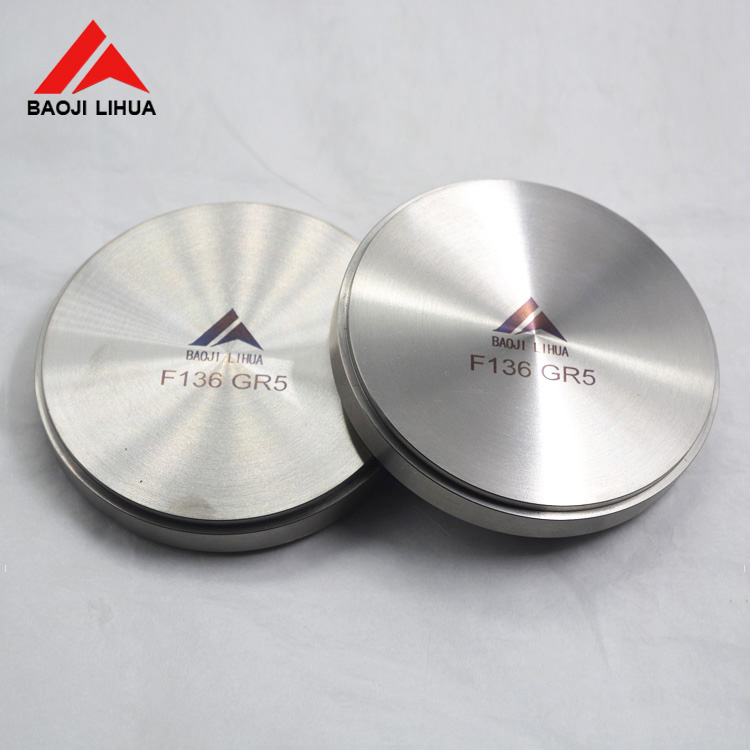
| Titanium Gr 5 | JIS Class 60 (Ti-6Al-4V) | UNS R56400 | Tensile: ≥895 MPa | Yield: ≥828 MPa | High-pressure valves, stems, drive shafts, offshore structural isolation |
| Titanium Gr 7 | JIS Class 11 (Ti-0.15Pd) | UNS R52400 | Tensile: ≥345 MPa | Yield: ≥275 MPa | Hot reducing mineral acids, low pH chloride mixtures, crevice-prone zones |
| Titanium Gr 12 | JIS Class 13 (Ti-Mo-Ni) | UNS R53400 | Tensile: ≥483 MPa | Yield: ≥345 MPa | Elevated temperature chemical processing with intermediate reducing margins |
Key Industry Trends Reshaping the Tokyo Titanium Ecosystem
Shift Toward Extended Lifecycle Procurement (LCC)
Japanese EPC contractors have increasingly moved away from carbon steel lined with PTFE or high-nickel alloys toward solid titanium. Total Life-Cycle Cost analysis consistently proves that eliminating planned bi-annual turnaround shut-ins pays back the initial capital outlay within the first operating cycle.
Strict Traceability Audits via Third-Party Validation
Procurement teams based in Tokyo demand indisputable raw material integrity. Sourcing from manufacturers situated in Baoji allows direct access to the national-level BaoTi Test Center, generating indisputable EN 10204 3.1 mill test documentation directly referencing original melt charges.
Accelerated Decarbonization & Green Hydrogen Flow
Japan's aggressive Hydrogen Basic Strategy requires advanced infrastructure capable of managing pure demineralized water and specialized electrolytic media. Titanium gate valves provide uncompromised resistance to hydrogen embrittlement under proper passivated operating thresholds.
Why Jovzi Titanium Industry Co., Ltd. Stands Out
Combining Baoji’s world-class raw titanium supply security with precision CNC tooling and export-focused project delivery.
China's Titanium Valley Origin
Operating since 2006 in Baoji, Shaanxi, we leverage native smelting and forging networks to secure consistent ingot chemistry, stable raw-material batch pricing, and shorter production lead times.
Expert Engineering Workforce
Our dedicated engineering department includes 4 senior technical advisors and 5 intermediate engineers specializing in casting integrity, precision machining tolerances, and tight acoustic wall-thickness checks.
Strict ISO 9001 Auditing
From initial ultrasonic testing (UT) of forged valve blanks to coordinate measuring machine (CMM) verification of seat profiles, every valve body complies with API 598 pressure testing standards.
Export-Grade Packaging & Logistics
Direct weekly shipments to Tokyo Port and Yokohama Port via DDP, CIF, or expedited air delivery. Handled in custom reinforced seaworthy wooden crates protected with anti-scratch coatings and moisture barrier bags.
Frequently Asked Questions for Tokyo Buyers
Can you manufacture titanium gate valves strictly to JIS flange dimensions?
How do you guarantee authentic titanium sponge and ingot origin?
What are the typical lead times for custom or large-diameter titanium gate valves to Tokyo?
What packing precautions are taken to protect high-purity valve components during ocean transit?
What settlement terms and documentation do you offer for Japanese corporate procurement?
Need Certified Titanium Gate Valves or Engineered Components?
Connect with Jovzi Titanium’s technical sales division. Submit your valve data sheets, pressure specifications, or custom drawings for an engineering review and quotation within 8 hours.
Get Catalog