Featured Titanium Solutions for Marine & Industrial Systems
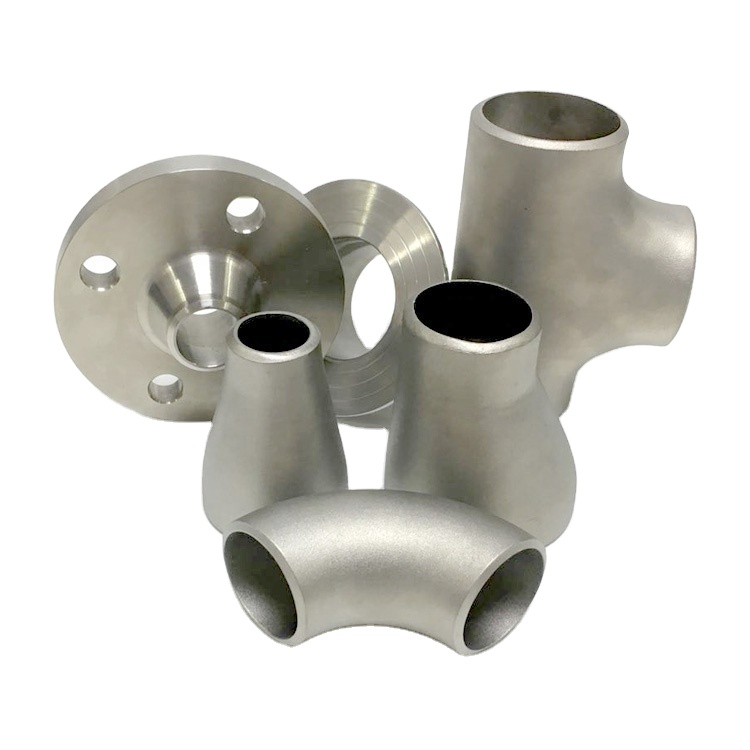
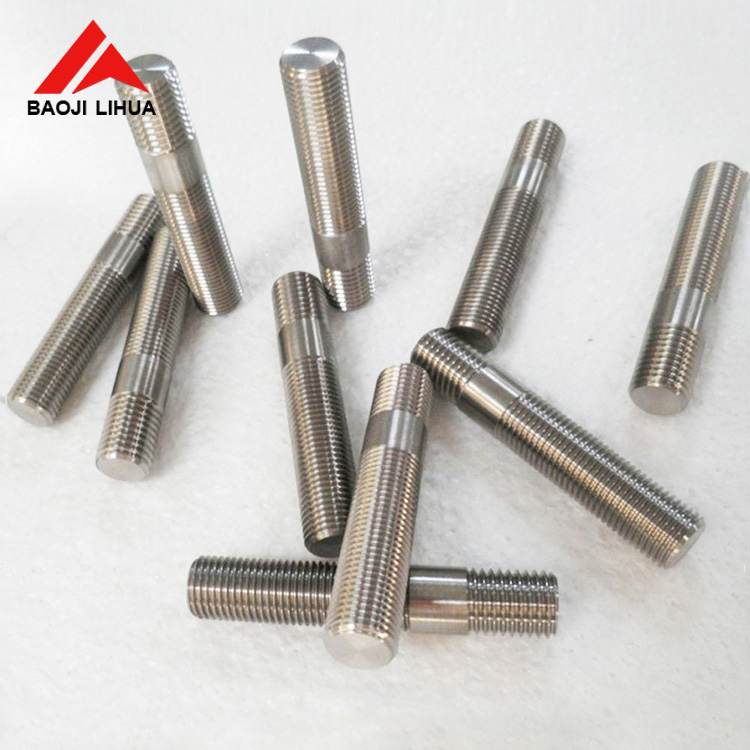
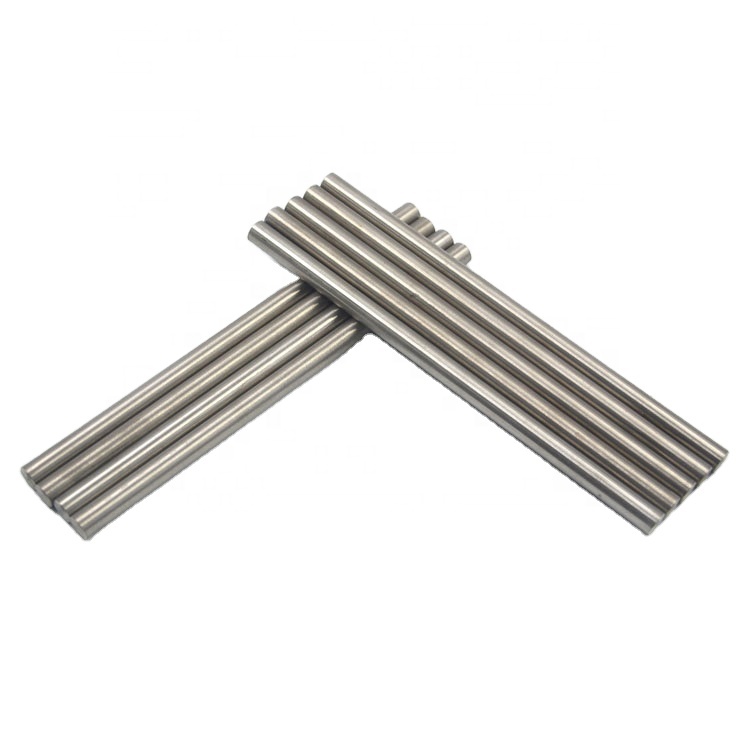
Select from our core production series—from seamless pipe transitions manufactured to strict ANSI/ASME standard geometries to high-tensile racing grade chassis bolts and superelastic functional alloys.
Seamless Metallurgy vs. Welded Seams in Tropical Marine Piping
In high-salinity island environments like Saint Vincent and the Grenadines, fluid dynamics combined with dissolved marine chlorides lead to catastrophic failure mechanisms in conventional piping materials. Super duplex stainless steels (such as 2507) and cupronickel (CuNi 90/10) frequently suffer from localized pitting, crevice corrosion beneath biofouling films, and cavitation erosion at hydraulic transitions.
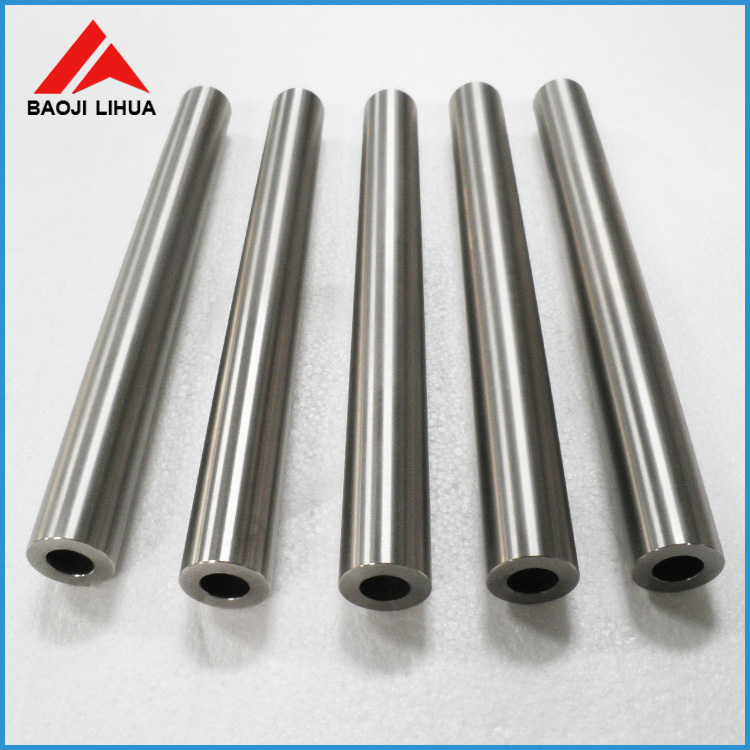
Seamless Titanium Concentric Reducers (ASTM B363 / ASME SB363) resolve this challenge by utilizing cold extrusion or hot mandrel bulging directly from seamless ASTM B861 hollow bars. Eliminating the longitudinal weld seam completely removes the heat-affected zone (HAZ), which otherwise represents the primary initiation site for preferential chemical attack and stress-induced metallurgical cracking under pulsation pressures.
Passive Rutile (TiO2) Film Integrity
Upon ambient exposure to aerated seawater, titanium spontaneously forms a tenacious, non-porous titanium dioxide film that regenerates instantaneously if mechanically damaged. In Caribbean water temperatures (26°C to 31°C), the pitting resistance equivalent number (PREN) concept becomes redundant, as titanium maintains near-zero general corrosion rates (<0.001 mm/year).
For plant managers, shipbuilders, and resort infrastructure directors across Port Kingstown, Bequia, Mustique, and Canouan, upgrading critical diameter adjustments to pure titanium seamless concentric reducers yields an unmatched reduction in maintenance expenditures and complete security against unscheduled plant shutdowns.
Hydrodynamic Design: Concentric vs. Eccentric
Concentric reducers share a central axis line. In high-velocity pump discharge manifolds and desalination high-pressure pump suction lines, maintaining laminar fluid profile transition is imperative to prevent vapor bubble implosion (cavitation).
- Zero Boundary Layer Separation: Gradual cone slope (α ≤ 15°) minimizes flow separation.
- Wall Thickness Uniformity: Hydroformed walls guarantee no localized thinning at the small diameter (SD).
- Weight Reduction: 45% lighter than nickel alloys, eliminating heavy structural pipe hangars.
Application Scenarios in St. Vincent & Grenadines
How our ASTM B363 seamless titanium concentric reducers serve specific industrial, civil, and maritime systems across the archipelago.
High-Pressure Reverse Osmosis (SWRO)
Potable water security in the Grenadines (Bequia, Mustique, Union Island) depends entirely on seawater desalination. High-pressure pump feeds operating up to 70 bar use Grade 2 and Grade 7 concentric reducers to step down flow safely from high-pressure piping manifolds without crevice attack in concentrated brine discharges.
Superyacht & Commercial Marine Exhausts
Canouan and Kingstown marinas host trans-Atlantic luxury vessels. Wet exhaust bypass systems combine corrosive sulfur exhaust gases with sea cooling water at temperatures up to 200°C. Our seamless titanium reducers deliver 100% resistance to acid condensates and thermal fatigue while shedding critical stern tonnage.
Geothermal Energy Heat Exchangers
With geothermal exploration on the slopes of La Soufrière, subterranean brine containing aggressive hydrogen sulfide (H2S), heavy sulfates, and chlorides at elevated pressures requires Grade 7 (Ti-Pd) seamless pipe reducers to stop localized hydrogen damage and stress-corrosion failure.
Emerging Procurement Trends Across the Eastern Caribbean
Infrastructure operators are shifting away from traditional short-lifecycle metals toward life-cycle cost (LCC) efficiency.
Historically, public utilities and marine engineers in St. Vincent & the Grenadines utilized 316L stainless steel or copper-nickel alloys due to lower initial purchase price. However, in tropical littoral climates, these materials suffer accelerated crevice corrosion under micro-organism encrustations, leading to routine failures within 24 to 36 months.
The prevailing engineering trend is a deliberate pivot toward Life Cycle Cost Optimization (ISO 15663). Because titanium Grade 2 offers an operational lifespan exceeding 40 years without the need for cathodic sacrificial anodes, protective epoxy coatings, or wall corrosion allowances, the total cost of ownership (TCO) drops dramatically after only 5 years of service.
| Material Specification | Yield Strength (MPa) | Corrosion Rate in Tropical Seawater | Resistance to Crevice Attack | 40-Year Life Cycle Cost Index |
|---|---|---|---|---|
| CP Titanium Gr2 (ASTM B363 WPT2) | 275 – 450 | < 0.0001 mm / year | Immune up to 80°C | Lowest (Base 1.0) |
| Titanium-Palladium Gr7 (WPT7) | 275 – 450 | Undetectable in hot brine | Immune up to 250°C | Low (High upfront, zero OPEX) |
| Super Duplex Stainless 2507 | 550 | 0.015 mm / year (Risk of pitting) | Susceptible if chlorination fails | High (Requires frequent replacement) |
| Copper-Nickel 90/10 | 105 | 0.025 mm / year (Velocity sensitive) | Susceptible to ammonia & H2S | Extremely High (Frequent pipe erosion) |
Why Caribbean Buyers Source from Jovzi Titanium
Direct from China's Titanium Valley (Baoji), backed by rigorous certified metallurgy and full international export logistics.
ISO 9001 Certified Quality
Operating since 2006, our complete production workflow follows ISO 9001 certified protocols, guaranteeing raw ingot-to-fitting traceability.
EN 10204 3.1 Traceability
Every shipment includes Mill Test Certificates reporting chemical composition and mechanical test properties authenticated by the authorized BaoTi Test Center.
Precision Hydroforming & Machining
Seamless concentric reducers shaped through cold extrusion and CNC end-bevelling conform strictly to ASME B16.9 tolerances for effortless on-site orbital welding.
Global Seaborne & Air Logistics
Flexible Incoterms (CIF Kingstown, FOB, DDP) packaged in fumigated seaworthy wooden boxes with scratch-proof bubble wraps, preventing maritime transit corrosion.
Frequently Asked Questions for Buyers in St. Vincent & Grenadines
Direct answers covering material certifications, fabrication nuances, and regional delivery schedules.
Which titanium grade is recommended for seawater piping in Kingstown?
For standard ambient and warm seawater reverse osmosis (SWRO) pipelines, Grade 2 (UNS R50400 / WPT2) commercially pure titanium is the global benchmark. It provides an optimal balance of yield strength (minimum 275 MPa), ease of welding, and complete immunity to chloride-induced pitting. If operating temperatures exceed 75°C in acidic brine or geothermal wells, Grade 7 (Ti-0.15Pd) is specified for crevice corrosion protection.
Can titanium concentric reducers be welded directly to stainless steel pipes?
No. Titanium cannot be fusion welded directly to stainless steel or copper-nickel alloys due to the formation of brittle intermetallic compounds (Fe-Ti, Cu-Ti phases) that crack immediately upon cooling. Jointing to existing non-titanium pipelines must be executed via flanged assemblies utilizing ASTM B363 titanium lap joint stub ends backed with carbon steel or stainless backing flanges, or via specialized bi-metallic transition joints.
What dimensional inspection and quality reports are supplied?
Every reducer batch is subjected to dimensional verification according to ASME B16.9 (outside diameter at bevel, wall thickness, end squareness, and overall height). We supply authentic EN 10204 3.1 Mill Test Certificates detailing spectral chemical analysis, tensile strength, yield strength, elongation, and flattening/hydrostatic test results certified by BaoTi Test Center.
What are the transit timelines and MOQ requirements for delivery to Port Kingstown?
For standard dimensions (1/2" NPS up to 8" NPS in Schedule 10S and Schedule 40S), our minimum order quantity is as low as 5 pieces for regular sizes, or 1 kg for custom stock. Urgent fabrication orders can be air-freighted via DHL/FedEx directly into Argyle International Airport (SVD) within 7–10 working days, while bulk sea consignments route smoothly via Port Kingstown.