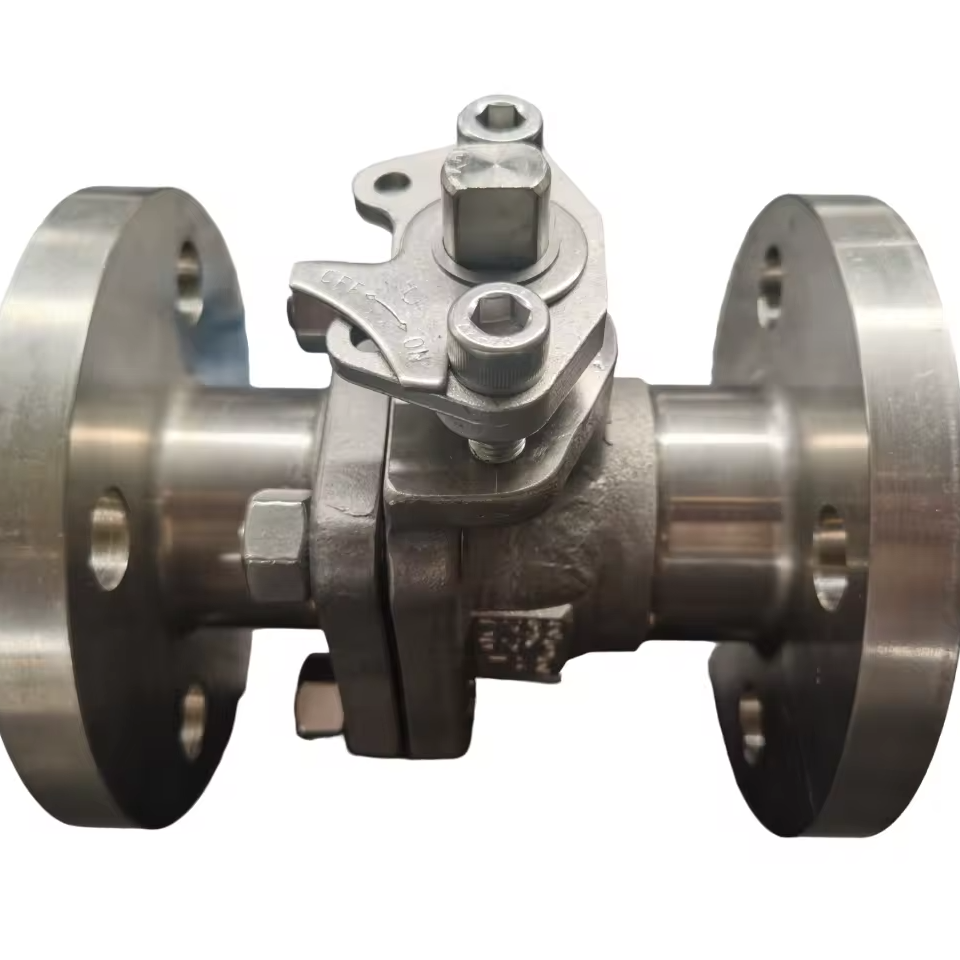
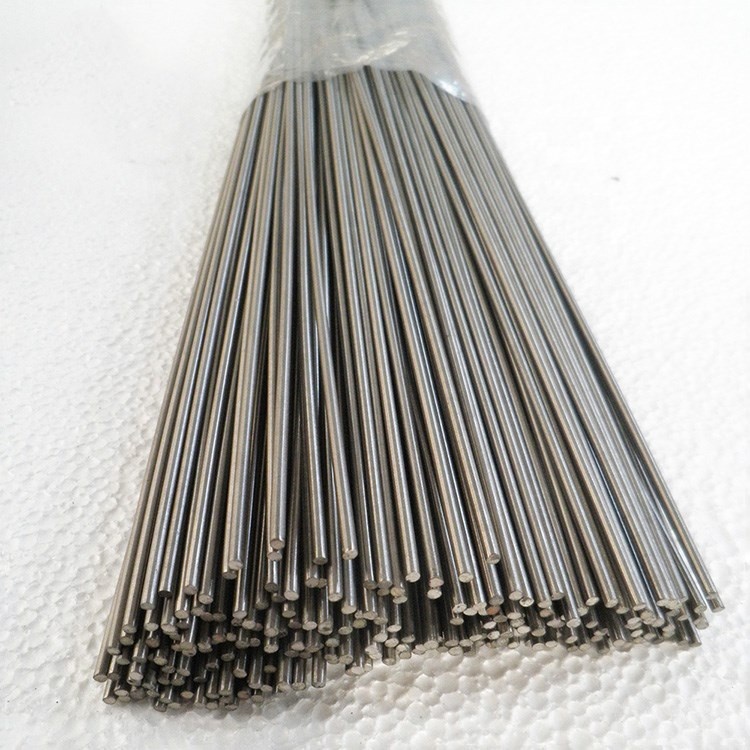
Manufactured from authentic Baoji sponge-grade titanium ingots. Standardized to ASTM B348, ASTM B381, ASTM B363, and ASME B16.5 specifications for demanding flow environments.
A comprehensive technical evaluation of titanium alloy performance, procurement mechanics, and metallurgy integration for EPC project directors in Mexico City (CDMX) and Central Mexico.
Mexico City (CDMX) operates as the financial headquarters, technical engineering epicenter, and regulatory decision-making command post for Mexico's vast energy, mining, chemical, and manufacturing sectors. While physical refineries operate along the Gulf Coast and heavy industrial hubs expand throughout the Bajío and State of Mexico (Edomex), engineering specifications, procurement requisitions, and vendor qualifying protocols originate in corporate towers across Polanco, Santa Fe, and Insurgentes Sur. For key stakeholders executing projects for Petróleos Mexicanos (PEMEX), the Comisión Federal de Electricidad (CFE), and international engineering consortia operating under USMCA (T-MEC) guidelines, selecting high-integrity titanium valve fittings represents an imperative shift toward total operational reliability.
The ongoing modernization of Mexico's industrial network—spanning the Dos Bocas (Olmeca) refinery integration, the Tula refinery coking facility revamps, and the rapid expansion of semiconductor-adjacent chemical plants in Toluca and Querétaro—has exposed the physical limitations of legacy nickel-based alloys and rubber-lined carbon steel. Under elevated chloride concentrations exceeding 150,000 ppm and temperatures above 80°C, high-nickel alloys like Hastelloy C-276 and Inconel 625 remain cost-prohibitive with highly volatile lead times exceeding 36 to 48 weeks.
Titanium Grade 2 (UNS R50400) and Grade 7 (UNS R52400 with 0.15% Palladium) provide exceptional lifecycle cost benefits. Because Jovzi Titanium controls the complete metallurgical processing chain from Baoji raw vacuum-arc remelted (VAR) ingots to finished 5-axis CNC-machined valve bodies and hollow floating balls, engineering teams in Mexico City achieve consistent procurement schedules, direct mill pricing, and strict adherence to international safety metrics.
| Alloy Grade | UNS / Standard | Density (g/cm³) | Yield Strength (MPa) | PREN Rating | Resistance to Wet Cl₂ / Chlorides | Primary Industrial Application |
|---|---|---|---|---|---|---|
| Titanium Gr 2 | UNS R50400 / ASTM B348 | 4.51 | ≥ 275 | > 50 (Immune) | Complete Immunity (< 100°C) | Petrochem cooling, desalination valves, ASME flanges |
| Titanium Gr 5 | UNS R56400 (Ti-6Al-4V) | 4.43 | ≥ 828 | > 50 (Immune) | Exceptional Erosion-Corrosion | High-pressure valve trim, downhole tools, DIN912 studs |
| Titanium Gr 7 | UNS R52400 (Ti-0.15Pd) | 4.51 | ≥ 275 | > 65 (Immune) | Immune in Boiling Acid / Crevices | Severe sour gas (H₂S), hot reducing acids, brine valves |
| Titanium Gr 12 | UNS R53400 (Ti-Mo-Ni) | 4.51 | ≥ 345 | > 55 (Immune) | High Resistance up to 260°C | Heat exchanger manifolds, hollow floating valve balls |
| Super Duplex 2507 | UNS S32750 / EN 1.4410 | 7.80 | ≥ 550 | ≥ 42 | Susceptible to localized pitting >65°C | Standard seawater piping, chemical handling |
| Hastelloy C-276 | UNS N10276 / 2.4819 | 8.89 | ≥ 355 | ~68 | High resistance (extremely heavy/costly) | Severe chemical waste, flue gas desulfurization |
Examining operational environments where Jovzi titanium valve fittings, forged rings, and precision piping mitigate premature plant shutdown.
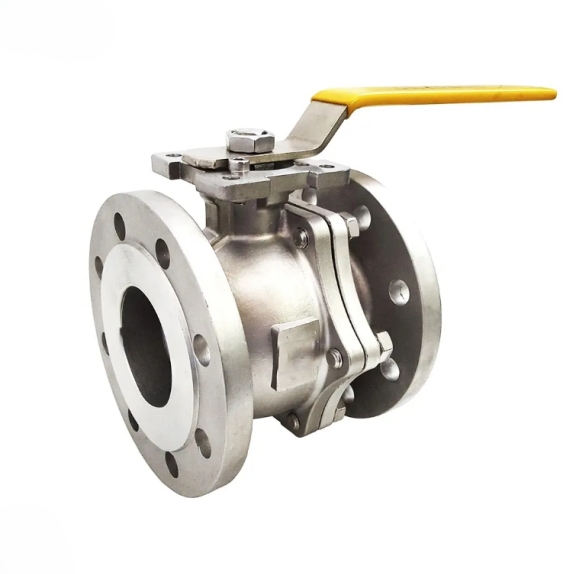
Operating across the Tula (Hidalgo), Salamanca (Guanajuato), and Minatitlán facilities connected through pipelines managed from Mexico City. Hydrogen sulfide (H2S), sour wet CO2, and sulfur recovery amine units rapidly corrode standard steels. Our ASTM B381 Gr2 forged titanium flanges and ASTM B367 titanium ball valves eliminate micro-cracking and satisfy NACE MR0175/ISO 15156 standards with zero trace embrittlement.
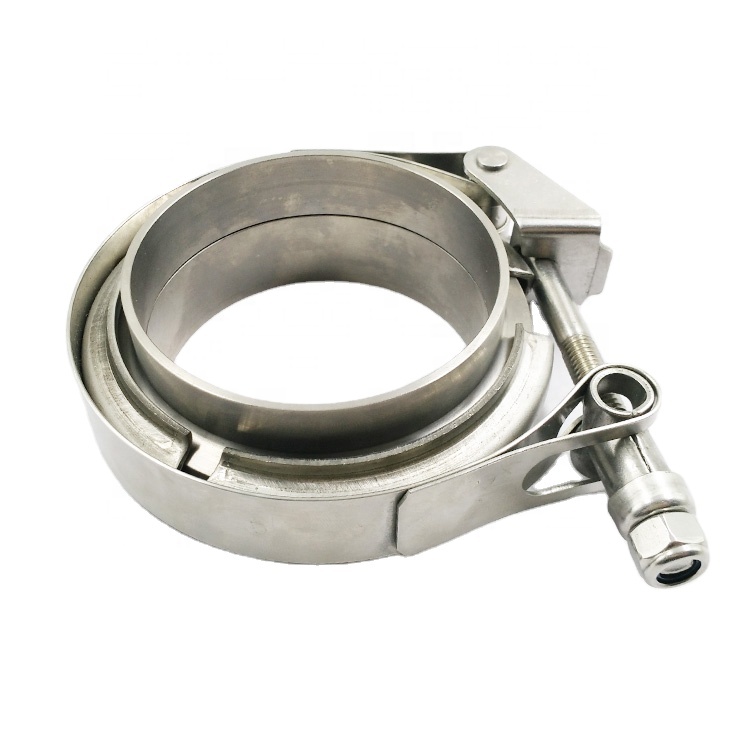
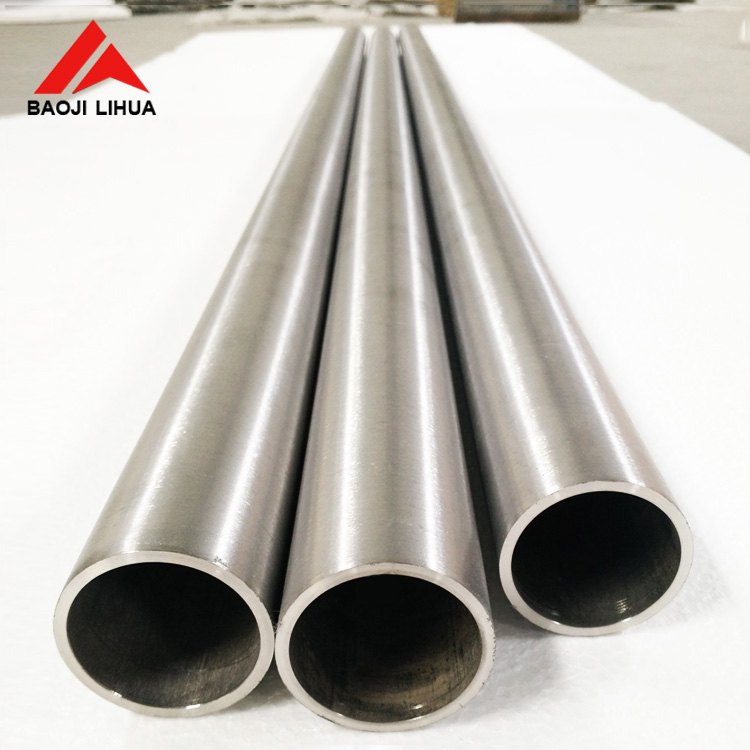
From the State of Mexico industrial belt up to Querétaro and Guanajuato, high-performance OEM and tier-1 suppliers utilize our thin-wall Grade 1, Grade 2, and Grade 9 titanium tubes alongside precision V-Band clamps. Lightweighting by 42% over steel and capable of enduring cyclic thermal gradients up to 600°C without scaling makes our titanium exhaust hardware the standard for racing prototypes.
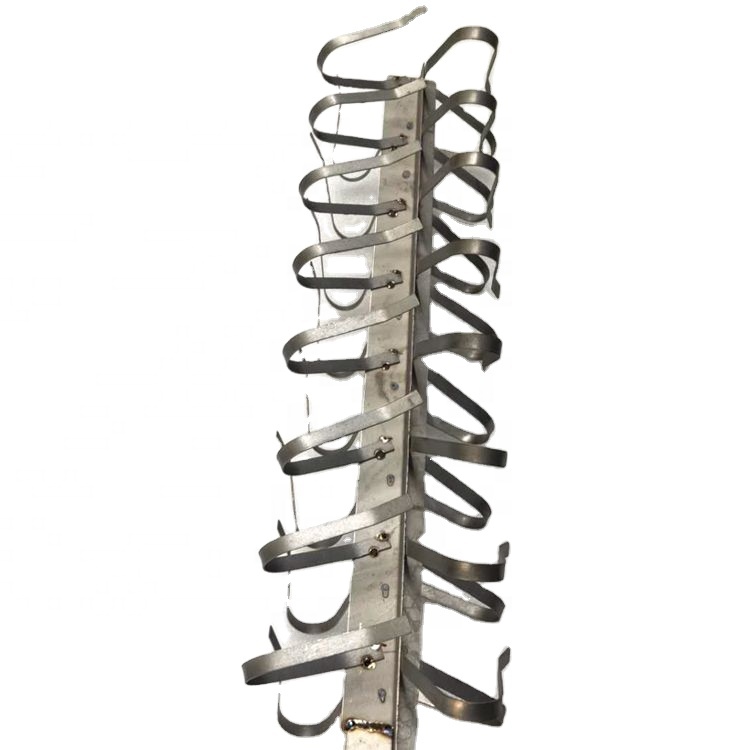
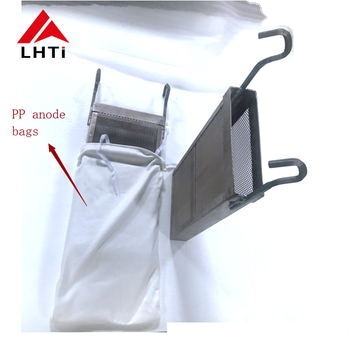
Concentrated in the Metropolitan Zone of the Valley of Mexico (ZMVM—Naucalpan, Tlalnepantla, Ecatepec), industrial coating plants rely on our Grade 2 titanium racks, hooks, and titanium baskets with microporous PP bags. In acidic copper, nickel, and chrome electrolytic baths, our titanium hardware ensures zero copper contamination and indefinite basket life.
The Southern CDMX pharmaceutical hub (Tlalpan, Xochimilco) and Morelos biotech plants mandate zero metallic ion leaching into active pharmaceutical ingredients (APIs). Our mirror-polished (Ra < 0.2 µm) hollow titanium floating balls and sanitary ASME B16.5 titanium flanges resist hot organic acids and CIP sterilizing agents without passivity breakdown.
Mexico boasts one of the world's largest geothermal footprints (Los Azufres, Cerro Prieto). The extracted deep-well steam carries hypersaline brines, silica, and dissolved non-condensable gases that destroy duplex alloys. Jovzi Grade 7 and Grade 12 titanium valve bodies and concentric reducers deliver decades of erosive resistance under two-phase flashing steam conditions.
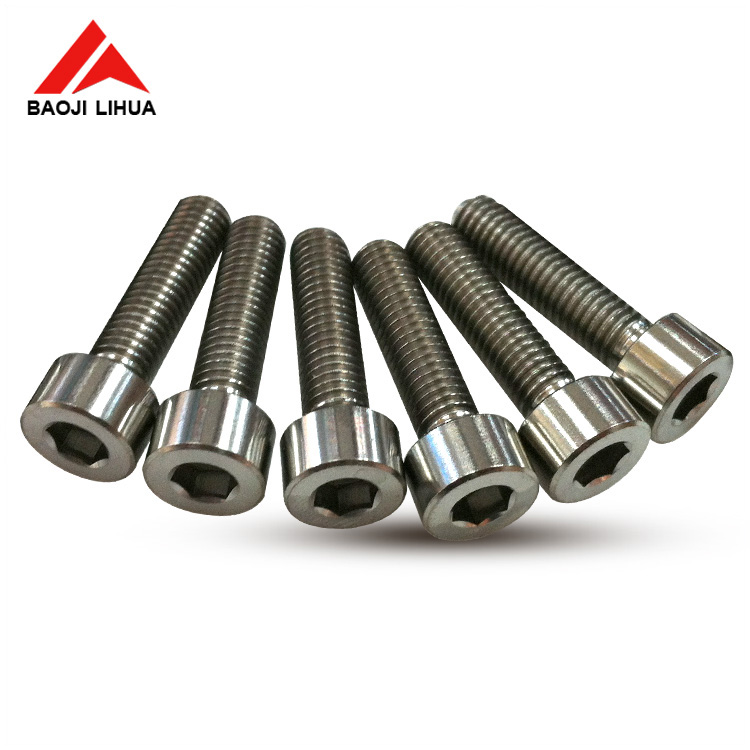
Modern assembly lines in the Querétaro aerospace park demand high strength-to-weight structural fastenings. Our Grade 5 (Ti-6Al-4V) DIN 912 socket head screws, rolled with continuous grain flow threads and certified according to strict aeronautic tensile standards, guarantee shear ratings above 950 MPa without atmospheric oxidation.
How the shifting geopolitical landscape, USMCA supply chain reshoring, and stringent NOM standards are elevating the requirement for certified titanium components.
The influx of multinational manufacturing into Mexico requires manufacturing plants to mirror North American reliability metrics. EPC engineering firms based in Mexico City are writing specifications that eliminate single-point failure modes. Titanium valves, historically reserved for offshore platforms, are increasingly specified for inland chemical lines, cooling water intake systems utilizing reclaimed municipal water, and harsh scrubber columns.
As Mexico investigates green hydrogen pilot projects and natural gas-hydrogen blending across the CENAGAS network, material embrittlement is a primary engineering concern. Grade 2 and Grade 5 titanium demonstrate superior resistance to atomic hydrogen embrittlement compared to high-strength carbon steels, establishing titanium ball valves and precision fittings as the foundational architecture for future-proof gas control.
Mexican Official Standards (NOM) alongside PEMEX Reference Norms (NRF-004-PEMEX, NRF-026-PEMEX) mandate documented verification of chemical analysis, tensile properties, and hydrostatic pressure containment. Jovzi Titanium supports Mexican purchasing departments by supplying EN 10204 3.1 certification per heat, directly verified by third-party BaoTi Test Center laboratories.
Procurement teams evaluate capital expenditure (CAPEX) versus operational expenditure (OPEX). A conventional ASME B16.5 316L stainless steel flange or ball valve may appear economically favorable on an initial purchase order. However, in hydrochloric pickling lines, wet chlorine chlor-alkali streams, or sulfuric acid dilution systems common to the Toluca and Lerma manufacturing zones, 316L steel suffers crevice corrosion beneath gaskets within 6 to 9 months.
The true cost of valve failure includes unscheduled plant shutdown, hazardous material containment protocols, hazardous environmental reporting, and labor-intensive pipeline disassemblies. By contrast, Jovzi Titanium's Grade 2 and Grade 7 titanium ball valves present a 25-year design life without wall thinning, pitting, or flange face deterioration. Over a five-year lifecycle, switching to titanium yields an estimated 65% reduction in total operational expenditure.
Originating from Baoji, China's "Titanium Valley"—the world's most concentrated cluster of titanium extraction, melting, and machining excellence.
Direct supply from the global titanium capital. High-purity sponge titanium melted via double and triple vacuum arc remelting (VAR) furnaces ensuring zero voids or inclusions.
Full manufacturing lifecycle control. Calibrated inspection including 3D CMM coordinate measuring, hydrostatic valve testing to API 598, and ultrasonic flaw detection per ASTM E114.
Every consignment is accompanied by EN 10204 3.1 Mill Test Certificates. Additional independent verification by China's authoritative National Titanium Quality Center upon buyer request.
Advanced multi-axis CNC turning and milling. From non-standard floating hollow valve balls to complex spectacle blinds and custom flange geometry built precisely to engineering CAD/STEP files.
Jovzi Titanium maintains an established international logistics matrix engineered for seamless Mexican customs importation. Fast-track air freight consignments dispatch directly into Aeropuerto Internacional Benito Juárez (AICM) or Aeropuerto Internacional Felipe Ángeles (AIFA) within 5 to 7 transit days. Bulk sea freight shipments enter via the Pacific deep-water port of Manzanillo (Colima) or the Gulf port of Veracruz, interconnecting efficiently via bonded road transport directly to Mexico City warehouses under DDP, CIF, or FOB Incoterms.
Detailed technical guidance addressing customs import, alloy verification, compliance, and logistics when purchasing titanium components for projects in Mexico.
Our titanium valves, flanges, and piping components are engineered strictly against ASME B16.34 (valves), ASME B16.5 (flanges), ASTM B381 (forgings), and API 6D specifications. Because PEMEX specifications (such as NRF-004-PEMEX and NRF-026-PEMEX) mandate equivalent ASME/ASTM design parameters, our products integrate seamlessly into Mexican EPC bid qualifications.
Every order is delivered with verifiable EN 10204 3.1 Mill Test Certificates that delineate exact chemical fractions (C, O, N, H, Fe, and residual elements) alongside mechanical tensile, yield, and elongation data matched to production heat numbers.
Shipments dispatched to Mexico City can be processed under multiple Incoterms depending on your operational structure. For buyers utilizing an authorized Mexican customs broker (Agente Aduanal) registered with SAT (Servicio de Administración Tributaria) and the Padrón de Importadores, we provide comprehensive commercial invoices, exact HS code classifications (e.g., Chapter 8108 for titanium articles, Chapter 8481 for valves), and packing lists.
For clients seeking turnkey convenience, we arrange delivered-duty-paid (DDP) shipments where customs clearance, pedimento de importación definitiva processing, and inland transportation to your facility in the CDMX metropolitan zone or Toluca corridor are managed completely.
While commercial pure Titanium Grade 2 provides outstanding general corrosion resistance, it can develop vulnerability to crevice corrosion under low pH conditions (pH < 3) at temperatures exceeding 80°C in unventilated gasket faces. Titanium Grade 7 contains an intentional addition of 0.12% to 0.25% Palladium (Pd).
This minor platinum-group metallurgical addition shifts the electrochemical corrosion potential in the positive direction, establishing an unbreachable passive oxide barrier even in boiling hydrochloric acid, reducing sulfurous environments, and severe sour gas streams containing concentrated H2S and chlorides.
Yes. Jovzi Titanium specializes in OEM precision machining with over 18 years of direct export manufacturing experience. Our facility operates multi-axis turning-milling centers, precision EDM wire cutting, and spherical grinding machines capable of achieving ball roundness tolerances within 0.005mm and mirror surface roughness down to Ra 0.1–0.2 µm.
We produce custom hollow casing floating balls, heavy-duty trunnion valve balls, valve stems, and seat rings based on client-provided 2D drawings (PDF, DWG) and 3D CAD models (STEP, IGES).
Our production model supports both rapid MRO maintenance replacements and large-scale industrial contract procurement:
Standard stock items dispatch within 48 to 72 hours. Custom engineered forgings and machined valves typically require 2 to 4 weeks production lead time.
To facilitate flexible international procurement for Mexican corporations and EPC contractors, we accept Telegraphic Transfer (T/T), Irrevocable Letters of Credit (L/C at sight) for major industrial contracts, PayPal, and Western Union for rapid prototyping. Transactions can be settled in United States Dollars (USD), Euros (EUR), and Chinese Yuan (CNY) through international banking networks.
Whether drafting project specifications for an upcoming PEMEX turnaround, configuring corrosive chemical flow systems in Toluca, or sourcing high-spec titanium racing hardware in Mexico City, our metallurgical team provides immediate technical consultation, MTC verification, and competitive factory-direct quotations.