Featured Titanium Catalog Available for Quetzaltenango Delivery
Direct export from Baoji Titanium Valley with certified EN 10204 3.1 chemical and mechanical inspection data, full heat-number traceability, and custom dimensional tolerances.
1. Structural Integrity & Metallurgy of Welded Titanium Pipes in Aggressive Fluid Transport
In high-stress fluid dynamics and aggressive chemical environments, selecting industrial piping is a mission-critical engineering calculation. For process facilities operating in the Western Highlands of Guatemala—anchored geographically by the metropolitan basin of Quetzaltenango (locally recognized as Xela)—corrosive wear, thermal fluctuation, and volcanic sulfur exposure present unique metallurgical degradation hazards. Standard austenitic stainless steels (such as AISI 304 and AISI 316L) routinely succumb to localized pitting, crevice corrosion, and catastrophic chloride-induced stress corrosion cracking (SCC) under high temperatures.
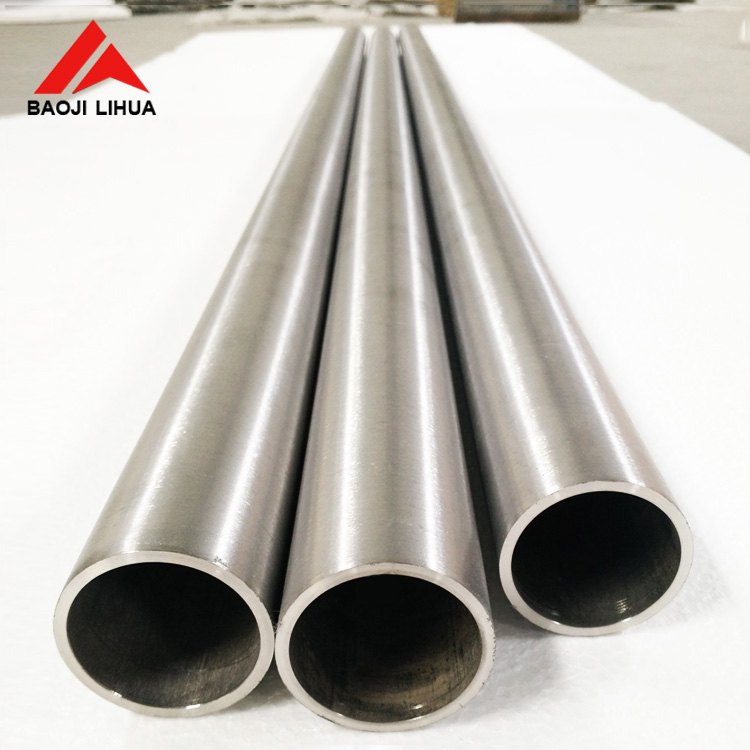
As an established pioneer located in China's Titanium Valley, Jovzi Titanium Industry Co., Ltd. engineers and exports longitudinally welded and spiral-welded titanium pipes conforming strictly to ASTM B862 (Standard Specification for Titanium and Titanium Alloy Welded Pipe), ASTM B338 (Welded Condenser and Heat Exchanger Tubes), and ASME SB-862 boiler and pressure vessel codes. Welded titanium pipes fabricated from Commercially Pure Grade 2 (UNS R50400) and Palladium-stabilized Grade 7 (UNS R52400) form an instantaneous, ceramic-like, self-passivating titanium dioxide (TiO2) film upon exposure to oxygen or moisture. This inert layer prevents chemical ionization across an extensive pH spectrum (pH 2 through pH 12), ensuring zero wall-thinning and uncompromised structural integrity over decades of continuous operation.
The manufacturing process begins with precision cold-rolled titanium strip coil sourced from vacuum arc remelted (VAR) ingots. Strip edges undergo precision CNC beveling, continuous roll-forming, and automated Gas Tungsten Arc Welding (GTAW / TIG) or Plasma Arc Welding (PAW) inside positive-pressure inert argon atmospheres (99.999% purity). A specialized trailing gas shield and localized back-purging box prevent atmospheric oxygen, nitrogen, and hydrogen pickup during the liquidus-to-solidus metallurgical phase transition, completely eliminating weld embrittlement. Every pipe subsequently undergoes inline continuous eddy current testing (ET), dimensional laser gauging, full-length hydrostatic verification, and 100% radiographic examination (RT) along all welded seams before final vacuum stress-relief annealing.
Table 1: Metallurgical & Mechanical Performance Matrix (ASTM B862 / ASTM B338)
| Titanium Grade | UNS Code | Min. Tensile (MPa) | Min. Yield 0.2% (MPa) | Elongation (%) | Primary Corrosive Resistance & Applications |
|---|---|---|---|---|---|
| Grade 1 (CP4) | R50250 | 240 | 170 | 24% | Maximum ductility; deep drawing, low-pressure chlorination linings, chemical tanks. |
| Grade 2 (CP3) | R50400 | 345 | 275 | 20% | Industrial benchmark; balanced strength, geothermal brine, agro-industrial wastewater. |
| Grade 7 (Ti-Pd) | R52400 | 345 | 275 | 20% | 0.15% Palladium addition; supreme resistance against hot reducing volcanic acids and chlorides. |
| Grade 9 (Ti-3Al-2.5V) | R56320 | 620 | 483 | 15% | Near-alpha alloy; hydraulic pressure lines, structural motorsport exhausts, subsea risers. |
| Grade 12 (Ti-Mo-Ni) | R53400 | 483 | 345 | 18% | 0.3% Mo & 0.8% Ni; enhanced crevice resistance in hot brine and elevated temperature heat exchangers. |
2. Localized Industrial Application Scenarios in Quetzaltenango & the Western Highlands
Quetzaltenango is the economic engine and trade epicenter of southwestern Guatemala, orchestrating commerce across the departments of Totonicapán, San Marcos, Retalhuleu, and Huehuetenango. The geographical and thermal realities of this high-altitude valley (2,330 meters above sea level) present critical operational demands where welded titanium piping solves historically costly infrastructure failure points:
Geothermal Power & Thermal Brine Transport
The volcanic belt encompassing Santa María, Santiaguito, and the Zunil/Almolonga geothermal corridors contains high-temperature subsurface aquifers rich in dissolved silica, chlorides, and hydrogen sulfide (H2S). Jovzi's ASTM B862 Gr2 and Gr7 welded pipes are designed for two-phase production fluid pipelines and heat re-injection loops, completely resisting sulfide stress cracking and localized erosion where carbon and duplex steels fail within 24 months.
Agro-Industrial, Brewing & Sugar Processing
From coffee processing wet-mills to regional craft and macro breweries, as well as sugar refining derivatives operating in nearby agricultural lowlands, fluid lines handle organic acids, hot wort, caustic clean-in-place (CIP) chemicals, and sulfur dioxide. Welded titanium tubing guarantees total biological inertness, prevents metallic ion leaching into consumable products, and eliminates maintenance shutdowns during harvest processing peaks.
Textile Dyeing, Finishing & Chemical Plants
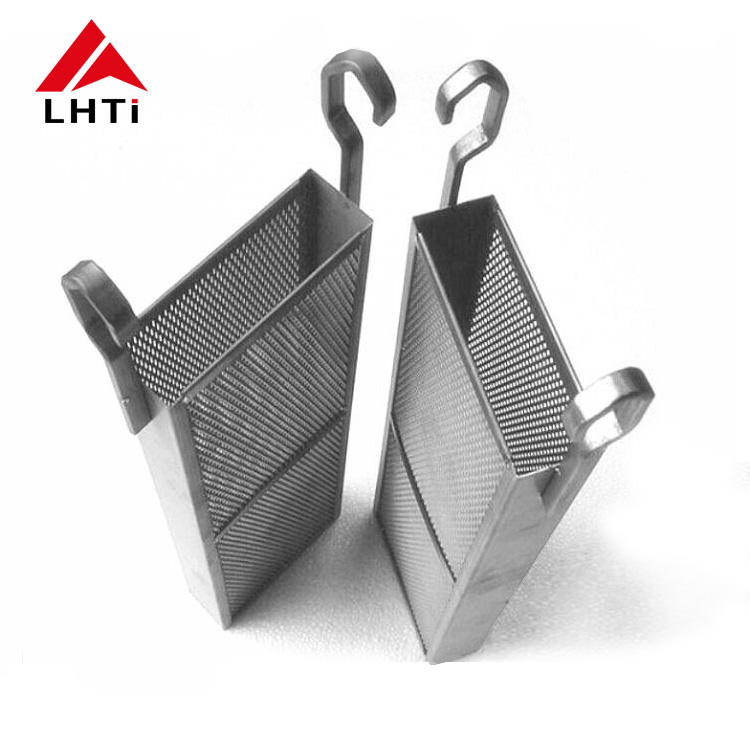
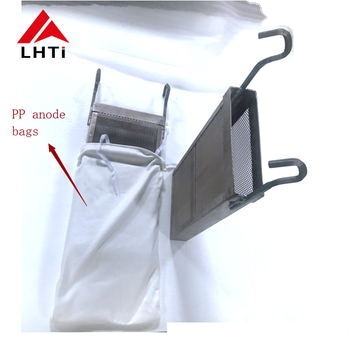
Historically renowned for its vibrant textile manufacturing and industrial dye houses, Quetzaltenango requires heat exchangers and bleaching vats capable of withstanding boiling sodium hypochlorite, acetic acid, and sulfuric dye baths. Our Grade 2 welded heat exchanger tubes (ASTM B338) and custom Gr2 Anodizing / Plating Baskets provide indefinite operating lifespans under oxidative chemical baths that dissolve conventional nickel alloys.
3. Localized Industrial Market Trends: Quetzaltenango’s Modernization (2025–2035)
The industrial landscape of Quetzaltenango is transitioning rapidly from traditional cottage production into high-yield, capital-intensive manufacturing. Several macro-economic drivers are accelerating the demand for titanium piping and precision flow components:
1. Expansion of Sustainable Geothermal & Hydro Assets: Guatemala's national energy policies prioritize indigenous renewable base-load power. The volcanic complexes surrounding the Department of Quetzaltenango represent prime geothermal exploration corridors. Upgrading binary-cycle heat exchangers and steam separation scrubbers requires corrosion-proof metallurgy to optimize megawatt output without unpredicted steam pipe ruptures.
2. Nearshoring & Food-Grade Hygiene Compliance: Agricultural exporters based in Western Guatemala are upgrading facilities to achieve direct compliance with US FDA, USDA Organic, and European chemical migration standards. Replacing outdated copper-nickel or aging stainless fluid manifolds with welded titanium ensures zero heavy-metal leaching in acidic fruit puree, concentrate pipelines, and dairy fermentation units.
3. Regional Logistics Modernization via the Pacific Corridor: With continuous infrastructure upgrades linking Quetzaltenango to Puerto Quetzal via Highway CA-2 and the Retalhuleu bypass, heavy industrial components imported from Baoji can now reach warehouse docks in Quetzaltenango within 48 to 72 hours of customs clearance, bypassing the bottlenecks of Guatemala City and slashing regional logistics costs.
4. Engineering Advantages: Why Procurement Teams Choose Jovzi Titanium
Founded in 2006 in the industrial heart of Baoji, Shaanxi, Jovzi Titanium Industry Co., Ltd. has dedicated almost two decades to the manufacturing, cold forming, automated welding, and export of advanced titanium mill products. Our team of 4 senior and 5 intermediate metallurgical engineers oversees every stage of manufacturing—from raw sponge quality control to vacuum annealing and five-axis CNC machining.
Unlike raw-stock trading intermediaries, Jovzi operates an integrated facility spanning 1,000–3,000 m² equipped with CNC longitudinal seam welders, automated plasma systems, multi-roll tube straightening machinery, hydrostatic testing benches (up to 30 MPa), and ultrasonic wall-thickness analyzers. Our exports account for 81% to 90% of our annual capacity, supported by an experienced international trade division fluent in multi-currency settlement (USD, EUR) and familiar with international documentation requirements for SAT import compliance in Central America.
Every shipment is accompanied by a certified EN 10204 3.1 Mill Test Certificate (MTC) providing actual chemical composition (C, Fe, N, H, O, and Ti balance) and mechanical testing results (tensile strength, yield point, elongation, flare, flattening, and reverse bend test parameters). For high-consequence projects, independent third-party inspection reports certified by the accredited BaoTi Test Center or international inspection agencies (SGS, TÜV, Bureau Veritas) are readily furnished prior to export dispatch.
Frequently Asked Questions by Industrial Buyers in Quetzaltenango
Clear, practical answers covering technical standards, logistics, import customs through SAT Guatemala, and field maintenance protocols.
How do welded titanium pipes (ASTM B862) compare to seamless pipes (ASTM B861) in geothermal and chemical piping?
What shipping routes and Incoterms are utilized for delivery to Quetzaltenango, Guatemala?
What documentation is provided to clear Guatemalan SAT (Superintendencia de Administración Tributaria) customs?
Can Grade 2 titanium pipes be welded in Quetzaltenango workshops, and what procedures are required?
How does titanium Grade 2 resist the volcanic hydrogen sulfide (H2S) and chlorides found around Santa María / Zunil?
What is your Minimum Order Quantity (MOQ) and packaging standard for international export?
Ready to Engineer Your Titanium Piping Solution?
Connect directly with our Baoji engineering team. Send your bill of materials, piping isometric drawings, or corrosion parameters for a rapid technical proposal and competitive freight-inclusive quote to Quetzaltenango.