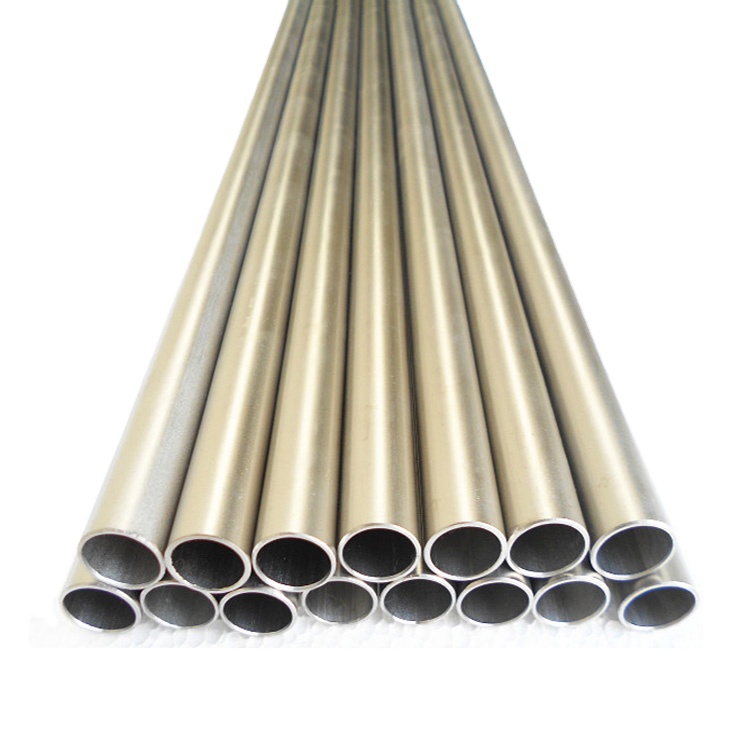
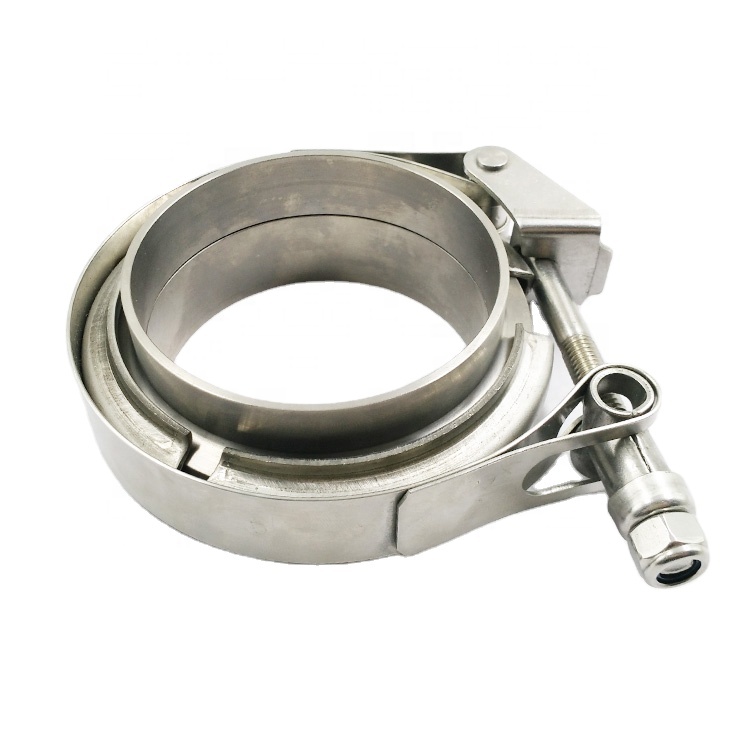
Gr1 GR2 GR5 GR9 Titanium Pipe Tube Exhaust Coupling
Grades: Gr1, Gr2, Gr5, Gr9
Application: High-temperature fluid transfer
Inquire Now
Explore our certified range of titanium coupling assemblies, modular exhaust joints, and precision sub-components engineered for extreme environments.
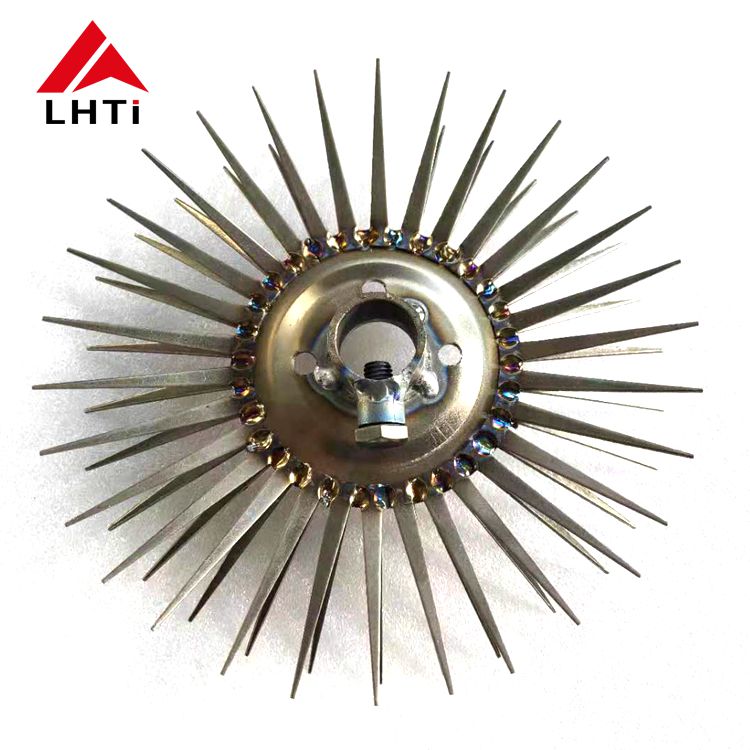
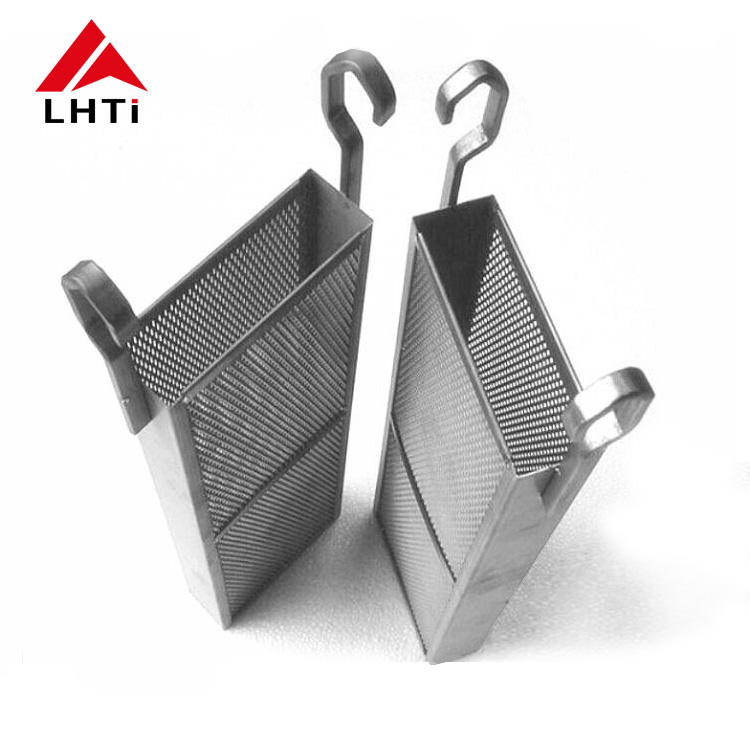
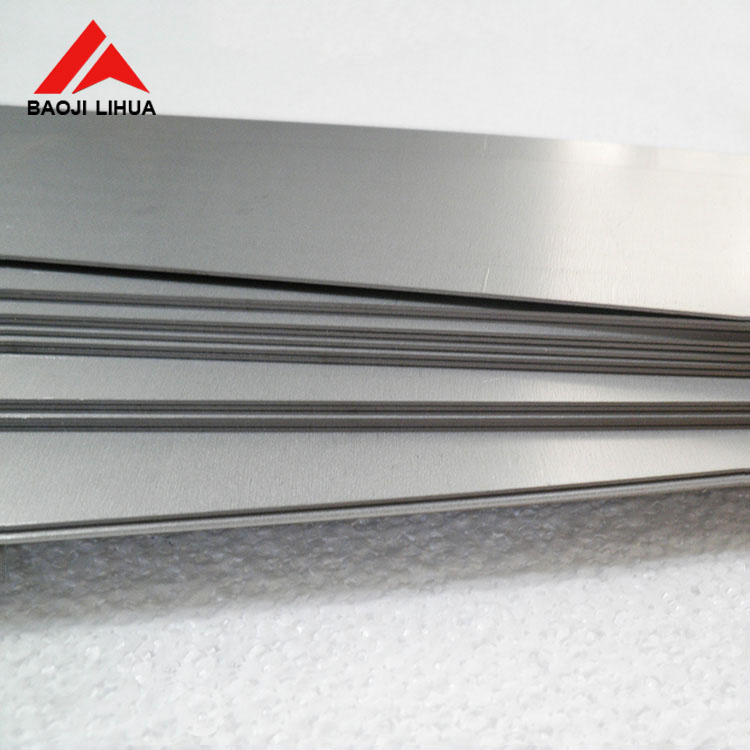
A technical guide on why commercial infrastructure, aerospace engineering, and chemical piping systems transition from duplex stainless steels to advanced titanium mechanical couplings.
In seawater transmission lines, high-saline offshore extraction, and chlor-alkali processing, standard austenitic and super-austenitic steels suffer catastrophic chloride-induced stress corrosion cracking (SCC). Unalloyed commercially pure Grade 2 titanium couplings resist localized pitting corrosion at temperatures up to 315°C (600°F), dramatically reducing plant shutdown intervals and preventing destructive pipeline joint blowouts.
Aerospace, motorsport, and dynamic subsea processing subject pipeline couplings to severe cyclical high-frequency harmonics. Grade 5 (Ti-6Al-4V) engineered couplings boast an ultimate tensile strength exceeding 895 MPa while retaining an elastic modulus of ~114 GPa—almost half that of structural steel. This inherent flexibility acts as an elastomeric dampener, drastically absorbing torsional vibrations without premature bolt shearing.
Unlike carbon steels that undergo severe brittle-ductile transition at low temperatures, titanium mechanical couplings maintain exceptional fracture toughness at cryogenic parameters down to -196°C. Their coefficient of thermal expansion (8.6 × 10⁻⁶/K) closely aligns with technical ceramics and aerospace composites, ensuring that seal faces maintain micro-inch seal compliance throughout thermal excursions.
| Material Specification | Yield Strength (MPa) | Density (g/cm³) | PREN Value | Thermal Cond. (W/m·K) | Primary Joint Application |
|---|---|---|---|---|---|
| CP Grade 2 Titanium (UNS R50400) | 275 - 410 | 4.51 | Immune to Pitting | 21.9 | Chemical Process Piping, Exhaust Couplings |
| Grade 5 Ti-6Al-4V (UNS R56400) | 828 - 910 | 4.43 | Immune to Pitting | 6.7 | High-Pressure Hydraulics, Motorsport Exhaust V-Bands |
| Grade 7 Ti-0.15Pd (UNS R52400) | 275 - 380 | 4.51 | Superior Acid Acidic | 21.9 | Reducing Mineral Acids, Bleach Processing |
| Super Duplex 2507 (1.4410) | 550 | 7.80 | 42 - 45 | 15.0 | Conventional Marine Risers (Heavy Gauge) |
| Inconel 625 (UNS N06625) | 460 | 8.44 | 50+ | 9.8 | Ultra-High Temp Aerospace Manifolds |
Operating from Baoji, Shaanxi Province, Jovzi Titanium leverages an integrated supply chain that directly bridges raw sponge titanium to sub-micron finished machined parts.
Unlike downstream machining shops that buy unverified merchant stock, our manufacturing partner operations begin with 0-grade and 1-grade small-particle titanium sponge melted through multi-stage Vacuum Arc Remelting (VAR) furnaces. This guarantees ultra-low interstitial gas limits (O < 0.15%, H < 0.005%, N < 0.03%), eliminating internal porosity in critical pressure couplings.
Titanium's poor thermal conductivity poses severe galling and rapid tool wear challenges. Jovzi's Baoji production facility relies on rigid, high-torque 5-axis CNC machining centers equipped with high-pressure internal coolant flushing (70+ bar). This setup holds thread pitch diameters, interlocking male/female V-band profiles, and spherical radius tolerances consistently within ±0.005mm.
Quality compliance is verified not only at our factory inspection centers but supplemented by authorized independent metallurgical testing from the National Center for Quality Supervision and Testing of Titanium Products (BaoTi Test Center). Every lot ships with traceable EN 10204 3.1 Mill Test Certificates verifying tensile, yield, elongation, and micro-structure phases.
Market intelligence for purchasing executives, procurement directors, and mechanical lead engineers navigating the shifting landscape of titanium mechanical joints.
OEMs are increasingly combining Selective Laser Melting (SLM) for complex, weight-optimized coupling housings with precision CNC finish-turning on critical sealing lips and threads. Jovzi works closely with design teams to transition conventional massive billet-turned couplings to near-net-shape forged blanks, slashing raw material waste by up to 40% and shortening delivery cycles on custom runs.
Historically, bare titanium threads suffered from galling during torque-up without anti-seize paste. The procurement trend centers on factory-applied surface transformations: Micro-Arc Oxidation (MAO), Thermal Diffusion, Physical Vapor Deposition (PVD), and specialized solid-film lubricating coatings (MoS₂). These coatings allow dry, repeatable break-away torque cycles in cleanrooms, semiconductor pipelines, and aerospace hulls.
Global procurement teams have shifted metric analysis away from simple upfront raw-unit purchase costs. Factoring in zero corrosion replacements, reduced offshore crane interventions, and uncompromised light-weighting (contributing to electric vehicle battery range and commercial payload capacity), titanium couplings exhibit a net-positive operational investment horizon within 18 to 36 months.
Clear, direct technical answers addressing material selection, quality verification, logistics, and precision manufacturing capabilities.
Connect directly with our engineering sales group in Baoji, China. Receive comprehensive technical consultations, material certification breakdowns, and firm commercial quotations within 8 working hours.
Inquire Now