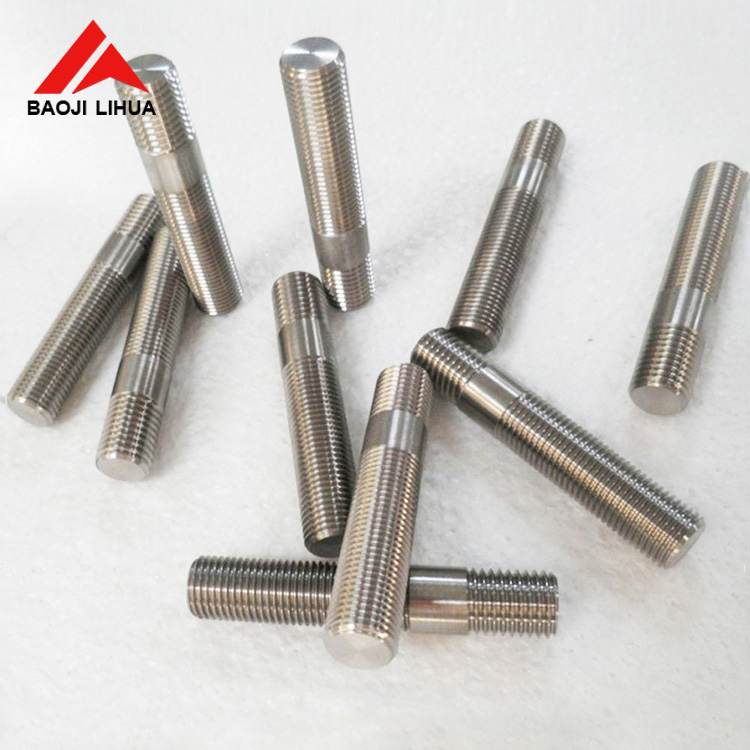
Factory Direct Catalog
High-Performance Titanium Hardware & Materials
Integrate aerospace and chemical-grade titanium solutions into your industrial workflow. Browse our core precision-machined, welded, and forged components manufactured under ISO 9001 certified protocols.
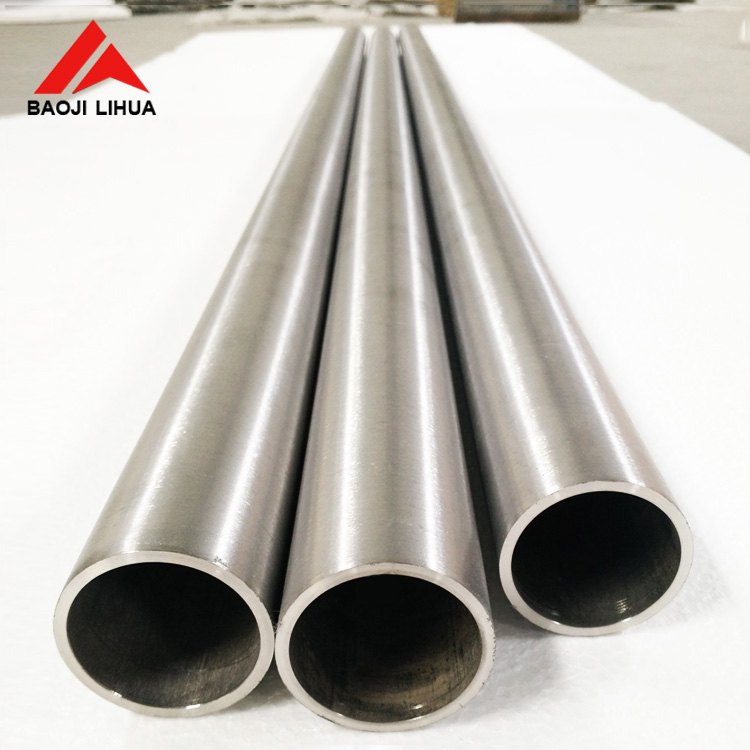
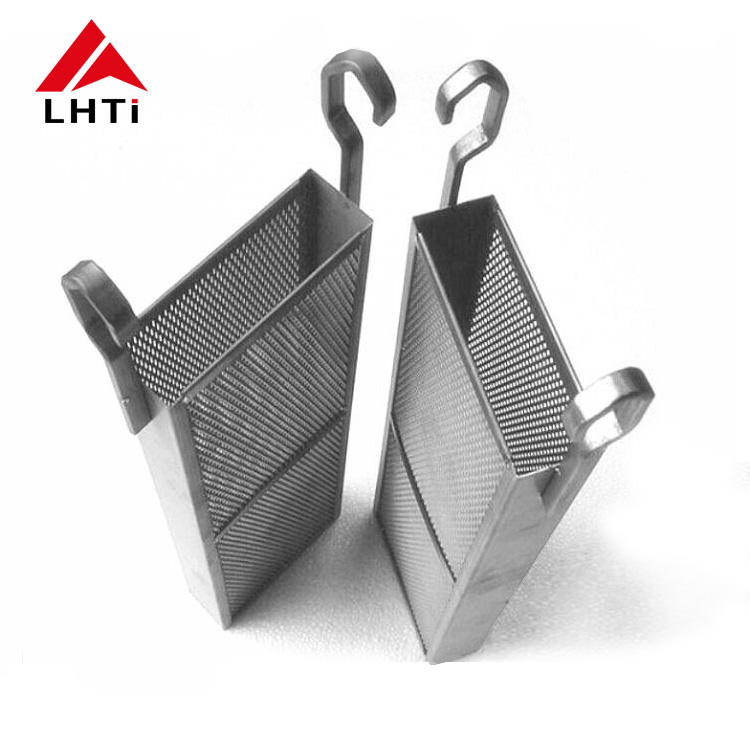
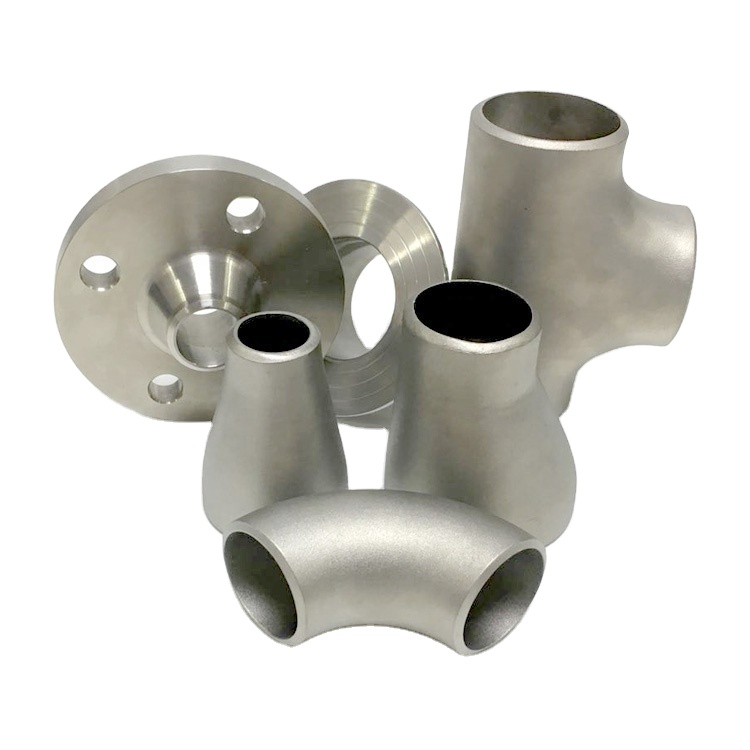
Metallurgical White Paper
Industrial Engineering Guide: Titanium Welding Rod Specifications & Integrity
A rigorous examination of interstitial element management, gas tungsten arc welding (GTAW) dynamics, and mechanical reliability standards for critical industrial infrastructure.
1. The Chemistry of Joint Integrity: Controlling Interstitial Contamination
Titanium and its engineering alloys are renowned for their strength-to-weight ratio and corrosion resistance. However, their high chemical reactivity at elevated temperatures exceeding 427°C (800°F) demands extreme metallurgical discipline. When welding with filler materials such as AWS A5.16 ERTi-1, ERTi-2, ERTi-5 (Ti-6Al-4V), and ERTi-7 (Ti-0.15Pd), interstitial elements—principally Oxygen (O), Nitrogen (N), Carbon (C), and Hydrogen (H)—diffuse rapidly into the molten weld pool.
Uncontrolled absorption of atmospheric oxygen and nitrogen expands the alpha-phase titanium lattice, exponentially increasing hardness while causing catastrophic micro-fissuring and embrittlement. Jovzi Titanium enforces continuous vacuum annealing and rigorous ultrasonic wire cleaning protocols. This guarantees that every spool and straight rod maintains ultra-low interstitial contamination levels far stricter than standard ASTM B863 requirements, ensuring unmatched weld ductility in critical chemical and motorsport applications.
Factory Metallurgical Standard: Jovzi titanium welding filler wire is shaved, pickled, and chemically polished to eliminate drawing lubricant residues. This process controls superficial hydrogen content beneath 0.0035% (≤35 ppm), virtually eliminating delayed hydrogen-assisted cracking in subsea and petrochemical pipe joints.
| AWS / ASTM Grade | UNS Number | Composition Limits (%) | Tensile Strength (Min) | Primary Industrial Applications |
|---|---|---|---|---|
| ERTi-1 (CP Grade 1) | R50100 | Fe: 0.10, O: 0.10, C: 0.03, N: 0.02, H: 0.008, Ti: Bal. | 240 MPa (35 ksi) | Plate heat exchangers, explosive bonding claddings, electrolytic membranes. |
| ERTi-2 (CP Grade 2) | R50400 | Fe: 0.20, O: 0.18, C: 0.03, N: 0.02, H: 0.008, Ti: Bal. | 345 MPa (50 ksi) | Exhaust tubing fabrication, chemical reactors, seawater desalination pipelines. |
| ERTi-5 (Ti-6Al-4V) | R56400 | Al: 5.5-6.7, V: 3.5-4.5, O: 0.18, H: 0.012, Ti: Bal. | 895 MPa (130 ksi) | Aerospace structural ties, high-performance automotive chassis, racing tie-rods. |
| ERTi-7 (Ti-Pd Alloy) | R52401 | Pd: 0.12-0.25, Fe: 0.20, O: 0.18, H: 0.008, Ti: Bal. | 345 MPa (50 ksi) | Severe chemical service, hydrochloric/sulfuric acid processing, chlor-alkali cells. |
| ERTi-9 (Ti-3Al-2.5V) | R56320 | Al: 2.5-3.5, V: 2.0-3.0, O: 0.12, H: 0.008, Ti: Bal. | 620 MPa (90 ksi) | Aircraft hydraulic lines, high-end bicycle frames, specialized marine risers. |
2. Advanced Shielding Protocol: The Key to Silver-Bright Titanium Welds
Achieving structural code approval under ASME Section IX or AWS D1.9 requires strict monitoring of discoloration, which visually indicates interstitial absorption during the welding cycle. Jovzi Titanium recommends a strict 99.999% purity Grade 5.0 Argon shielding regime using trailing shields and back-purging systems:
Silver (Pristine): Indicates full atmospheric protection. No unacceptable contamination; optimal ductility maintained.
Light Straw / Gold: Superficial surface tinting; acceptable for standard service if validated by micro-hardness checks.
Dark Blue / Gray / Chalky White: Severe oxygen saturation and alpha case contamination. Total mechanical rejection required per international structural standards.
Strategic Intelligence
Future Procurement Trends in the Global Titanium Industry
Market dynamics, technological evolutions, and regulatory benchmarks shaping global titanium rod and wire procurement through 2026–2030.
Additive Manufacturing & DED Integration
The convergence of wire-arc additive manufacturing (WAAM) and direct energy deposition (DED) is shifting demand toward fine-spooled, precision-wound ERTi-5 and ERTi-2 wires. Aerospace primes are transitioning from subtractive forging billets to near-net-shape wire deposition, demanding exact diameter tolerances (±0.01mm) and high mechanical uniformity to prevent porosity in 3D multi-axis printing cells.
Green Hydrogen & Desalination Capacity
Global decarbonization initiatives and megawatt-scale PEM electrolyzer installations are driving demand for ERTi-7 and palladium-stabilized titanium welding consumables. Bipolar plates and piping connections operating in harsh acidic-chloride environments demand verified ruthenium/palladium alloying integrity to prevent catastrophic hydrogen embrittlement over 20-year service cycles.
Supply Chain Transparency & Traceability
Tier-1 engineering EPCs are moving away from untraceable intermediary trading brokers. Modern procurement contracts require full provenance mapping back to original vacuum arc remelting (VAR) heats, supported by digital EN 10204 3.1 mill test certificates, PMI testing, and accredited third-party validation (e.g., BaoTi Test Center) to mitigate supply chain fraud.
Factory Authority
Why Partner with Jovzi Titanium in Baoji, China
Combining primary sponge supply access with high-precision downstream drawing, rolling, and automated CNC machining since 2006.
Epicenter Advantage
Situated in Bayu Town, Baoji High-Tech Zone—China's renowned Titanium Valley. We leverage direct integration with regional smelting hubs to secure consistent, high-grade titanium sponge feedstock.
Complete Cold-Drawing Lines
Equipped with specialized multi-pass diamond-die drawing blocks, automated vacuum annealing furnaces, and ultrasonic cleaning baths that yield scratch-free, mirror-polished wire surfaces down to 0.8mm.
Senior Engineering Team
Backed by 4 senior and 5 intermediate metallurgical engineers overseeing quality control. Every batch undergoes spectrographic analysis, tension testing, and dimensional verification.
Rigorous Packaging Standards
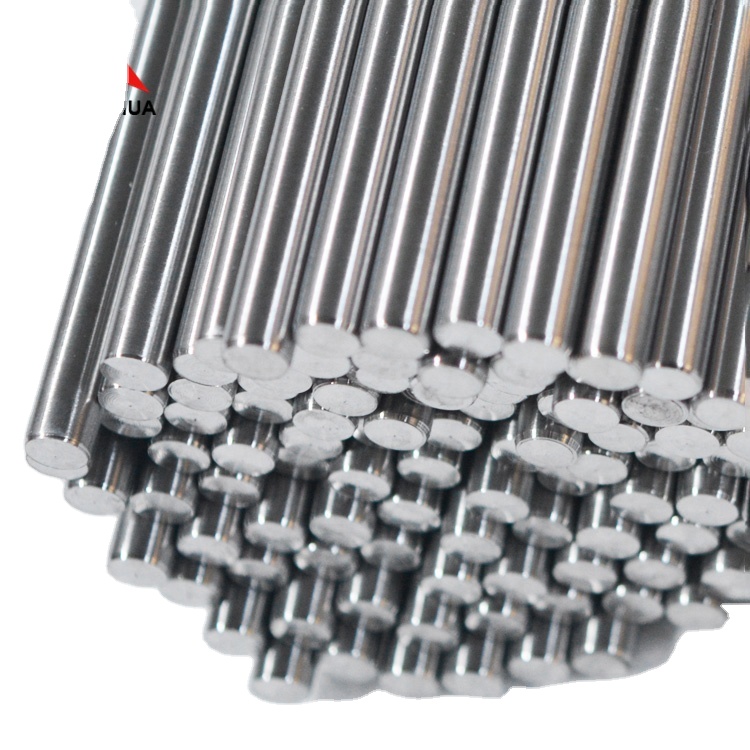
We supply spooled wire (D100, D300) hermetically sealed in desiccant foil packs and straight cut rods (1000mm) packed in impact-resistant PVC tubes within export-grade wooden cases to eliminate transit damage.
Procurement Knowledge Base
Frequently Asked Questions by Global Buyers
Clear, direct answers regarding metallurgical specifications, international logistics, testing certifications, and custom production runs.
What are the key technical differences between welding pure titanium vs. Ti-6Al-4V alloy?
Commercially pure grades (such as ERTi-1 and ERTi-2) feature single-phase alpha microstructures with high ductility and moderate tensile strength. They flow smoothly during GTAW and exhibit low hot-cracking sensitivity. In contrast, ERTi-5 (Ti-6Al-4V) is an alpha-beta alloy offering tensile strength exceeding 895 MPa. It requires strict heat input control, interpass temperatures under 150°C, and occasional post-weld stress relief (PWHT) to mitigate residual stresses and embrittlement along heat-affected zones (HAZ).
How does Jovzi ensure titanium welding wire is completely free of surface contamination?
During wire drawing, drawing lubricants and graphite must be thoroughly eliminated. We utilize continuous chemical pickling in automated nitric-hydrofluoric acid baths, followed by ultrasonic neutralization and vacuum descaling. Every spool and cut rod is wiped with lint-free solvent cloths under cleanroom conditions, ensuring pristine, silver-bright surfaces that prevent weld porosity and carbon pickup.
Can Jovzi supply EN 10204 3.1 Mill Test Certificates and third-party inspection reports?
Yes. Every shipment comes complete with a traceable EN 10204 3.1 Mill Test Certificate detailing the original heat number, quantitative chemical composition (Fe, C, N, H, O, and alloy percentages), and room-temperature mechanical properties. Furthermore, independent third-party test reports issued by the accredited BaoTi Test Center or SGS are available upon request prior to vessel departure.
What packaging and reel dimensions are standard for automated robotic welding systems?
For semi-automatic and robotic GMAW/MIG and wire-arc additive manufacturing systems, we supply precision layer-wound wire on standard D300 (plastic/metal, 5kg - 10kg) and D100 spools with controlled pitch and cast/helix alignment. For manual TIG welding, straight cut rods are provided in 914mm (36") or 1000mm lengths, laser-etched on both ends with the AWS grade for fail-safe site sorting.
What are your typical minimum order quantities (MOQ) and production lead times?
For in-stock standard sizes (e.g., 1.6mm, 2.0mm, 2.4mm, 3.2mm in ERTi-2 or ERTi-5), our minimum order quantity starts at just 5 kg to 10 kg, making sampling and test welds easy. Bespoke alloy melts or custom drawing diameters typically require a 50 kg MOQ. Standard warehouse inventory ships within 48 hours; custom production runs are typically completed in 10 to 18 working days.
Which Incoterms, currencies, and payment mechanisms do you accommodate?
Jovzi Titanium supports global commercial procurement under FOB (Shanghai, Tianjin, Qingdao), CFR, CIF, CPT, EXW, and door-to-door DDP terms via air express and sea freight. We support multi-currency settlements in USD, EUR, AUD, HKD, and CNY via Wire Transfer (T/T), Letter of Credit at sight (L/C), PayPal, and Alibaba Trade Assurance.
Partner with China's Premier Titanium Welding Rod Manufacturer
Direct factory pricing, traceable mill test reports, and engineering expertise tailored to your structural, motorsport, and chemical engineering designs.