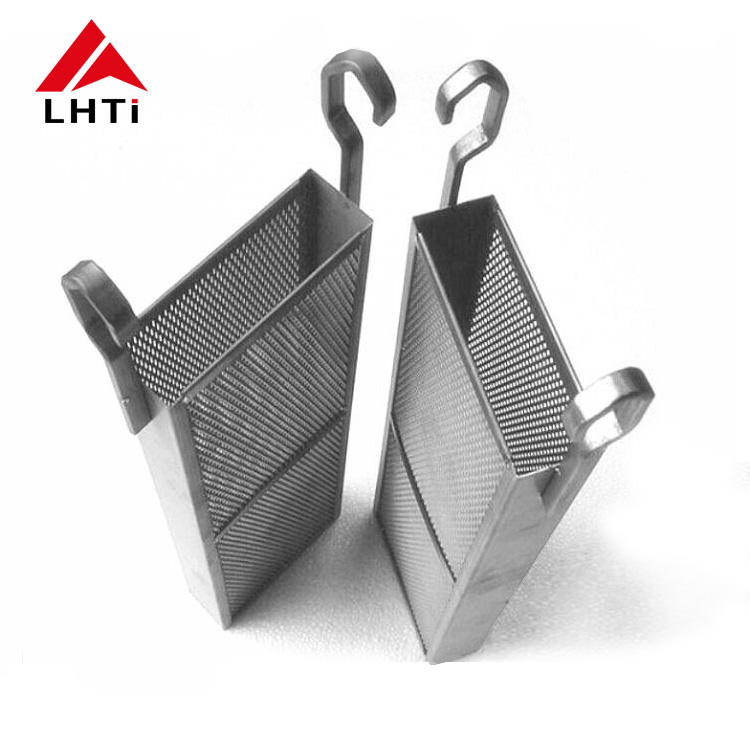
Precision Mill & Component Portfolio
Featured Industrial Titanium Solutions
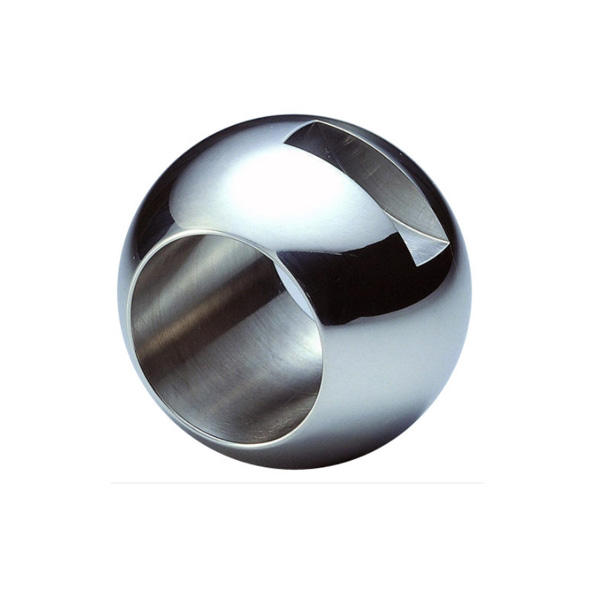
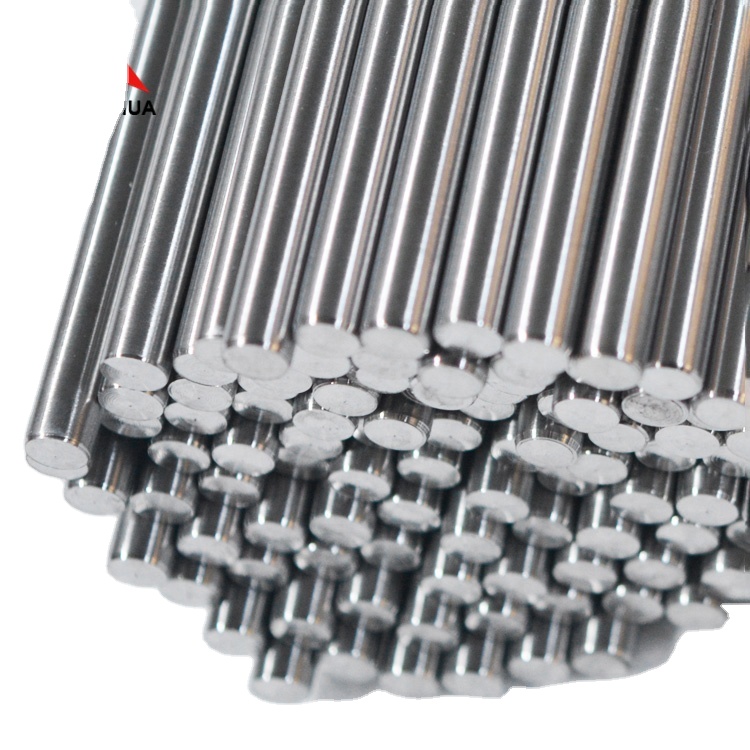
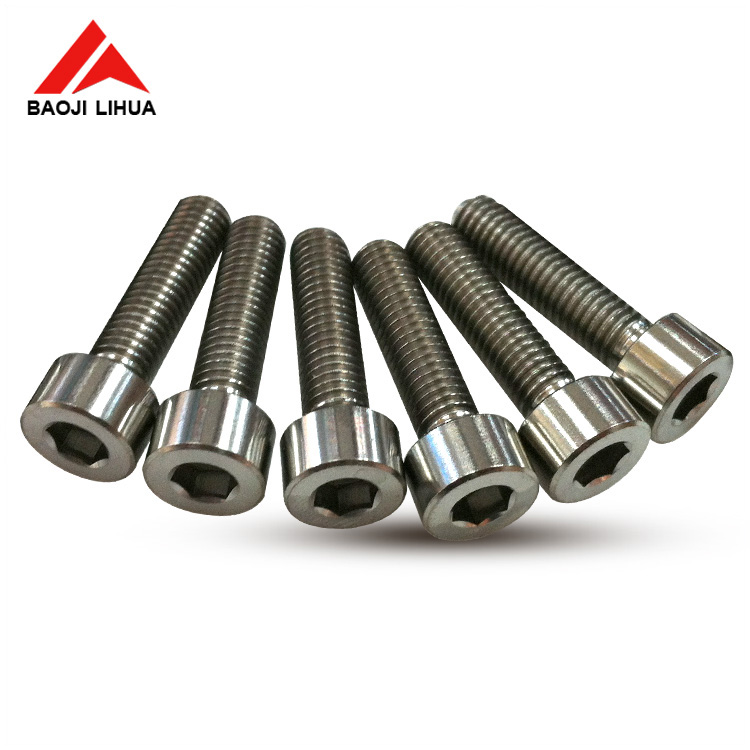
Direct manufacturer supply chain covering ASTM B363 fittings, ASTM B348 stock, electroplating systems, and high-integrity flow components.
Engineering Authority & Material Science
Industrial Guide to Titanium Pipe Elbows & Directional Fittings
An architectural overview of fluid handling in aggressive, high-chloride, seawater, and chemical process piping systems.
Cold-Forming vs. Hot Mandrel Inducing
For Grade 1 and Grade 2 titanium elbows (≤DN100), cold forming followed by vacuum recrystallization annealing prevents interstitial embrittlement. For heavy-wall, large-diameter fittings (≥DN150), inductive hot pushing ensures uniform wall thinning allowances within ASME B16.9 tolerances.
Passivation & Crevice Corrosion Mitigation
The spontaneous formation of the TiO&sub2; rutile oxide layer renders commercially pure titanium immune to pitting in wet chlorine and high-salinity brine up to 80°C. For low pH or boiling hydrochloric conditions, Palladium-stabilized Grade 7 or Grade 12 (Ti-0.3Mo-0.8Ni) provides critical cathodic polarization.
Weld-Joint Fluid Dynamics (1.5D vs. Long Radius)
Centrifugal wall shear stresses peak along the outer extrados of piping elbows. Our factory optimizes extrados wall thickness buffer (+12.5% minimum) to counterbalance erosion-corrosion velocity profiles, compliant with ASTM B363 seamless (WPT) and welded (WPT-W/WX) execution protocols.
Manufacturing Capabilities & Norms
Titanium Elbow Engineering Reference Matrix
| Titanium Grade | Material Standard | Dimensional Standard | Available Radii & Angles | Primary Industrial Field |
|---|---|---|---|---|
| Gr1 (UNS R50250) | ASTM B363 / ASTM B861 | ASME B16.9 / DIN 2605 | 1.0D, 1.5D, 3D, 5D | 45°, 90°, 180° | Chemical chlorination, metal anodizing lines, plating |
| Gr2 (UNS R50400) | ASTM B363 / ASME SB363 | ASME B16.9 / MSS SP-43 | Short Radius (SR), Long Radius (LR) | Seawater cooling, LNG terminals, offshore platforms |
| Gr5 (UNS R56400) | ASTM B363 / AMS 4928 | Engineered Drawings / Custom CNC | Custom Sweep & Tight Radii Mandrel | Aerospace hydraulics, motorsport exhaust, defense |
| Gr7 (UNS R52400) | ASTM B363 / ASTM B338 | ASME B16.9 / EN 10253-3 | LR 90°, LR 45°, Custom Returns | Reducing acid processing, pulp & paper, sour oil & gas |
| Gr12 (UNS R53400) | ASTM B363 / ASME SB363 | ASME B16.9 / DIN 2605 | 1.5D LR Butt-Weld | High-temperature brine distillation, chemical reactors |
Proven Manufacturing Excellence
Why Procurement Engineers Rely On Jovzi Titanium
Rooted in China's Titanium Valley since 2006, combining raw sponge metallurgy control with advanced precision CNC fabrication.
Direct Baoji Metallurgy
Situated in Bayu High-Tech Zone, our factory draws directly from prime 0A titanium sponge, melted via dual/triple VAR processes to prevent tungsten inclusion defects.
ISO 9001 & MTC 3.1 Traceability
Every elbow, flange, and bar is stamped with lot-specific heat numbers. Complete EN 10204 3.1 certification is verified through independent BaoTi testing center reports.
Senior Engineering Staff
Staffed by 4 senior metallurgical engineers and 5 intermediate tooling designers with 6+ years dedicated OEM experience across bespoke piping geometries.
Global Logistics & Rapid RFQ
Exporting to Europe, North America, and Southeast Asia. Seaworthy customized crating with rapid technical quotation turns in less than 8 business hours.
Procurement & Industry Horizon
Future Procurement Trends in Titanium Piping Systems
Market shifts transforming commercial sourcing strategies across green hydrogen, desalination mega-plants, and next-generation marine scrubbers.
1. Near-Net-Shape Cold Extrusion Technology
Traditional hot pushing creates significant wall variance that necessitates substantial raw billet over-dimensioning. Recent industrial capital equipment integration now favors high-tonnage multi-axis cold extruding machines, slashing buy-to-fly weight ratios by up to 28% and ensuring hyper-consistent internal bore geometry for laminar industrial flows.
2. Stringent Life-Cycle Costing (LCC) Integration
While super duplex (2507) and nickel alloys (Hastelloy C-276) initially appear competitive on unit procurement cost, catastrophic stress corrosion cracking (SCC) in marine scrubbers and desalination plants has shifted global EPC contractors toward pure titanium Grade 2 elbows. Zero corrosion allowance engineering reduces overall structural wall dimensions and eliminates shutdown maintenance.
3. Growth in Green Hydrogen & PEM Electrolysis
Proton Exchange Membrane (PEM) water electrolyzer stacks demand fluid transport lines with zero ionic contamination. Titanium elbows fabricated under stringent particulate-free pickling and passivation procedures eliminate catalyst poisoning, securing a critical role in high-growth megawatt-scale hydrogen generation infrastructures.
Procurement Intelligence
Frequently Asked Questions by Industrial Buyers
What are the primary differences between ASTM B363 WPT2 and ASME B16.9 standards?
ASTM B363 is the standard specification covering materials and fabrication requirements for seamless and welded unalloyed titanium fittings (Grade WPT2 designates titanium Grade 2). Conversely, ASME B16.9 defines the strict geometric, dimensional, end-prep beveling, and pressure tolerance parameters. Jovzi delivers fittings manufactured strictly under ASTM B363 material controls conforming to ASME B16.9 physical dimensions.
How does Jovzi prevent cross-contamination during titanium elbow manufacturing?
Titanium has high interstitial affinity for iron, carbon, and atmospheric gases (hydrogen, oxygen, nitrogen) at elevated temperatures. Our factory maintains dedicated titanium-only workshops, utilizing specialized carbide tooling, synthetic coolants devoid of chlorides, vacuum annealing chambers operating below 10^-3 Pa, and thorough nitric-hydrofluoric acid pickling to eliminate embedded free iron.
What non-destructive testing (NDT) documentation is supplied with elbow orders?
Each batch order is backed by an EN 10204 3.1 inspection certificate containing comprehensive chemical and tensile test data. Standard non-destructive protocols include 100% Liquid Penetrant Inspection (PT), Ultrasonic Testing (UT) for wall thickness integrity, Positive Material Identification (PMI) via XRF analysis, and hydrostatic pressure testing according to applicable design codes. Radiographic testing (RT) is standard for all welded-seam (WPT-W) elbows.
What is the minimum wall thickness tolerance at the elbow bend extrados?
Per ASME B16.9 and MSS SP-43 specifications, the minimum wall thickness at any point along the fitting shall not be less than 87.5% of nominal wall thickness. Jovzi applies a proprietary engineering pre-stretch calculation to select parent tubular blanks with boosted baseline wall thickness, ensuring that final wall readings along the tension extrados remain well within tolerance buffer limits.
Can you machine custom bevel ends or compound angles for orbital welding?
Yes. We regularly supply elbows prepared with custom root faces, J-bevels, extended tangents for automated orbital welding, and compound degree cuts (e.g., 15°, 30°, 60°, 90° long radius). Drawings in CAD (DWG), STEP, or PDF formats are evaluated and quoted by our senior engineering desk within 8 business hours.
Ready to Source High-Integrity Titanium Elbows?
Contact Jovzi Titanium Industry Co., Ltd. today. Share your piping schedule, design drawings, grade parameters, and target timeline to receive an engineered factory-direct proposal directly from Baoji, China.
Send an Inquiry