High-Performance Titanium Hardware & Mill Components
From track-tested lightweight Grade 5 racing bolts to structural pipe fittings and anode hardware, explore our standard and custom precision CNC production lineup.
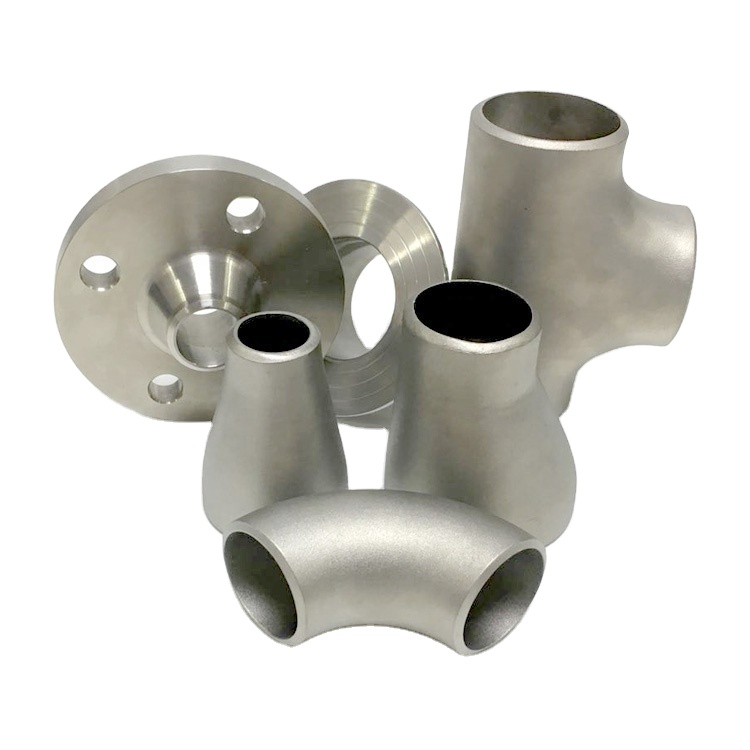
Ti-pure Titanium Seamless Concentric Reducer Pipe Fitting
Seamless ASTM B363 CP Grade 2 pure titanium reducer engineered for high-temperature exhaust dynamics and corrosive chemical fluid processing.
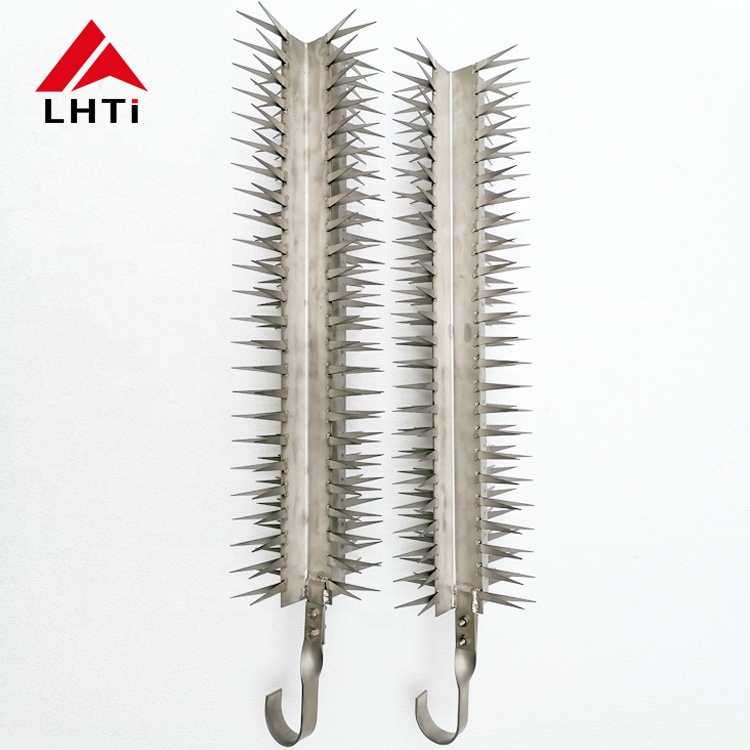
Customized Anodizing Gr1/Gr2 Titanium Jigs for Industry Coating Colors
Superior conductivity and high elasticity titanium fixture racks custom-machined for electrochemical coloring and industrial plating lines.
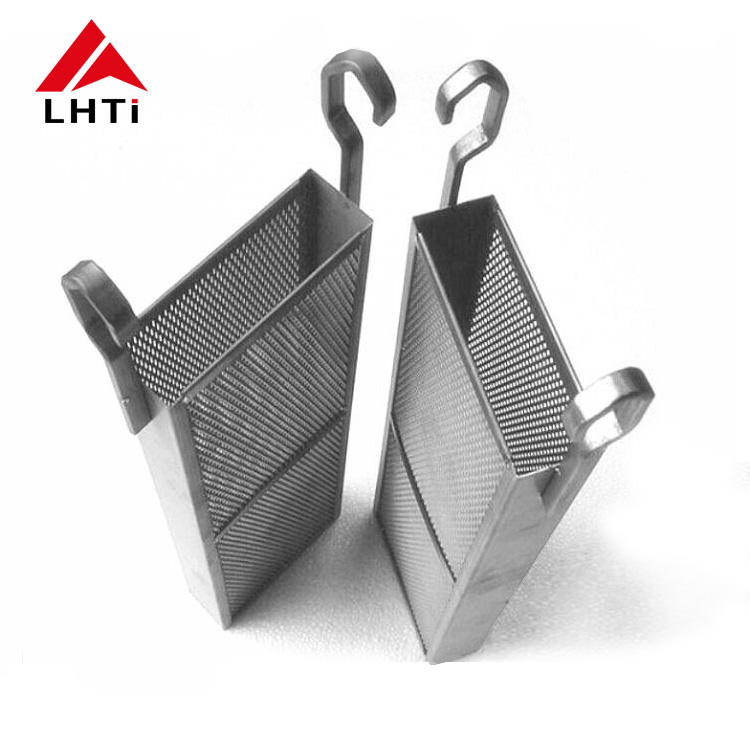
Gr2 Titanium Anode Basket Electroplating 5x10 6x12mm for Chemical Industry
Robust expansion mesh structure offering outstanding acid resistance and uniform current density for electroplating solutions.
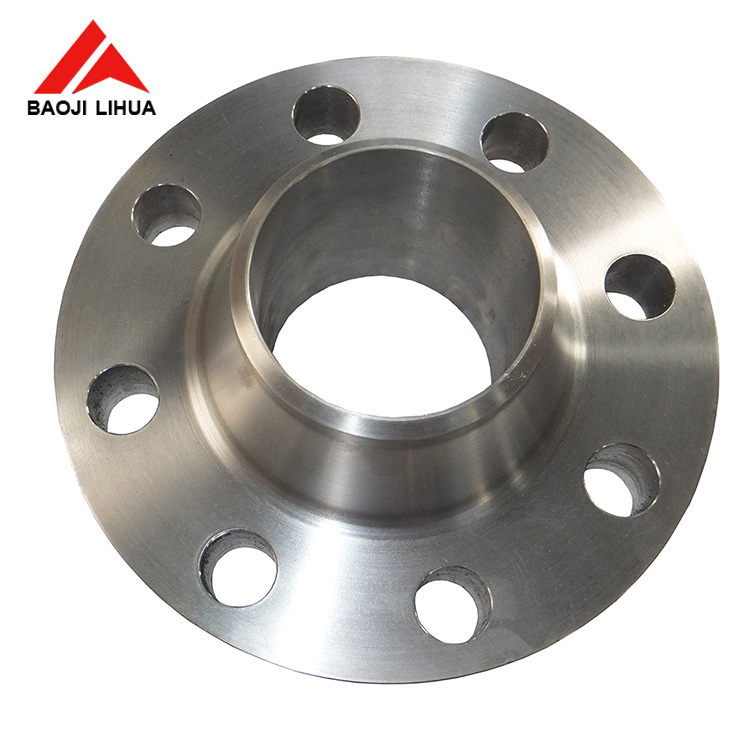
Titanium Blind Exhaust Flange 4" ANSI 150lbs 300 Ibs Class Gr2
ASME B16.5 compliant blind exhaust flange precision CNC-turned from forged Grade 2 titanium blanks for motorsport manifolds and pressure seals.
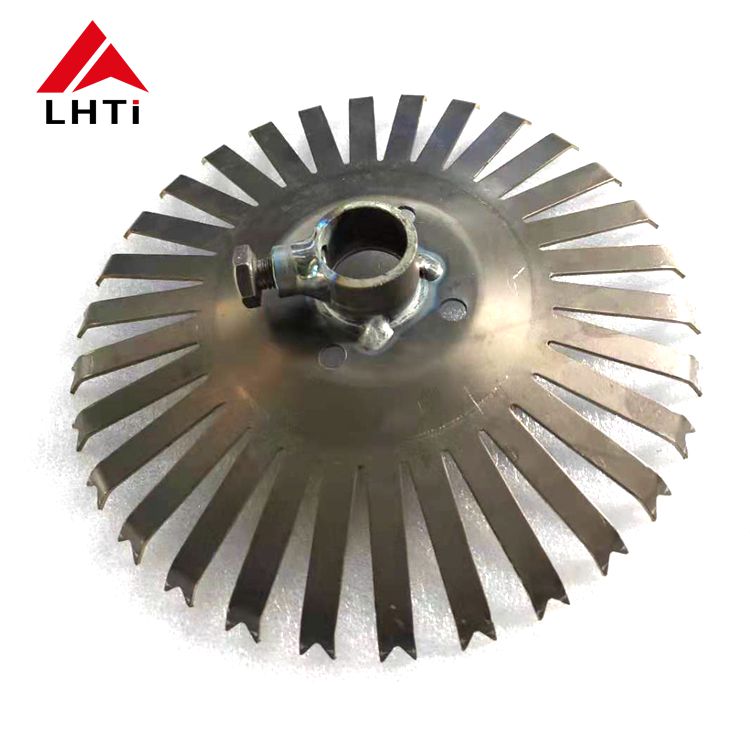
Anodizing Titanium 30 Teeth Disk Rack for Electroplating
High-reusability electroplating rack engineered with 30 precision spring-tension teeth, ideal for batch fastener anodizing and surface finishes.
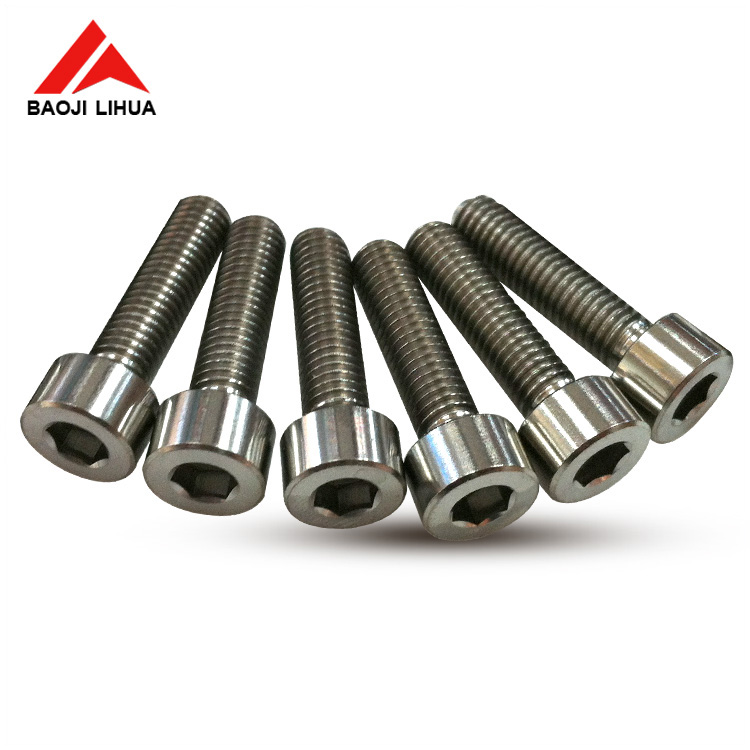
High Quality Gr5 Titanium Bolt M6 M8 M10 DIN912 Titanium Screws
CNC hot-forged and rolled-thread Ti-6Al-4V socket head cap screws delivering 45% weight savings and superior shear strength over grade 10.9 steel.
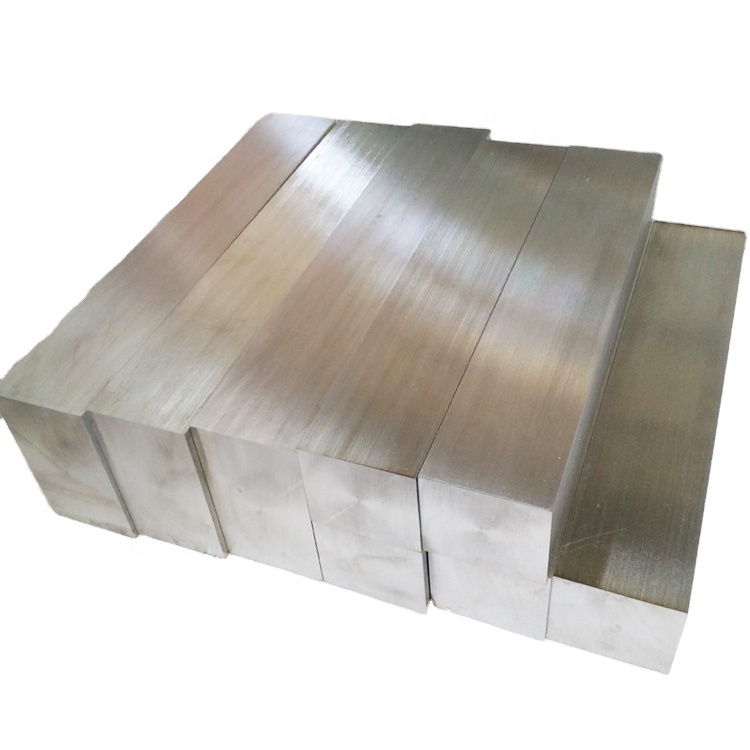
Titanium GR5 ti-6al-4v Block ASTM B348 Standard
Dense forged ASTM B348 Grade 5 titanium blocks with ultrasonic inspection testing, perfect for 5-axis CNC machining of custom racing brackets.
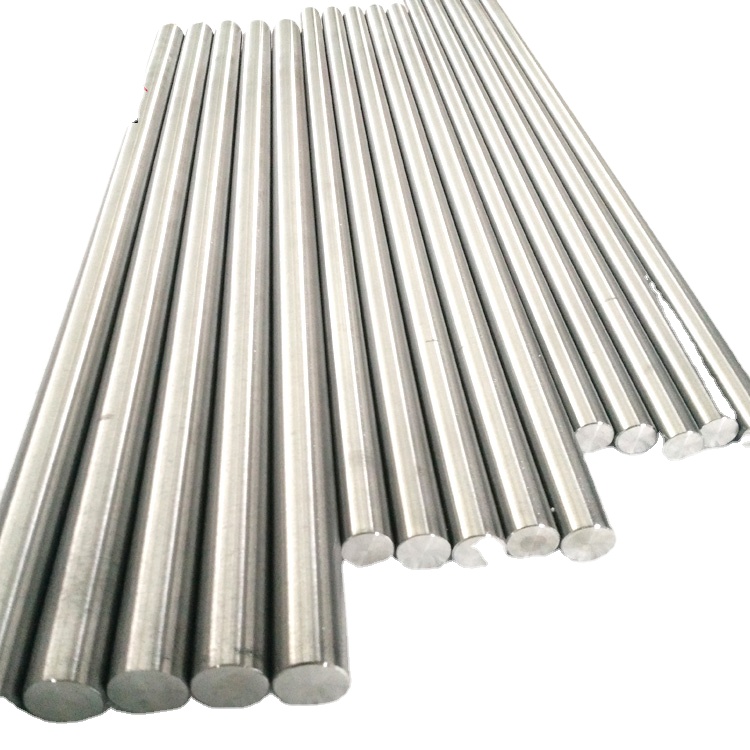
ASTMB348 GR5 Titanium Bar Dia 100mm Best Price
Centerless-ground Grade 5 titanium bar stock certified to aerospace specs, ready for rapid conversion into high-spec motorsport hubs and spindles.
The Metallurgical Anatomy of High-Performance Titanium Racing Fasteners
An in-depth metallurgical analysis on why Ti-6Al-4V Grade 5 replaces high-tensile alloy steel across premier motorsport, karting, superbike, and formula racing disciplines.
In professional motorsport engineering, rotational inertia and unsprung mass dictate vehicle acceleration dynamics, cornering response, and damper recovery rates. Wheel lug bolts, brake disc rotor pins, caliper mountings, and drivetrain hardware represent critical unsprung masses. Standard class 10.9 and 12.9 automotive steel fasteners carry a density of approximately 7.85 g/cm³. In contrast, Grade 5 Titanium (Ti-6Al-4V, UNS R56400) delivers a density of only 4.43 g/cm³—providing an immediate 42% to 45% weight reduction without compromising yield integrity.
However, substituting steel with titanium in severe high-stress environments requires strict metallurgical precision. Jovzi Titanium manufactures racing fasteners exclusively from vacuum-arc remelted (VAR) ingots sourced from verified Baoji mills. The alpha-beta microstructure of Ti-6Al-4V must undergo controlled solution treating and aging (STA) or precision annealing to reach a tensile threshold exceeding 895 to 1050 MPa, coupled with an elongation rate of ≥10%. This balances ductile toughness with high ultimate tensile strength, eliminating brittle shear risks under heavy lateral g-forces.
Critical Manufacturing Differentiation: Rolled Threads vs. Cut Threads
Under dynamic racing conditions, fasteners rarely fail from static tensile overload; they succumb to cyclic mechanical fatigue at the thread root. At our Baoji manufacturing plant, every racing bolt features fully cold-rolled threads created after heat treatment.
Continuous Grain Flow
Thread rolling deforms the titanium crystal structure plastically, following the bolt root contours without severing natural grain boundaries, thereby improving fatigue life by up to 300% over CNC lathe-cut threads.
Compressive Root Stresses
The cold rolling die imparts burnishing residual compressive stresses into the thread roots. These residual stresses effectively delay fatigue crack initiation during repeated high-frequency braking and vibration cycles.
Radiused Thread Runouts
Precision-ground tooling produces smooth, radiused root transitions conforming to UNJ / DIN / ISO standards, mitigating notch sensitivity that otherwise causes sudden fatigue propagation in titanium alloys.
| Fastener Material | Density (g/cm³) | Tensile Strength (MPa) | Yield Strength 0.2% (MPa) | Strength-to-Weight Ratio | Corrosion Resistance |
|---|---|---|---|---|---|
| Ti-6Al-4V Grade 5 (Jovzi Hot Forged) | 4.43 | 950 – 1050 | 880 – 980 | 214 – 237 kN·m/kg | Immune to atmospheric, salt water, and chemical oxidation |
| High-Tensile Class 10.9 Carbon Steel | 7.85 | 1000 – 1040 | 900 – 940 | 127 – 132 kN·m/kg | Low; requires zinc, cadmium, or nickel plating |
| Class 12.9 Alloy Steel (SCM435) | 7.85 | 1200 – 1220 | 1080 – 1100 | 152 – 155 kN·m/kg | Prone to surface rusting, stress corrosion cracking |
| A2-70 / 304 Stainless Steel | 7.93 | 700 | 450 | 88 kN·m/kg | Moderate; prone to galling and crevice corrosion |
| 7075-T6 Aerospace Aluminum | 2.81 | 570 | 505 | 202 kN·m/kg | Susceptible to galvanic fatigue and thread stripping |
Emerging Procurement & Manufacturing Trends in Racing Hardware
Strategic purchasing forecast for motorsport engineering teams, aftermarket distributors, and custom performance brands navigating titanium global supply chains.
1. Convergence of Electric Vehicles (EV) & Hypercar Hardware
As electric race vehicles and high-voltage hypercars battle excessive battery pack weight, the demand for titanium chassis, suspension fasteners, and motor mounts is expanding rapidly. Tier-1 motorsport procurement teams are utilizing custom-flanged hollow-core titanium bolts to recover critical gram-level weight margins across battery enclosures and subframes.
2. Advanced PVD and Micro-Arc Surface Modification
Conventional thermal anodizing offers dynamic decorative colors (such as burnt rainbow, electric blue, and purple), but future commercial contracts emphasize Physical Vapor Deposition (PVD) Titanium Nitride (TiN) and Diamond-Like Carbon (DLC) coatings. These nanometer treatments elevate surface hardness above 2500 Vickers, virtually eliminating thread galling and anti-wear degradation.
3. Digital MTC Traceability & Responsible Sourcing
Modern procurement compliance demands unequivocal metallurgical accountability. Global distributors require full heat-lot tracing back to the titanium sponge melting batch under EN 10204 3.1 standards. Spectrographic chemistry validation and independent certified lab validation (such as the BaoTi Center) have evolved from optional extras into baseline qualification requirements.
Engineered in China's Titanium Valley Since 2006
Located in Baoji, Shaanxi Province—the epicenter that produces over 60% of China's titanium mill output—Jovzi Titanium Industry Co., Ltd. combines raw ingot access with advanced CNC machining capabilities. Over nearly two decades of continuous manufacturing, we have served leading performance brands across North America, Western Europe, Japan, and Australia.
- Engineering Team: Staffed by 4 senior and 5 intermediate metallurgical engineers overseeing close tolerance production.
- Traceable Testing: In-house PMI chemical spectrometers, optical profile projectors, and verified BaoTi Test Center reports on request.
- Comprehensive Production: Dedicated thread rolling, CNC swiss machining, multi-axis milling, and clean anodizing workshops.
- Full Grade Coverage: High inventory of Gr1, Gr2, Gr5 (Ti-6Al-4V), Gr7, Gr9, Gr12, and Nitinol memory alloy.
B2B OEM & Private Label Services
With over 6+ years of verified OEM private label experience, Jovzi collaborates directly with motorsport engineering groups and retail fastener brands. Whether you require custom Torx drive flanges, drilled safety-wire hex heads, or laser-etched torque markings, our rapid prototyping delivers sample turnarounds within 7 to 10 working days.
All orders are packaged in protective anti-scratch compartmental trays and sealed export cartons to ensure threads arrive in pristine condition, ready for high-torque assembly.
Frequently Asked Questions on Sourcing Titanium Racing Bolts
Essential technical clarifications addressing torque adjustments, anti-galling lubrication, galvanic isolation, and order logistics.
What torque setting should be applied when replacing OEM steel bolts with Grade 5 titanium?
Because titanium's modulus of elasticity (~114 GPa) is approximately half that of steel (~210 GPa), titanium stretches more under equivalent tensile load. Generally, when using a high-quality anti-seize lubricant (such as molybdenum disulfide or copper-based paste), titanium bolts should be tightened to approximately 80% to 85% of standard OEM steel torque specs to achieve optimal preload tension without over-stretching the shank.
How does Jovzi prevent thread galling (cold welding) during assembly?
Titanium has a thin, self-healing oxide film (TiO2) that can break down under high contact pressure, leading to micro-welding against mating threads. Jovzi controls thread micro-finish roughness via precision thread rolling rather than rough cutting. Furthermore, we offer specialized surface treatments including micro-arc oxidation, TiN PVD coating, and advise using an anti-seize compound containing extreme-pressure additives on all dry assemblies.
Are titanium racing bolts subject to galvanic corrosion when paired with carbon fiber or aluminum?
Titanium is galvanically compatible with carbon fiber composite structures because their noble electrochemical potentials sit close together on the galvanic scale—unlike aluminum, which corrodes severely against carbon. When installing titanium bolts into aluminum uprights or engine cases in salty wet environments, an isolating paste or anodized surface treatment is recommended to prevent galvanic exchange with the aluminum substrate.
What is the standard Minimum Order Quantity (MOQ) and production lead time?
For standard racing sizes (such as DIN 912 socket caps, M6/M8 disc bolts, and M12/M14 lug bolts), our typical MOQ starts at 100 to 200 pieces per specification. For custom drawings requiring specialized CNC tooling, MOQs are flexible depending on batch complexity. Prototyping lead times range from 10 to 14 days, while full production container orders typically ship in 20 to 30 days.
What quality certifications are supplied with each export shipment?
Every production batch is accompanied by an EN 10204 3.1 Mill Test Certificate (MTC) documenting heat number traceability, full spectrographic chemical analysis (Al, V, Fe, C, N, H, O content), tensile yield strength, elongation percentages, and hardness. Independent third-party metallurgical inspection certificates from the authorized BaoTi Test Center are available on request.
What custom surface finishes and color options are available?
We supply high-precision finishes including raw machine polish, vibratory tumbling, glass-bead matte blasting, electrochemical anodizing (gold, royal blue, violet, burnt titanium rainbow, emerald green), and vacuum PVD coating (glossy black DLC, golden TiN, iridescent neo-chrome). All color processes maintain tight thread tolerance standards (6g/6H) without interfering with pitch engagement.
Connect Directly With Baoji's Titanium Engineering Team
Send your CAD drawings, step files, or standard fastener bills of materials (BOM). Our engineering and trade specialists provide full technical DFM reviews, material certifications, and wholesale quotations within 8 working hours.