Precision Titanium Bar Stock & Machined Components
Manufactured to aerospace, medical, and high-performance automotive tolerances from certified virgin sponge ingot.
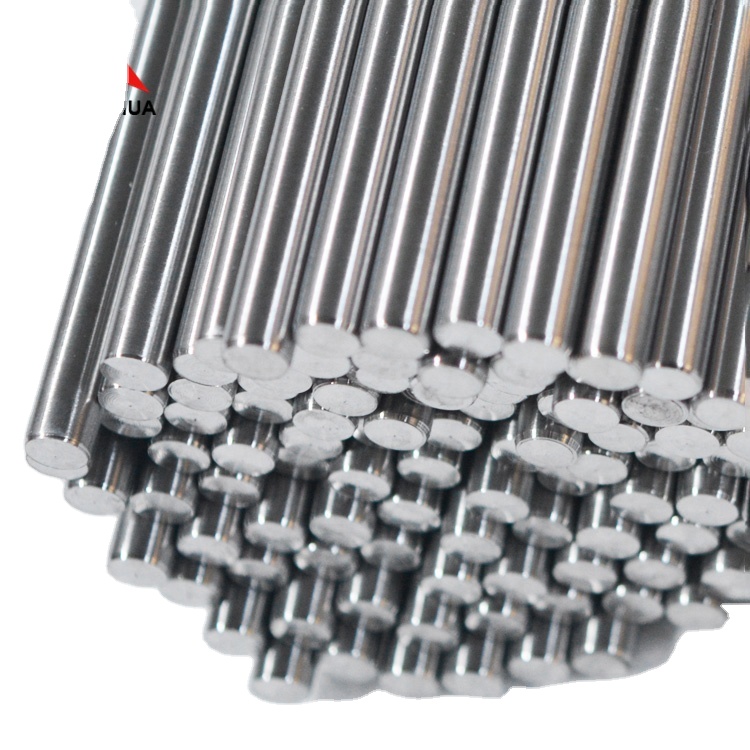
Gr2 Gr5 Titanium Round Bar 25mm/35mm/45mm/65mm Length 1000mm
- Standard: ASTM B348 / AMS 4928
- Tolerance: h8 / h9 Precision Centerless
- Application: Aerospace, Marine Shafts
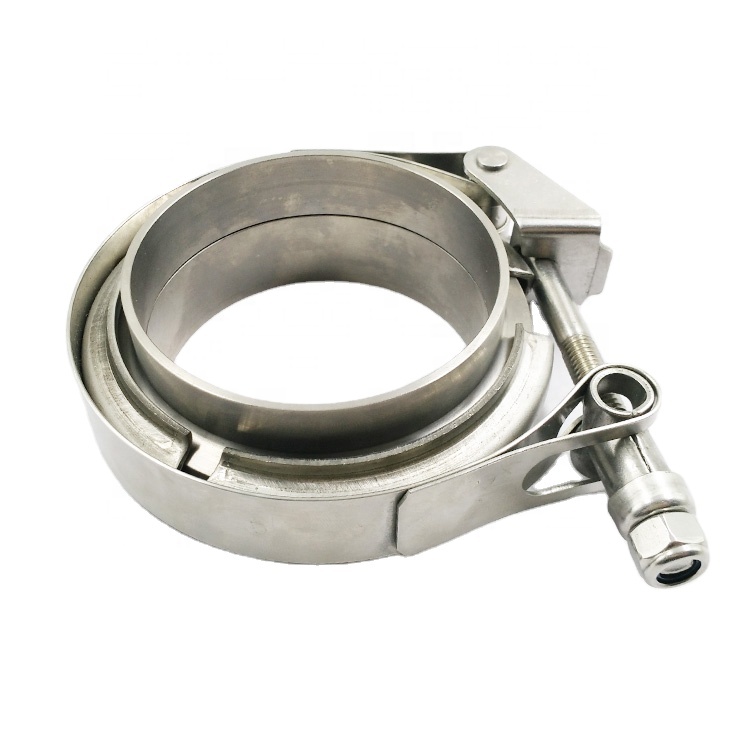
Titanium Gr1 Gr2 2"-5" V Band Clamp With Flanges for Exhaust Systems
- Material: CP Grade 1 / Grade 2
- Sizes: 2.0", 3.0", 3.5", 4.0", 5.0"
- Advantage: Extreme Lightweight & Anti-Seize
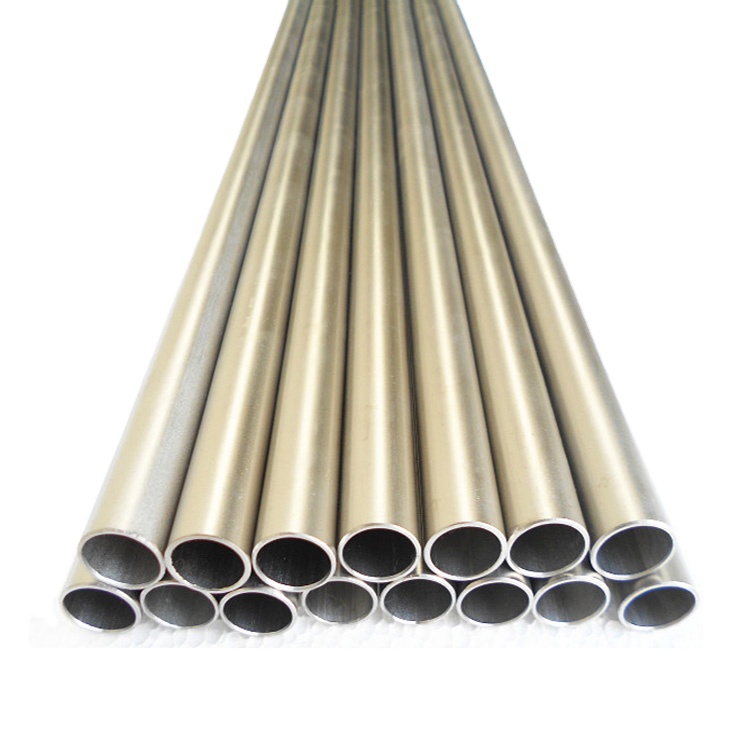
Gr1 GR2 GR5 GR9 Titanium Pipe Tube Exhaust
- Standard: ASTM B338 / ASTM B861
- Wall Thickness: 1.0mm - 1.5mm Ultra-Thin
- Structure: Seamless & Precision TIG Welded
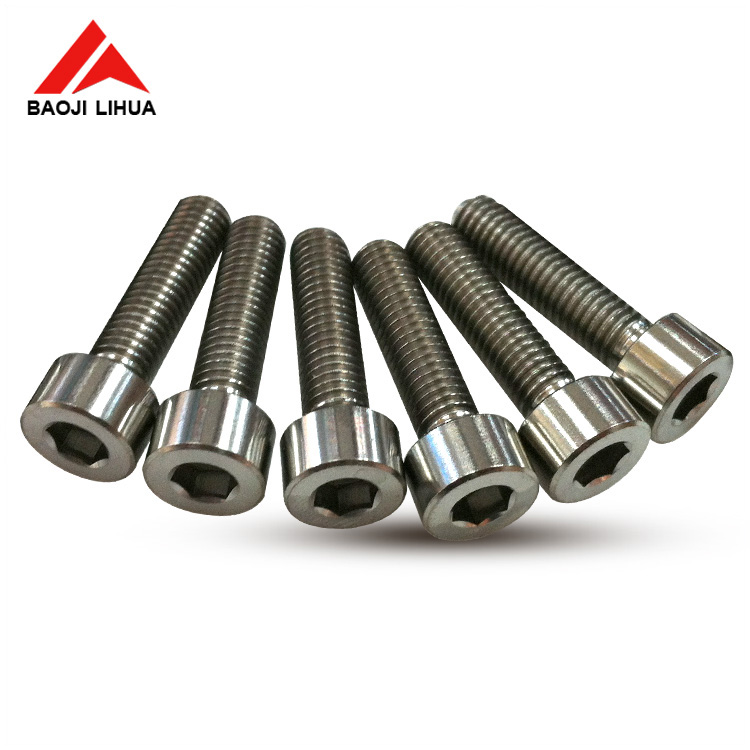
High Quality Gr5 Titanium Bolt M6 M8 M10 DIN912 Screws
- Tensile: ≥ 895 - 1050 MPa Rolled Thread
- Specification: DIN 912 / ISO 4762 Socket Head
- Finish: PVD Burned Blue, Gold, Natural
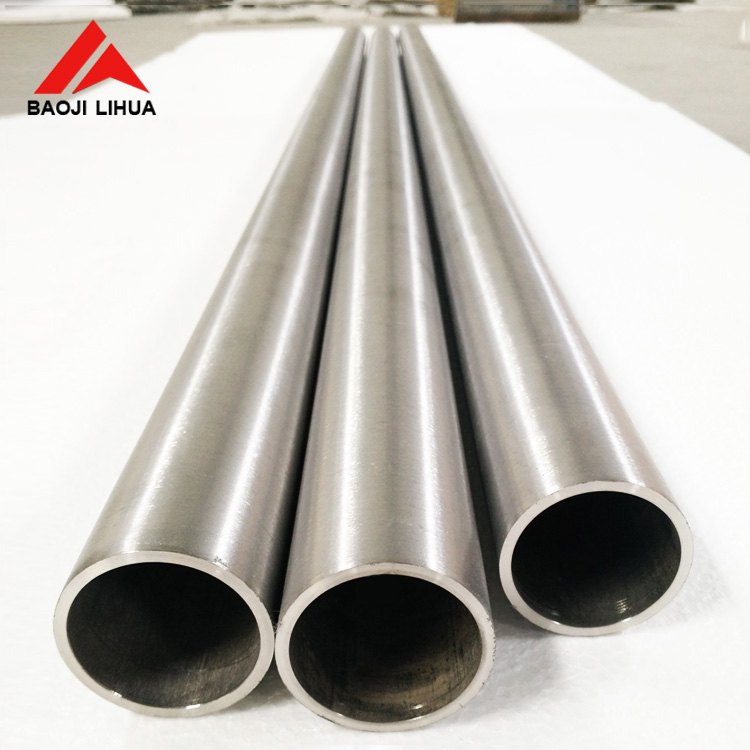
Gr1/2/9 38mm to 102mm Titanium Pipe Tube Exhaust
- Outer Dia: 38 / 51 / 63 / 76 / 89 / 102mm
- Weldability: Clean-Degreased, Purge-Ready
- Usage: Downpipes, Catalytic Bypasses
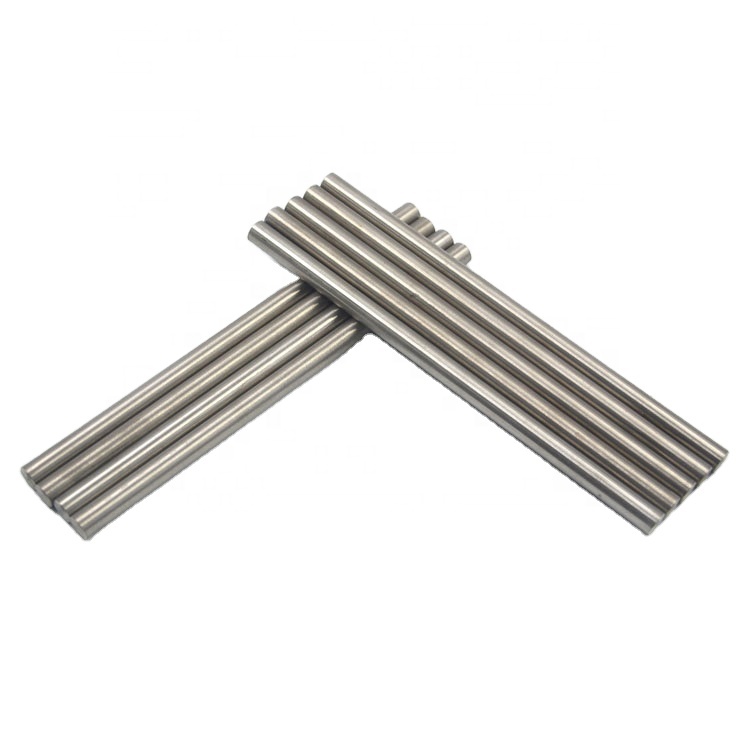
Super Elastic & Shape Memory Nitinol Bar (NiTi Alloy)
- Phase: Austenitic / Martensitic Transition
- Composition: 55.8wt% Ni Balance Ti
- Feature: 8% Recoverable Elastic Strain
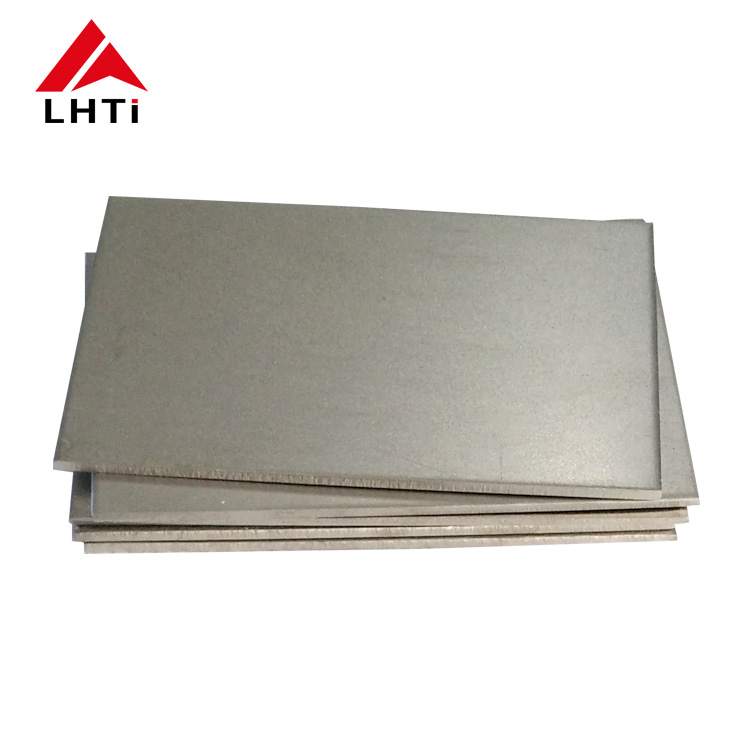
Gr5 Gr2 Titanium Plate Price ASTM B265 Titanium Sheet
- Thickness: 0.5mm - 60mm Hot/Cold Rolled
- Condition: Annealed (M) Sandblasted / Pickled
- Standard: ASTM B265 / ASME SB265
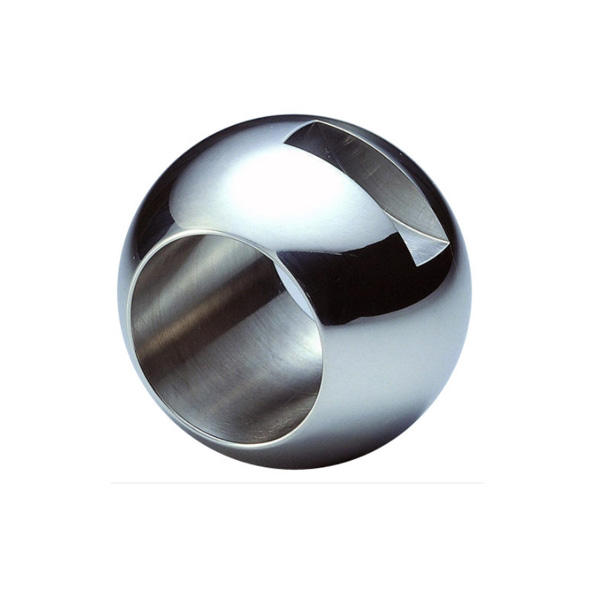
American Standard Titanium High Pressure Ball Valve Core
- Machining: CNC 5-Axis Precision Spherical Grind
- Roughness: Ra ≤ 0.2 µm Mirror Finish
- Corrosion: Chlorine, Nitric Acid, Brine Resistant
Engineering Titanium Alloy Bars: Microstructure, Grade Selection & Standards
In high-stress aerospace components, medical trauma implants, and petrochemical downhole tools, choosing between unalloyed CP-Ti and dual-phase α+β alloys directly dictates tensile performance, elongation, and fracture toughness.
| Alloy Grade | UNS / Norm | Microstructure | Tensile Strength (Min) | Yield Strength (0.2%) | Elongation (%) | Primary Industrial Use-Case |
|---|---|---|---|---|---|---|
| Grade 1 (CP4) | UNS R50250 | α Single Phase | 240 MPa | 170 MPa | ≥ 24% | Deep-drawn marine heat exchangers, plate gaskets, ultra-pure chemical piping |
| Grade 2 (CP3) | UNS R50400 | α Single Phase | 345 MPa | 275 MPa | ≥ 20% | Petrochemical flanges, exhaust mandrel bends, chlor-alkali cell components |
| Grade 5 (Ti-6Al-4V) | UNS R56400 | α + β Dual Phase | 895 MPa | 828 MPa | ≥ 10% | Aerospace fasteners, racing wheel studs, gas turbine blades, downhole drilling bars |
| Grade 7 (Ti-0.15Pd) | UNS R52400 | α + Pd Dispersion | 345 MPa | 275 MPa | ≥ 20% | Crevice corrosion environments, hot concentrated chlorides, acidic chemical autoclaves |
| Grade 9 (Ti-3Al-2.5V) | UNS R56320 | Near α Phase | 620 MPa | 483 MPa | ≥ 15% | High-pressure hydraulic lines, cycling frames, motorsport lightweight suspension linkages |
| Grade 12 (Ti-Mo-Ni) | UNS R53400 | Near α Phase | 483 MPa | 345 MPa | ≥ 18% | Marine valve balls, high-temperature brine condensers, chemical distillation columns |
Emerging Procurement & Technological Trends in Titanium Bars
Strategic analysis for enterprise procurement teams navigating shifting supply chain resilience, additive manufacturing powder atomization feedstock, and ESG carbon mandates.
Additive Manufacturing Feedstock Shift
Global aerospace and orthopedic manufacturing sectors are rapidly transitioning toward titanium bar stock engineered specifically as electrode feedstock for Plasma Atomization (PA) and Electrode Induction Melting Gas Atomization (EIGA). Bars require tight control over gas interstitials (Oxygen < 0.13%, Nitrogen < 0.03%, Hydrogen < 0.0125%) to yield spherical powders for high-integrity LPBF 3D printing.
Supply Chain Decoupling & Baoji Centralization
With macroeconomic restructuring impacting traditional Eurasian titanium sponge pipelines, Western industrial buyers are concentrating volume within Baoji's established supply clusters. Representing over 65% of China's titanium output and 20%+ globally, localized melting (VAR & EBCHM), billet cogging, and ultrasonic testing cut multi-tier logistical lead times by up to 35% compared to fragmented hubs.
Stringent Ultrasonic & Defect Standards
Modern procurement contracts increasingly enforce AMS 2631 Class AA and Class A1 ultrasonic testing protocols over standard industrial Class B. This mitigates sub-surface inclusions such as High-Density Inclusions (HDI) from master alloys and Hard Alpha (low-density) defects, ensuring that CNC turned bars for rotating turbine assemblies or medical hip stems guarantee zero catastrophic fatigue nucleation.
Demand for Near-Net Shape Extrusions
High machining scrap rates (often exceeding 60-70% for complex aviation brackets) drive procurement managers to request cold-drawn and hot-extruded custom cross-section titanium profiles rather than conventional round or rectangular bars. This dramatically lowers CNC machine hours, tool wear costs, and gross material expenditures.
Bio-Compatible & Nickel-Free Innovations
Within surgical devices, traditional Ti-6Al-4V ELI (Grade 23) is gradually being complemented by beta-titanium formulations such as Ti-13Nb-13Zr and Ti-15Mo. These advanced alloys lower the elastic modulus closer to that of human cortical bone (~18-30 GPa vs Ti-6Al-4V's 110 GPa), effectively mitigating stress shielding and bone resorption phenomena.
Closed-Loop Recycled Scrap Certification
European and American aerospace OEMs are implementing verifiable ESG mandates requiring verifiable ratios of clean reverted machine chips and scrap remelted via Vacuum Arc Remelting (VAR) or Electron Beam Cold Hearth Melting (EBCHM). Documented carbon intensity per metric ton of titanium finished bar has become a core KPI in global supplier scorecards.
Why Tier-1 Engineers Source Titanium Bars from Jovzi
Founded in 2006 in Baoji, China's Titanium Valley, Jovzi Titanium Industry Co., Ltd. integrates direct-mill ingot processing, CNC precision machining, and independent metallurgical quality control.
Baoji Epicenter Advantage
Direct supply agreements with Tier-1 sponge producers and local industrial mills ensure authenticated raw materials, competitive base-metal pricing, and uninterrupted supply lines.
Elite Engineering Staff
Our dedicated technical roster includes 4 senior metallurgical engineers and 5 intermediate tooling specialists with over 18 years of precision forging and machining experience.
Independent BaoTi Lab Testing
Every lot is shipped with EN 10204 3.1 inspection certificates. Independent chemical verification, tensile elongation, and micrographic grain size reports by BaoTi Test Center are standard on request.
Flexible Scale & Fast Lead-Time
From 1 kg sample bars to multi-ton container shipments, we bridge prototyping and mass production. Multi-currency settlement (USD, EUR, AUD, HKD) with DDP, CIF, and express options.
Frequently Asked Questions on Titanium Bar Sourcing
Critical metallurgical, testing, and commercial answers for QA inspectors and supply chain managers.
What is the technical difference between ASTM B348 and AMS 4928 specifications?
How do you prevent galling when machining and threading Grade 5 titanium bars?
What documentation is included with an EN 10204 3.1 Mill Test Certificate?
What are your standard dimensional tolerances and surface finish grades?
• Black / Forged: Tolerances within ±1.0mm to ±3.0mm, ideal for subsequent heavy rough forging and machining.
• Peeled / Turned: Tolerances typically h10 to h11 (clean surface free of decarburization/alpha-case).
• Centerless Precision Ground: Tolerances to h8, h7, or h6 with surface roughness Ra ≤ 0.4 µm to Ra ≤ 0.2 µm, ready for Swiss CNC screw machining and surgical device production without pre-processing.
What is your minimum order quantity (MOQ) and sample policy for customized bars?
Initiate Your Titanium Bar Specification Inquiry
Connect directly with Jovzi's technical metallurgical team in Baoji. Send your required grade, standard (ASTM/AMS/ISO), diameter, tolerance, and quantity for guaranteed technical response within 8 hours.