Superelastic
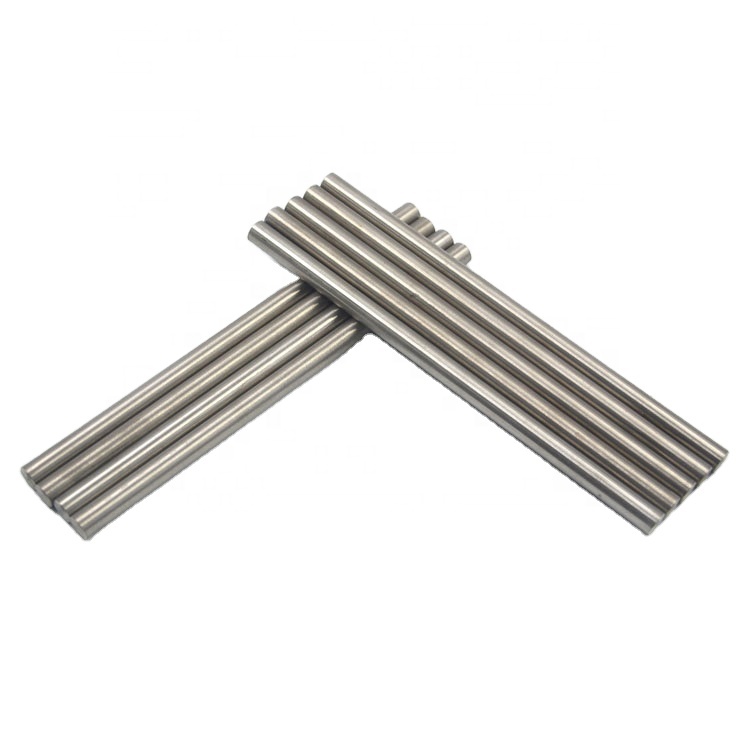
Nickel Titanium Alloy Super Elastic & Nitinol Bar
- Alloy: NiTi / Nitinol 55/45
- Transformation Temp: -10°C to 100°C
- Surface: Black / Polished / Pickled
Explore our core precision-machined bar stock, superelastic memory rods, petrochemical flanges, and high-performance automotive hardware manufactured in Baoji, China.
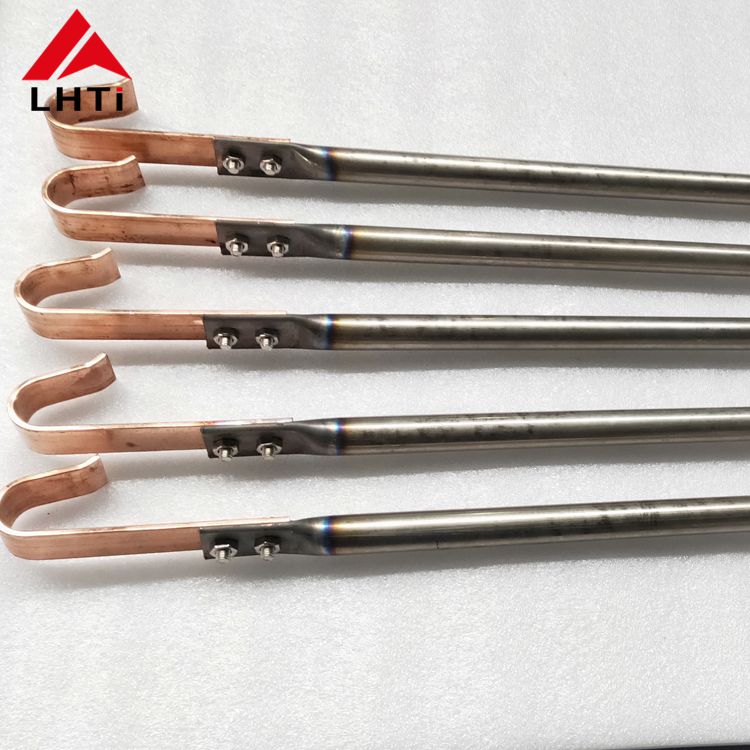
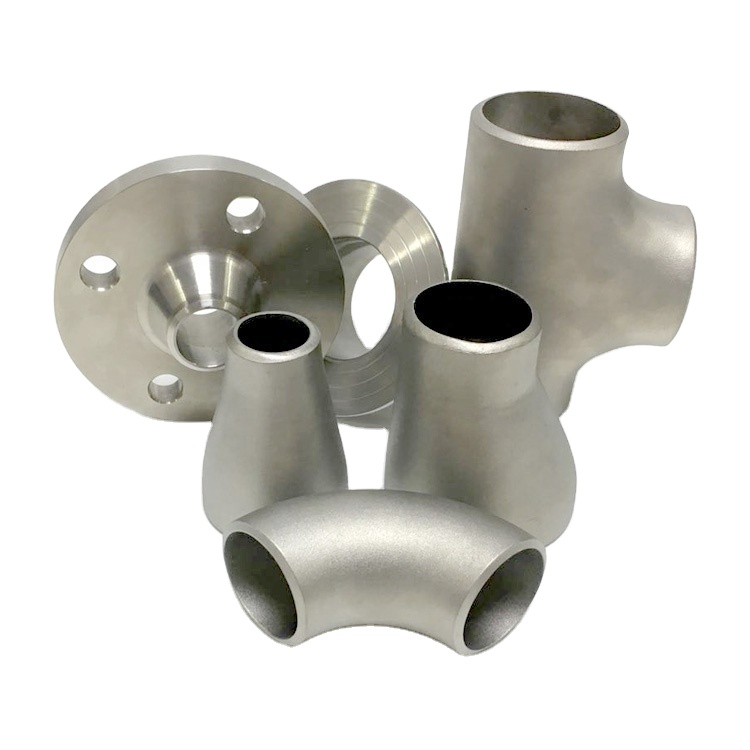
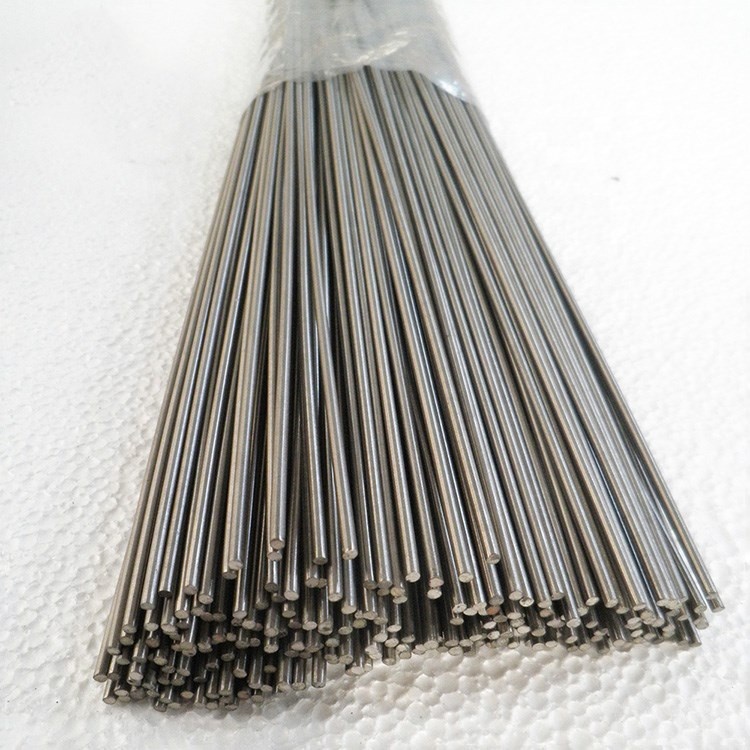
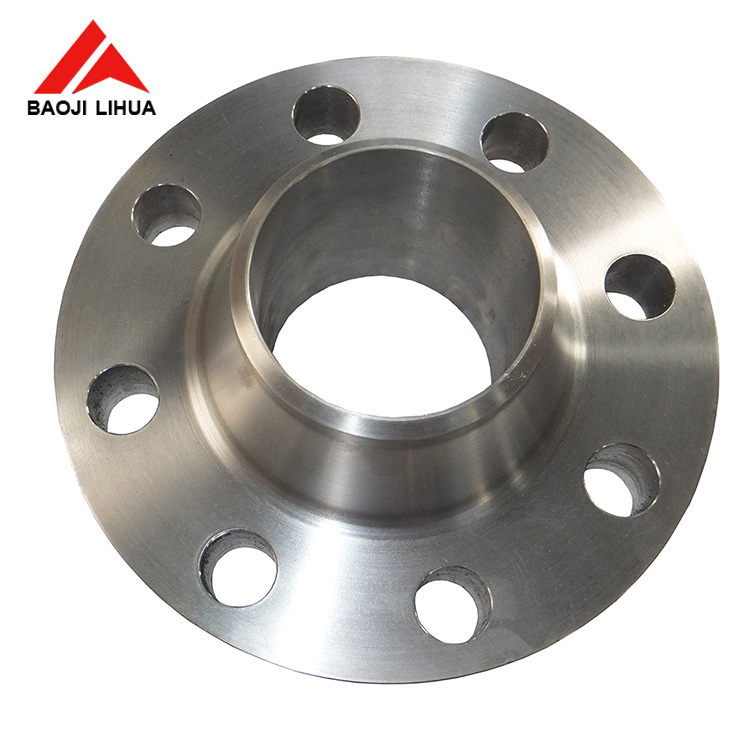
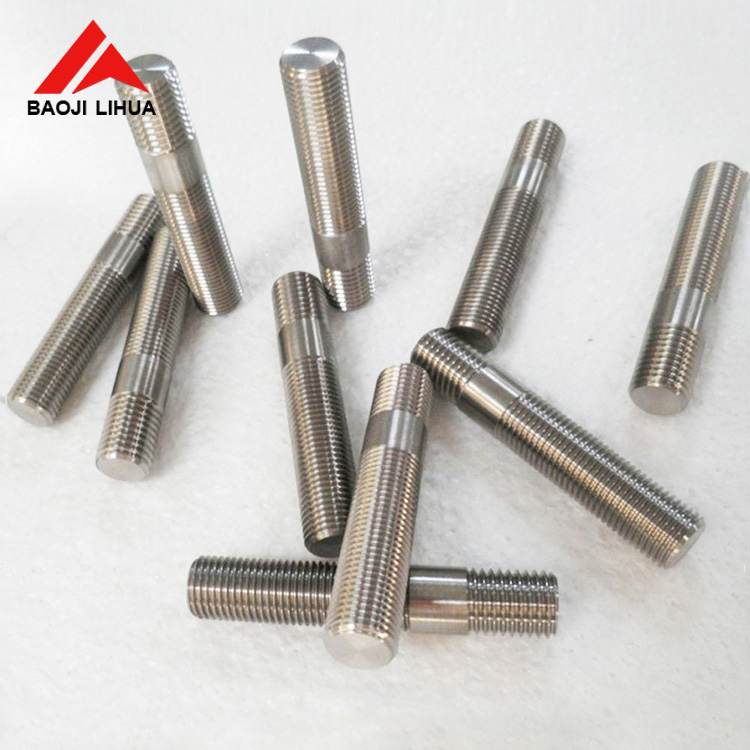
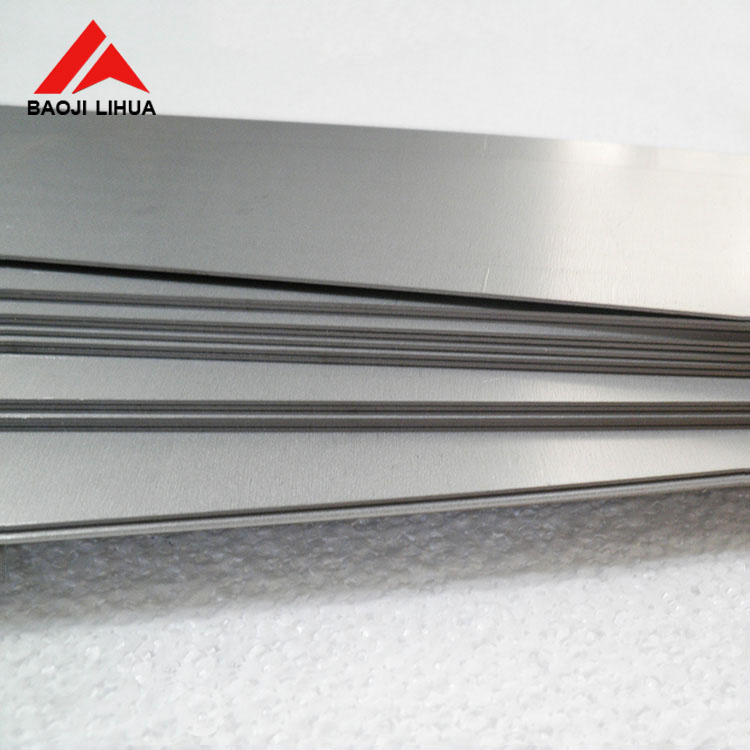
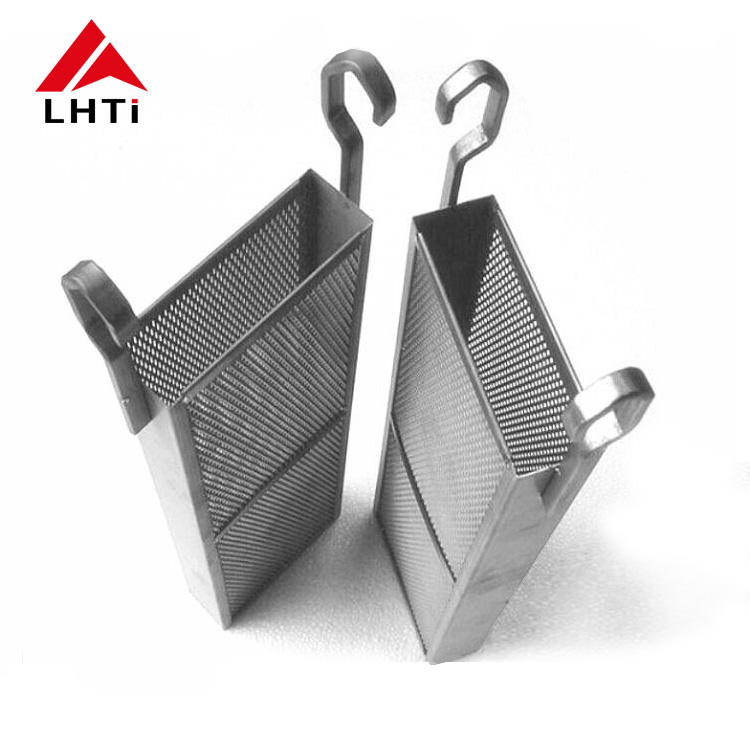
As modern engineering pushes structural components toward extreme operating envelopes, the procurement of titanium round bars has transitioned from a straightforward commodity purchase to a stringent metallurgical compliance process. Titanium bars manufactured in China, particularly within the world-renowned Baoji titanium industrial cluster, supply over 65% of the globe's titanium sponge-to-mill product inventory. However, matching industrial requirements with exact alloy microstructures determines whether a downhole drilling sub, an aerospace fastener, or a chemical reactor shaft meets its calculated fatigue lifecycle.
Industrial titanium round bars are governed primarily by international specifications including ASTM B348 (general engineering, chemical, and industrial bar stock), AMS 4928 / AMS 6931 (aerospace structural forgings and bars requiring vacuum arc remelting), ASTM F136 / F67 (surgical implant grades requiring strict biocompatibility and interstitial purity limits), and ASME SB348 (Boiler and Pressure Vessel Code compliance). Understanding the physical mechanisms across commercially pure (CP) grades and alpha-beta (α-β) dual-phase alloys is essential for global procurement engineers.
"Material integrity begins at the melting crucible. Commercially viable titanium bars must undergo double or triple Vacuum Arc Remelting (VAR) or Electron Beam Cold Hearth Melting (EBCHM) to eradicate High-Density Inclusions (HDI) and Low-Density Inclusions (LDI), preserving rotational fatigue resistance under cyclic multi-axial shear."
Titanium bars vary significantly in grain orientation, cold shear resistance, and fracture toughness based on their alloying elements:
| Alloy Grade | UNS / Standard | Nominal Chemistry | Tensile (min. MPa) | Yield (0.2%, MPa) | Primary Industrial Applications |
|---|---|---|---|---|---|
| Grade 1 | UNS R50250 / ASTM B348 | CP Ti, Low Interstitial O≤0.18% | 240 | 170 | Deep drawn chemical equipment, plate heat exchangers, explosive cladding |
| Grade 2 | UNS R50400 / ASTM B348 | CP Ti, Standard O≤0.25% | 345 | 275 | Petrochemical shafts, marine hardware, anodizing racks, electroplating tanks |
| Grade 5 | UNS R56400 / Ti-6Al-4V | 6% Al, 4% V, Balance Ti | 895 | 828 | Motorsport wheel bolts, aerospace landing gears, CNC precision turbine hubs |
| Grade 5 ELI | UNS R56401 / ASTM F136 | Ti-6Al-4V Extra Low Interstitial | 860 | 790 | Orthopedic surgical implants, cryogenic liquid storage systems, aerospace fittings |
| Grade 7 | UNS R52400 / ASTM B348 | CP Ti + 0.12-0.25% Palladium (Pd) | 345 | 275 | Severe hydrochloric/sulfuric acid autoclaves, sour gas downhole valves |
| Grade 9 | UNS R56320 / Ti-3Al-2.5V | 3% Al, 2.5% V | 620 | 483 | High-pressure hydraulic lines, cycling sports gear, offshore umbilical tubing |
| Grade 12 | UNS R53400 / ASTM B348 | 0.3% Mo, 0.8% Ni, Balance Ti | 483 | 345 | High-temperature brine processing, marine propulsion shafts, nitric acid piping |
Founded in 2006 in Baoji (Shaanxi, China), Jovzi Titanium combines nineteen years of metallurgical forging, high-precision multi-axis CNC machining, and comprehensive international testing infrastructure.
Operating inside Baoji allows Jovzi immediate mill access to prime 0-grade sponge titanium, eliminating multi-tier supply broker markups and ensuring short billet production lead times.
Beyond internal ISO 9001 quality gates, every batch is verified by the nationally accredited BaoTi Test Center, delivering verifiable EN 10204 3.1 Mill Test Certificates with full heat-number traceability.
Staffed by 4 senior and 5 intermediate metallurgical engineers, we perform ultrasonic flaw detection (AMS 2631 Class A/AA) to eliminate internal voids, inclusions, and centerline shrinkage.
Supplying North America, the EU, and Southeast Asia under FOB, CIF, DDP, and door-to-door express terms. Heavy wooden box packaging with internal anti-scratch sleeves shields ground round bar finishes.
Equipped with high-speed precision centerless grinding and peeling units, achieving h7, h8, and h9 dimensional diameter tolerances on bars up to 350mm diameter, guaranteeing runout accuracy under 0.05mm per meter.
For fastener and stud manufacturing, Jovzi employs hot/cold post-heat-treatment thread rolling rather than chip cutting. This continuous grain boundary flow enhances cyclic fatigue threshold by 35% compared to cut threads.
Every hot-forged and solution-treated titanium round bar undergoes chemical pickling and mechanical peeling to strip brittle alpha-case oxygen-enriched surfaces, preventing stress-corrosion micro-cracks under tensile loads.
Procurement leaders are balancing cost competitiveness with ESG compliance, dual-source de-risking, and rapid shifts toward titanium metal-powder conversion for additive manufacturing.
Chinese smelters are actively retrofitting closed-loop Kroll reduction cycles using solar and hydroelectric power in Western China, drastically reducing Scope 1 & Scope 2 carbon footprints per metric ton of titanium sponge to satisfy EU Carbon Border Adjustment Mechanism (CBAM) requirements.
The expansion of Electron Beam Melting (EBM) and Plasma Atomization (PA) for 3D printed aerospace brackets requires ultra-pure Gr5 ELI and Grade 23 round bars as wire and electrode stock. Tight gas porosity standards are transforming titanium bar mills into feedstock providers for aerospace AM systems.
With titanium raw material representing a significant percentage of finished part cost, global aerospace and automotive buyers are moving away from traditional billet hog-outs. Mills offering calibrated pre-cut cylindrical blanks and stepped forged round bars save up to 40% in scrap generation.
Additionally, geopolitical supply realignment has emphasized the unmatched economies of scale found in Chinese titanium supply chains. While European and US OEMs explore secondary ingot melting, the sheer production output of Baoji's titanium mills provides resilient lead times that Western sponge production lines cannot match. Smart international buyers are increasingly utilizing consignment stocking programs, third-party lab inspection protocols (such as SGS, TÜV, and BaoTi), and currency diversification to secure multi-quarter pricing stability against raw mineral volatility.
The global demand for high-strength, low-density materials has driven significant technological innovation in the thermomechanical processing (TMP) of titanium round bars. In historical manufacturing, coarse Widmanstätten microstructures were commonplace in large-diameter billets, often leading to anisotropic mechanical performance and poor ultrasonic penetrability. Modern continuous-monitoring four-quadrant radial forge systems have redefined grain morphology.
Traditional double VAR melting involves high thermal gradients that can inadvertently entrain tungsten electrode particles or under-melt low-density titanium nitride sponges. Chinese industrial mills have increasingly deployed high-power EBCHM furnaces. EBCHM allows molten titanium to dwell within a water-cooled copper hearth where low-density inclusions dissolve and high-density contaminants sink, resulting in exceptionally clean billets specifically suited for ASTM F136 medical and critical rotating jet-engine discs.
Through precise thermomechanical deformation conducted just below the β-transus temperature (typically 995°C ± 10°C for Ti-6Al-4V), followed by rapid water quenching or controlled fan cooling, Jovzi engineers achieve homogeneous equiaxed microstructures with grain sizes consistently meeting ASTM E112 Grade 8 or finer. This structural refinement significantly enhances high-cycle fatigue resistance (>10^7 cycles at 550 MPa) and provides uniform sonic transparency under high-frequency NDT probing.
Beyond standard Gr5 (Ti-6Al-4V), next-generation round bar development emphasizes titanium alloys capable of continuous operation up to 600°C without severe superficial oxidation. Alloys such as Ti-6242 (Ti-6Al-2Sn-4Zr-2Mo-0.1Si) and Ti-10-2-3 (Ti-10V-2Fe-3Al) are being adopted for specialized applications, delivering outstanding fracture toughness and elevated creep strength for compressor disc shafts, offshore riser components, and high-performance racing valve trains.
Ensure structural compliance and eliminate costly machining downtime by verifying critical quality parameters prior to dispatch.
Verify that interstitial elements (H, O, N, C, Fe) are reported per individual heat, with Hydrogen strictly restricted below 0.0125% to prevent embrittlement.
Demand AMS 2631 Class A or ASTM B348 ultrasonic flaw detection with reference standard FBH (Flat Bottom Hole) calibrations to ensure zero internal voids.
Confirm mechanical ground or peeled surface finishes have zero hard oxygen diffusion layers via metallographic cross-section inspection at 100x magnification.
Specify dial-indicator runout tolerances; industrial round bars must guarantee straightness within ≤1.0mm per 1000mm length to avoid high-speed CNC spindle vibration.
Validate both longitudinal and transverse test bars for tensile strength, 0.2% proof yield, elongation (≥10% for Gr5), and reduction of area (≥25%).
Every bar must feature laser etched or steel die stamped heat numbers, alloy designations, and mill logos matched directly to the verified EN 10204 3.1 MTC.
Direct, technically detailed answers covering lead times, machining parameters, minimum order quantities, and international logistics.
Whether you need certified ASTM B348 Grade 2 rods for chemical towers, high-fatigue AMS 4928 Ti-6Al-4V round bars, or custom machined titanium auto studs, our Baoji factory team provides quotes within 8 working hours.