Fastener Line
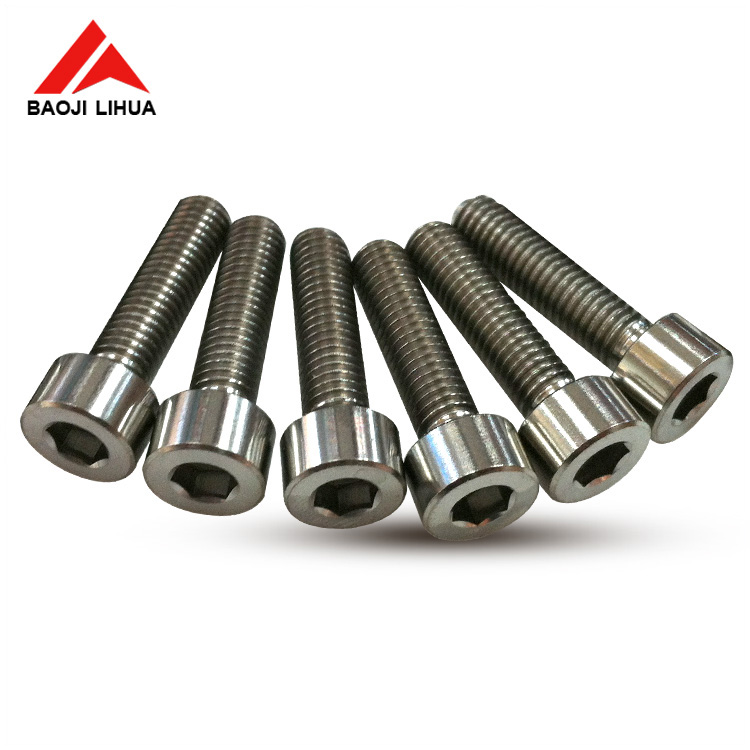
Direct sourcing from China's primary metallurgical hub. Each stock lot is fully serialized with EN 10204 3.1 certification, tight dimensional tolerances, and multi-axis ultrasonic testing.
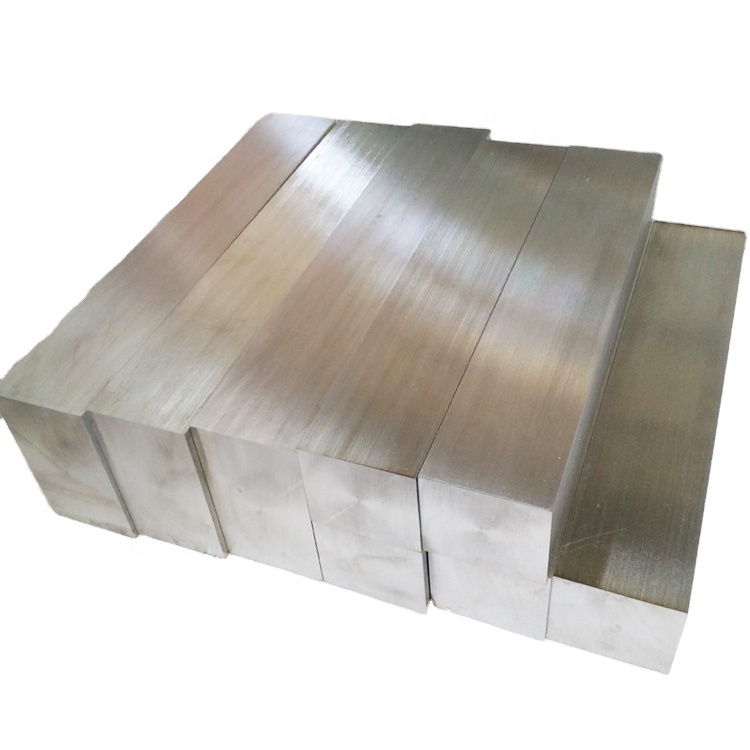
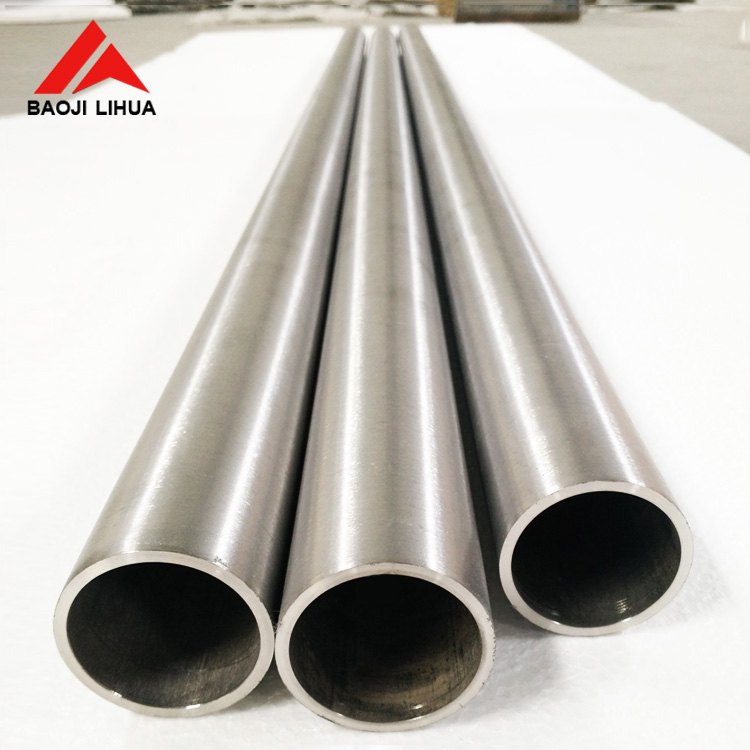
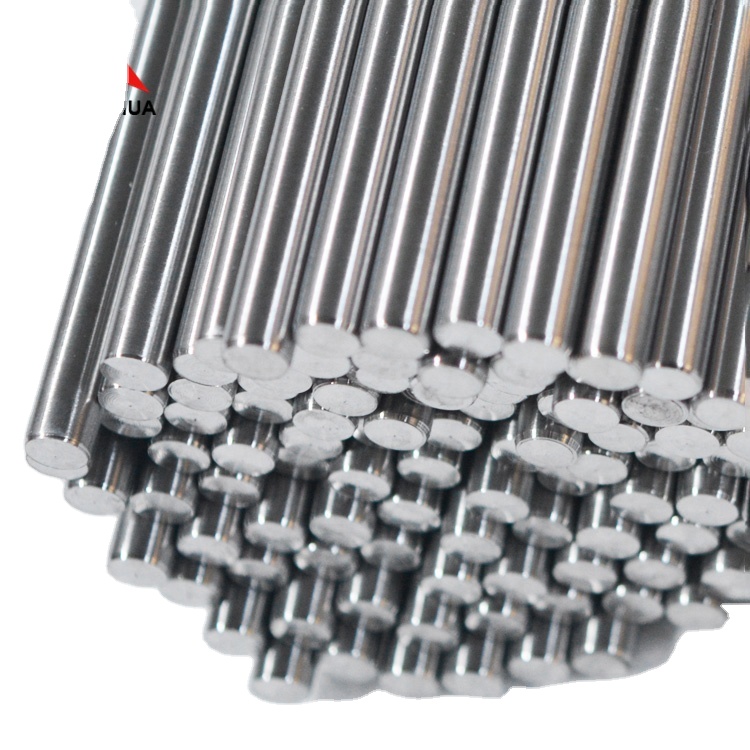
As international aerospace programs, high-temperature chemical processors, and marine engineering contractors demand elevated strength-to-weight ratios and immunity to chloride stress corrosion cracking, the sourcing of certified titanium square bars from Baoji, Shaanxi has become the standard procurement benchmark. Jovzi Titanium Industry Co., Ltd. operates at the direct center of this ecosystem, leveraging primary vacuum consumable arc melting (VAR) and electron beam cold hearth melting (EBCHM) ingot sources.
Unlike common rolled steels, manufacturing high-integrity titanium square bars requires meticulous control over interstitial chemistry (Oxygen, Nitrogen, Hydrogen, and Carbon), grain boundary refinement during open-die hydraulic forging, and precise thermo-mechanical processing near the β-transus temperature (approx. 995°C for Ti-6Al-4V). The resulting microstructural homogeneity ensures isotropic mechanical properties across longitudinal (L), long transverse (LT), and short transverse (ST) orientations, avoiding internal voids or localized shear bands.
Comparative technical metrics governed by ASTM B348, AMS 4928, and ISO 5832 specifications for industrial machining blanks.
| Titanium Grade | UNS / Classification | Density (g/cm³) | Yield Strength 0.2% (MPa) | Tensile Strength (MPa) | Elongation (%) | Key Industrial Usage |
|---|---|---|---|---|---|---|
| Grade 1 (CP4) | UNS R50250 / Alpha | 4.51 | ≥ 170 | ≥ 240 | ≥ 24 | Maximum deep-draw ductility, chemical plate frames, subsea enclosures |
| Grade 2 (CP3) | UNS R50400 / Alpha | 4.51 | ≥ 275 | ≥ 345 | ≥ 20 | Chemical heat exchangers, marine hardware, electroplating anode stems |
| Grade 5 (Ti-6Al-4V) | UNS R56400 / Alpha-Beta | 4.43 | ≥ 828 | ≥ 895 | ≥ 10 | Aerospace structural brackets, motorsport hubs, oilfield downhole mandrels |
| Grade 7 (Ti-0.15Pd) | UNS R52400 / Alpha + Pd | 4.51 | ≥ 275 | ≥ 345 | ≥ 20 | Immunity to boiling chlorides, wet chlorine, severe reducing acid media |
| Grade 9 (Ti-3Al-2.5V) | UNS R56320 / Near Alpha | 4.48 | ≥ 483 | ≥ 620 | ≥ 15 | Hydraulic pressure systems, lightweight bike frames, aircraft sub-systems |
| Grade 12 (Ti-Mo-Ni) | UNS R53400 / Near Alpha | 4.51 | ≥ 345 | ≥ 483 | ≥ 18 | Crevice corrosion prevention in hot brine, mineral processing autoclaves |
The manufacturing paradigms for titanium square bars are experiencing generational upgrades driven by digital process control, clean metallurgy, and near-net-shape processing.
Replacing traditional hydraulic drop presses with computer-synchronized GFM radial forging machines. High-frequency radial blows refine the core dendritic structures into ultra-fine equiaxed grain sizes (< ASTM 8), eliminating central porosity in heavy square cross-sections.
Deploying liquid nitrogen (LN2) cooling during the square bar squaring and perimeter milling phases. Liquid carbon dioxide and LN2 lower the cutting zone temperature below 150°C, suppressing work hardening, preventing tool galling, and providing pristine optical-grade Ra 0.4μm finishes.
Integration of computer-modeled warm-rolling profiles minimizing scrap buy-to-fly ratios. Instead of rough-forging an oversized rectangular slab, automated calibration lines roll exact sharp-radius square geometries with corner radiuses controlled within ≤ 0.5 mm.
Modern non-destructive evaluation (NDE) uses phased-array ultrasonic testing (PAUT) immersed in demineralized water. Sound paths map 100% of internal volume in square bars, resolving synthetic flaws down to 0.4mm flat-bottomed holes in accordance with AMS 2154 Class AA.
Procuring titanium square bars is evolving from basic spot-commodity purchasing into strategic, long-horizon supply-chain integration.
Global engineering OEMs in Germany, Japan, and the United States no longer accept handwritten or unverified mill certificates. Procurement now requires cryptographically verifiable EN 10204 3.1 test records linking each square bar billet back to the original sponge batch, sponge melting furnace logs, vacuum heat treatment runs, and spectrometer gas extraction logs (LECO H/O/N).
Bypassing intermediary export brokers in favor of established Baoji mill facilities. Direct collaboration with factories like Jovzi Titanium reduces supply chain markups by 15-28%, eliminates counterfeit re-marking risks, and provides rapid engineering turnaround for custom dimensional profiles (e.g. 10x10mm up to 250x250mm).
Strict ESG commitments are pushing Tier-1 defense and automotive contractors to require verifiable low-carbon footprints in titanium smelting. China's shift toward high-capacity EBCHM furnaces allows clean recycling of virgin revert solid scrap without introducing tungsten inclusions, dramatically reducing embodied CO2 per metric ton of square bar.
How Jovzi ensures zero-defect delivery across every production batch of ASTM B348 titanium bars.
Zero-grade and 1-grade virgin sponge titanium tested for interstitial purity.
Electrode pressing followed by vacuum arc remelting for complete alloy homogenization.
Multi-step cogging and squaring on hydraulic presses to shatter grain boundaries.
Precision planing, centerless grinding, or pickling to achieve sharp square radii.
BaoTi Test Center mechanical, ultrasonic, and chemical verification before export.
Direct technical answers addressing machining, testing, standards compliance, and international logistics.
Dimensional tolerances depend on the final finishing method. For hot-forged and sandblasted square bars (common for subsequent forging or heavy milling), tolerances conform to ASTM B348 Table 3, typically ±0.8 mm to ±2.0 mm depending on cross-section width. For precision cold-drawn or milled square stock, Jovzi supplies tight tolerances conforming to ISO h9, h10, or h11, maintaining perpendicularity within 0.1 mm per 100 mm and straightness ≤ 1 mm per linear meter.
Grade 5 is an alpha-beta alloy heat-treatable to tensile strengths exceeding 895-1000 MPa, with a high strength-to-weight ratio ideal for aerospace fixtures, racing suspension uprights, and dynamic parts. Grade 2 is commercially pure titanium offering moderate strength (tensile ≥ 345 MPa) but substantially superior weldability, superior cold forming ductility, and total immunity to general pitting in oxidizing acidic or salt solutions, making it preferred for chemical anode racks and heat exchanger tube sheets.
Every industrial shipment is accompanied by an EN 10204 3.1 inspection certificate stating exact heat number, chemical spectrographic analysis (O, N, H, C, Fe, Al, V), tensile strength, yield strength, elongation, and reduction of area. On request, Jovzi provides ultrasonic test reports conforming to AMS 2154 Class A or Class AA, dye penetrant surface inspection reports, and microstructural metallography micrographs validated by the third-party National Center for Quality Supervision & Testing of Titanium (BaoTi Test Center).
Yes. Equipped with high-speed automated CNC sawing machines, waterjet cutting systems, and high-precision wire-EDM slicing, we supply cut square blocks, sliced blanks, and bevel-edged titanium billets tailored to your exact drawings. Supplying near-net pieces saves international clients substantial air/ocean freight costs and reduces machining cycle times on your local 5-axis machining equipment.
For standard warehouse stock sizes (12×12mm, 20×20mm, 25×25mm, 50×50mm in Gr2 and Gr5), the Minimum Order Quantity is as low as 1 kg or single prototype pieces, shipping within 3 to 5 business days. Custom forged runs typically require 100 kg to 500 kg MOQ with a 15 to 25-day production cycle. Jovzi supports FOB China ports, CIF, CFR, EXW, and seamless Door-to-Door DDP (Delivered Duty Paid) via FedEx, DHL, or ocean freight with full customs clearance.