Flange Assembly
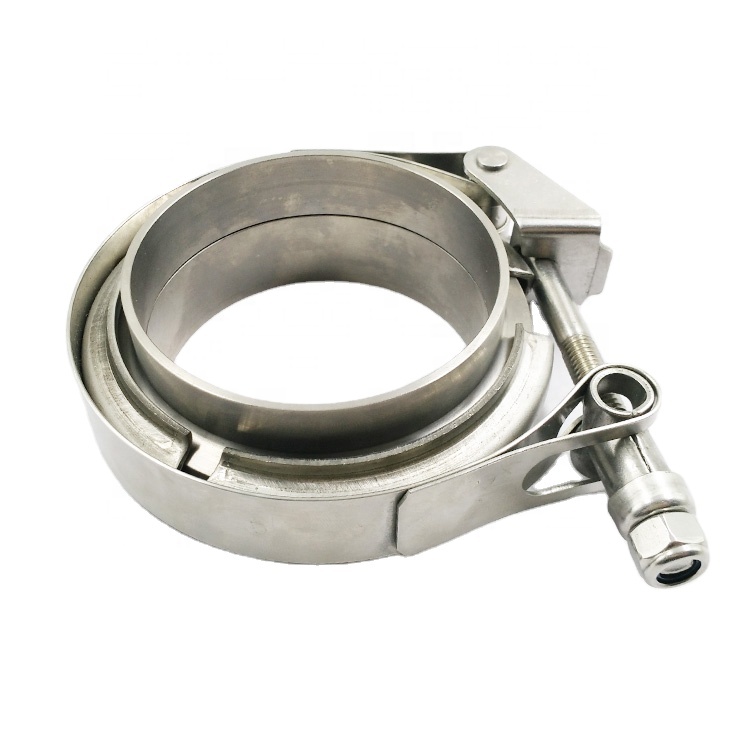
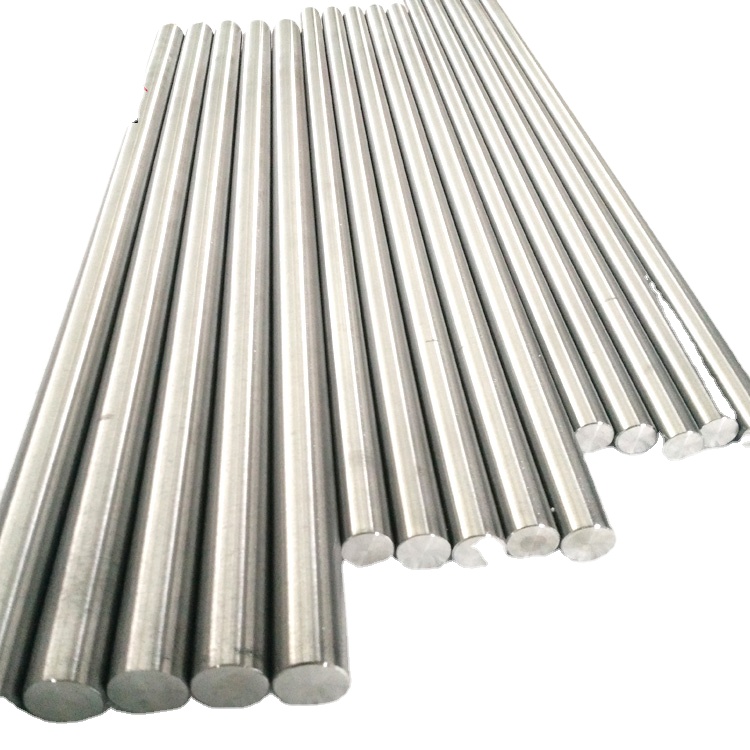
Direct supply from Jovzi Titanium: fully traceable mill products, welded and forged pressure flanges, plating fixtures, and CNC core components.

A comprehensive metallurgical breakdown for piping designers, engineering contractors (EPC), and mechanical procurement managers across Northern Slovakia.
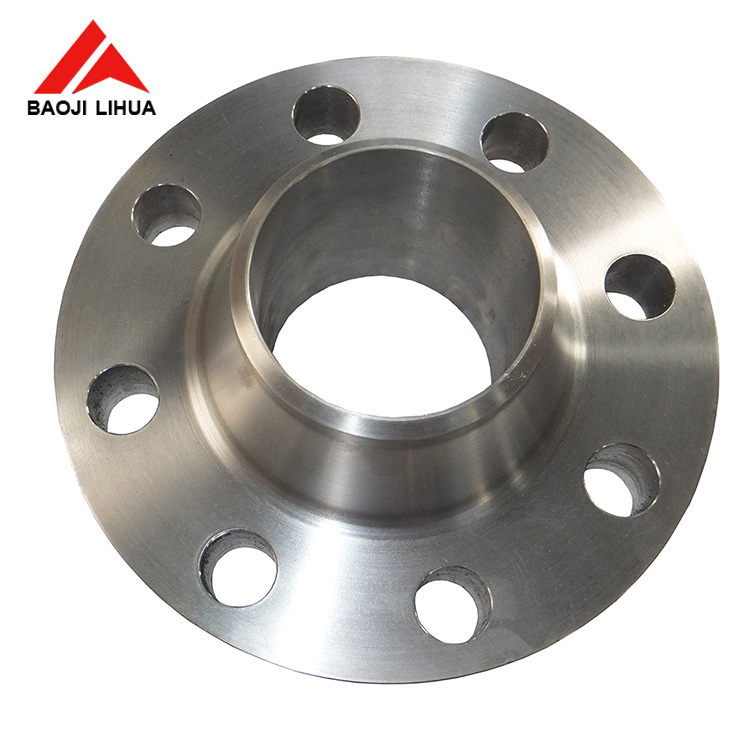
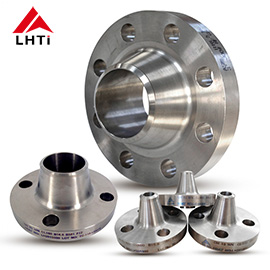
In modern high-pressure piping design, the Weld Neck (WN) flange—designated under European standard EN 1092-1 Type 11 and American standard ASME B16.5—stands as the definitive benchmark for critical containment applications. Unlike flat slip-on (Type 01) or lap-joint assemblies (Type 02/04 with stub ends), the weld neck geometry features a tapered hub transitioning smoothly from the flange ring thickness to the pipe wall thickness. This geometric transition diminishes stress concentrations at the base of the flange hub, transferring radial and axial pipeline stresses directly into the adjoining pipe. When pressurized systems handle corrosive chlorides, wet chlorine gas, acidic condensates, or severe thermal cyclical loadings, pure titanium and specialized titanium alloys eliminate the recurring failures typical of austenitic stainless steels (such as AISI 304 or 316L) and nickel alloys.
As an established forging manufacturer and exporter situated in Baoji—the globally recognized Titanium Valley of China—Jovzi Titanium Industry Co., Ltd. produces weld neck flanges strictly following closed-die forging and ring-rolling procedures. By starting exclusively with vacuum-arc remelted (VAR) ingots rather than cut plate discs, our forged flanges possess contiguous circumferential grain flow lines. This eliminates lamellar tearing risks along the weld bevel, guarantees ultrasonic integrity to ASTM A388 / EN 10228 standards, and ensures weld preparation bevels match exact schedule dimensions (Sch 10S, Sch 40S, Sch 80S, or metric DIN wall profiles) for clean automated orbital or manual TIG argon-purged butt welding.
| Standard Grade | UNS / W.Nr. | Min Tensile (MPa) | Min Yield 0.2% (MPa) | Corrosion Resistance Spectrum | Critical Application in Žilina Industrial Sector |
|---|---|---|---|---|---|
| ASTM B381 F1 | R50250 / 3.7025 | 240 | 170 | High ductility, oxidising acids, nitric acid | Low-stress chemical transfer, fine chemical dosing units |
| ASTM B381 F2 | R50400 / 3.7035 | 345 | 275 | Balanced resistance, neutral/oxidising chlorides | Pulp & paper chlorine bleaching stages, municipal heat networks |
| ASTM B381 F5 | R56400 / 3.7165 | 895 | 828 | High strength, sea atmospheres, mechanical fatigue | High-pressure hydraulic flanges, prototype automotive testbeds |
| ASTM B381 F7 | R52400 / 3.7235 | 345 | 275 | 0.15% Palladium; resistance against reducing acids & crevice SCC | Acid recovery autoclaves, hydrochloric pickling fluid lines |
| ASTM B381 F12 | R53400 / 3.7105 | 483 | 345 | 0.3% Mo + 0.8% Ni; enhanced crevice resistance >75°C | Geothermal exchangers, elevated temperature brine headers |
A critical consideration for engineering teams in the Žilina region is matching flange face finishes to prevailing gasket technologies. Jovzi Titanium CNC-machines raised face (RF), flat face (FF), and ring-type joint (RTJ) mating surfaces with serrated concentric or spiral grooves between Ra 3.2 μm and 6.3 μm (125–250 AARH) in full accordance with ASME B16.5 Section 6.4.5 and EN 1092-1 Type B1. When mating with PTFE, expanded graphite with titanium cores, or chloroprene elastomers, this precise phonographic groove profile prevents gasket blowout under extreme pressures up to Class 1500 or PN 100.
Custom-engineered titanium weld neck assemblies designed to solve distinct operational challenges across the Váh river basin.
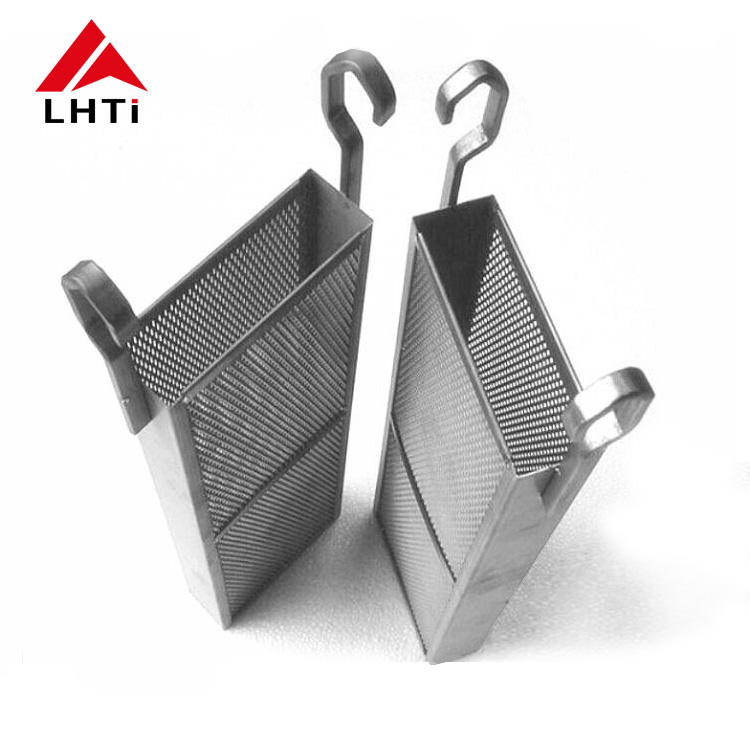
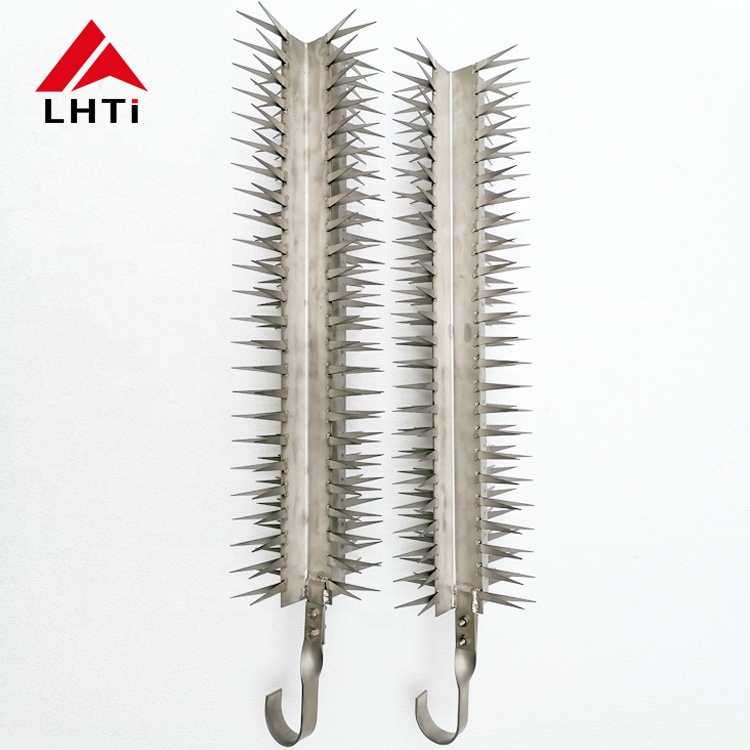
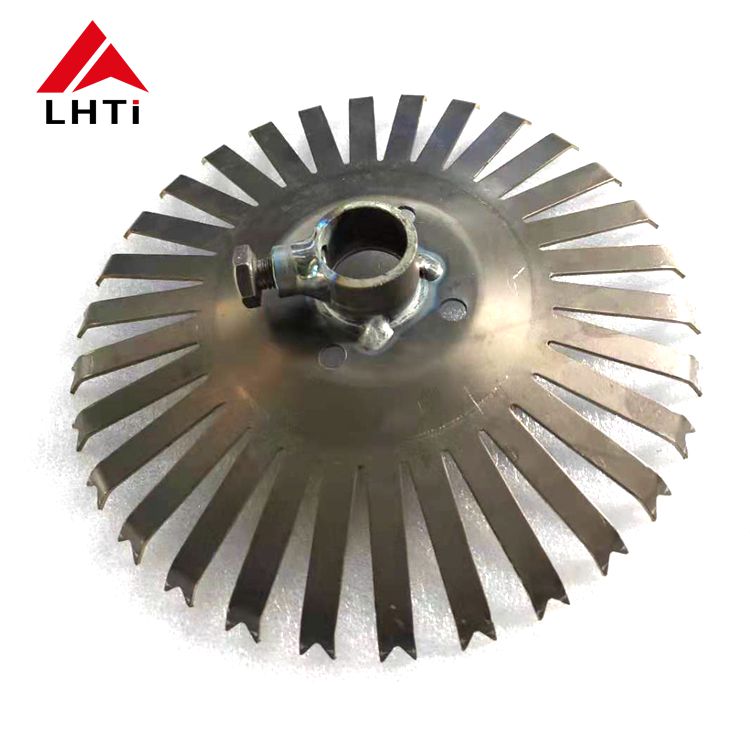
The Žilina automotive manufacturing cluster (anchored by Kia Slovakia and Tier-1 drivetrain and chassis parts makers) relies on electrocoating (KTL/cataphoretic painting), pickling, and anodizing baths. Titanium weld neck flanges and interconnecting Grade 2 pipe loops handle phosphoric acid pre-treatments, nickel-containing rinses, and deionized water baths where stainless steels suffer pitting corrosion. Jovzi provides matched packages including Gr2 titanium anode baskets, customized anodizing racks, and ASME weld neck flanges for bath heat exchange coils.
Situated in the neighboring Ružomberok and Upper Váh industrial corridor, large-scale wood pulp and packaging producers operate multi-stage chlorine dioxide (ClO₂), ozone, and hydrogen peroxide bleaching plants. In these environments, residual moist chlorine vapor and acidic bleaching liquors trigger swift transgranular stress corrosion in standard stainless steels. CE-certified ASTM B381 F2 and F7 titanium weld neck flanges provide an impervious passive oxide film (TiO₂), sustaining uninterrupted 24/7 continuous digester operations without maintenance downtime.
The Žilina regional energy matrix is accelerating the decarbonization of urban heating networks through industrial heat recovery and low-enthalpy geothermal tapping. The aggressive mineralized waters of the Western Carpathian geothermal formations feature elevated chloride, bicarbonate, and sulfide ion concentrations. Titanium weld neck flanges eliminate crevice corrosion at gasket junctions, delivering 30+ year lifecycle resilience in primary plate heat exchangers and boiler feed manifolds.
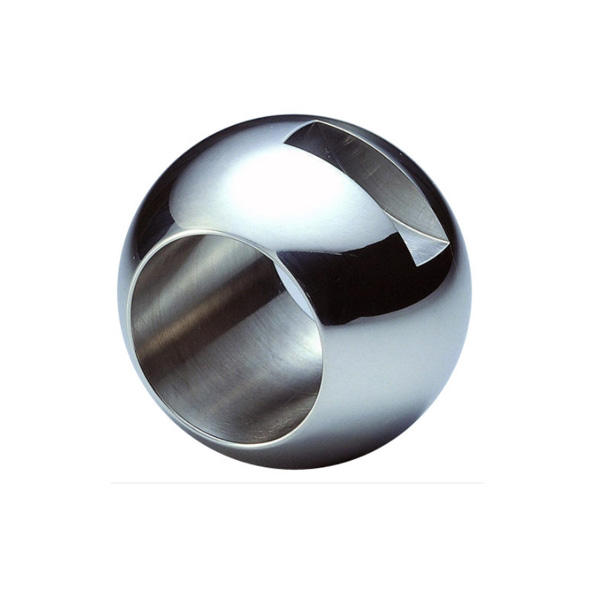
Proximity to chemical synthesizing sites across northwestern Slovakia demands robust flow containment for halogenated solvents, acetic acid blends, and organic catalyst loops. Jovzi supplies ASME Class 300 and Class 600 weld neck flanges and hollow ball valve accessories fabricated from titanium Grade 12 (Ti-0.3Mo-0.8Ni) to prevent localized crevice attack beneath flange gaskets at temperatures exceeding 100°C.
Heavy mechanical enterprises in Žilina, Martin, and Považská Bystrica must conform to stringent EU water discharge and emissions directives. Flue gas desulfurization (FGD) scrubbers and electroplating wastewater recycling facilities handle concentrated brine sludges, sulfuric condensates, and caustic soda. Titanium weld neck flanged connections maintain absolute helium leak tightness, protecting municipal water tables and surrounding flora.
With Slovakia's national hydrogen strategy fostering zero-emission transportation and industrial synthesis test sites in Žilina, high-purity Grade 1 and Grade 2 titanium weld neck flanges are critical components for Proton Exchange Membrane (PEM) electrolyzer manifolds. Titanium's inert surface chemistry prevents catalyst poisoning and handles deionized water feeds without heavy metal contamination.
Across the Žilina manufacturing basin, corporate procurement teams have shifted from legacy short-term purchasing criteria toward rigorous Life Cycle Cost (LCC) and Total Cost of Ownership (TCO) models. Historically, facilities opted for 316L stainless steel or duplex 2205 due to nominal raw material acquisition advantages. However, industrial audit data across Slovak pulp mills and electroplating facilities show that in hot chloride media (>60°C, Cl⁻ > 1,000 ppm), duplex stainless steel flanges experience localized crevice initiation under standard non-metallic gaskets within 18 to 36 months, demanding emergency plant shutdowns, unbudgeted scaffolding, and welding repairs.
By specifying CE-certified Titanium Weld Neck Flanges (ASTM B381 F2 / F7 or EN 1092-1 Type 11 Gr2), engineering teams achieve fit-and-forget operational permanence. Titanium's nearly instantaneous repassivation rate—forming an impervious, self-healing rutile-anatase TiO₂ barrier in oxidising or aqueous conditions—eliminates uniform wall thinning and pitting. Furthermore, with titanium's density (4.51 g/cm³) standing at roughly 56% that of stainless steel or nickel-based superalloys, the mechanical static dead-weight on pipe support racks and modular skid architectures is sliced almost in half. This dynamic is especially valuable for modular skid builders based in Žilina exporting turnkey systems across the European Union.
Headquartered in the Gaoya Industrial Zone, Bayu Town, High-Tech Development Zone of Baoji, Jovzi Titanium Industry Co., Ltd. has spent nearly two decades mastering the precision forging, extrusion, and CNC machining of non-ferrous refractory alloys. Backed by 4 senior metallurgical engineers and 5 intermediate tooling specialists, our operations transform certified aerospace-grade sponge titanium into mission-critical piping equipment.
Tolerances held within ±0.12 mm on welding bevel preps (37.5° and compound J-bevels), ensuring exact automated welding match to schedule pipe.
100% volumetric ultrasonic examination and liquid dye penetrant testing (PT) to verify absolute freedom from subsurface voids, inclusions, or forged seams.
Full mechanical alphanumeric dot-peen marking on the flange rim showing manufacturer brand, heat number, material grade, pressure rating, and nominal pipe size.
Custom bore reductions, high-pressure lens rings, counterbored weld necks, and custom stub end / loose backing flange assemblies to customer DWG/STEP drawings.
Practical commercial, regulatory, and metallurgical insights for supply chain managers, QA auditors, and technical project directors.
Yes. For pressurized industrial equipment installed in Slovakia and throughout the European Union, compliance with PED 2014/68/EU is a mandatory legal prerequisite. Jovzi Titanium produces weld neck flanges in strict alignment with EN 1092-1 Type 11 and ASME B16.5 standards. Materials are forged from certified stock accompanied by an EN 10204 3.1 inspection certificate affirming chemical composition, room temperature mechanical tensile/yield tests, and impact tests when applicable. Furthermore, independent verification reports issued by the accredited BaoTi Test Center or recognized third-party inspection agencies (such as TUV, SGS, or Bureau Veritas) can be coordinated upon purchase order confirmation.
Grade 2 (UNS R50400 / 3.7035) is the industrial workhorse: commercially pure titanium offering an exceptional balance of mechanical strength (minimum tensile strength 345 MPa), high ductility, and superior resistance in oxidising environments, nitric acid, neutral brines, and moist chlorine. However, in hot, un-aerated hydrochloric acid, sulfuric acid solutions, or tight flange crevice areas where oxygen depletion occurs, Grade 2 can undergo localized depassivation. Titanium Grade 7 (UNS R52400 / 3.7235) contains an addition of 0.12% to 0.25% palladium. The palladium acts as an active cathode depolarizer, shifting the electrochemical potential of the metal into the stable passive region. This confers extraordinary resistance to crevice corrosion and reducing acids at temperatures up to 250°C, making Grade 7 the premier material for severe acid recovery and chemical reactors in Upper Váh industrial complexes.
Titanium exhibits an extreme chemical affinity for interstitial gases (oxygen, nitrogen, and hydrogen) at temperatures exceeding 400°C, which causes embrittlement in the heat-affected zone (HAZ). Welding a titanium weld neck flange to titanium piping requires Gas Tungsten Arc Welding (GTAW / TIG) utilizing high-purity argon shielding (minimum 99.995% purity, dew point below -50°C). Crucially, fabricators must maintain a three-tier gas protection setup: primary torch shield with gas lens, trailing secondary shield for the cooling weld crown, and an internal pipe backing purge until the root and HAZ drop below 350°C. The resulting weld color should be silvery or light straw. Blue, gray, or white powdery deposits indicate atmospheric contamination, requiring excavation and re-welding.
For standard ANSI B16.5 Class 150/300 weld neck flanges and EN 1092-1 Type 11 flanges in common sizes (DN15 to DN200 / 1/2" to 8") in Grade 2, forged blanks are maintained in warehouse inventory, allowing final CNC face profiling and dispatch within 7 to 12 working days. Custom forgings, large diameters up to 1000 mm, or Grade 7/Grade 12 runs typically require 3 to 4 weeks production. Shipments to Žilina are routed via expedited air cargo to Vienna International (VIE) or Bratislava Airport (BTS) with 4–6 days transit time, or via maritime container lines to the ports of Koper, Hamburg, or Gdańsk followed by direct rail/truck drayage into the Žilina freight hub (transit 28–35 days). We handle full customs export documentation including commercial invoices, packing lists with net/gross weights, EUR.1 / Certificate of Origin, and MTC 3.1 packages.
Yes. Beyond standard ASME B16.5 and EN 1092-1 schedules, we routinely manufacture bespoke weld neck flanges with non-standard neck tapers, high-pressure lens ring seals, RTJ ring grooves to ASME B16.20, heavy counterbores for non-destructive inspection access, or integrated instrument probe ports. Engineering buyers in Žilina can submit 2D PDF drawings or 3D CAD models (STEP, IGES, DWG) directly to our engineering desk for immediate manufacturability reviews and dimensional quotation.