High-Integrity Titanium Bolting & Machined Components
Engineered in the epicenter of China's Titanium Valley, Jovzi Titanium provides certified forged raw materials, high-strength industrial fasteners, and pressure-piping interfaces fully compliant with international industrial standards.
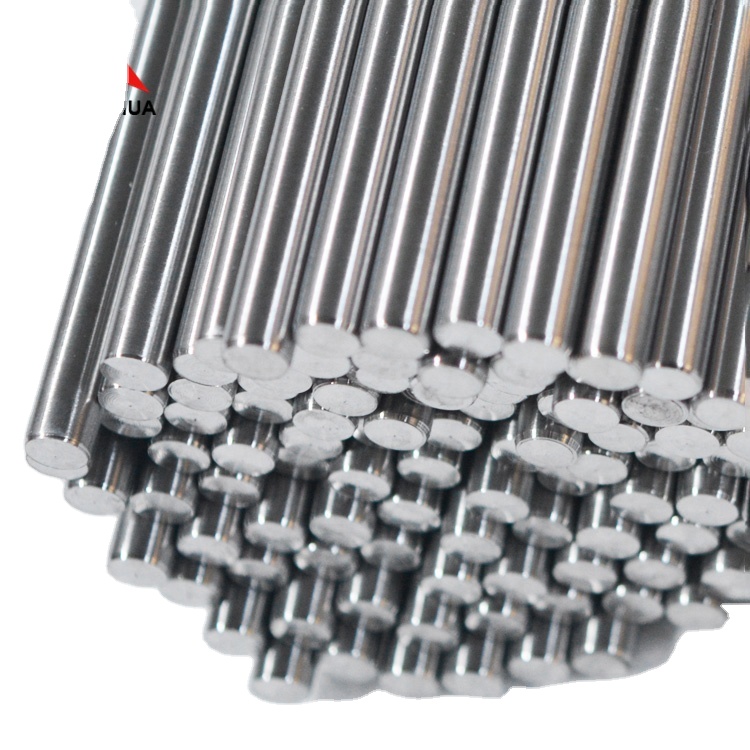
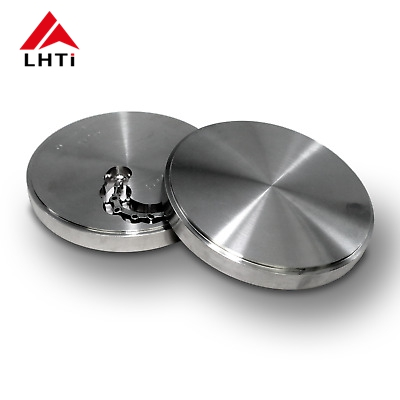
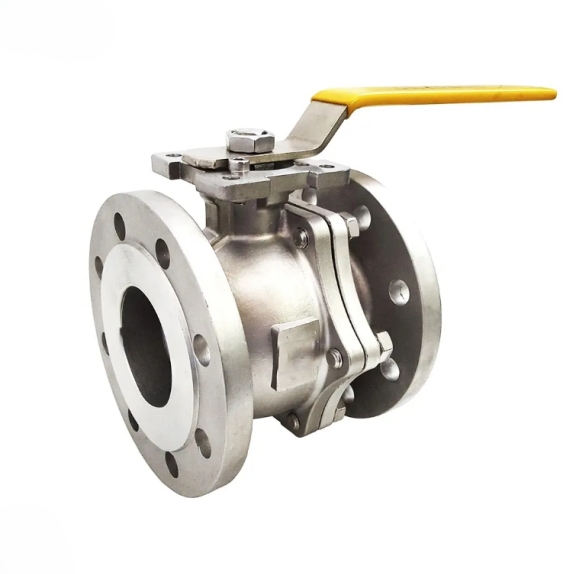
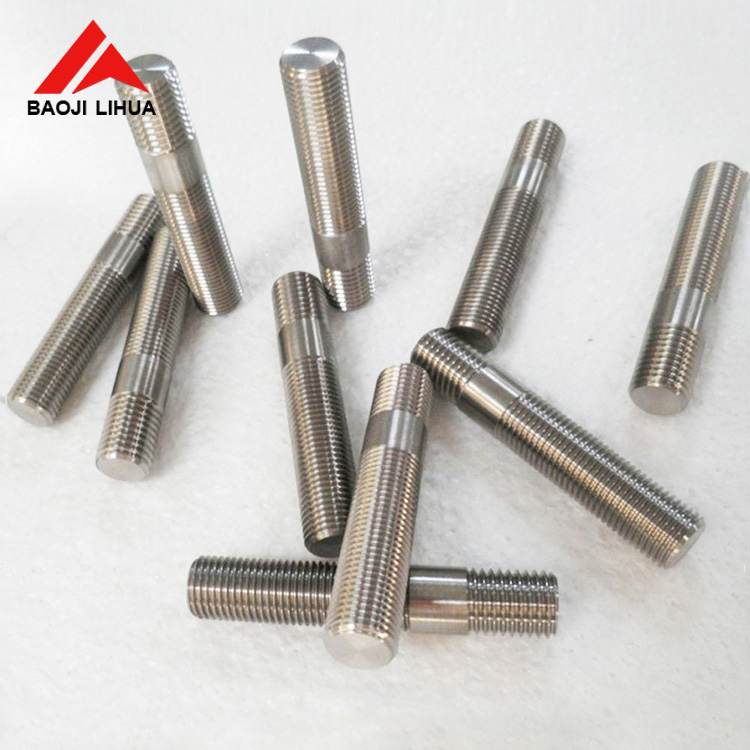
Localized Deployment of Titanium Flange Bolts Across Indonesia's Industrial Corridors
Operating in an archipelagic nation characterized by hyper-saline atmospheres, active volcanic geotemperature regimes, and immense nickel hydrometallurgical operations demands metallurgically superior fastener engineering.
Geothermal Energy Generation
Indonesian geothermal power centers across West Java (Wayang Windu, Kamojang, Salak) and North Sumatra (Sarulla) encounter extreme thermal stresses saturated with wet hydrogen sulfide (H2S), carbon dioxide, and aggressive brine chlorides. Conventional duplex steel fasteners undergo stress corrosion cracking (SCC) within short cycles. Jovzi's ASTM B348 Grade 2 and Grade 7 (Palladium-stabilized) titanium flange bolts resist acidic localized pitting and galvanic degradation indefinitely at elevated operational temperatures up to 300°C.
Nickel HPAL Smelting & Refining
Indonesia's massive nickel processing hubs in Morowali (IMIP), Weda Bay (IWIP), and Obi Island rely on High-Pressure Acid Leach (HPAL) autoclaves operating at 250°C and 4–5 MPa under high sulfuric acid concentrations. Flanged connections securing slurry transport systems, titanium-clad vessels, and titanium-flanged ball valves demand Grade 5 (Ti-6Al-4V) and Grade 12 high-strength bolting assemblies to prevent joint relaxation, crevice corrosion, and catastrophic acidic fluid blowouts.
Offshore Oil, Gas & Marine Terminals
The Natuna Sea gas fields, offshore Balikpapan facilities, and coastal LNG liquefaction trains encounter harsh marine splash zones where tropical ambient humidity accelerates galvanic and chloride attack. Grade 2 and cold-forged Grade 5 titanium flange studs and hex head flange screws eliminate atmospheric corrosion, significantly extending turn-around cycles (TA) and protecting offshore platform piping integrity with zero requirement for sacrificial zinc plating or recurring Teflon coatings.
Engineering Grade Specifications & Mechanical Performance
Understanding titanium alloy characteristics ensures proper selection for severe service environments, preventing over-specification and assembly galling.
| Titanium Grade | UNS / Composition | Yield Strength (Min, MPa) | Tensile Strength (Min, MPa) | Indonesian Environmental Compatibility |
|---|---|---|---|---|
| Grade 2 (CP Titanium) | UNS R50400 / Unalloyed Ti | 275 MPa | 345 MPa | Outstanding seawater, chlorine gas, and wet flue gas resistance. Standard for ASME B16.5 low-pressure piping flanges. |
| Grade 5 (Ti-6Al-4V) | UNS R56400 / 6% Al, 4% V | 828 MPa | 895 MPa | High strength-to-weight ratio; ideal for high-pressure HPAL autoclave manifolds, turbine bolts, and performance automotive hubs. |
| Grade 7 (Ti-0.15Pd) | UNS R52400 / 0.15% Palladium | 275 MPa | 345 MPa | Unrivaled crevice corrosion resistance in reducing acid environments and boiling hydrochloric/sulfuric geothermal brines. |
| Grade 12 (Ti-Mo-Ni) | UNS R53400 / 0.3% Mo, 0.8% Ni | 345 MPa | 483 MPa | Enhanced intermediate mechanical strength at elevated temperatures with high resistance to crevice corrosion in hot chlorides. |
Macroeconomic & Industrial Trends Reshaping Indonesia's Titanium Fastener Demand
An executive synthesis of procurement shifts driven by state industrialization policies, raw material beneficiation, and infrastructure modernization across ASEAN.
National Downstream Processing (Hilirisasi)
The Indonesian government's continued mandate on mineral downstream processing has accelerated domestic refining capabilities. Where raw ore was once exported, colossal processing zones now extract battery-grade mixed hydroxide precipitate (MHP), nickel matte, and cobalt sulfate locally. These hydrometallurgical operations operate autoclaves and leach tanks lined with titanium, driving exponential demand for specialized titanium fasteners that can endure extreme autoclave pressurization without yielding.
Net Zero Geothermal Expansion (RUPTL 2021–2030)
Under PLN's Electricity Supply Business Plan (RUPTL), Indonesia aims to expand geothermal power generation capacity beyond 3.3 GW by 2030. Deep well extraction involves high enthalpy reservoirs laden with acid halides. Power plant operators are shifting away from short-life coated alloy steels to full-life-cycle Grade 2 and Grade 7 titanium flange bolts for wellhead Christmas trees, separators, and condenser cooling systems to avoid unplanned shutdowns.
Direct China-to-Indonesia Supply Chain Integration
Under the RCEP framework and bilateral maritime agreements, Indonesian EPC contractors and plant operators increasingly bypass third-party trading markups in Singapore or Europe. Purchasing managers are establishing direct technical partnerships with primary manufacturers in Baoji, China—securing shorter lead times, customized fabrication drawings (OEM), and verifiable EN 10204 3.1 chemical/tensile traceability directly linked to heat-treated batches.
Why Jovzi Titanium is the Trusted Partner for Indonesian Engineers
With an export heritage extending back to 2006, Jovzi Titanium Industry Co., Ltd. combines raw material supremacy with certified CNC turning and thread rolling engineering.
Baoji Titanium Valley Provenance
Located in Gaoya Industrial Zone, Baoji, Shaanxi, our facilities operate directly inside China's primary metallurgical center. We transform high-purity sponge directly into ingots, bars, forgings, and fasteners, maintaining full vertical quality control without relying on questionable secondary scrap sources.
Rigorous Quality Certification (ISO 9001 & MTC 3.1)
Every single consignment bound for Jakarta, Surabaya, or Balikpapan is accompanied by an EN 10204 3.1 inspection certificate. We provide full chemical composition analysis, tensile and elongation verification, and third-party laboratory reports validated by the authoritative BaoTi Test Center.
Cold-Formed & Rolled Thread Superiority
Unlike budget suppliers who machine cut bolt threads—severing the natural grain lines of the metal—Jovzi utilizes precision thread rolling machines. This mechanical hardening preserves uninterrupted metallurgical grain continuity, increasing fatigue resistance by over 30% for high-vibration applications.
Senior Engineering OEM Capabilities
Staffed by 4 senior and 5 intermediate metallurgical engineers, Jovzi manufactures standard DIN 6921, DIN 912, and ASME B16.5 flange components, as well as customized precision components directly from 2D/3D DWG or STEP engineering drawings with tight tolerances up to ±0.01mm.
Surface Treatments & Color Anodizing
We provide in-house surface treatments including precision chemical pickling, micro-arc oxidation, shot-peening, and decorative/protective anodizing (gold, burnt blue, purple, rainbow) engineered specifically for performance motorcycle kits and racing applications across Java.
Export Logistics & Incoterms Agility
Exporting to Southeast Asia for nearly two decades, we offer frictionless multimodal shipping routes: direct air cargo to Soekarno-Hatta (CGK) for urgent plant maintenance, or FCL/LCL ocean freight to Tanjung Priok (Jakarta) and Tanjung Perak (Surabaya) under FOB, CIF, or DDP terms.
Frequently Asked Questions by Indonesian Procurement Teams
Key technical, commercial, and regulatory guidance for engineers and supply chain managers importing titanium fasteners into Indonesia.
▸ How do we prevent thread galling (cold welding) during assembly?
Titanium naturally forms an instantaneous, protective titanium oxide (TiO2) film. When two titanium surfaces or titanium and stainless surfaces are torqued together without proper lubrication, this oxide film can rupture under frictional heat, causing localized adhesion known as thread galling. We strongly advise our Indonesian clients to apply anti-seize lubricants containing molybdenum disulfide (MoS2), nickel-based compounds, or PTFE paste, and strictly avoid pneumatic impact wrenches during initial threading.
▸ Can Grade 5 (Ti-6Al-4V) flange bolts directly replace 8.8 and 10.9 grade steel?
Yes. Grade 5 titanium boasts an ultimate tensile strength exceeding 895 MPa, which easily matches or surpasses Class 8.8 structural steel (800 MPa) and approaches Class 10.9 (1040 MPa), while reducing fastener weight by approximately 44% and offering complete immunity to atmospheric coastal rust. However, because titanium's modulus of elasticity is approximately half that of carbon steel (~114 GPa vs 205 GPa), calculated torque tension parameters must be calibrated according to engineering bolt-stretch tables.
▸ What import documentation is provided for Indonesian Customs (Bea Cukai)?
We furnish complete, export-compliant customs document sets including detailed Commercial Invoices, Packing Lists with designated HS Codes (typically Chapter 8108 for titanium articles), Certificate of Origin (Form E under ACFTA for preferential import tariff treatment where applicable), and EN 10204 3.1 Mill Test Certificates directly matching the heat numbers stamped on each container.
▸ What are the standard Minimum Order Quantities (MOQ) and lead times?
For standard stocked DIN 6921 hex flange bolts and DIN 912 socket head screws, MOQs start as low as 100 to 200 pieces. For custom forged flange bolts, special threading pitches, or large-diameter ASME B16.5 flange assemblies, manufacturing runs are evaluated per project drawing with typical production lead times ranging from 15 to 25 working days, followed by direct ocean or air freight.
Equip Your Next Indonesian Project with Certified Titanium Fasteners
Connect directly with our engineering division in Baoji. Receive comprehensive dimensional drawings, mechanical property data sheets, and competitive FOB/CIF factory pricing within 8 business hours.
Get Catalog