Featured Industrial Titanium Components & Assemblies
Factory-direct mill products, precision CNC fittings, and surface finishing equipment manufactured in Baoji, China's Titanium Valley, under strict ISO 9001 quality supervision.
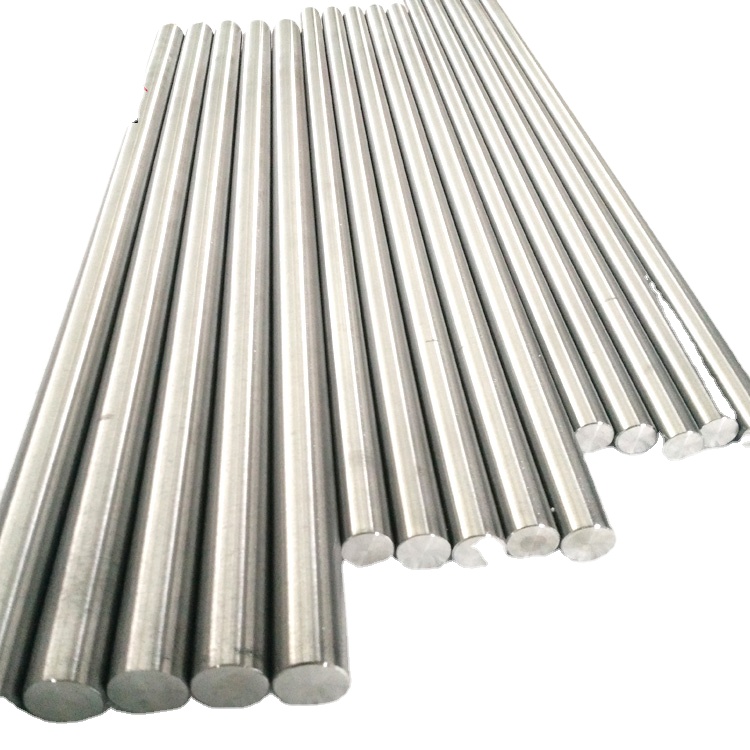
ASTM B348 GR5 Titanium Bar Rod Dia 100mm Best Price
Ultra-high tensile Ti-6Al-4V Grade 5 round billet machined to h9/h8 tolerances. Ideal for heavy forging, downhole tooling, and marine propeller shafts.
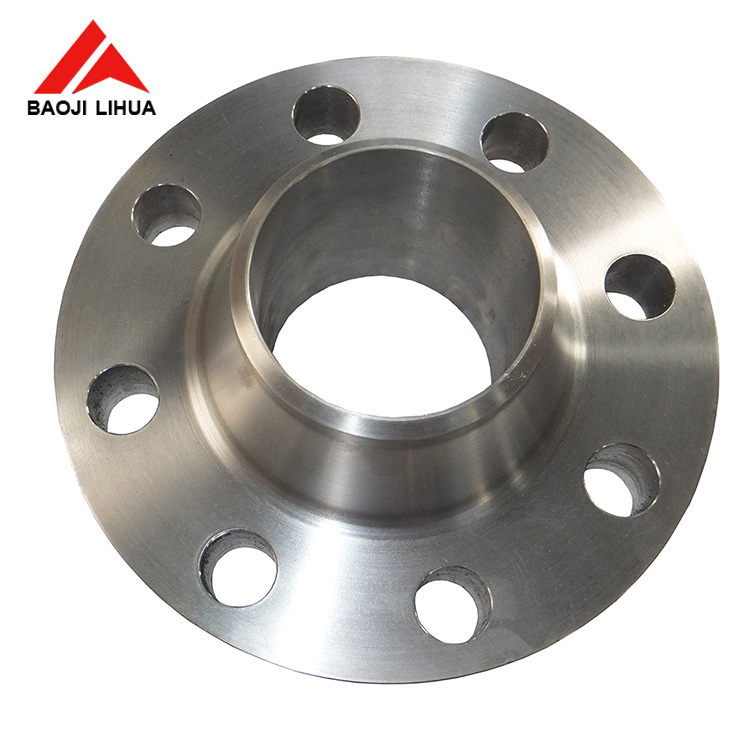
Titanium Blind Exhaust Flange 4" ANSI 150lbs 300lbs Gr2
Class 150/300 blind and exhaust flanges in pure Grade 2 titanium. Resists pitting in high-temperature sour gas, marine exhaust, and brine manifolds.
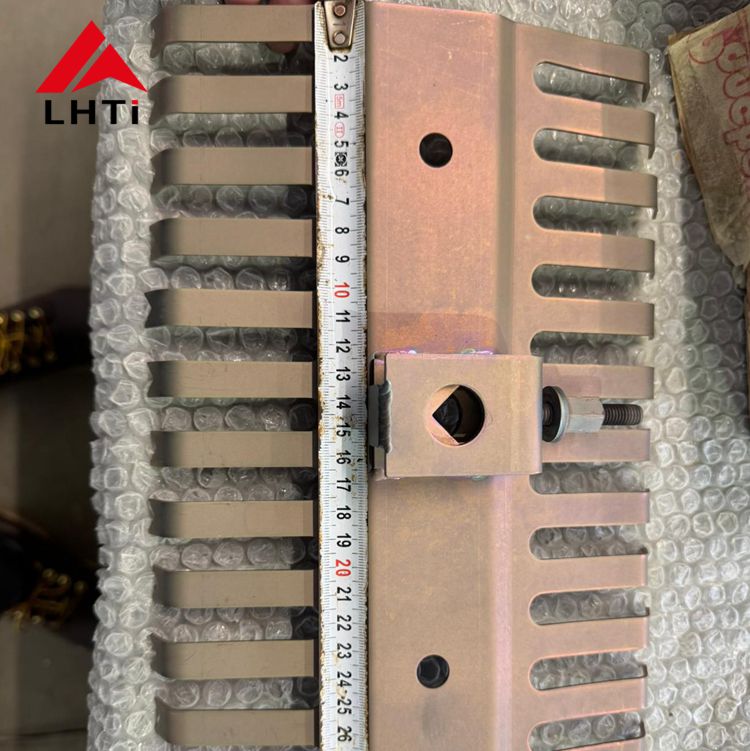
Gr2 Customized Titanium Box Rack for Painting Anodizing
Acid-resistant Grade 2 welded titanium carrier baskets and boxes for electro-coating, anodizing baths, and chemical etching lines.
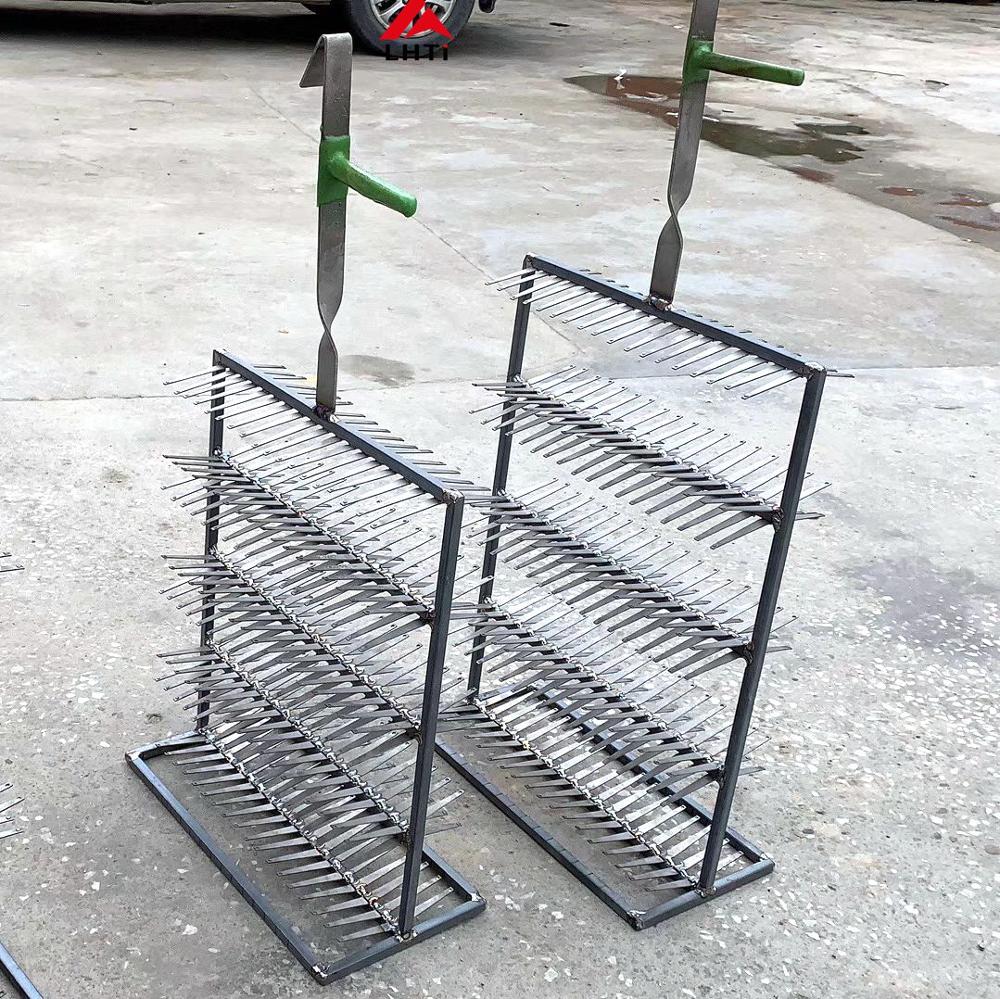
Anodizing Titanium Jig Hanger Rack Frame for Plating
Engineered electrical contact hooks and structural frames ensuring continuous electrical conductivity and zero chemical degradation in aggressive acid tanks.
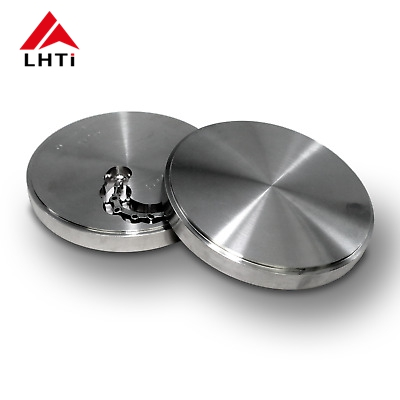
ASTM F136 Titanium Block Gr5 ELI Gr2 Disc 98mm
Ultra-clean, vacuum arc remelted (VAR) medical discs and blocks for precision CAD/CAM dental implants, surgical fixtures, and biocompatible prosthetics.
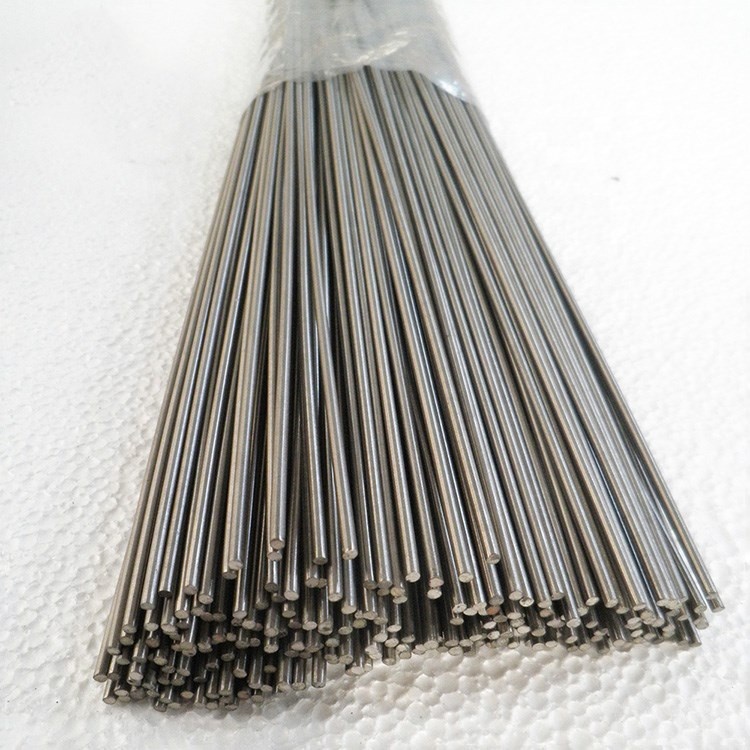
Hot Sell Thin Titanium Solid Rods High Elasticity
Superelastic, corrosion-proof titanium alloy solid rods featuring exceptional flexural strength and permanent resistance to saltwater attack.
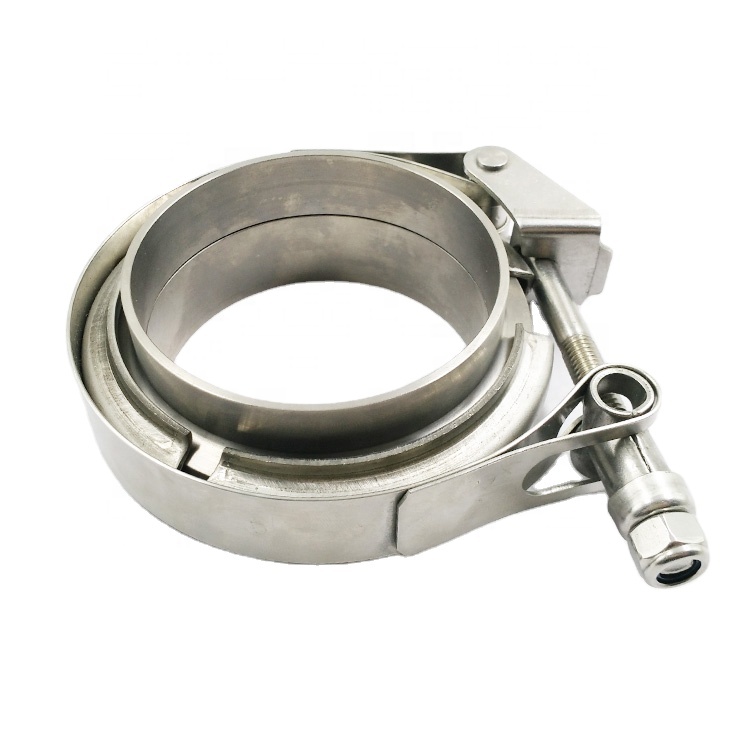
Titanium Gr1/Gr2 2"–5" V-Band Clamp & Flange Assembly
CNC-machined male/female interlocking flange sets with stainless quick-release clamp. Lightweight leak-free coupling for performance automotive exhausts.
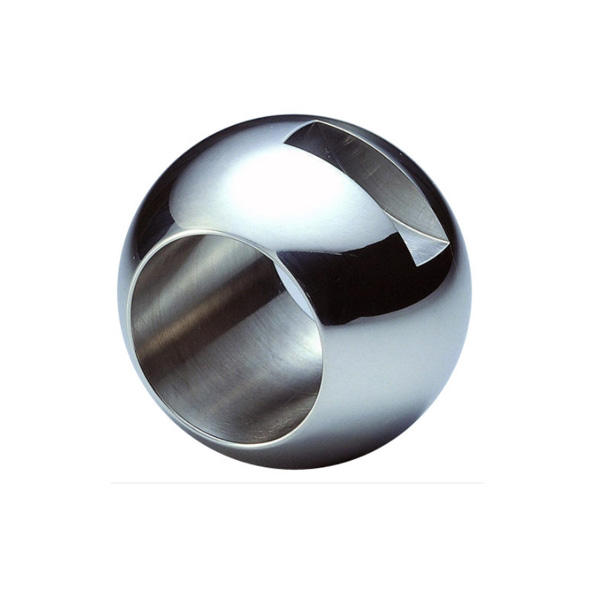
Titanium Ball Core American Standard Valve Core
Solid and hollow floating spherical valve cores machined to mirror finish (Ra < 0.2µm). Engineered for high-pressure cryogenic and chemical valves.
ASTM B363 Titanium Stub Ends: Dimensional Geometry, Metallurgy, and Flange System Mechanics
In the engineering of industrial pressure piping across corrosive environments, the specification of ASTM B363 (Standard Specification for Seamless and Welded Unalloyed Titanium and Titanium Alloy Welding Fittings) represents the gold standard for structural integrity. Among all ASTM B363 components—including elbows, tees, and concentric reducers—the Lap Joint Stub End is the most mechanically and economically vital fitting for process systems operating in corrosive, vibrating, or cyclically loaded conditions.
A lap joint stub end works in tandem with a loose backing flange (often referred to as a "Van Stone" flange or lap joint flange). In typical ASTM B363 piping systems engineered for industrial facilities in New York and the Mid-Atlantic, the process fluid comes into direct contact solely with the wetted interior and flared face of the titanium stub end. This decoupling offers two transformative advantages:
- Dramatic Capital Expenditure Reduction: Instead of fabricating a massive, solid Grade 2 or Grade 7 titanium slip-on or weld-neck flange, the mechanical designer specifies a lightweight ASTM B363 titanium stub end welded to the titanium run pipe, mated with an economical carbon steel (ASTM A105) or stainless steel (ASTM A182 F304L/F316L) backing flange. This lowers total flanged joint material costs by 45% to 68%.
- Rotational Bolt Hole Alignment: Fixed weld-neck flanges require exact rotational orientation prior to circumferential welding. In modular skid construction and tight chemical plant retrofits common across New York Harbor and Long Island, backing flanges rotate freely around the barrel of the stub end. This eliminates bolt-hole clocking mismatches, radically accelerating field bolt-up and gasket alignment.
Procurement engineers frequently navigate ambiguities between two primary dimensional standards: MSS SP-43 (Wrought and Fabricated Butt-Welding Fittings for Low Pressure, Corrosion Resistant Applications) and ASME B16.9 (Factory-Made Wrought Buttwelding Fittings). Jovzi Titanium manufactures and machines both standards under strict quality plans:
| Pattern & Standard | Radius (r) at Lap Junction | Lap Face Surface Texture | Mating Backing Flange | Primary Industrial Use Case |
|---|---|---|---|---|
| ASME B16.9 Type A | Conforms precisely to standard ASME B16.5 lap joint flange fillet radius | Concentric serrated or phonographic (Ra 3.2–6.3 µm) | Standard ASME B16.5 Lap Joint Flange | High-pressure, cyclic thermal piping; refinery and steam stripping units. |
| ASME B16.9 Type B | Nearly square inner corner with minimal fillet radius | Smooth or serrated gasket sealing face | Standard Slip-On Flange (used as lap joint backer) | Cost-effective mid-pressure systems where standard slip-on flanges are already inventoried. |
| ASME B16.9 Type C | Flared lap edge formed from parent pipe; loose outer diameter | Smooth as-formed surface or machined flat | Lap joint or slip-on backing flange | Lightweight utility lines, chemical drains, low-pressure ballast transfer. |
| MSS SP-43 (Short/Long) | Engineered specifically for thin-wall pipe schedules (Sch 5S, 10S, 40S) | Phonographic serrated gasket sealing surface | MSS SP-43 / ASME B16.5 Slip-On or Lap Flange | Wastewater chlorination, HVAC seawater exchange, pharmaceutical utility racks. |
Under ASTM B363, the prefix "WPT" designates wrought titanium fittings. Selecting the appropriate alloy grade determines both resistance to localized crevice attack beneath flange gaskets and overall project longevity:
- WPT2 (Commercially Pure Grade 2 / UNS R50400): The industrial workhorse of the New York piping market. Yield strength ≥ 275 MPa (40 ksi) with balanced formability and complete passivity in oxidizing media, wet chlorine, nitric acid, and seawater up to 80°C (176°F).
- WPT7 (Titanium-0.15% Palladium / UNS R52400): The premier grade for aggressive acidic environments and high-temperature crevice conditions. The micro-alloying addition of palladium depolarizes cathode sites, suppressing crevice corrosion under lap joint flange faces in brine or low-pH hydrochloric/sulfuric solutions up to 250°C.
- WPT12 (Ti-0.3Mo-0.8Ni / UNS R53400): An economical, high-strength alternative to Grade 7. Provides superior resistance to crevice corrosion in hot chlorides over Grade 2 while maintaining higher design allowable stress under ASME Section VIII, Division 1 rules.
Critical ASTM B363 Applications Across New York State
From Manhattan district energy loops to Long Island biotechnology plants and Upstate chemical corridors, Jovzi titanium fittings provide zero-corrosion fluid transport.
Power plants, co-generation systems, and naval auxiliary docks operating along the East River, Hudson River, and Arthur Kill rely on brackish tidal water for condenser cooling. ASTM B363 Gr2 stub ends eliminate microbiologically influenced corrosion (MIC) and velocity-induced erosion common with Cu-Ni 90/10 and austenitic alloys.
High-purity active pharmaceutical ingredient (API) manufacturing plants throughout Long Island and Westchester require piping that produces zero ion leaching. Electropolished ASTM B363 Grade 2 stub ends with smooth lap radii guarantee that aggressive saline cleaning solutions and steam sterilization cycles do not contaminate sterile media.
Western New York's historic chemical corridor uses Jovzi ASTM B363 WPT7 and WPT12 stub ends for chlorine dioxide, sodium hypochlorite, and hydrochloric acid handling. The tight grain structure and 100% radiographic weld testing withstand cyclic pressure surges without joint embrittlement.
With strict New York DEC (Department of Environmental Conservation) environmental containment mandates, municipal wastewater treatment plants along Jamaica Bay and Wards Island replace degraded 316L stainless fittings with titanium lap joint stub ends in sodium hypochlorite disinfection injectors, avoiding costly leak repairs.
New York Waterway and NYC Ferry propulsion architectures require lightweight piping to minimize displacement and optimize fuel efficiency. Titanium stub ends integrated into marine wet exhaust, ballast water treatment, and sea-chest manifolds deliver 45% weight savings versus stainless steel with infinite operational lifespans.
New York Industrial Piping Trends: Why Engineers Are Transitioning to Titanium
Across New York's engineering, procurement, and construction (EPC) community, a significant shift in total cost of ownership (TCO) methodology has emerged over the 2024–2026 project planning cycles. Historically, engineers selected Super Duplex stainless steel (such as 2507 or 2205) or nickel alloys (Hastelloy C-276) for severe fluid handling. However, project economics in New York harbor and upstate industrial parks are pivoting decisively toward ASTM B363 titanium lap joint stub end assemblies due to three critical vectors:
1. Nickel Price Volatility & Moly Surges
High-nickel alloys suffer from erratic LME market fluctuations and extended lead times exceeding 26 weeks. With China's integrated sponge-to-mill infrastructure located in Baoji, Jovzi maintains consistent titanium pricing and reliable ingot supplies, delivering finished stub ends to New York job sites in half the lead time.
2. Zero Crevice Corrosion in Warm Seawater
Super Duplex stainless steels exhibit critical pitting temperature (CPT) degradation when seawater temperatures rise or stagnant bio-films form under flange gaskets. ASTM B363 Grade 2 titanium maintains total passivity across all natural seawater conditions, virtually eliminating unplanned flange face resurfacing shutdowns.
3. Structural Skid Weight Optimization
For offshore installations, barge-mounted power units, and high-density urban mechanical rooms in Manhattan where roof loading and crane access are restricted, titanium's low density (4.51 g/cm³ vs. 8.0 g/cm³ for steel) cuts modular piping weights nearly in half, reducing structural steel support costs.
Why New York Importers & EPCs Choose Jovzi Titanium Industry
Headquartered in the Gaoya Industrial Zone of Baoji, China—globally recognized as "China's Titanium Valley"—Jovzi Titanium Industry Co., Ltd. has specialized in the precision forging, extrusion, and CNC machining of reactive metals since 2006. With an export ratio exceeding 85%, our metallurgical engineering team brings unmatched technical depth to international piping projects:
Every shipment of ASTM B363 stub ends is supplied with complete heat-numbered material test certificates documenting chemical analysis, tensile testing, yield strength, and elongation. Independent third-party inspection reports by the authorized BaoTi Test Center are available upon request.
We operate precision hydraulic flanging presses, CNC vertical lathes, and automatic orbital seam welders. Our seamless stub ends feature uniform wall thickness along the flare knuckle radius, eliminating cold-work micro-cracks and localized stress concentrations.
With direct logistics accounts with air freight carriers servicing John F. Kennedy International Airport (JFK) and ocean container routes arriving at the Port of New York and New Jersey (PNYNJ), Jovzi manages all customs clearance, Section 232 / 301 documentation, and inland trucking directly to your warehouse.
Frequently Asked Questions for US & NY Buyers
Clear engineering answers addressing codes, standards, galvanic isolation, inspection criteria, and cross-border logistics.
What is the difference between seamless and welded ASTM B363 stub ends?
How do I prevent galvanic corrosion when mating a titanium stub end with a carbon steel backing flange?
Are Jovzi ASTM B363 stub ends compliant with ASME Section VIII Pressure Vessel Codes?
What surface finishes are available on the gasket sealing face?
Can you supply Long Pattern and Short Pattern stub ends to MSS SP-43?
What are typical production lead times and shipping schedules to New York?
How does Jovzi guarantee compliance with USA import duties and tariff classifications?
Request an Engineered Quote for ASTM B363 Titanium Stub Ends
Connect directly with Jovzi's metallurgical engineering and international export team. Submit your drawings, ASTM/ASME specifications, quantity requirements, and destination details for an official quotation within 8 hours.