ANSI Class
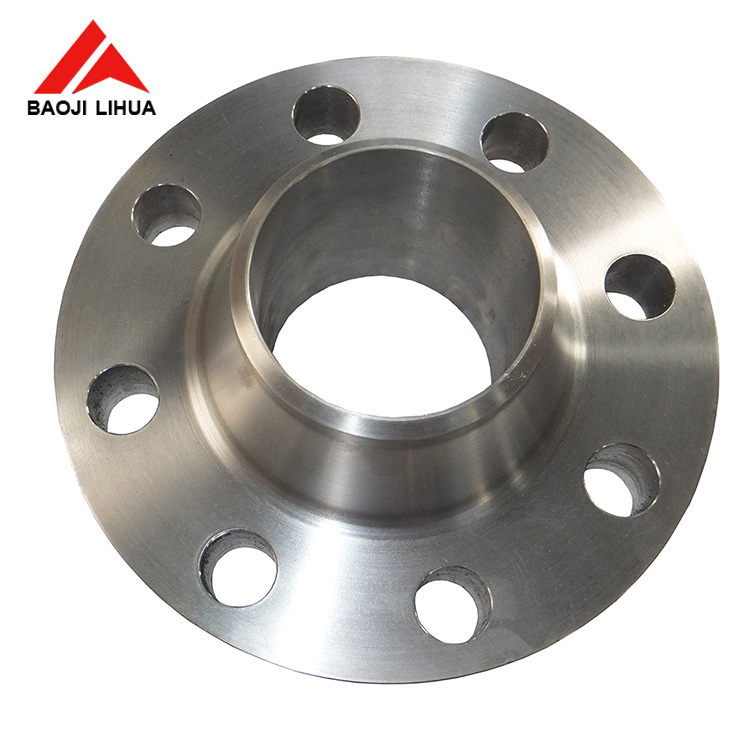
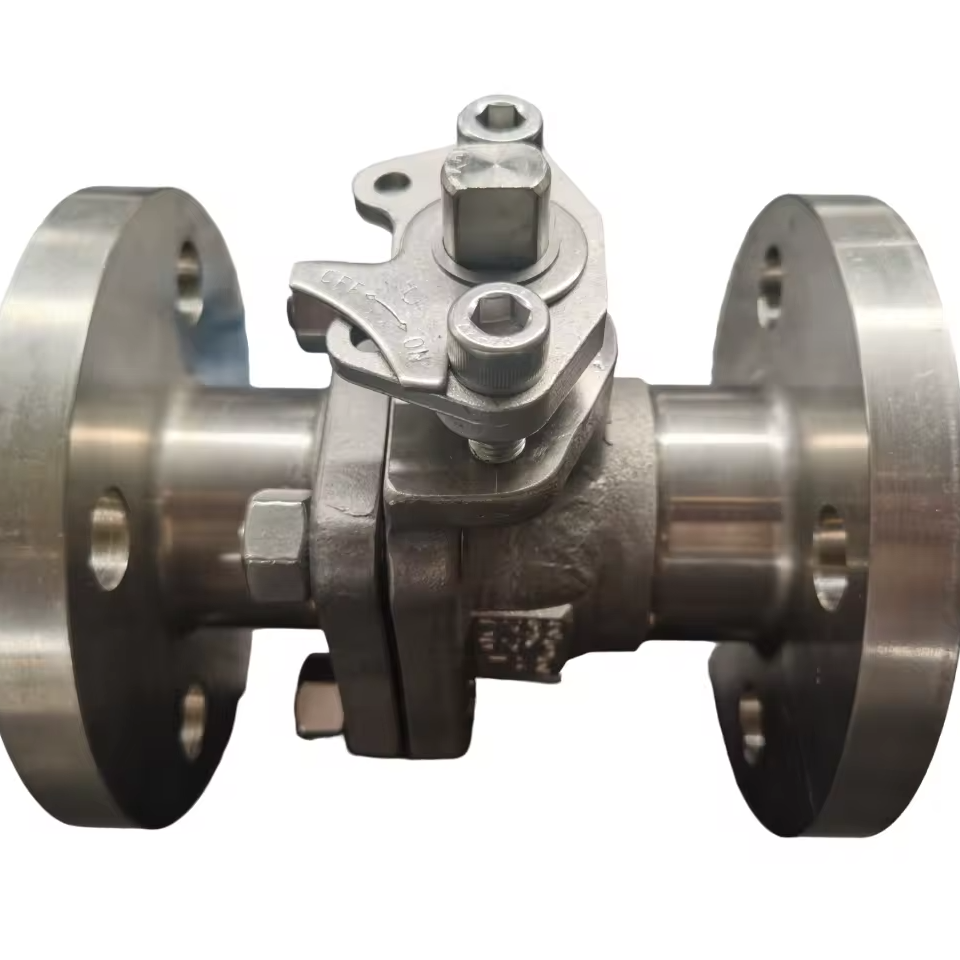
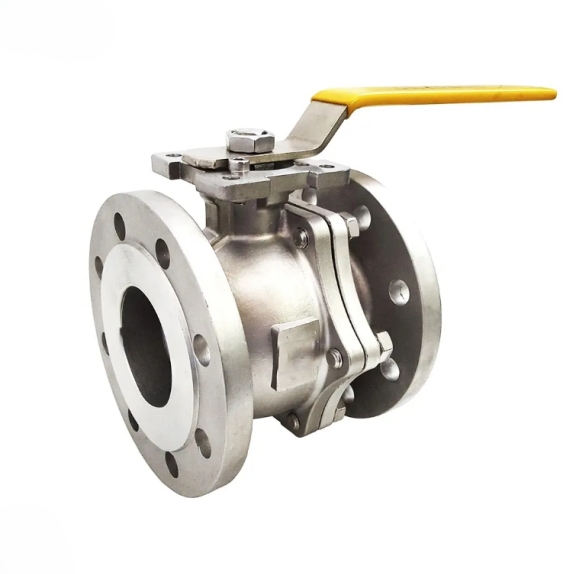
Titanium Blind Exhaust Flange 4" ANSI 150lbs 300 Ibs Class Gr2
- Grade: CP Grade 2
- Pressure: Class 150 / 300
- Standard: ASME B16.5
Machined from premium sponge-to-ingot CP and alloy titanium directly from Baoji China's Titanium Valley, customized precisely for high-stress exhaust systems.
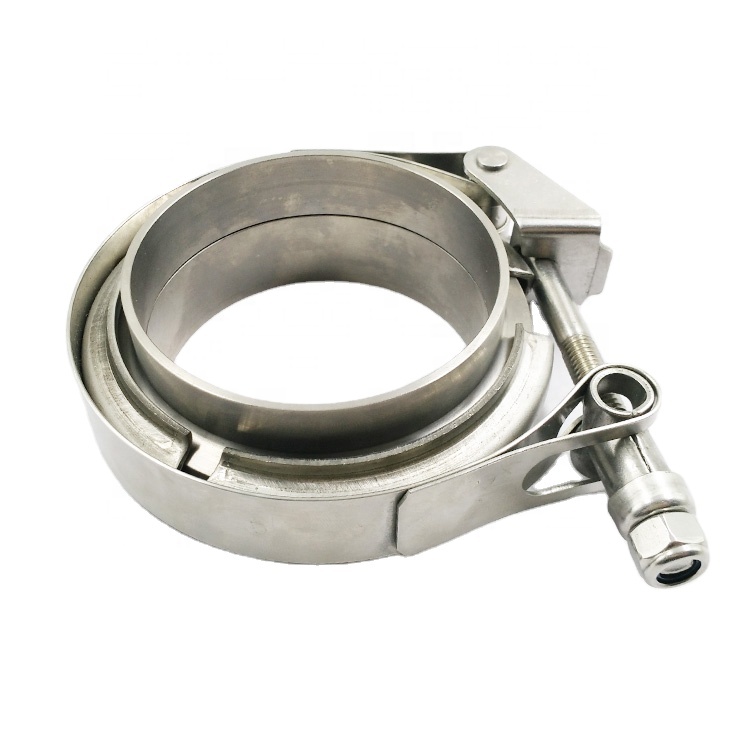
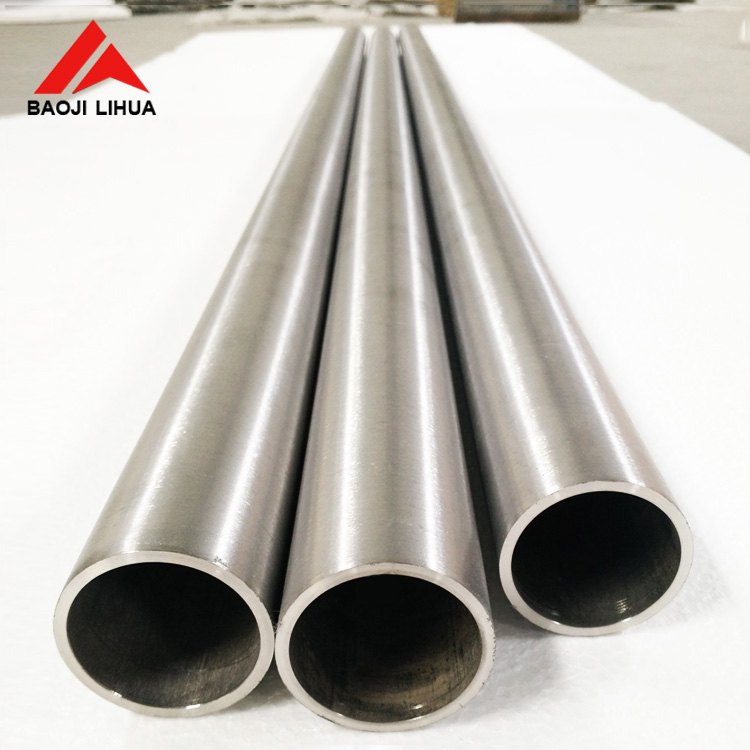
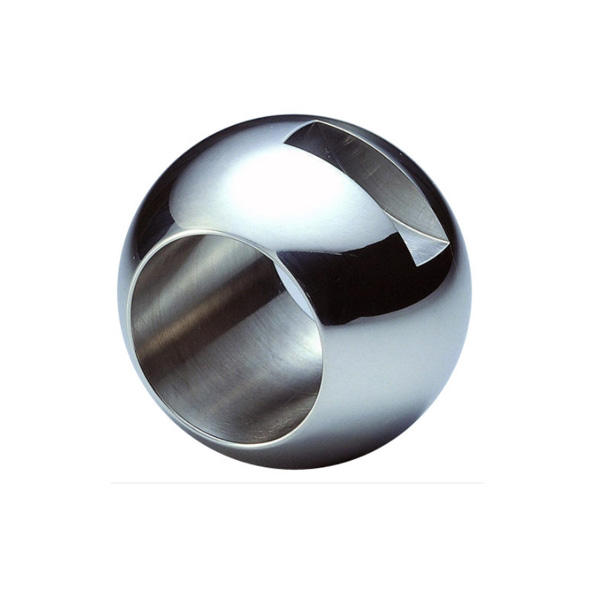
The manufacturing ecosystem of northern and central Italy—specifically the historic Motor Valley of Emilia-Romagna, home to legendary marques such as Ferrari, Lamborghini, Pagani, and Ducati—places stringent metallurgical and dimensional demands on titanium components. In high-performance racing, track racing, and high-end automotive tier-supply chains, shifting from traditional AISI 304 or 321 stainless steel to specialized CP (Commercially Pure) and alpha-beta titanium alloys delivers an unassailable engineering edge: an immediate weight reduction of 40% to 50% coupled with elevated vibrational fatigue endurance.
However, procuring titanium exhaust components for Italian engineering architectures requires deep familiarity with how these alloys behave under elevated cyclic exhaust gas temperatures (EGTs). Jovzi Titanium Industry Co., Ltd., leveraging raw materials sourced directly from Baoji—the epicenter producing over 65% of China's titanium mill capacity—deploys tightly monitored vacuum arc remelting (VAR) techniques. By controlling interstitial elements (Carbon, Oxygen, Nitrogen, and Hydrogen), we produce titanium pipes, pie cuts, stub ends, and CNC-machined V-band exhaust assemblies that resist thermal oxidation embrittlement at continuous operating temperatures up to 650°C for Grade 2 and even higher transient spikes when utilizing stabilized Grade 9 (Ti-3Al-2.5V) or specialized additions.
| Titanium Grade | Tensile Strength (Rm Min) | Elongation (A50 %) | Primary Exhaust Application | Advantage vs. 304 Stainless Steel |
|---|---|---|---|---|
| Grade 1 (CP Ti, UNS R50250) | 240 MPa | ≥ 24% | Hydroformed pie cuts, tight-radius bends, exhaust tips | Maximum cold formability; easily flanged without micro-fissures. |
| Grade 2 (CP Ti, UNS R50400) | 345 MPa | ≥ 20% | Straight exhaust tubing, slip-on mufflers, V-band flanges | Optimal balance between weldability, acoustic resonance, and thermal fatigue. |
| Grade 5 (Ti-6Al-4V, UNS R56400) | 895 MPa | ≥ 10% | CNC turbo collector flanges, oxygen sensor bungs, manifold studs | High yield strength (≥828 MPa); zero thread galling with proper anti-seize PVD. |
| Grade 9 (Ti-3Al-2.5V, UNS R56320) | 620 MPa | ≥ 15% | Superbike downpipes, high-pressure bypass channels | Superior strength at thinner walls (0.9mm to 1.0mm) under continuous vibration. |
For racing constructors and tuning workshops across Turin, Bologna, Milan, and Modena, thermal expansion coefficient management is pivotal. Titanium’s coefficient of thermal expansion (8.6 × 10⁻⁶ /K) is approximately half that of austenitic stainless steel (17 × 10-6 /K). This fundamental physical property substantially decreases internal stress in manifold welds during intense hot-cold cycles on track tracks like Monza or Mugello, eliminating catastrophic thermal cracks commonly seen in aftermarket motorsport headers.
How our bespoke titanium exhaust components match the explicit engineering workflows of Italian automotive and superbike constructors.
Italian boutique hypercar developers require custom Grade 2 and Grade 5 hybrid exhaust manifolds. Jovzi provides CNC-machined titanium flanges with gas-tight O-ring sealing grooves and laser-cut 1.5D pie cuts, enabling engineers to route systems through cramped engine bays without compromising backpressure dynamics.
Motorcycle racing workshops across Lombardy and Tuscany require ultralight thin-wall (0.9mm to 1.0mm) Grade 1 and Grade 2 titanium exhaust pipes. Our precise CNC tube bending, paired with titanium quick-release V-band clamps and retention springs, ensures lightning-fast header changes in pit lanes during race weekends.
Specialist tuners throughout northern Italy require high-finish, weld-ready titanium exhaust hardware that exhibits stunning anodized blue, violet, and gold coloring under exhaust heating. Jovzi’s ultrasonic-cleaned, burr-free pie cuts and pre-welded V-band flange kits allow artisan Italian fabricators to produce flawless TIG welds without porosity.
The Italian automotive landscape is undergoing a structural paradigm shift driven by stringent European environmental targets and the rise of ultra-high performance plug-in hybrid electric vehicles (PHEVs). This architectural evolution directly drives demand for lightweight titanium exhaust architecture across the peninsula:
1. Weight Offsetting in Hybrid Supercars: As Italian supercar manufacturers integrate high-voltage batteries and electric drivetrains—adding between 150 kg and 250 kg of curb weight—every gram shaved from auxiliary structural and fluid systems is vital. Replacing traditional cast steel manifolds and heavy stainless exhaust lines with Grade 2 thin-walled titanium tubes and hollowed-core bypass valves saves between 12 to 18 kilograms directly behind the rear axle, significantly improving the vehicle's polar moment of inertia.
2. Acoustic Signature Preservation: With the implementation of EU sound level directives (ECE R51.03), Italian engineers face the challenging task of managing dB ceilings while retaining the unmistakable resonant harmonic acoustic profile coveted by performance car enthusiasts. Titanium has an elasticity modulus (105-110 GPa) roughly half that of steel (210 GPa). When exhaust gases pulse through thin-walled titanium piping, it produces a sharper, more metallic acoustic timbre that Italian exhaust designers intentionally leverage to restore sound character lost to turbochargers and particulate filters.
3. Near-Zero Waste Production & On-Demand OEM Sourcing: Italian design studios and fabricators are shifting away from large-volume warehousing of generic stainless stocks in favor of precision-engineered, ready-to-weld titanium modules. Sourcing pre-cut pie cuts with laser-etched alignment markings and CNC-faced flanges directly from Jovzi's Baoji factory eliminates on-site scrap, reduces manual machining time, and provides clear cost-predictability on a per-chassis basis.
Direct manufacturer based in Baoji, China's Titanium Valley, combining deep raw material control with world-class CNC precision engineering.
Founded in 2006 in Baoji, Shaanxi, Jovzi operates at the core of global titanium refining. We secure premium sponge batches that undergo multi-stage vacuum remelting, ensuring our base metals remain free from inclusions, hydrogen embrittlement, and interstitial gas defects.
Every single consignment bound for Genoa, Milan, or Naples comes complete with EN 10204 3.1 Mill Test Certificates. Traceable physical and chemical test verifications conducted by the national authority, BaoTi Test Center, can be provided on demand for verification.
Equipped with 4 senior and 5 intermediate engineers, our facility features 5-axis CNC machining, cold mandrels, precision thread-rolling, and closed-die forging setups. We easily machine intricate male/female interlocking V-band rings and bypass valve bodies down to ±0.01 mm.
Our international trade engineering division coordinates closely with Central European Time (CET). Italian procurement officers receive technical drawing feasibility feedback, step file validations, and commercial quotations within 8 working hours.
Titanium welding requires surgical cleanliness. Jovzi guarantees that all exhaust tubing, pie cuts, and collector branches undergo pickling, ultrasonic solvent degreasing, and scratch-resistant end-capping before delivery, preventing oxidation discoloration during orbital or manual TIG operations.
From sample batches sent by air courier (DHL/FedEx express) taking 4–6 business days to door-to-door DDP ocean and rail freight consolidating in Milan and Bologna, we manage customs, TARIC classification, and transport insurance seamlessly.
Critical commercial, metallurgical, and logistic insights addressing search intent from Italian procurement teams.
For motorcycle downpipes and exhaust cans where extreme lightness and tight bends dominate, Commercially Pure Grade 1 and Grade 2 (ASTM B338) are industry benchmarks due to their superior ductility and cold-forming capabilities. For turbocharged sports car manifolds subjected to extreme heat spikes and backpressure before the wastegate, Grade 9 (Ti-3Al-2.5V) or Grade 5 (Ti-6Al-4V) for the structural flanges is strongly advised to prevent thermal creep deformation.
Titanium absorbs oxygen, nitrogen, and hydrogen at temperatures above 400°C, causing surface embrittlement. Jovzi manufactures tubing via high-purity inert-gas (Grade 5.0 Argon 99.999%) shielding and vacuum anneal processes. Every batch is chemically analyzed for interstitial gas content (<0.015% H, <0.25% O for Gr2) according to ASTM standards to ensure crack-free welding in your workshop.
Yes. Over 60% of our production for European clients involves bespoke OEM manufacturing. You can provide 2D PDFs with geometric tolerancing (GD&T) alongside 3D STEP, IGES, or DWG models. Our technical engineering division will review the tooling paths, confirm radius compatibility, and calculate cycle times within 8 hours.
Exhaust components—especially thin-wall tubing, polished tips, and fine-thread studs—are individually wrapped in scratch-resistant PE sleeves, packed in custom foam separators, and secured within export-grade ISPM-15 compliant fumigated wooden crates. Moisture-absorbing desiccant packs are inserted to prevent surface water staining during sea freight.
Shipments include an authentic EN 10204 3.1 Mill Test Certificate indicating exact chemical heats, yield strength, tensile elongation, and flattening/flare test results. In addition, we supply complete Commercial Invoices with correct HS Codes (e.g., 8108.90 for finished titanium components, 8108.20 for bars/billets), packing lists, and Certificates of Origin.
For standard raw stock materials and off-the-shelf tubing, MOQs start as low as 1 meter or 1 piece. For custom CNC machined exhaust components, V-band flanges, or custom-bent tubes, initial prototype samples can be ordered from 1 to 5 pieces before scaling up to full production runs of 100 to 1,000+ units.
In motor engineering hubs across Modena, Turin, and Brescia, artisan TIG (GTAW) fabricators know that welding titanium is fundamentally different from welding 304 or 316 stainless steel. Titanium’s intense affinity for oxygen and nitrogen at temperatures exceeding 425°C means that poor shielding immediately compromises weld integrity.
1. Trailing Shields & Back-Purging: When welding Jovzi Grade 1 or Grade 2 exhaust tubes, 99.999% pure argon must be continuously supplied not just through the torch cup, but via an extended trailing shield that protects the cooling weld pool until temperature drops below 350°C. Complete back-purging inside the tube using soluble purge dams or specialized silicone plugs is non-negotiable; interior oxidation results in "sugaring" and catastrophic root cracking under dynamic road vibrations.
2. Weld Color As Quality Indicator: Welds must be strictly inspected under natural lighting. A bright silver to light golden straw color indicates acceptable shielding. Deep blue, magenta, or grey chalky deposits signify nitrogen and oxygen embrittlement, mandating that the joint be cut out and remade. Jovzi supplies matching AWS A5.16 ERTi-2 and ERTi-5 filler rods to guarantee identical thermal expansion and metallurgical bonding throughout the seam.
Connect with our technical engineering sales desk in Baoji today. Send us your custom drawings, target volumes, and material standards for a detailed review and quotation within 8 hours.
Get Catalog