Precision Titanium Conduit Hardware & Assemblies
Seamlessly supporting ultra-pure liquid chromatography, pharmaceutical synthesizing manifolds, vacuum chambers, and high-temperature exhaust networks in Switzerland.
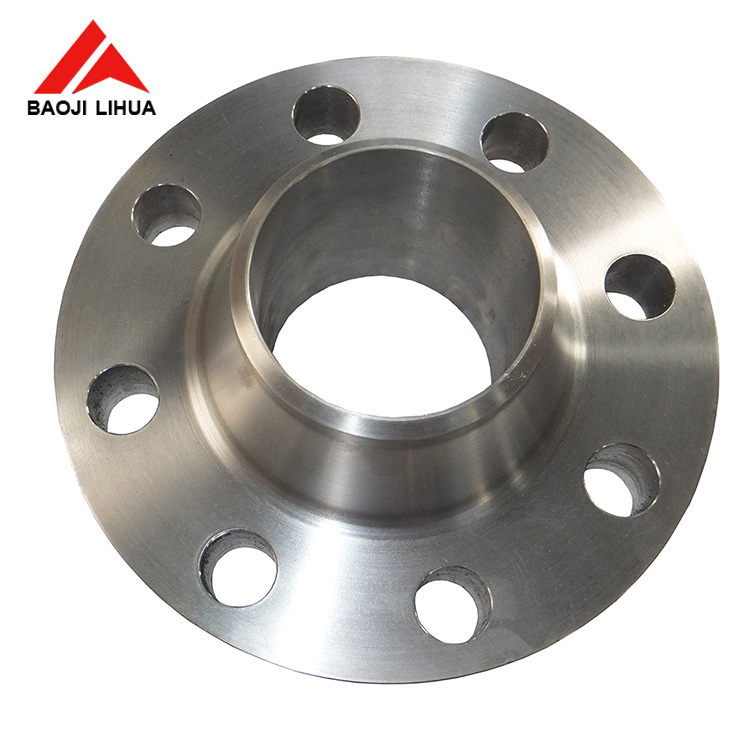
Titanium Blind Exhaust Flange 4" ANSI 150lbs 300 Ibs Class Gr2
- Standard: ANSI/ASME B16.5
- Grade: Grade 2 CP Titanium
- Application: Line Isolation / Exhaust
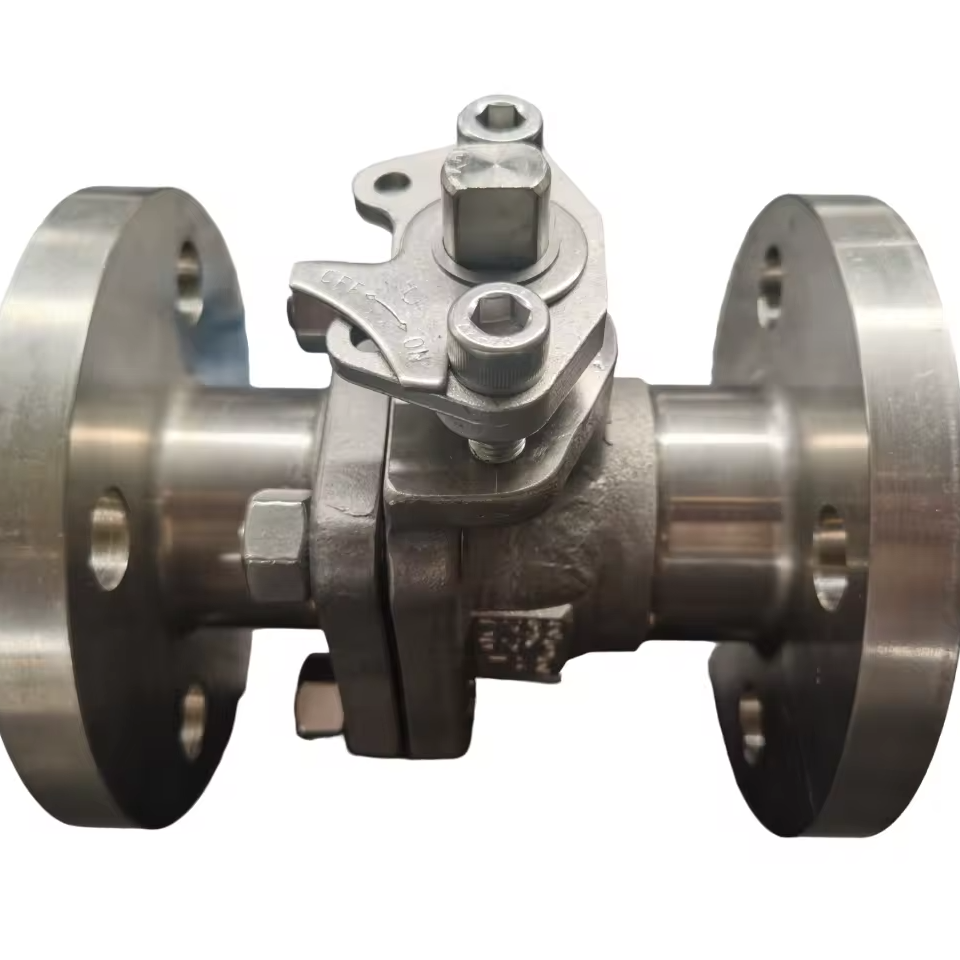
LHTi Group Titanium Alloy Hollow Valve Ball & Casing
- Material: Gr2 / Gr5 / Gr12
- Structure: Hollow Floating Casing
- Tolerance: ±0.01mm Precision
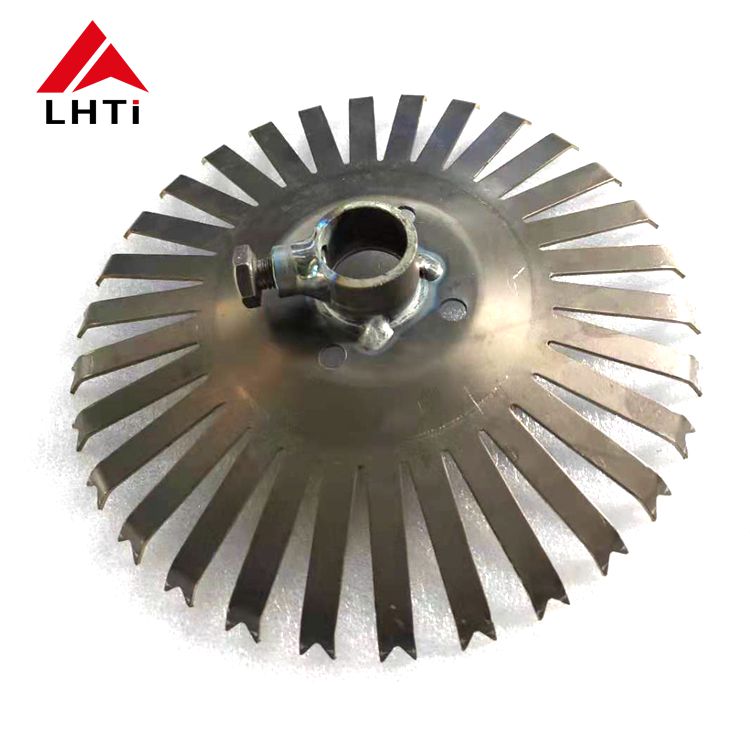
Anodizing Titanium 30 Teeth Disk Rack for Electroplating
- Alloy: ASTM B348 Gr2 Bar
- Design: 30 Teeth Mechanical Grip
- Chemical Resistance: Acid / Alkaline Bath
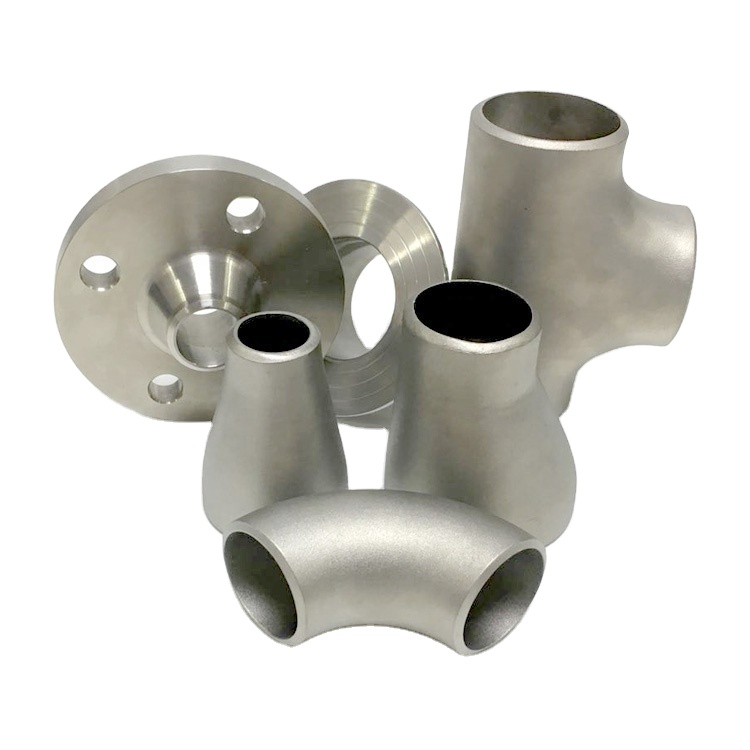
Ti-Pure Titanium Seamless Concentric Reducer Pipe Fitting
- Standard: ASTM B363 / ASME B16.9
- Process: Seamless Hydroforming
- Diameter: DN15 - DN300
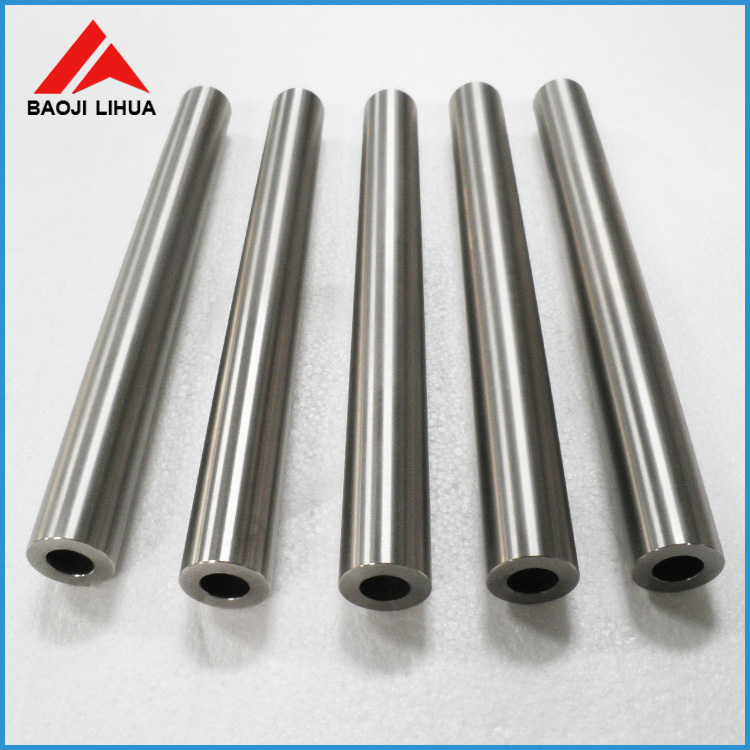
Titanium Exhaust Gr2 Gr7 Pipes & Precision Tubing
- Grades: Gr2 (CP) / Gr7 (Ti-Pd)
- Wall Thickness: 0.8mm - 3.0mm
- Feature: Extreme Crevice Resistance
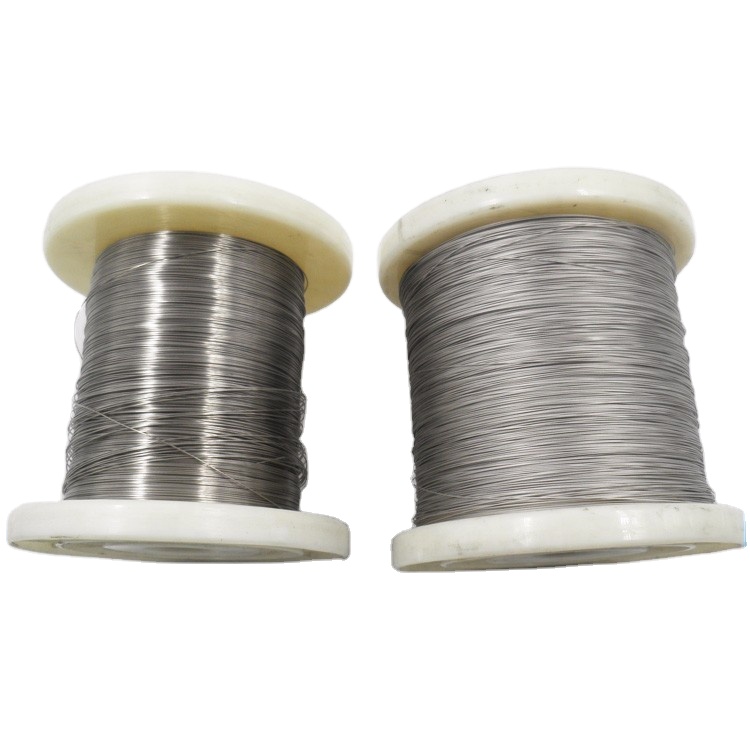
AWS A5.16 ERTi-2 0.05mm Pure Titanium Wire
- Spec: AWS A5.16 / ERTi-2
- Diameter: From ultra-fine 0.05mm
- Usage: TIG Welding & Precision Weaving
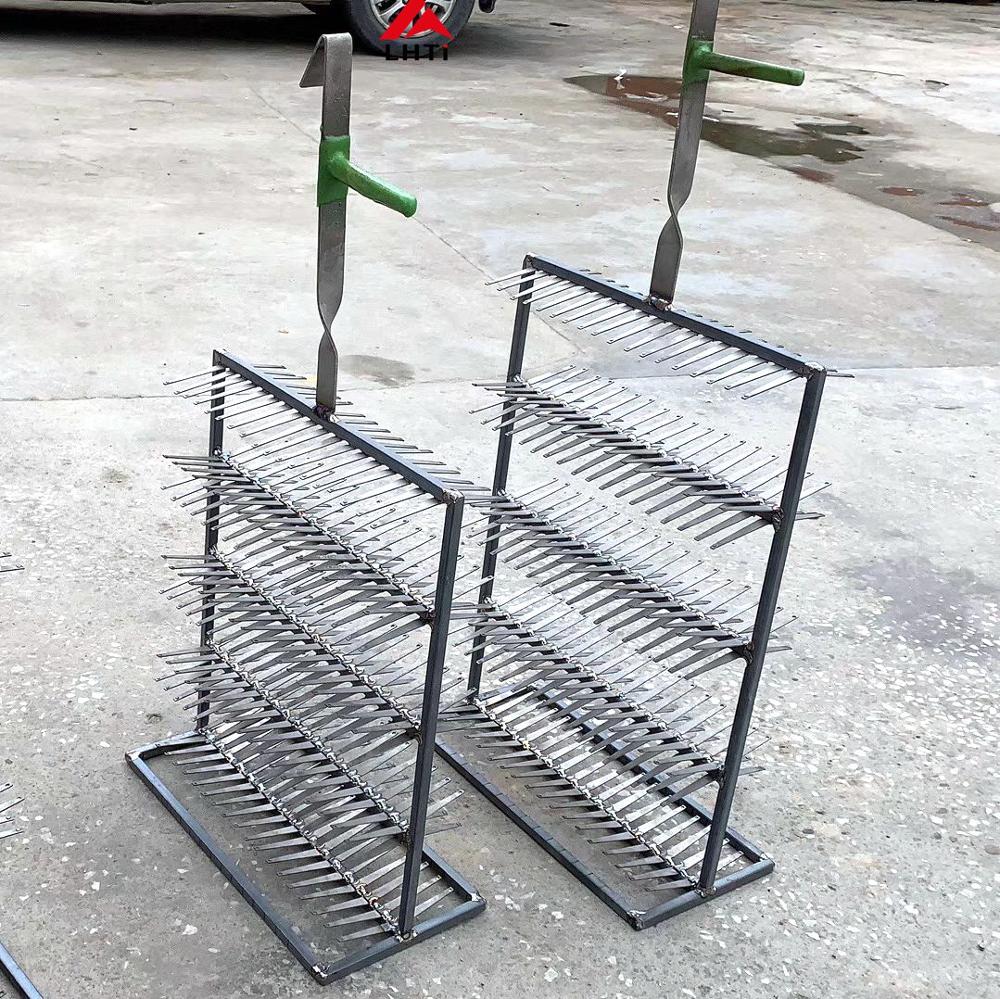
Anodizing Titanium Jig Hanger Rack Frame for Plating
- Build: Structural Welded Ti Frame
- Durability: Long-term Bath Immersion
- Conductivity: Optimized Contact Points
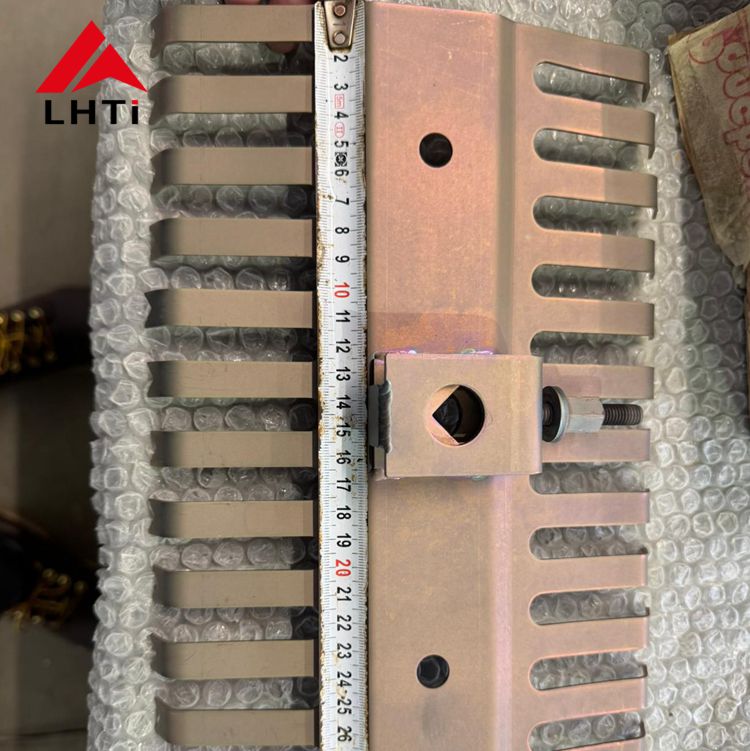
Gr2 Customized Titanium Box Rack for Painting & Anodizing
- Material: High Ductility Gr2 Plate
- Fabrication: Precision Laser & Tig Weld
- Application: Pharma & Medtech Coating
Technical Whitepaper: Engineering High-Integrity Titanium Pipe Nipples
In high-stakes fluid transfer manifolds, a pipe nipple represents far more than a basic threaded extension; it is a critical pressure boundary node subject to severe mechanical shear, cyclic thermal expansion, and localized crevice attack. While traditional Swiss facilities in the Canton of Zurich, Winterthur, and Dietikon historically relied on high-nickel austenitic stainless steels (such as 1.4404 / AISI 316L or 1.4539 / 904L), evolving process chemistries demand transition to Grade 2 (UNS R50400), Grade 5 (Ti-6Al-4V, UNS R56400), and Grade 7 (Ti-0.15Pd, UNS R52400) titanium solutions.
Standard pipe nipples machined from low-purity hollow billets often suffer from micro-porosity and thread tearing during multi-axis single-point CNC threading. Our direct-mill production model eliminates these risks. Starting from 100% vacuum-arc remelted (VAR) ingots sourced within Baoji's Titanium Valley, raw stock undergoes radial rotary swaging and hot extrusion to refine grain boundary structure to ASTM Grade 6 or finer. When machined into barrel nipples, close nipples, hex nipples, and welded reducing connectors, the material delivers isotropic fatigue resistance and predictable yield limits.
| Material Grade | UNS / EN Standard | Yield Strength (Rp 0.2 MPa) | Thermal Expansion (×10⁻⁶/K) | Typical Zurich Applications |
|---|---|---|---|---|
| Titanium Grade 2 | UNS R50400 / 3.7035 | ≥ 275 | 8.6 | Deionized water, bio-reactors, active pharmaceutical ingredient (API) piping |
| Titanium Grade 5 | UNS R56400 / 3.7165 | ≥ 828 | 8.6 | High-pressure hydraulic connections, motorsport sensors, downhole testing |
| Titanium Grade 7 | UNS R52400 / 3.7235 | ≥ 275 (0.15% Pd added) | 8.6 | Reducing acid processing, aggressive chloride sanitization, marine research |
| Stainless 316L (Baseline) | UNS S31603 / 1.4404 | ≥ 220 | 16.0 | Subject to stress corrosion cracking (SCC) at >60°C in chloride environments |
Thread profile engineering is equally crucial. Conventional NPT (National Pipe Taper) per ASME B1.20.1 and Whitworth BSPT / BSPP threads per ISO 7-1 and ISO 228-1 cut into titanium can trigger severe galling if flank surface roughness exceeds Ra 0.4 μm. Our production protocol integrates thread-rolling techniques alongside low-speed cryogenic CNC threading. This process work-hardens the root radii and eliminates micro-notches, achieving fluid-tight hermetic seals capable of maintaining pressure ratings up to ASME Class 3000 (Class 6000 upon custom drawing).
Localized Industrial Applications in the Greater Zurich Area
Strategically matching precision metallurgical characteristics to the advanced technical sectors across the Limmat Valley, Winterthur, and Dübendorf innovation clusters.
Life Sciences & Biotech Processing
In the bioprocessing centers near Schlieren and Zurich-Nord, sterile process plants require Grade 2 seamless hex and weld nipples. Titanium forms an instant, biologically inert TiO₂ passive film, preventing trace metal ion leaching during high-salinity buffer synthesis and dynamic fermentation.
Cryogenics & Quantum Physics
Institutes and labs connected with ETH Zurich and Dübendorf's EMPA frequently specify custom Grade 5 titanium barrel fittings for sub-Kelvin cryostats. Titanium's exceptionally low thermal conductivity combined with lack of ductile-to-brittle transition makes it the ultimate conduit metal.
CleanTech & Precision Hydrogen
Zurich's accelerating investments in proton exchange membrane (PEM) water electrolysis demand Grade 7 titanium pipe fittings. The palladium-alloyed structure resists hydrogen embrittlement and catastrophic attack in acidic environments where stainless steel pitting occurs within weeks.
Specialty Chemical Synthesis
Pilot plants throughout the Greater Zurich region deploy Jovzi titanium concentric reducers, hollow valve balls, and close nipples in hot nitric acid and chlorine bleaching operations, securing leak-free service lifetimes exceeding 20 continuous operational years.
Aero & Testbed Fabrication
From engine exhaust balancing to sensor manifolds, research facilities require weight-critical pipe spools and threaded junctions. Titanium reduces hardware assembly mass by ~44% versus comparable nickel alloys while handling elevated dynamic exhaust temperatures.
Procurement Shifts & Localization Trends in the Zurich Canton
Swiss mechanical engineering operates under stringent precision metrics. When procurement officers in Zurich evaluate international supply chains, their primary risk factors are no longer unit costs alone, but dimensional repeatability, raw material heat traceability, and regulatory compliance. Three key trends define the current procurement landscape:
- Mandatory Material Certification: In accordance with SVTI (Schweizerischer Verein für technische Inspektionen) pressure vessel guidelines, Swiss engineers reject ambiguous test documentation. Mill test certificates must directly verify chemical analysis, room-temperature tensile parameters, and hydrostatic pressure testing according to EN 10204 3.1.
- Total Cost of Ownership (TCO) Replaces Capex Sensitivity: The high hourly cost of downtime in Swiss production facilities makes premature component replacement cost-prohibitive. While a titanium pipe nipple commands a moderate premium over 316L, its indefinite resistance to pitting corrosion in chloride-rich environments drives a 5-fold extension in service intervals.
- Agile Custom OEM Batch Manufacturing: Highly specialized equipment builders across Zurich frequently require small-run modifications: custom thread relief angles, non-standard BSPT/NPT pitch blends, integrated hex gripping collars, and laser-etched heat identifiers. Jovzi's direct engineering interface bridges this demand, bypassing stockist constraints.
Why Swiss Procurement Teams Partner With Jovzi Titanium
Founded in 2006 in Baoji — China's "Titanium Valley" — Jovzi brings nearly two decades of certified metallurgical manufacturing directly to European engineering projects.
ISO 9001 Certified System
Operating a systematic quality framework across 1,000–3,000 m² of specialized precision workshops, backed by 4 senior and 5 intermediate metallurgical engineers overseeing all manufacturing sequences.
BaoTi Third-Party Reports
Beyond our standard EN 10204 3.1 MTCs showing exact melt charges and mechanical yield data, independent chemical and physical verification by the authoritative BaoTi Test Center is available upon request.
Direct OEM & Drawing Precision
More than 6 years of focused OEM and buyer-label manufacturing. We machine complex geometry fittings from 2D drawings (DWG, PDF) and 3D native CAD files (STEP, IGES) down to ±0.005mm tolerances.
Swiss Logistics: DDP & Express
Flexible commercial terms including FOB, CIF, CFR, CIP, FCA, and fully cleared DDP to Zurich or Winterthur. Anti-scratch film packaging and robust reinforced wooden cases prevent thread damage in transit.
Full Material Spectrum
Seamlessly integrating CP Gr1, Gr2, and Gr3 with alloyed Gr5 (Ti-6Al-4V), Gr7 (Ti-Pd), Gr9 (Ti-3Al-2.5V), Gr12 (Ti-Mo-Ni), alongside nitinol shape memory alloy for complementary engineering applications.
Zurich Procurement & Engineering FAQ
Addressing the technical, administrative, and logistical requirements typical of Swiss industrial buyers.
What standards and thread types are available for titanium pipe nipples?
We manufacture to ASME B16.11, ASTM B363, and DIN/ISO standards. Thread choices include NPT (ASME B1.20.1), BSPT tapered (ISO 7-1), BSPP parallel (ISO 228-1), as well as metric threads. Custom run lengths, close nipples, hex collars, and dual-thread combinations are produced per your drawing.
How do you prevent thread galling during installation?
Titanium threads possess high surface friction and can gall under dry torque. We eliminate this by maintaining mirror-smooth thread root finishes (Ra ≤ 0.4 μm) through high-speed precision threading, offering optional anti-galling surface treatments, and recommending suitable PTFE, nickel-loaded, or molybdenum disulfide compounds during assembly.
Do your shipments meet European pressure equipment regulations?
Yes. Every batch is supplied with an EN 10204 3.1 Inspection Certificate documenting the original heat melt number, fully traceable chemical breakdown, and mechanical tests (yield, tensile, elongation). Additional testing per PED 2014/68/EU Annex I standards is readily accommodated.
What is the minimum order quantity (MOQ) for custom Zurich orders?
We accommodate both prototyping and production scale. For custom machined titanium pipe nipples or specialty fittings, our minimum order quantity starts from just 5 to 10 pieces. Standard raw bars and semi-finished stock can be ordered from 1 kg, ensuring high flexibility for R&D teams.