Precision Titanium Solutions
Explore our core titanium components engineered in Baoji, China's Titanium Valley, designed to meet rigorous industrial, chemical, and motorsport specifications.
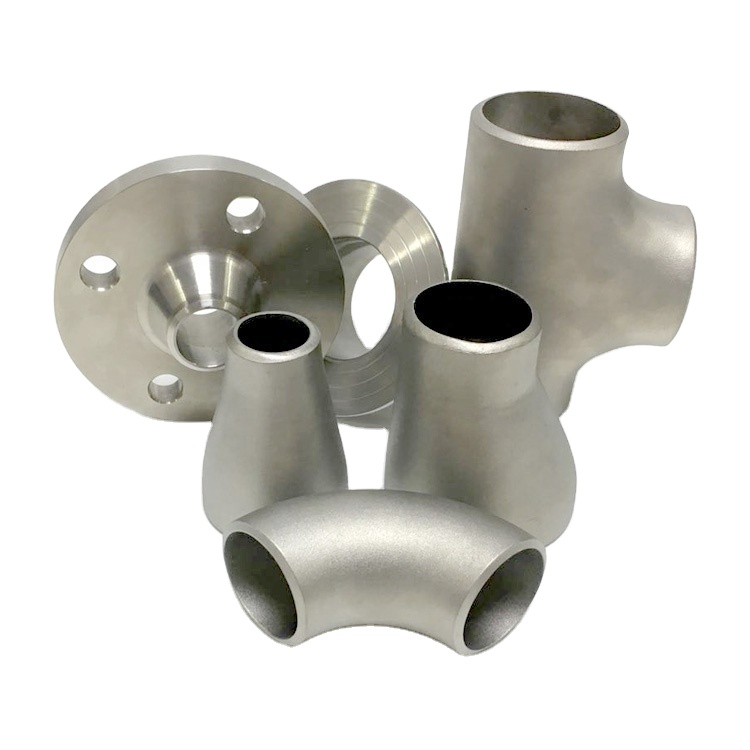
Ti-pure Titanium Seamless Concentric Reducer Pipe Fitting
Technical Details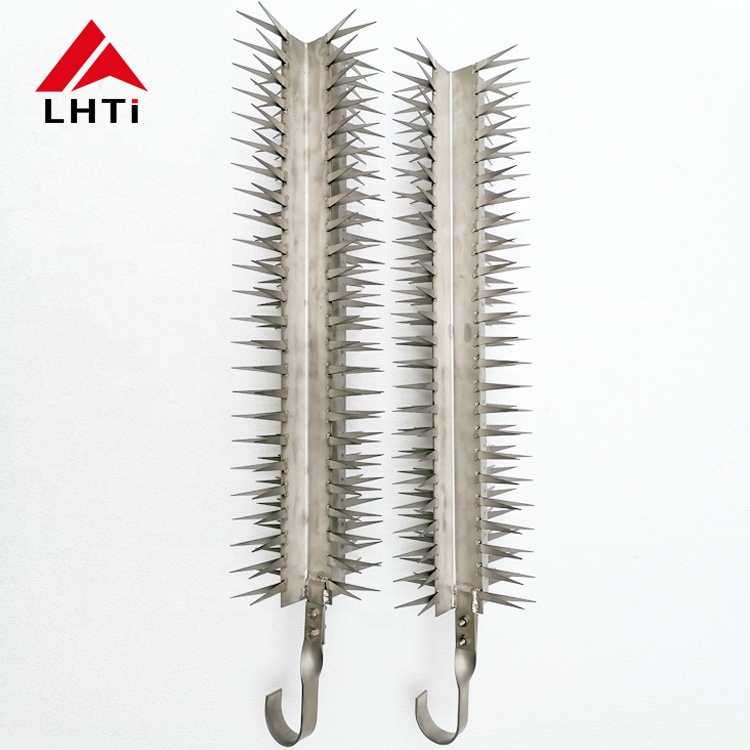
Customized Anodizing Gr1/Gr2 Titanium Jigs for Industry Coating Colors
Technical Details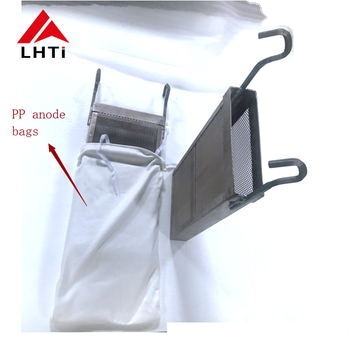
Gr2 Anodising Titanium Basket With PP Anode Bags for Electroplating
Technical Details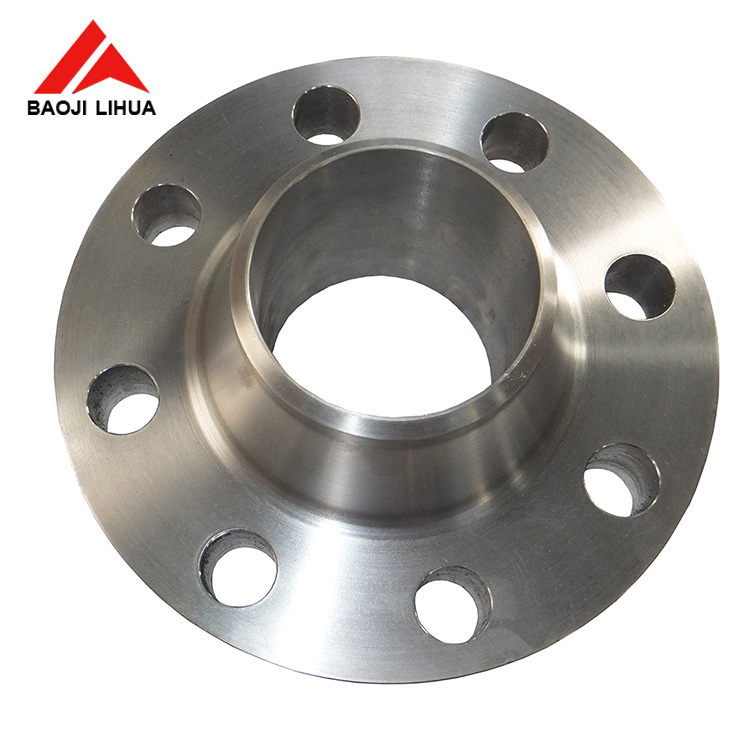
Titanium Blind Exhaust Flange 4" ANSI 150lbs 300 Ibs Class Gr2
Technical Details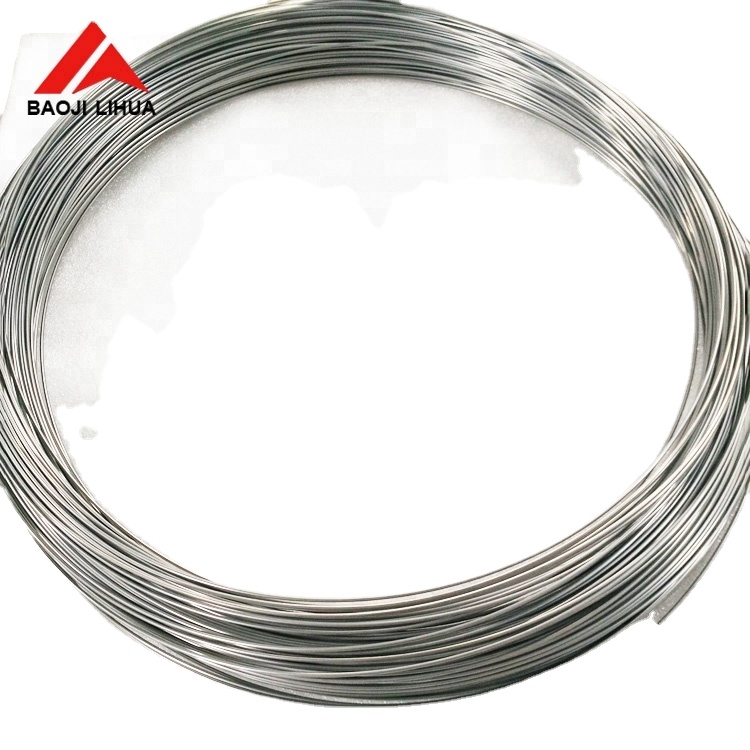
Nitinol Wire Shape Memory Alloy Superelastic Niti Wires 0.45 0.5 0.55MM
Technical Details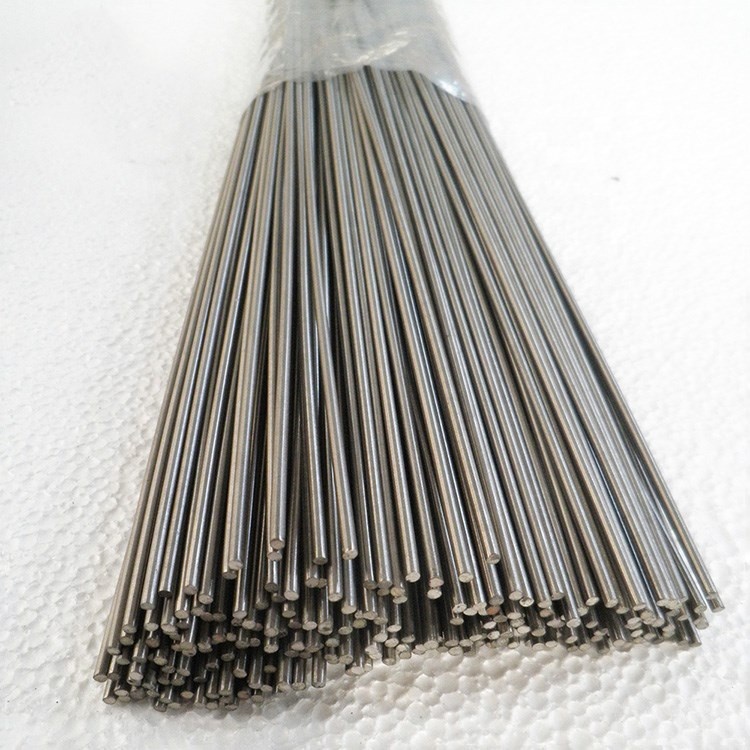
Hot sell thin titanium fishing rods price per kg
Technical Details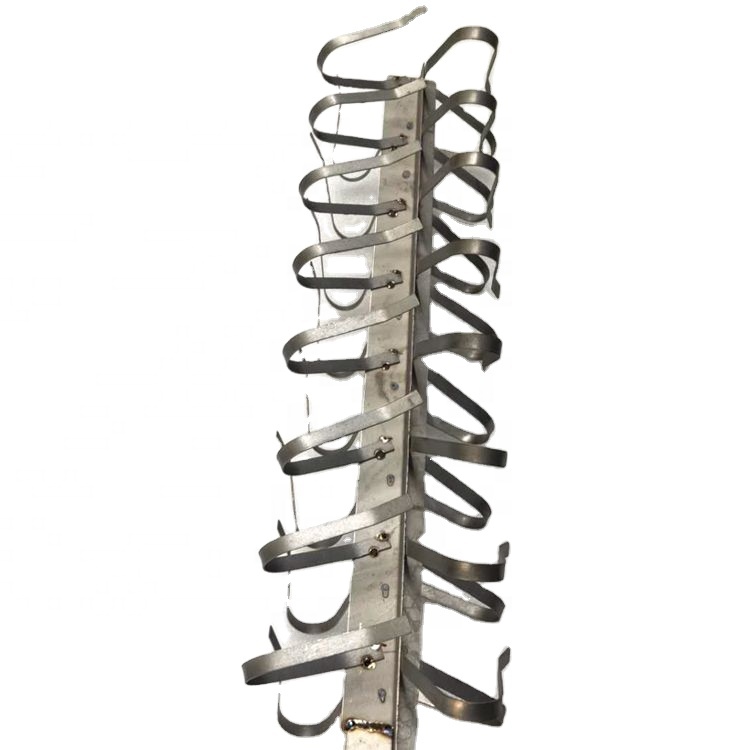
Grade2 Titanium Jigs Rack Hook Tube Components for Coating Electroplating
Technical Details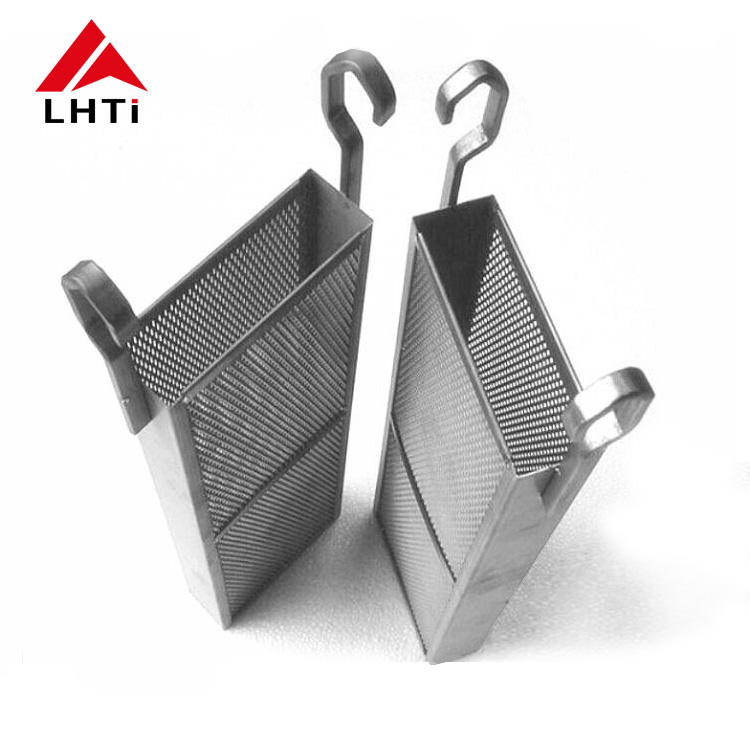
Gr2 Titanium Anode Basket Electroplating 5x10 6x12mm for Chemical Industry
Technical DetailsMetallurgical Authority: Why Grade 7 Titanium Exhaust Tubing Redefines Performance
A rigorous metallurgical comparison of CP-Ti Grade 2, Ti-6Al-4V Grade 5, and Palladium-Stabilized Grade 7 in corrosive, high-vibration thermal cycling environments.
In the demanding engineering landscapes of automotive tuning, motorsport fabrication, and specialized chemical extraction across the Prešov Region (Prešovský kraj), exhaust piping is consistently subjected to aggressive conditions. While standard Commercial Pure Grade 2 titanium remains widely recognized for general weight reduction, high-performance combustion cycles introduce corrosive exhaust gas condensates, acidic sulfur by-products, and extreme thermal spikes. Grade 7 Titanium (UNS R52400), alloyed with 0.12% to 0.25% Palladium (Pd), represents the absolute pinnacle of corrosion-resistant, high-temperature exhaust tubing.
The micro-addition of palladium acts as a powerful cathodic depolarizer. In environments where reducing acids, condensates, or chloride-laden road de-icers attack standard alloys, Grade 7 forms a nearly indestructible, self-passivating titanium oxide (TiO2) protective barrier. For precision fabricators and industrial operators in Prešov, Poprad, Humenné, and Bardejov, opting for Grade 7 seamless or longitudinally TIG-welded exhaust tubing translates into complete immunity against crevice corrosion, intergranular stress fracture, and premature thinning at critical thermal weld joints.
| Alloy Grade | UNS / Standard | Composition Breakdown | Tensile Strength (Min) | Crevice & Acid Resistance | Fabrication / Weldability |
|---|---|---|---|---|---|
| Grade 7 (Ti-0.15Pd) | UNS R52400 / ASTM B338 | Ti balance + 0.12–0.25% Pd | 345 MPa (50 ksi) | Exceptional: Superior in low-pH reducing condensates | Excellent ductility; standard high-purity Argon TIG |
| Grade 2 (CP-Ti) | UNS R50400 / ASTM B338 | Commercially Pure Ti | 345 MPa (50 ksi) | Moderate: Vulnerable to severe hot acidic crevice attack | High cold-formability; universal baseline alloy |
| Grade 5 (Ti-6Al-4V) | UNS R56400 / ASTM B348 | Ti + 6% Al + 4% V | 895 MPa (130 ksi) | Standard: Prone to stress corrosion in severe halides | Rigid; complex cold-bending; requires pre/post heat relief |
| Grade 12 (Ti-Mo-Ni) | UNS R53400 / ASTM B338 | Ti + 0.3% Mo + 0.8% Ni | 483 MPa (70 ksi) | High: Effective in elevated temperature chlorides | Intermediate formability; suited for heat-exchanger shells |
Tailored Industrial & Automotive Applications in Prešov
Engineered to support Eastern Slovakia’s heavy mechanical engineering hubs, specialized transport testing, and advanced motorsport workshops.
Custom Motorsport & Track Prototype Tuning
Fabrication shops in Prešov building track-focused GT series vehicles and high-power hillclimb cars rely on our thin-wall (0.9mm to 1.2mm) Grade 7 tubing to eliminate exhaust blowout, dramatically cut weight over 304/321 stainless steel, and withstand exhaust backfires containing unburnt rich fuel compounds without oxidation embrittlement.
Heavy Machinery & Municipal Exhaust Overhauls
Prešov serves as a junction for construction equipment, forest harvesters, and rail maintenance infrastructure. Retrofitting specialized diesel engine manifolds and particulate scrubber exhaust channels with Gr7 titanium eliminates localized condensation rusting caused by intermittent idling cycles during sub-zero Carpathian winters.
Industrial Off-Gas Venting & Chemical Ducts
Beyond automotive systems, processing facilities in eastern Slovak industrial clusters deploy our ASTM B338 Grade 7 pipes for corrosive wet-gas venting, brine processing exhaust, and acid scrubbing loops where typical stainless grades succumb to pitting within months.
Strategic Procurement Trends: The Shift Across Prešovský Kraj
How modern supply chains, EU emissions mandates, and localized industrial shifts are accelerating titanium adoption in Slovakia.
The automotive and engineering sector in Slovakia is experiencing an accelerated technological modernization. As manufacturers strive to comply with strict European weight-to-power directives and Euro 6e / Euro 7 emission targets, engineering departments in Prešov, Košice, and the wider Spiš corridor are transitioning away from bulky austenitic steel manifolds. The key factors driving this demand include:
- Direct Mill-to-Facility Supply: Bypassing intermediary stockists in Central Europe allows Slovak engineering firms to acquire custom outer diameters (OD 50.8mm, 63.5mm, 76.2mm, 89mm) directly cut to length, drastically lowering scrap rates.
- Rigorous EN 10204 3.1 Verification: Mechanical contractors in Eastern Slovakia require full traceability, including chemical melt numbers, ultrasonic flaw detection (UT), and hydro-testing, to maintain CE and ISO compliance.
- Electrification & Hybrid Thermal Shields: High-voltage hybrid builds require localized ultra-thin titanium exhaust routing to shield sensitive lithium battery enclosures from thermal soak.
- Complete Exhaust Component Compatibility: Prešov fabricators source Gr7 tubing alongside matching ASTM B363 titanium reducers, CNC-machined titanium flanges, and high-purity ERTi-7 TIG welding filler rods under one unified logistics package.
Enterprise Strengths: Direct From China's Titanium Valley
Jovzi Titanium Industry Co., Ltd. combines advanced manufacturing, traceable metallurgical testing, and global export infrastructure to empower European buyers.
ISO 9001 Certified Quality
Established in 2006 in Baoji, operating strict quality control procedures across a 1,000–3,000 m² machining and processing footprint.
BaoTi Test Center Reports
Independent third-party chemical and mechanical inspection certificates issued by authorized national testing facilities upon request.
Reliable EU Logistics & DDP
Over 19 years of verified trade handling EXW, FOB, CIF, and door-to-door DDP shipments directly into Slovakia and the Schengen zone.
Custom Bending & Pie-Cuts
In-house CNC mandrel bending, laser pie-cut cutting (1.5D, 45°, 90°), and pre-flanged V-band assembly matching custom drawings.
Frequently Asked Questions: Sourcing Gr7 Titanium Tubing in Prešov
Comprehensive metallurgical and commercial answers to guide procurement managers, workshop fabricators, and R&D engineers.
How does Gr7 compare with Gr2 in terms of exhaust service life?
Grade 7 contains 0.12–0.25% Palladium, which raises its corrosion resistance in severe acidic conditions by up to 50 times compared to Grade 2. While Grade 2 is sufficient for dry atmospheric exhaust, Grade 7 avoids micro-fissures and crevice corrosion when engines experience frequent cool-downs, rich condensates, or aggressive de-icing road salts common in winter across Eastern Slovakia.
What welding procedure is mandatory for Gr7 titanium exhaust tubing?
TIG (GTAW) welding is standard. It requires 99.999% ultra-pure Argon shielding with dedicated trailing cups and back-purging to ensure zero oxygen or nitrogen contamination. Welds must cool below 400°C under shielding. Use matching ERTi-7 filler wire (or ERTi-2 for non-critical stress points) to preserve joint ductility and anti-corrosive performance.
What is the standard Minimum Order Quantity (MOQ) for Slovak clients?
For standard imperial and metric tubing sizes (e.g., 63.5mm, 76.2mm OD), our MOQ begins at just 1 piece or 1 kg from inventory. For non-standard wall thicknesses, custom mandrels, or bespoke laser-cut pie-cut sections, batches can be configured flexibly to fit prototype R&D budgets.
Can you provide traceable mill test certificates according to EN 10204 3.1?
Yes. Every single production batch is dispatched with complete EN 10204 3.1 mill test certificates identifying heat numbers, elemental composition (Ti, Pd, C, O, N, H, Fe), and mechanical values (tensile strength, yield strength, elongation). Independent validation reports by the BaoTi Test Center are readily provided upon request.
What are the expected delivery lead times to Prešov, Slovakia?
Standard stock items are packed and dispatched within 3–5 business days. Express air freight (DHL/FedEx/UPS) delivers to Prešov within 5–8 business days. For consolidated container volume or sea-rail logistics, typical transit is 25–35 days, handled seamlessly with full customs documentation under DDP or CIF Incoterms.
Can you fabricate custom exhaust transitions, flanges, and adapters?
Certainly. With advanced multi-axis CNC machines and cold-expansion tooling, we engineer custom concentric/eccentric reducers, slip-fit joints, oval-to-round adapters, and laser-machined Gr7/Gr2 two-bolt and V-band flanges matching your STEP, DWG, or PDF drawings.