Featured Titanium Blocks, Flanges & Precision Components
Manufactured according to strict ASTM, ASME, DIN, and ISO standards with EN 10204 3.1 certification. Built for extreme marine and chemical duties.
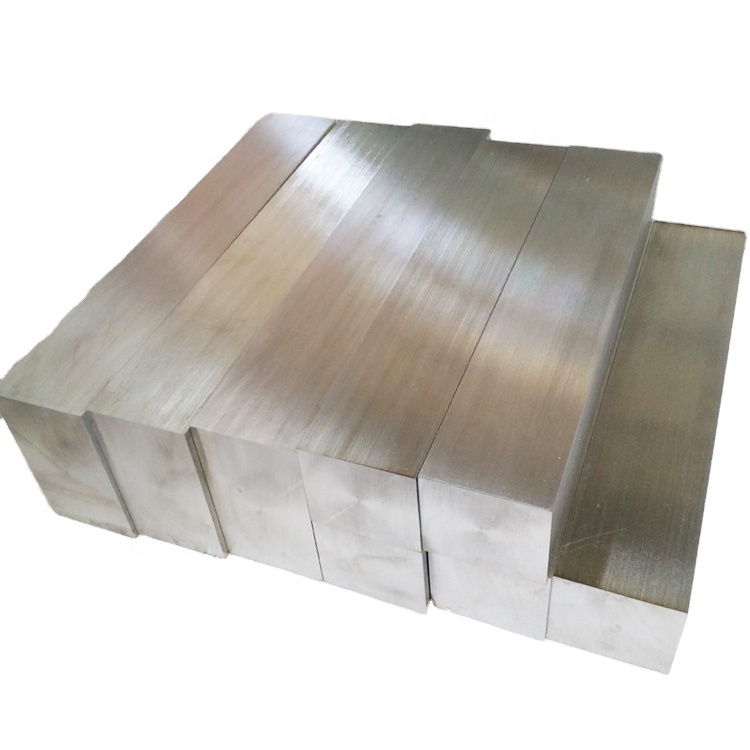
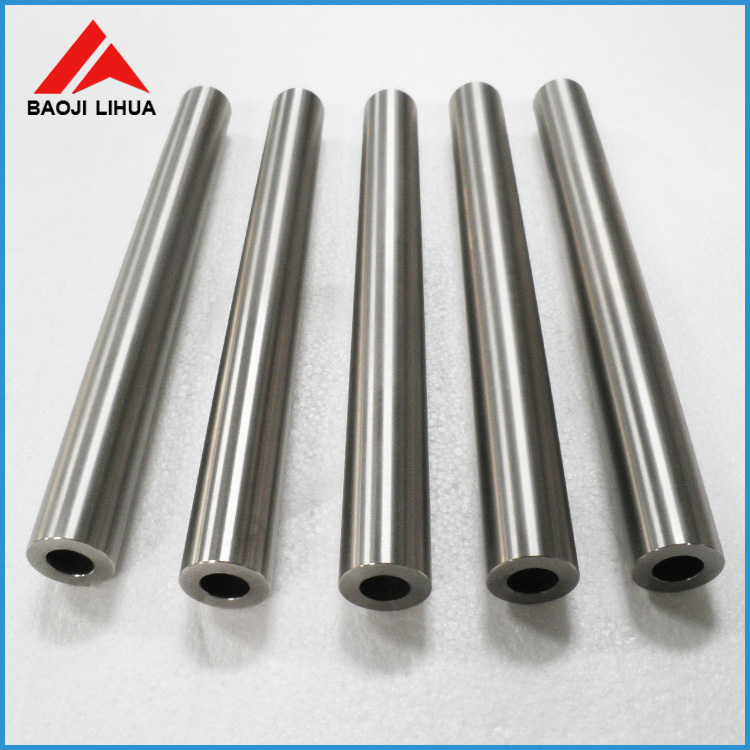
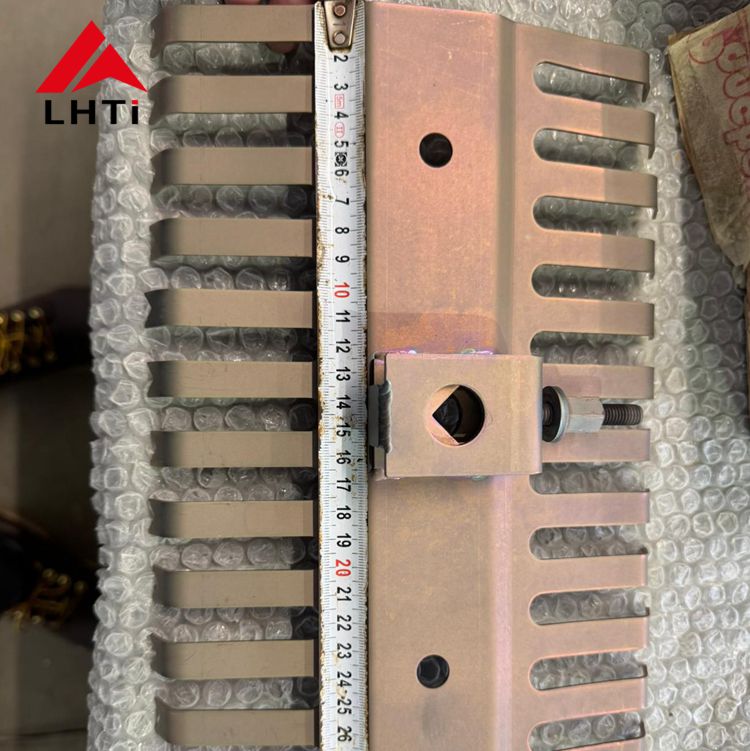
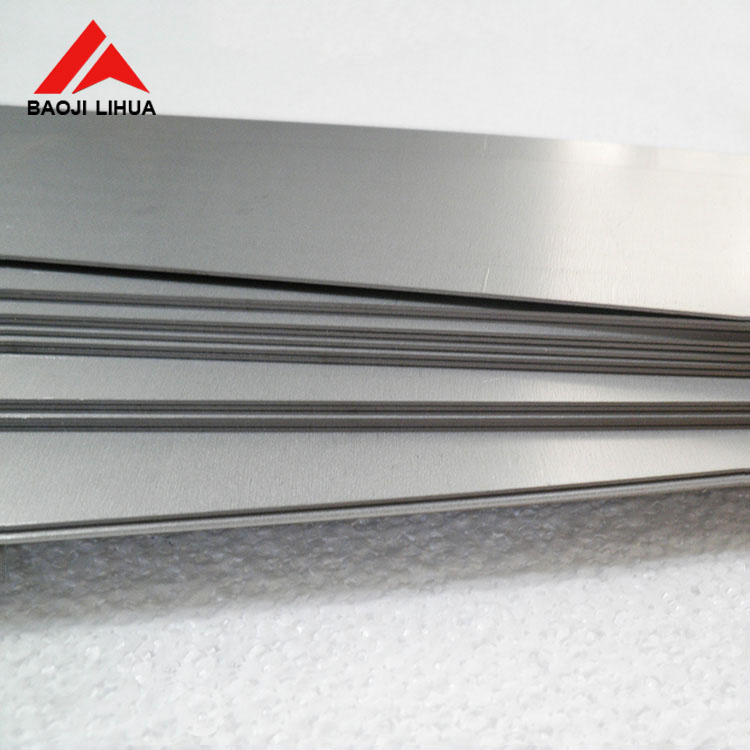
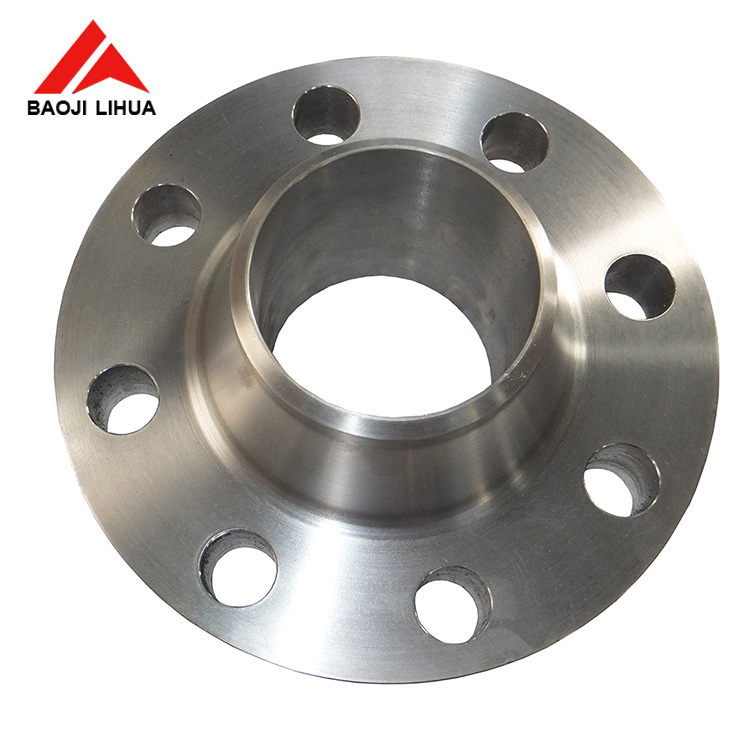
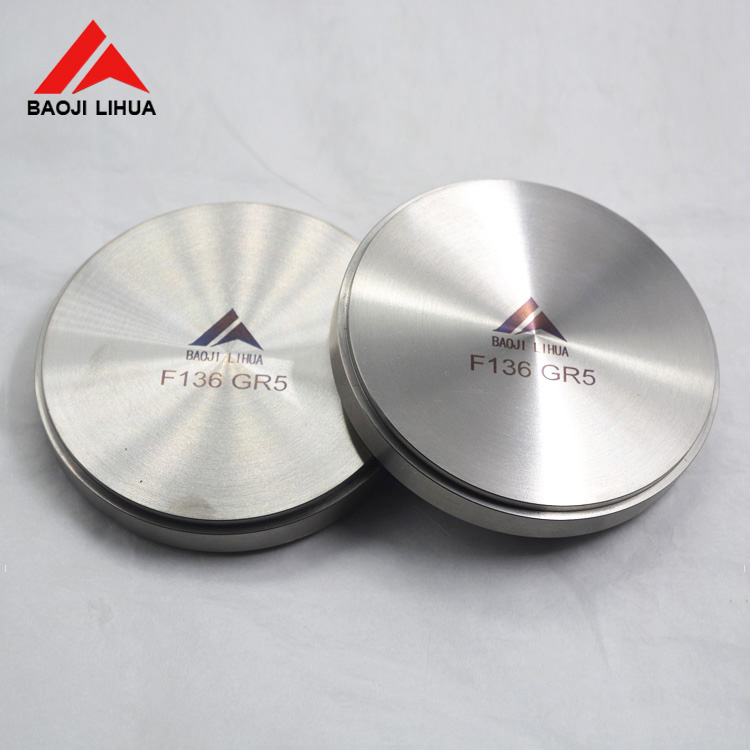
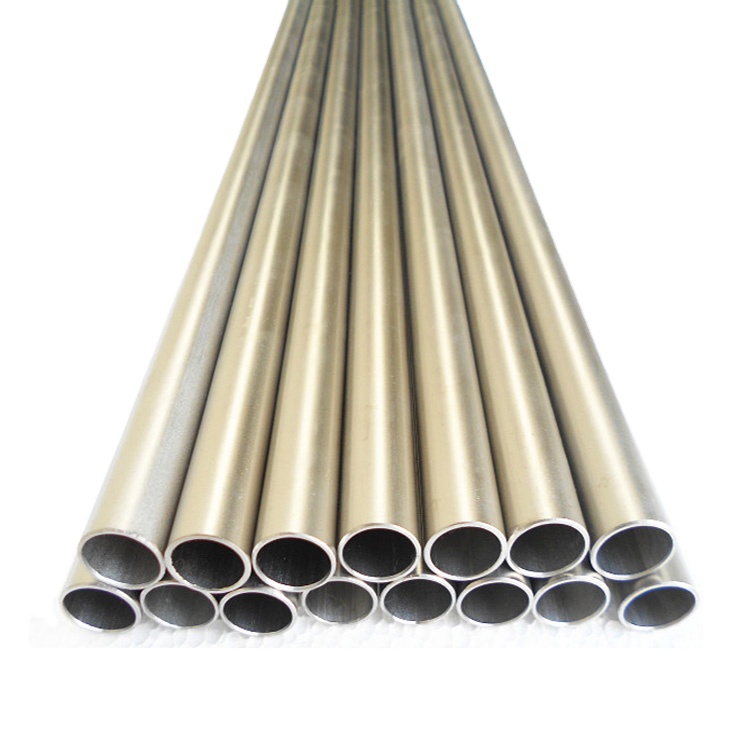
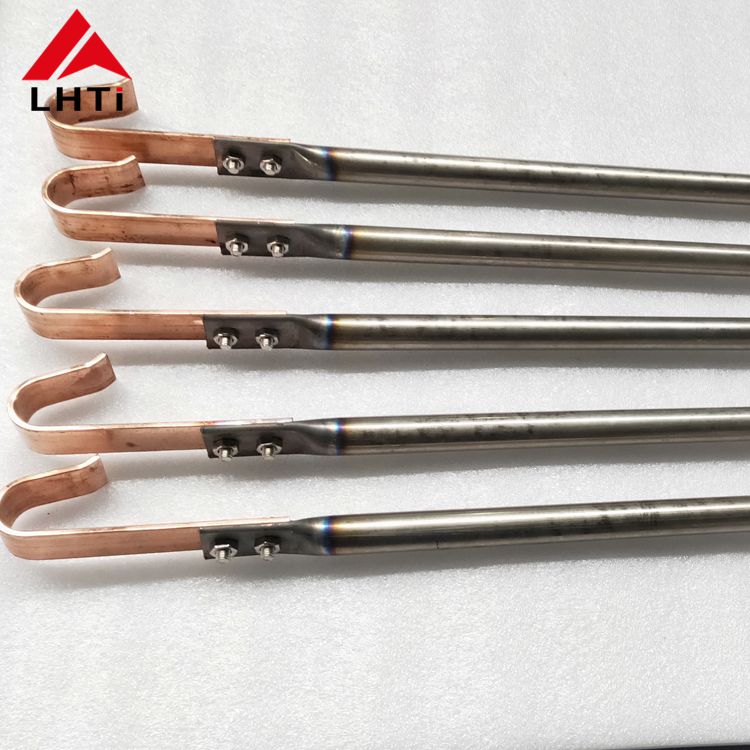
High-Integrity Titanium Flange Ring Manufacturing for Critical Environments
A technical treatise on the seamless forging, microstructural grain refinement, and pressure containment performance of CP Grade 2 and Ti-6Al-4V Grade 5 rings.
In high-pressure marine, chemical handling, and coastal processing operations, component breakdown caused by crevice corrosion, pitting, or weld-zone sensitization is catastrophic. Jovzi Titanium Industry Co., Ltd. serves as an authoritative OEM and ODM manufacturer of ASTM B381 and ASME B16.5 titanium flange rings, providing European industrial procurement engineers in Faro and across the Algarve with advanced radial-axial ring rolling solutions. Combining state-of-the-art multi-directional open and closed die forging with high-precision CNC machining, our manufacturing process eliminates the structural anisotropic vulnerabilities typical of plate-cut or longitudinally welded rings.
Titanium flange rings manufactured to ASTM B381 (Grades F1, F2, F5, F7, and F12) exhibit outstanding strength-to-weight ratios and virtually absolute immunity to seawater chlorides across ambient and elevated temperatures. By maintaining an uninterrupted circumferential grain structure during the hot seamless ring-rolling phase, our flange rings maintain uniform hoop stress resilience under fluctuating cyclic pressure loads. Whether your requirement calls for Weld Neck Flanges (WN), Slip-On Flanges (SO), Blind Flanges (BL), or custom heavy-wall forged transition rings for offshore energy converters, our manufacturing protocols fulfill strict European Union PED (Pressure Equipment Directive 2014/68/EU) parameters.
Grain Boundary Refinement and Chemical Traceability
Our raw sponge titanium is melted via vacuum arc remelting (VAR) or electron beam cold hearth refining (EBCHR) to ensure total eradication of high-density inclusions (HDIs) and hard alpha nitrogen defects. Subsequent thermomechanical processing within the controlled beta-transus thermal envelope yields refined equiaxed alpha grains with intergranular beta distribution in Grade 5 (Ti-6Al-4V), offering minimum tensile strengths exceeding 895 MPa alongside exceptional fracture toughness. For CP Grade 2, interstitial elements such as Oxygen (≤0.25%), Carbon (≤0.08%), and Iron (≤0.30%) are tightly controlled to deliver maximum ductility (elongation ≥20%) and optimum cold forming performance during subsea bolting and assembly.
Radial-Axial Ring Rolling
Seamless ring outer diameters up to 1,500 mm with unbroken tangential grain flow, improving fatigue life and high-cycle dynamic pressure containment.
CNC Multi-Axis Machining
Tolerances within ±0.01 mm on raised face (RF) serrations, spiral concentric finishes (Ra 3.2–6.3 μm), and precision bolt-hole pitch circles.
EN 10204 3.1 Traceability
Every forging includes heat-specific chemical analysis, room-temperature tensile/yield reports, and ultrasonic non-destructive testing (NDT) to ASTM A388.
OEM/ODM Custom Profiles
Special grooved blind flanges, RTJ (Ring Type Joint) gasket profiles, stub ends with titanium backing rings, and drawing-specific geometry.
Localized Applications of Titanium Flange Rings Across Faro & Algarve
Addressing the specific electrochemical and thermodynamic stresses present in Southern Portugal's maritime, desalination, and clean-energy sectors.
Faro, serving as the commercial and logistical administrative capital of Portugal's southernmost Algarve region, occupies a strategic geographic interface between the Atlantic Ocean and the Mediterranean basin. The region is marked by intense marine atmospheric salinity, high ambient UV exposure, and rapidly evolving industrial demands centering around high-recovery seawater desalination, oceanic renewable energy pilot facilities, luxury marine shipbuilding, and specialized aerospace telemetry. Standard duplex and super duplex stainless steels (such as 2205 and 2507) deployed along the Ria Formosa barrier island ecosystem often suffer localized biofouling-induced crevice corrosion under micro-turbulent conditions. Jovzi Titanium's OEM/ODM Grade 2 and Grade 7 (Palladium-stabilized) titanium flange rings represent the premier zero-corrosion alternative for critical fluid conduits.
SWRO Seawater Desalination Plants
The Algarve's critical reliance on Seawater Reverse Osmosis (such as the planned regional municipal and agricultural desalination infrastructure) requires continuous piping operations at 65 to 80 bar. Our ASTM B381 Grade 2 and Grade 12 forged flange rings deliver lifetime resistance against high-velocity brine impingement, hypochlorite shock dosing, and crevice attack beneath spiral wound elastomeric gaskets.
Naval Engineering & Superyacht Refit
Commercial docks, commercial fishing fleets, and superyacht yards operating out of the Port of Faro and Portimão require custom titanium exhaust overboard dump flanges, seawater cooling hull penetrations, and propulsion shaft seal rings. Grade 5 Ti-6Al-4V machined rings provide massive weight reductions and eliminate galvanic degradation against carbon-fiber composite hulls.
Offshore Marine Renewable Energy
Off the coast of Southern Portugal, deep-water floating offshore wind installations and wave energy prototype arrays (such as oscillating water column converters) encounter relentless dynamic Atlantic swell fatigue. Jovzi's high-purity forged ring bodies withstand cyclical wave bending moments, providing hermetically sealed subsea electrical tether penetrations and mooring junction rings.
Engineering Matrix: Titanium vs. Conventional Alloys in Seawater Service
A direct performance benchmark demonstrating how forged titanium eliminates maintenance overhaul cycles in Faro's marine facilities.
| Material Grade | UNS / EN Spec | Tensile Strength (MPa) | Yield Strength (MPa) | Seawater Pitting Rate | Primary Industrial Use in Faro |
|---|---|---|---|---|---|
| Titanium Grade 2 | UNS R50400 / 3.7035 | ≥ 345 | ≥ 275 | 0.000 mm / yr (Immune) | Desalination SWRO headers, marine cooling piping, chemical dosing |
| Titanium Grade 5 (Ti-6Al-4V) | UNS R56400 / 3.7165 | ≥ 895 | ≥ 828 | 0.000 mm / yr (Immune) | High-pressure subsea housings, racing yacht drives, aerospace hardware |
| Titanium Grade 7 (Ti-0.15Pd) | UNS R52400 / 3.7235 | ≥ 345 | ≥ 275 | 0.000 mm / yr (Immune) | Acidic chemical processing, extreme crevice zones, heated brine |
| Super Duplex 2507 | UNS S32750 / 1.4410 | ≥ 750 | ≥ 550 | Susceptible to crevice attack >25°C | Interim piping systems; prone to pitting in stagnant chlorinated water |
| CuNi 90/10 (Copper Nickel) | UNS C70600 / 2.0872 | ≥ 290 | ≥ 105 | 0.025–0.050 mm / yr | Legacy marine cooling lines; subject to erosion corrosion >3.5 m/s |
As demonstrated in the empirical data above, Titanium Grade 2 and Grade 5 offer unmatched pitting resistance equivalent to a PREN (Pitting Resistance Equivalent Number) value effectively infinite under standard marine temperatures. Unlike Copper-Nickel alloys which fail rapidly when flow velocities surpass 3.5 meters per second, titanium forms a spontaneous, chemically stable, self-healing rutile TiO2 oxide passivation film that withstands fluid flow speeds exceeding 30 meters per second. This enables Faro desalination engineers to specify downsized, lighter pipe diameters without risk of erosion corrosion, significantly reducing total lifecycle infrastructure capital expenditure.
Macro-Industrial Trends Shaping Titanium Sourcing Across Faro (2025–2030)
How the European Green Deal, water resilience frameworks, and blue economy investments drive demand for traceable OEM titanium forgings.
The Algarve region is currently at the center of ambitious infrastructure transformations steered by Portugal's National Energy and Climate Plan (PNEC 2030) and the EU Horizon Europe Blue Growth strategy. Rising regional water scarcity has shifted desalination from an emergency backup to a core pillar of municipal drinking water and agricultural stability in Southern Portugal. Municipal water authorities and industrial EPC contractors operating out of Faro are mandated to build facilities with design life spans exceeding 35 years. Specifying conventional stainless steel or coated carbon steel introduces severe maintenance intervals and chemical leaching risks. As a result, procurement mandates increasingly require ASTM B381 Grade 2 forged flange rings to eliminate recurring pipework replacement cycles.
Concurrently, the rapid emergence of the Port of Sines and the Southern Portuguese Atlantic corridor as deep-sea clean hydrogen export hubs has stimulated advanced engineering research at nearby academic hubs such as the University of the Algarve (UAlg). High-efficiency Proton Exchange Membrane (PEM) electrolyzers utilize titanium bipolar plates, separator rings, and high-pressure manifold flanges due to titanium's exceptional anodic polarization stability in acidic electrochemical environments. Furthermore, the region's expanding uncrewed surface vessel (USV) and subsea environmental telemetry testing stations leverage Grade 5 titanium rings to manufacture lightweight, crush-proof sensor housings able to resist Atlantic abyss hydrostatic pressures down to 4,000 meters.
Direct Manufacturing Strength from China's Titanium Valley
Combining 19+ years of export excellence with ISO 9001 certified precision manufacturing, complete traceability, and comprehensive OEM/ODM solutions.
Tier-1 Raw Sponge Sourcing
Located in Baoji, Shaanxi—producing the vast majority of China's titanium mill products. We utilize 100% virgin grade 0A sponge, completely avoiding contaminated post-consumer turnings in high-stress forging heats.
BaoTi Center Testing
Beyond our internal ISO 9001 metallurgical testing laboratories, every batch can be certified by the nationally accredited BaoTi Test Center, verifying tensile, elongation, micro-hardness, and ultrasonic compliance.
Senior Engineering Staff
Our workshop is guided by 4 senior and 5 intermediate metallurgical engineers, allowing us to review and validate complex Portuguese or European engineering drawings within 8 hours, delivering fully actionable CAD/CAM models.
With an export ratio consistently between 81% and 90%, Jovzi Titanium Industry Co., Ltd. understands the exacting quality expectations of European procurement managers. Shipments destined for Faro or nearby Portuguese ports are individually coated with anti-scratch protective films, vacuum sealed with desiccant to prevent maritime atmospheric contamination during transit, and secured inside custom-built fumigated seaworthy wooden crates conforming strictly to ISPM 15 standards.
Frequently Asked Questions for Buyers Sourcing in Faro & Portugal
Clear, direct answers to common questions regarding customs duties, European logistics, material standards, and custom machining options.