ISO 9001 Certified Titanium Manufacturer · Baoji, China · Since 2006 [email protected]

Superelastic Nitinol Memory Wire Manufacturers & Factories for the Pécs Market

Industrial Whitepaper & Metallurgical Procurement Manual for High-Precision Shape Memory Alloys, Titanium Components, and OEM Machined Solutions in Baranya County

2006 Established in Baoji, China
±0.005 mm Superelastic Wire Tolerances
ISO 9001 Certified Metallurgical Control
EN 10204 3.1 100% Traceable MTC Verification
Stock & Custom Fabrication Matrix

Precision Titanium & Smart Material Catalogue

Engineered to meet the exact mechanical requirements of automotive tier suppliers, advanced medical manufacturing, and chemical process plants in Pécs and Central Europe.

Metallurgical Whitepaper

Superelastic Nitinol Wire: Engineering Parameters & Phase Transformation

An authoritative technical evaluation of superelastic nickel-titanium (NiTi) shape memory alloys for system engineers, R&D laboratories, and technical procurement specialists in Pécs.

1. The Mechanics of Superelasticity (Pseudoelasticity)

Nickel-Titanium (commonly designated as Nitinol or NiTi) represents a unique class of shape memory alloys governed by a reversible, diffusionless solid-state phase transformation between parent Austenite (cubic B2 crystal lattice) and child Martensite (monoclinic B19' crystal lattice). While thermal shape memory effects allow the alloy to return to an engineered shape upon heating through its transformation temperature range (TTR), superelasticity is purely stress-induced.

When mechanical stress is introduced at an operating ambient temperature above the Austenite Finish ($A_f$) temperature, the parent austenitic phase transforms mechanically into stress-induced martensite (SIM). Nitinol can withstand non-linear mechanical strains up to 8% to 10% fully reversible deformation without accumulating permanent plastic slip. Upon release of the tensile or bending force, the unstable martensite instantly reverts to austenite, snapping back to its original geometric configuration with extreme dynamic elasticity. In contrast, common high-tensile spring steels or surgical 316L stainless steel experience structural yield and irreversible plastic deformative damage at strains exceeding 0.5% to 0.8%.

2. Chemical Stoichiometry and Transformation Temperature Control

The operational success of superelastic Nitinol wire in Central European climates—specifically throughout the manufacturing clusters of Pécs, Baranya County, and Southern Transdanubia—hinges upon extreme stoichiometric precision. A microscopic variation of just 0.1 atomic percent (at.%) of Nickel shifts the active transformation phase temperatures by more than 10°C to 15°C. For industrial and medical devices operating at ambient room and physiological temperatures, our smelting line at Jovzi Titanium standardizes on a precise stoichiometric ratio (typically 55.6% to 56.0% Ni by weight), keeping the $A_f$ temperature tightly tuned within -10°C to +15°C.

Characteristic / Property Superelastic Nitinol (NiTi-SE) Ti-6Al-4V (Grade 5 Titanium) Medical Stainless Steel (316LVM)
Reversible Elastic Strain Up to 8.5% Approx. 0.8% Approx. 0.35%
Ultimate Tensile Strength ($R_m$) 1,150 – 1,450 MPa 895 – 1,050 MPa 860 – 1,100 MPa
Young’s Modulus ($E$) ~40–75 GPa (Variable Phase) 110–114 GPa 190–210 GPa
Density ($\rho$) 6.45 g/cm³ 4.43 g/cm³ 7.95 g/cm³
Biocompatibility / Tissue Contact Superior ($TiO_2$ Passivated Layer) Excellent (ASTM F136 Standard) Moderate (Potential Ni ion leaching)
Corrosion Resistance in $Cl^-$ Virtually Immune (Electropolished) Immune under ambient conditions Pitting prone under stagnant conditions

3. Drawing, Heat-Setting Mandrels, and Straightening Processes

Manufacturing ultra-fine and structural Nitinol memory wire requires multi-pass cold drawing utilizing synthetic polycrystalline diamond (PCD) dies with precise inter-pass vacuum annealing. Surface condition is a vital variable: depending on final application demands, wires are supplied with black oxide (heat treated), amber oxide, lightly pickled, or mirror-finished chemical-mechanical electropolished surfaces. Subsequent heat setting over precision CNC mandrels at 480°C to 520°C stabilizes the austenite parent geometry, ensuring zero drift during millions of flexural cycles.
Local Market Integration

High-Precision Applications Across the Pécs Industrial Corridor

Connecting Jovzi's Baoji metallurgy hub with Baranya County's engineering infrastructure, automotive tier networks, and university research facilities.

Biomedical Micro-Invasive Devices

Collaborating with scientific spin-offs from the University of Pécs Medical School (Pécsi Tudományegyetem), our superelastic Nitinol wire (0.05mm to 0.60mm) serves as the core substrate for steerable vascular guidewires, retrieval baskets, endovascular stent support structures, and endoscopic instruments requiring kinking resistance and extreme flexibility.

Automotive Precision Actuators & Sensors

The industrial zones around Pécs and the M6 highway corridor host international tier automotive component manufacturers. Superelastic Nitinol wires act as thermal control valves, micro-actuators, and fatigue-resistant deployable structural hinges that replace complex electric motors, drastically cutting system weight and sensor packaging volumes.

Advanced Optometry & Robotics Hardware

Supplying durable shape-memory eyewear frame components, orthodontic archwires, and compliant robotic grippers for regional electronics manufacturing facilities in Southern Hungary. The wire withstands continuous deformation without loss of clamping calibration or permanent shape distortion.

Strategic Outlook

Industrial Trends & Supply Chain Resilience in Pécs

How the Southern Transdanubia manufacturing ecosystem is adapting to smart materials, green transition mandates, and nearshore metallurgy procurement.

Automotive Electrification and Lightweight Structural Demand

As Hungary continues its rapid transformation into a European centerpiece for electric mobility and battery technology, suppliers in Pécs and surrounding industrial estates are under stringent pressure to reduce unsprung vehicle mass. Titanium Grade 5 (Ti-6Al-4V) components and Nitinol actuators offer an extraordinary density advantage (6.45 g/cm³ and 4.43 g/cm³) compared to traditional tool steels (7.85 g/cm³), enabling tier-1 automotive suppliers in Baranya to satisfy rigorous EU automotive fleet emissions and operational efficiency targets.

The Rise of Regional Medical Innovation Corridors

Pécs is increasingly recognized for health technology, surgical device incubation, and bioengineering. The convergence of clinical practitioners and localized manufacturing houses demands higher metallurgical purity—such as vacuum double-melted VAR or EB melted high-purity NiTi alloys compliant with ASTM F2063 standards for medical implants. Traceability down to the initial sponge or ingot batch is now an imperative gatekeeper for European regulatory approvals.

Mitigating Supply Chain Shocks Through Direct Factory Partnerships

Traditional multi-tiered distribution channels across Western and Central Europe introduce significant markup premiums and erratic delivery lag times. Engineering teams in Pécs are mitigating these supply chain vulnerabilities by forming factory-direct channels with origin manufacturers based in Baoji—China's "Titanium Valley." Jovzi Titanium's direct technical consultation, paired with seamless DAP/DDP freight delivery, ensures that metallurgical integrity, mill test certification, and batch uniformity remain entirely transparent from smelting to installation.

The Jovzi Engineering Advantage

Why Procurement Leaders Choose Jovzi Titanium Industry

Combining primary mill resources from China's Titanium Valley with strict ISO 9001 quality management and global export execution.

Rooted in Baoji's Titanium Valley

Operating since 2006 directly within China's metallurgical center. Our production infrastructure leverages first-run sponge metal, ensuring raw ingot purity, tight alloy compounding, and consistent crystalline grain structures.

Traceable EN 10204 3.1 Certification

Every shipment is accompanied by comprehensive chemical and mechanical mill test certificates. Independent third-party validation reports from the authorized BaoTi Test Center are routinely furnished on demand.

Advanced OEM & CNC Engineering

Over six years of specialized OEM drawing customization. Staffed by 4 senior and 5 intermediate metallurgical engineers handling tight dimensional tolerances down to ±0.005mm on custom turned, milled, and wire components.

Agile MOQ & Global Trade Terms

Direct export execution across 80+ countries with 81–90% export ratio. We accept flexible Incoterms including DDP, CIF, and express door-to-door, offering prototyping batches from 1 kg up to full container shipments.

Procurement Knowledgebase

Frequently Asked Questions for Hungarian & EU Buyers

Crucial commercial, technical, and regulatory clarifications for engineering teams in Pécs and surrounding regions.

Which transformation temperature range (TTR) should we specify for superelastic wire in Pécs?
For applications functioning at standard ambient room temperatures or automotive interiors in Southern Hungary, an Austenite Finish ($A_f$) temperature calibrated between 0°C and +15°C is strongly recommended. This guarantees that the wire remains 100% in its superelastic austenitic state throughout typical winter and summer operational cycles. For biomedical applications involving human body contact, an $A_f$ setting between +30°C and +37°C is required.
What international quality standards and ASTM specifications do your products meet?
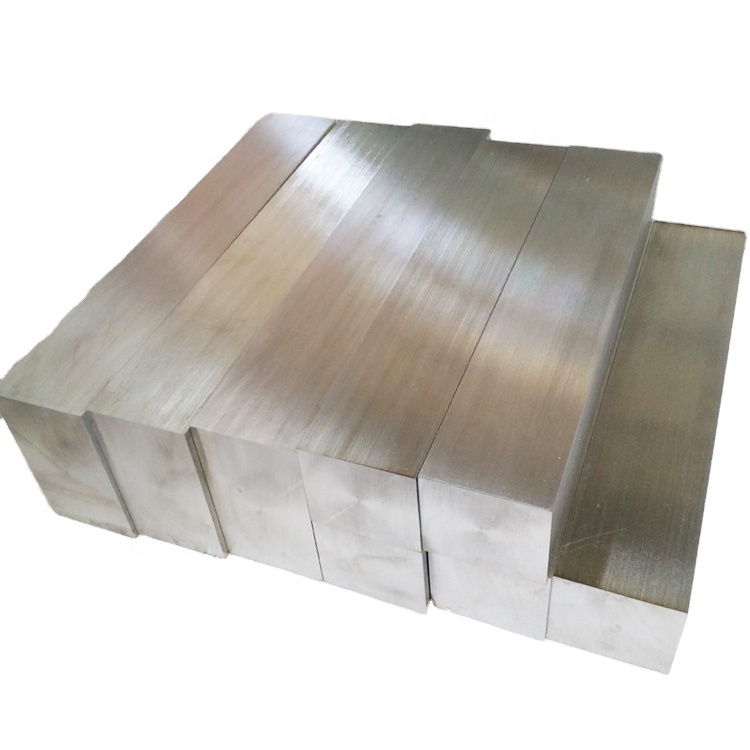
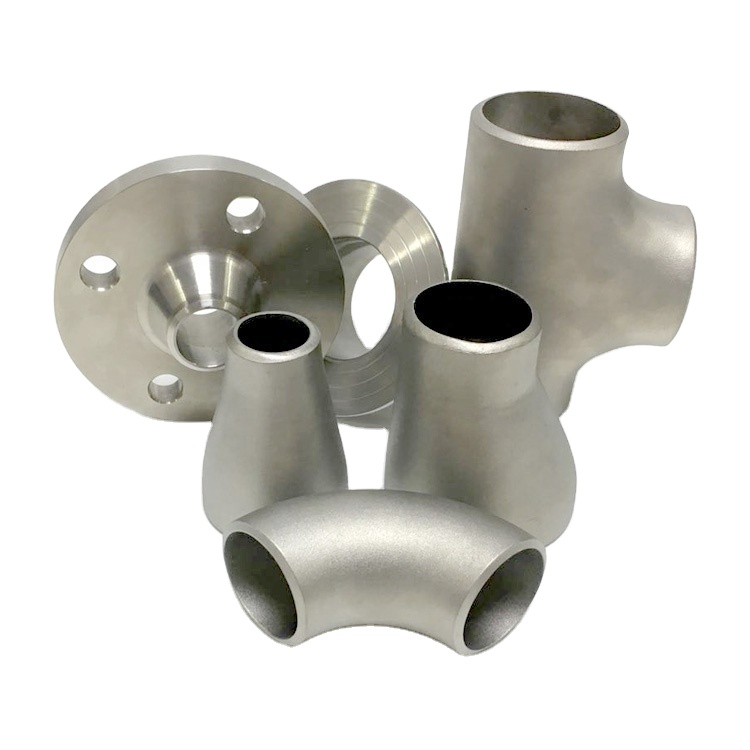
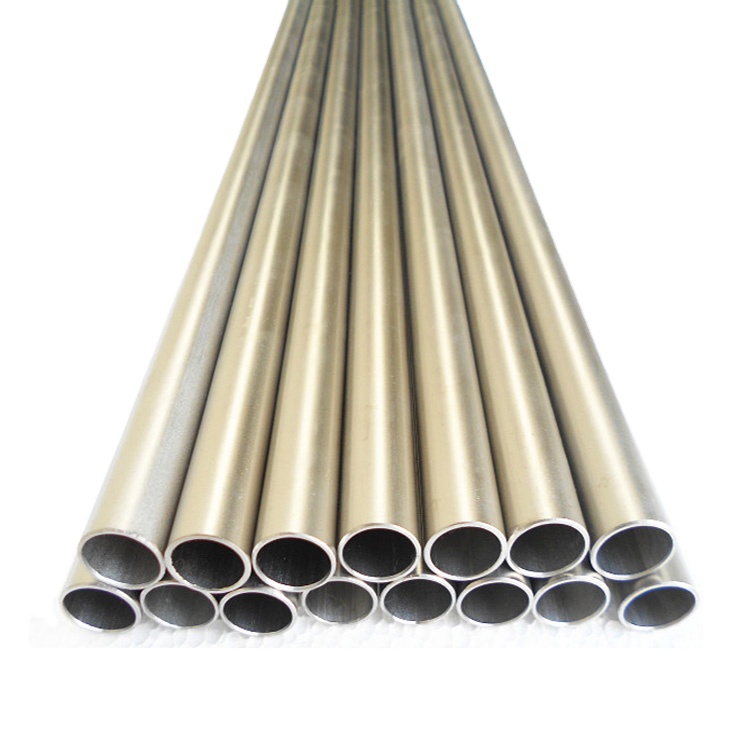
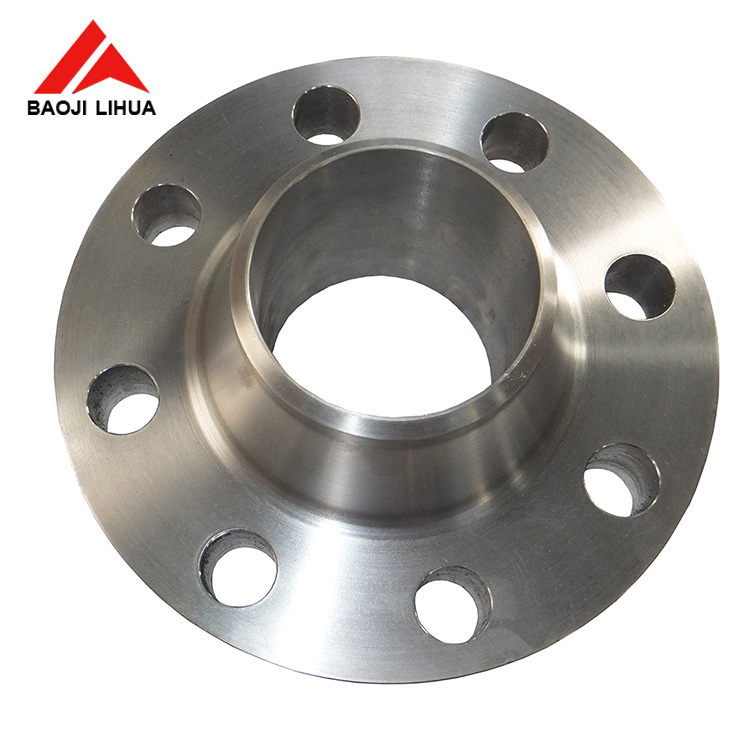
Our superelastic Nitinol wire is smelted and drawn in strict adherence to ASTM F2063 (standard for medical devices and surgical implants). Titanium bars, forgings, and piping products conform to ASTM B348, ASTM B381, ASTM B338, ASTM B363, and ASME B16.5 pressure vessel flange ratings, alongside DIN 912 fastener standards.
How are logistics, customs, and import duties handled for deliveries to Pécs, Hungary?
We provide comprehensive international shipping options including air express (DHL/FedEx/TNT) for prototypes (3–7 days transit), air freight to Budapest Ferenc Liszt International Airport (BUD), or maritime consolidation to Adriatic ports (Koper or Rijeka) with onward rail/truck delivery to Pécs. We support DDP (Delivered Duty Paid) terms, relieving your local procurement team from complex import customs clearances and tariff payments.
Can Jovzi machine custom Nitinol or Titanium parts according to proprietary CAD/STEP drawings?
Yes. With our in-house 5-axis CNC machining, micro-wire drawing, and vacuum heat-treatment furnaces, our technical department accepts 2D and 3D files (PDF, DWG, DXF, STEP, IGES). Custom shape-setting mandrels can be manufactured rapidly to form complex three-dimensional memory wire geometry according to your exact tolerances.
What are your Minimum Order Quantities (MOQ) and sample lead times?
For standard stock Nitinol wire and Grade 2/Grade 5 titanium bars, MOQs start from as low as 1 kg to support initial R&D trial runs. Custom engineered shapes, CNC machined parts, and specific TTR-calibrated spools generally begin at 5 to 20 kg. In-stock sample items ship within 48 hours; custom fabricated tooling typically requires 15 to 25 production days.

Engage with Jovzi's Metallurgical Specialists Today

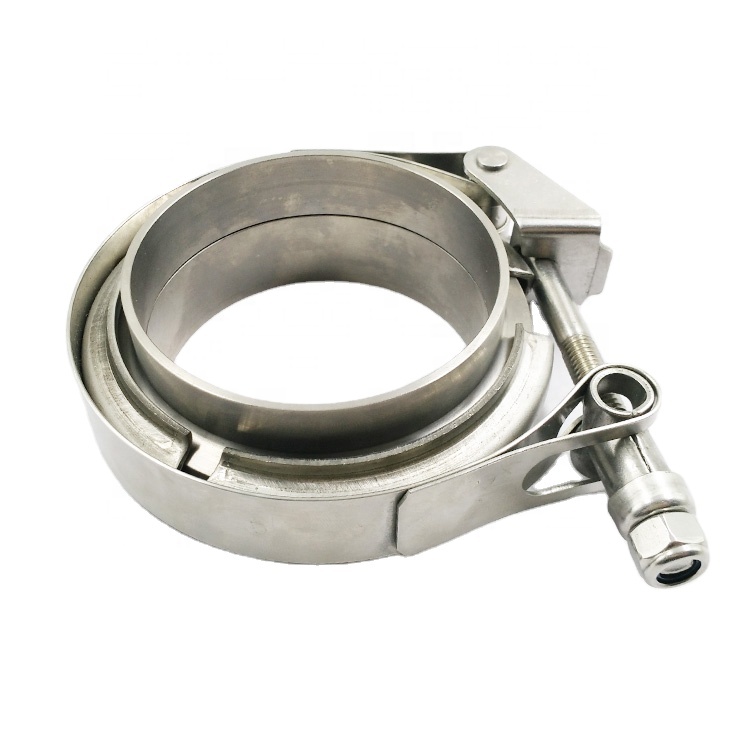
Whether you require standard ASTM B348 titanium stock, custom superelastic Nitinol wires, or high-temperature exhaust and flange components for your Pécs production facility, our engineering team provides rapid quoting and full EN 10204 3.1 material documentation.

Contact Us