Specialized Titanium Mill Products & Clad Assemblies for Industrial Buyers
Supplied directly from Baoji Jovzi Titanium Industry Co., Ltd. with EN 10204 3.1 certification and rigorous ultrasonic NDT inspection for Dnipro processing systems.
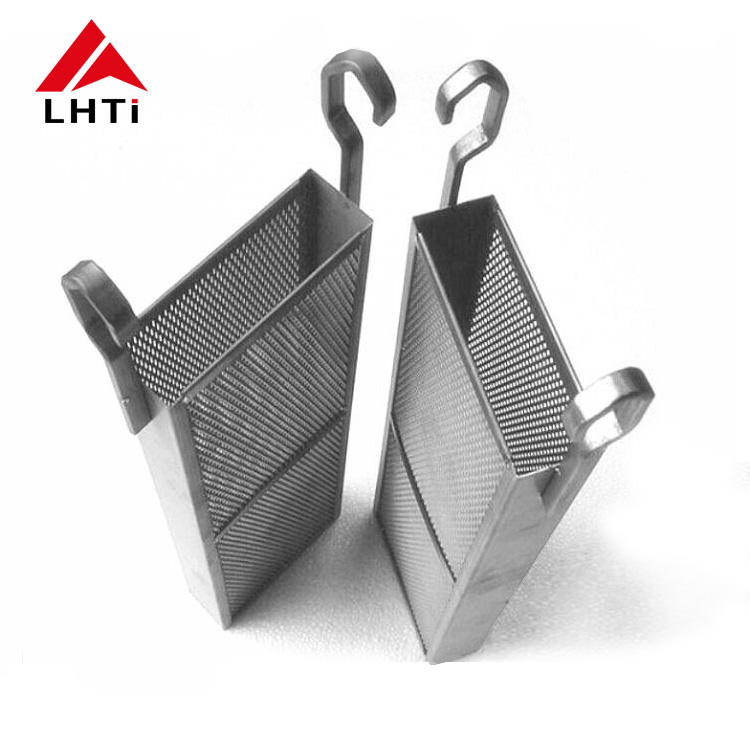
Gr2 Titanium Anode Basket Electroplating 5x10 6x12mm for Chemical Industry
High-rigidity Grade 2 expanded mesh baskets designed for electrolytic refining, plating baths, and acidic hydrometallurgy cells.
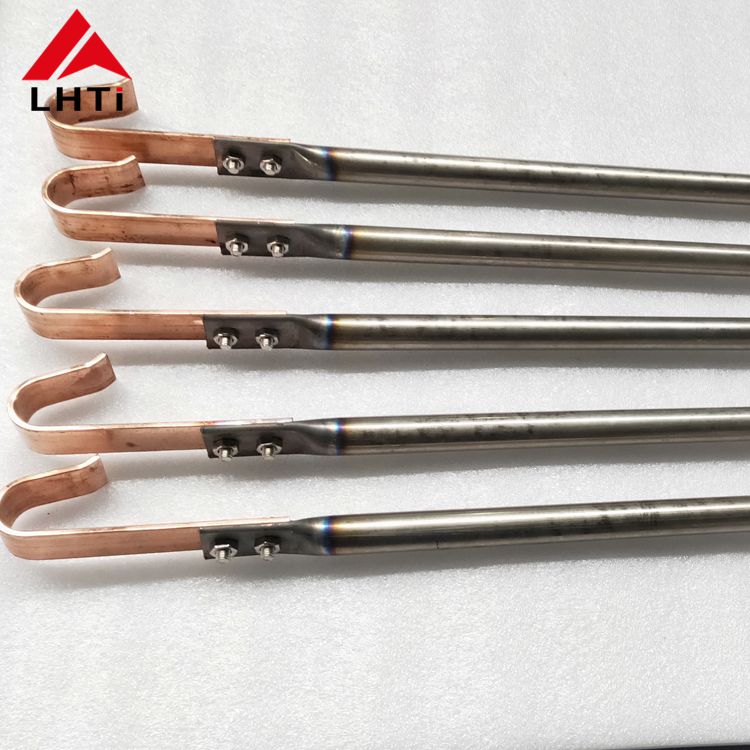
Anodizing Gr2 Titanium Shaft with Copper Hook for Plating
Composite Gr2 titanium cladding over copper core hook ensures superior electrical conductivity paired with chemical corrosion resistance.
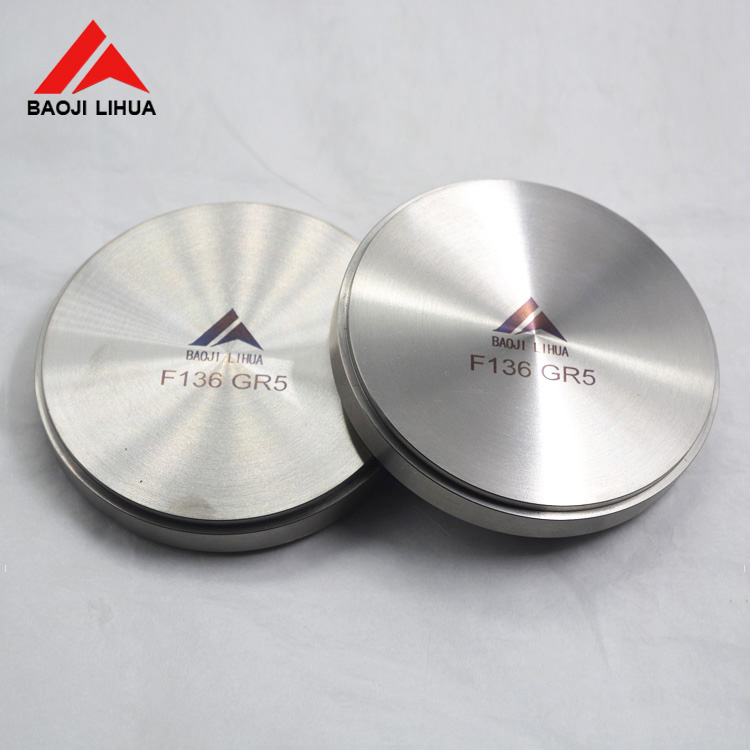
Hot Selling Medical Grade Titanium Block Gr5 Eli Gr23 Titanium Disc for Dental Implant
Ultra-low interstitial Gr5 ELI (Ti-6Al-4V) blocks and discs tailored for precision CNC machining, surgical tooling, and high-stress components.
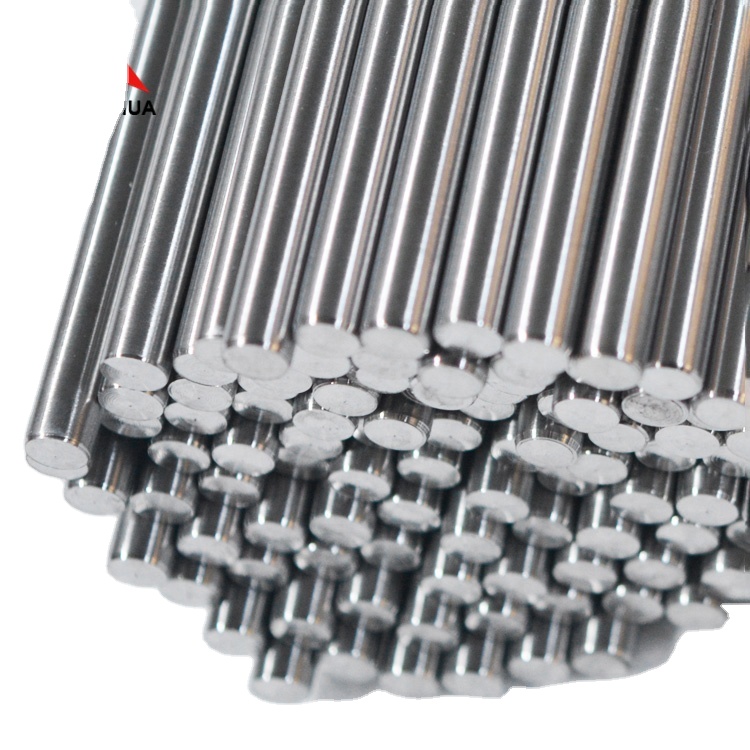
Gr2 Gr5 Titanium Round Bar 25mm/35mm/45mm/65mm Length 1000mm
ASTM B348 turned titanium round shafts engineered for autoclave shaft seals, pump impellers, and Dnipro industrial valve trim assemblies.
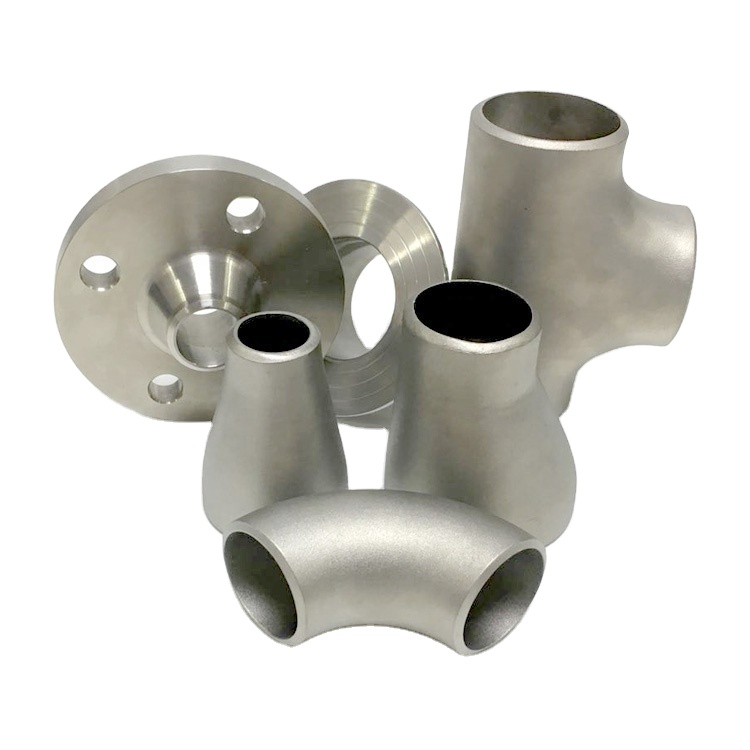
Ti-pure Titanium Seamless Concentric Reducer Pipe Fitting
Seamless ASTM B363 Grade 2 concentric reducers manufactured for aggressive piping circuits, heat exchangers, and chemical transfer lines.
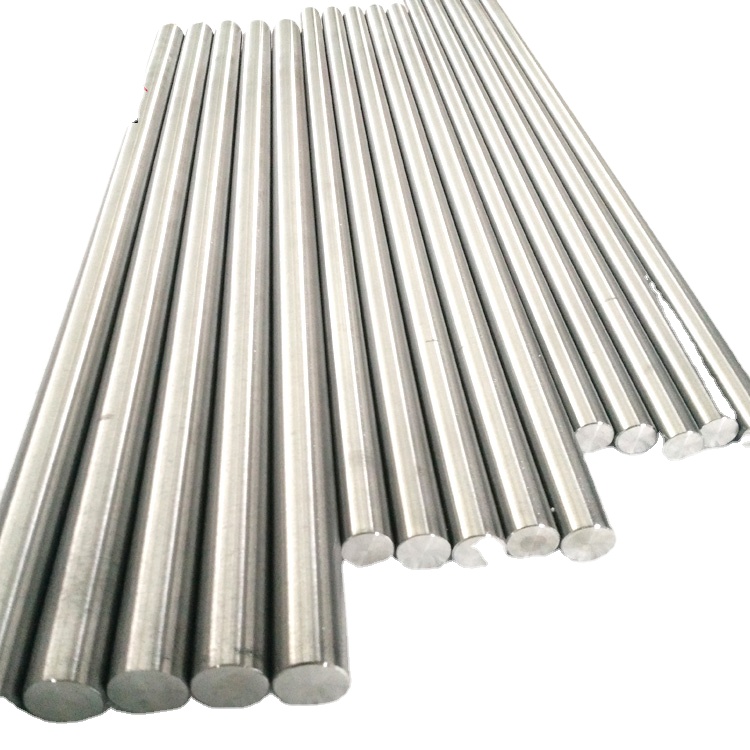
ASTMB348 GR5 Titanium Bar Tod Dia100mm Best Price High Quality
Large-diameter forged bar stock (100mm+) with high tensile strength (min. 895 MPa) certified for structural pressure retaining rings and flanges.
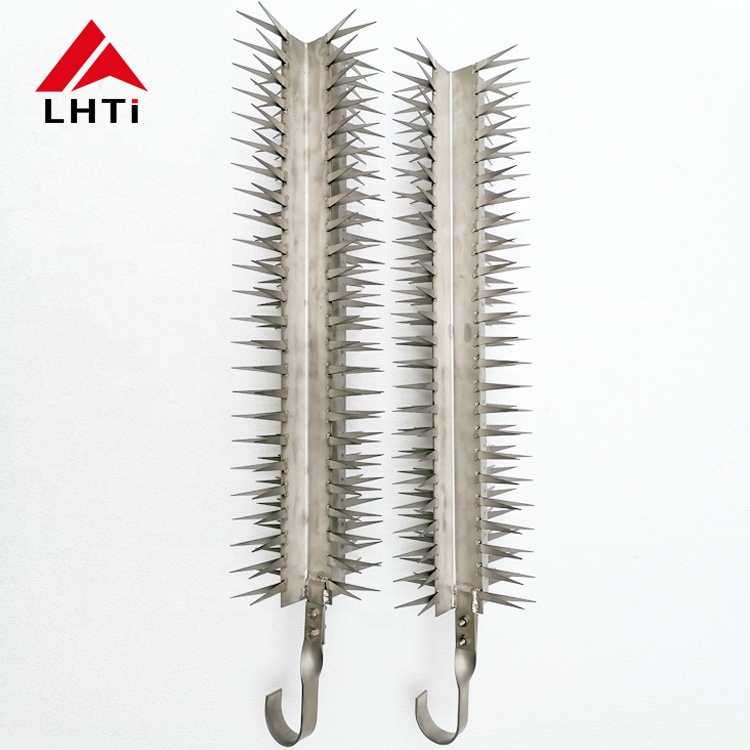
Customized Anodizing Gr1/Gr2 Titanium Jigs for Industry Coating Colors
Custom precision-welded Gr1/Gr2 titanium racks and jigs designed for automated electro-polishing, anodizing, and chemical passivation lines.
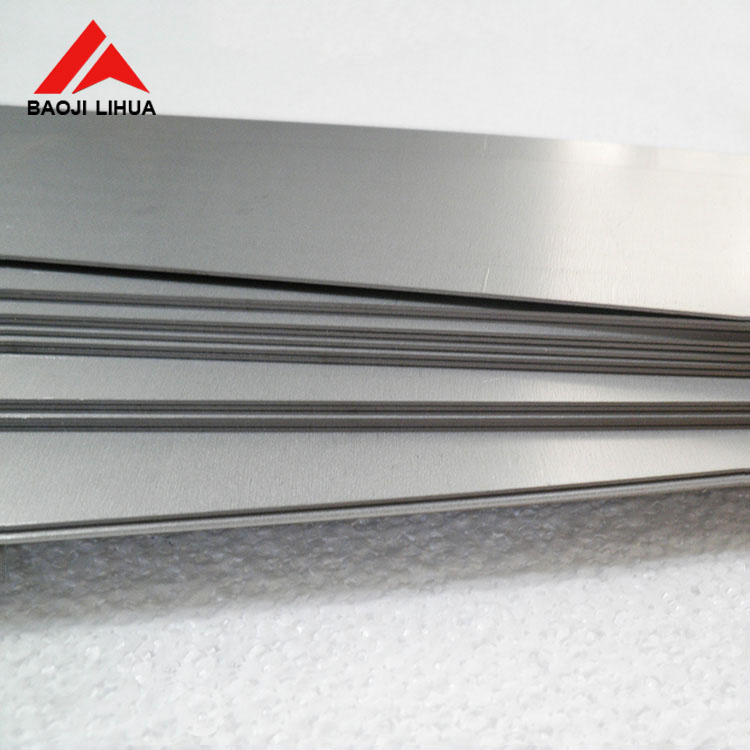
Gr2 Gr5 Ti 6al4v Polished 1mm Thickness Grade 2 Titanium Sheet Titanium Plate in Stock
Cold-rolled and vacuum-annealed titanium sheet suitable for explosive clad facing, vessel relining, and plate-fin heat exchanger core matrices.
Titanium Clad Steel Plate: Metallurgical Bond Integrity & Manufacturing Dynamics
In the demanding heavy chemical, hydrometallurgical, and energy production environments of the Dnipro industrial region (encompassing Dnipro City, Kamianske, Kryvyi Rih, and Nikopol), process equipment must continuously withstand extreme chemical aggression combined with high mechanical pressure. Constructing large-scale pressure vessels, synthesis reactors, and desulfurization absorption towers entirely out of solid titanium alloys often proves economically prohibitive. Jovzi Titanium resolves this fundamental capital expenditure dilemma through advanced Titanium Clad Steel Plates (Ti-Steel bimetallic plates), manufactured in accordance with ASTM B898, ASME SB-898, and EN 13445-4 standards.
A titanium clad plate is a composite material where a thin layer of commercially pure titanium (such as Gr1, Gr2) or corrosion-resistant alloy (Gr7 with 0.15% Palladium, or Gr12 with Mo-Ni) is metallurgically joined to an economical, high-strength structural carbon steel or pressure-vessel grade steel backing (such as SA516 Gr 70, 16Mo3, Q345R, or 304L/316L stainless steel). This bimetallic architecture delivers an optimal engineering compromise: the titanium cladding isolates process fluids and corrosive chemicals, while the heavy carbon steel substrate absorbs mechanical hoop stress, structural wind loads, and thermal hydraulic pressures.
| Material Configuration | Corrosion Resistance Mechanism | Mechanical Pressure Capability | Relative Cost Factor | Thermal Expansion Stress Risk |
|---|---|---|---|---|
| Jovzi Titanium Clad Steel (Gr2 + SA516 Gr70) | Dense, self-healing TiO2 passive oxide film resisting wet chlorides, nitric acid, and brine. | Exceptional. High yield and tensile values governed by heavy structural base plate. | Economical (1.0x baseline). Reduces titanium usage by up to 75-85%. | Low to Medium. Controlled by explosion bonding interface buffer layers. |
| Solid Titanium Plate (Grade 2 / Grade 5) | Identical total chemical resistance throughout full cross-sectional thickness. | Moderate per unit thickness; requires heavy plate wall thickness for high-pressure designs. | Extremely High (3.5x - 5.0x). Severe raw material cost burden on large vessels. | Negligible within homogeneous alloy cross-section. |
| Nickel-Alloy Solid Plate (Hastelloy C-276) | Resistant to high chlorides and sulfuric mixtures; susceptible to aggressive nitric acid. | High mechanical strength across ambient and elevated temperatures. | Prohibitive (4.0x - 6.2x). Subject to global nickel-molybdenum market volatility. | Uniform homogeneous expansion. |
| Rubber or PTFE Lined Carbon Steel | Polymer barrier lining susceptible to rapid mechanical abrasion and chemical gouging. | Governed entirely by carbon steel shell; limited severely by low operating temperatures. | Low Initial (0.6x), but High Lifecycle Maintenance due to frequent debonding and leaks. | Severe delamination risks under rapid depressurization or thermal shock cycles. |
The manufacturing of titanium clad plates requires overcoming profound physical and metallurgical disparities. Titanium has a melting temperature of 1668°C, while carbon steel melts near 1530°C. Furthermore, when titanium and iron are fusion-melted together directly, they precipitate highly brittle intermetallic phases (specifically TiFe and TiFe2) along with titanium carbides (TiC). These intermetallic phases dramatically degrade interfacial ductility, resulting in catastrophic brittle delamination during forming or pressure thermal cycles. Jovzi Titanium deploys two proprietary production methodologies to ensure a flawless metallurgical bond: High-Energy Explosive Cladding and Vacuum Hot-Roll Cladding with Multi-Layer Barrier Interlayers.
In explosive bonding, an explosive detonation wave accelerates the titanium flyer plate into the steel base plate at supersonic velocity. At the point of impact, high-pressure jetting scrubs clean all micro-surface oxides, producing a distinctive metallurgical wave-like interfacial joint. This cold, solid-phase metallurgical diffusion bond occurs within microseconds, completely bypassing the formation of detrimental Fe-Ti intermetallic compounds. The resulting interface consistently demonstrates a shear bond strength surpassing 210 MPa—substantially exceeding the 140 MPa minimum mandated by ASTM B898.
Localized Industrial Use Scenarios in the Dnipropetrovsk Basin
Custom-fabricated titanium clad plates and auxiliary piping components driving efficiency across Ukraine's core metallurgical, chemical, and energy infrastructure.
Hydrometallurgical Refining & Zirconium/Titanium Sponge Extraction
The Dnipropetrovsk region, particularly facilities around Vilnohirsk and Kamianske, forms a primary hub for titanium and zirconium mineral processing. Autoclaves, digestion vessels, and leach reactors operate in intense hydrochloric and sulfuric acid conditions at temperatures up to 220°C. Gr2 and Gr7 titanium clad steel plates provide unmatched protection against severe stress corrosion cracking (SCC) while supporting the 25 to 50 bar design pressures required for mineral leaching.
Coke-Chemical Production & Ammonium Sulfate Scrubbers
Dnipro’s prominent metallurgical and by-product coke processing complexes generate harsh gaseous streams loaded with hydrogen sulfide, ammonia, and hot cyanides. Traditional stainless steel vessels fail prematurely under localized pitting and chloride stress corrosion. Jovzi’s titanium-clad scrubber towers, gas saturators, and tar-distillation columns offer maintenance-free operation across decades, avoiding unplanned shutdown intervals.
Thermal & Hydro Energy Station Condensers
Power generation installations along the Dnieper River utilize raw river water for closed-loop condensing. In condenser tubesheets, cooling water containing biological contaminants, chlorination treatments, and abrasive sediment rapidly degrades carbon steel or brass tubesheets. Ti-clad tubesheets (Gr2 cladding over carbon steel) allow the automated orbital seal-welding of thin-wall Grade 2 titanium condenser tubes, guaranteeing zero leakage into the boiler feedwater circuit.
Nitrogen Fertilizer & Nitric Acid Synthesis Plants
Dnipro's chemical manufacturing clusters rely extensively on titanium clad autoclaves, heat-exchanger shells, and cooling coils for the synthesis of urea, nitric acid, and specialized agrochemicals. Grade 1 and Grade 2 titanium cladding completely neutralizes boiling nitric acid up to 65% concentration, precluding intergranular cracking and preventing expensive product discoloration.
Aerospace & Heavy Cryogenic Engineering Components
Benefiting from Dnipro’s prestigious aerospace and defense manufacturing legacy, specialized fabricators utilize titanium bimetallic plates for lightweight, high-integrity cryogenic storage containers, oxidizer storage vessel heads, and high-frequency vacuum chambers where gas permeability and magnetic neutrality must balance extreme structural stiffness.
Modernization Trends in the Dnipro Industrial Equipment Sector
How procurement managers and chief metallurgists are shifting paradigms in equipment replacement and modernization.
The metallurgical and chemical process manufacturing base in Dnipropetrovsk Oblast is undergoing an aggressive structural transformation. Faced with legacy infrastructure inherited from historical industrial frameworks, plant managers are systematically phasing out high-maintenance rubber-lined, enamel-coated, and lead-lined steel vessels. These older technologies present catastrophic failure risks due to blistering, mechanical tearing, and unseen corrosion beneath the lining layer. The current modernization trend heavily favors metallurgical titanium clad steel plates, ensuring continuous vessel lifespans exceeding 25 to 30 years without mid-cycle shell replacements.
A second decisive development is the progressive alignment of Ukrainian engineering specifications with the European Union Pressure Equipment Directive (PED 2014/68/EU) and ASME Section VIII, Division 1 and 2 rules. Local engineering procurement firms in Dnipro no longer accept generic mill declarations. Sourcing managers demand complete metallurgical traceability: EN 10204 3.1 inspection certificates, independent third-party chemical checks (regularly validated via the BaoTi National Testing Center), full-penetration ultrasonic scans (UT) according to ASTM A578 Level I or EN 10307, and mandatory transverse tension and 180° side-bend tests.
Furthermore, local fabricators are optimizing lifecycle cost calculations (Total Cost of Ownership - TCO). While the initial procurement outlay for an explosion-bonded titanium clad vessel is higher than standard carbon steel, it operates with zero protective coatings, tolerates higher process temperatures, permits thinner wall sections than solid stainless equivalents, and avoids expensive unplanned down-time. Jovzi Titanium supports Dnipro fabricators by offering custom tailored plate geometries—reducing shipyard and workshop cut-off waste by up to 18%.
Need Specialized Cladding Dimensions or MTC 3.1 Traceability?
Consult with our lead metallurgical engineers for custom thickness ratios (e.g., 2mm Gr2 + 16mm SA516 Gr70) and comprehensive explosive bonding test documentation.
Core Engineering & Manufacturing Competencies from Baoji, China
Strategically situated in "China Titanium Valley," Jovzi Titanium Industry Co., Ltd. provides comprehensive clad plate fabrication, precision CNC machining, and traceable export delivery.
ISO 9001 Certified Factory Established in 2006
Nearly two decades of industrial titanium manufacturing experience. Our 1,000–3,000 m² modern production facility in Baoji integrates heavy plate leveling, CNC edge beveling, explosive cladding grounds, and clean-room post-weld surface treatment.
Senior Metallurgical Engineering Team
Our dedicated engineering department comprises 4 senior metallurgical specialists and 5 intermediate testing engineers with decades of experience troubleshooting dissimilar metal welding, clad plate edge design, and transition joint stress relief.
Complete NDT & BaoTi Laboratory Verification
Every single plate undergoes 100% automated or manual ultrasonic testing (UT) with full C-scan mapping. Mechanical shear testing, tensile testing, and chemical spectroscopy reports from the nationally accredited BaoTi Test Center accompany every consignment.
Integrated Component Supply Capability
Beyond clad plates, Jovzi manufactures complementary Grade 2 and Grade 7 piping items: ASME B16.5 plate flanges, blind flanges, forged rings up to OD 1074mm, concentric reducers, stub ends, ERTi-2 titanium filler wire, and Gr5 bolts for complete vessel dressing.
Resilient Multimodal Logistics to Dnipro
Specialized export packaging in solid seaworthy and roadworthy reinforced wooden crates with waterproof vapor barrier wraps. We support flexible Incoterms including FCA, CPT, CIF, and DDP to European logistics transit hubs for smooth onward delivery into Ukraine.
Frequently Asked Questions: Sourcing Titanium Clad Plates for Dnipro
Critical metallurgical, testing, welding, and commercial inquiries answered by Jovzi Titanium technical specialists.
What international manufacturing standards govern Jovzi's titanium clad steel plates?
How does Jovzi ensure the clad plate will not delaminate during vessel rolling or thermal cycling?
What is the recommended welding technique for assembling titanium clad steel pressure vessels?
Can Jovzi supply complete mill test certificates (MTC) to EN 10204 3.1?
What are the typical thickness combinations and maximum dimensions available?
How are titanium clad plates packaged to prevent surface contamination during transit to Dnipro?
Which payment methods and commercial Incoterms does Jovzi accept for Ukrainian enterprises?
Can you supply companion titanium flanges, fittings, and welding consumables for the same project?
Ready to review your mechanical drawings and receive a detailed quotation within 8 hours?
Inquire Now