Verified Titanium Exhaust & Engineering Products
Manufactured under strict ISO 9001 quality controls in Baoji, China's Titanium Valley, with full EN 10204 3.1 chemical and mechanical inspection certificates ready for air freight and containerized delivery to the Ottawa-Gatineau capital corridor.
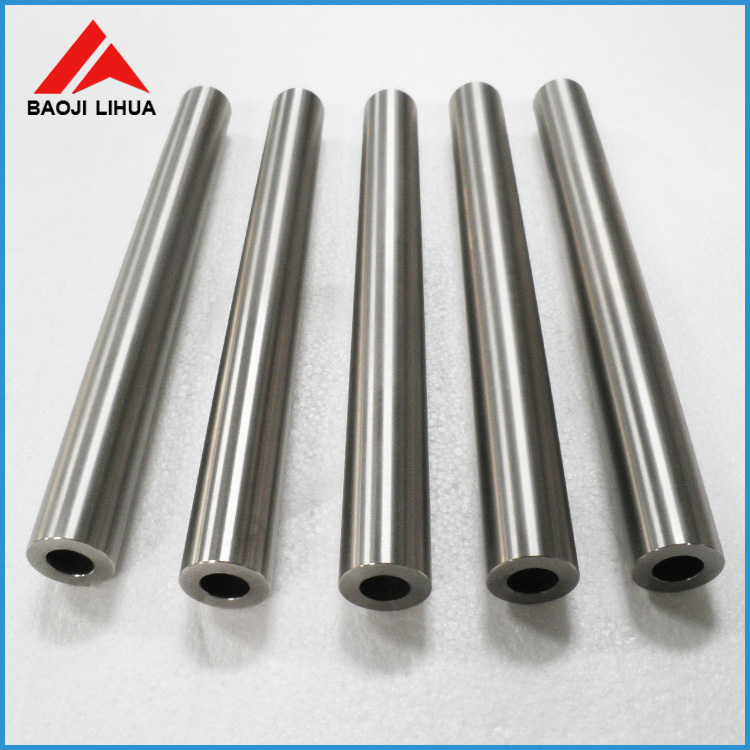
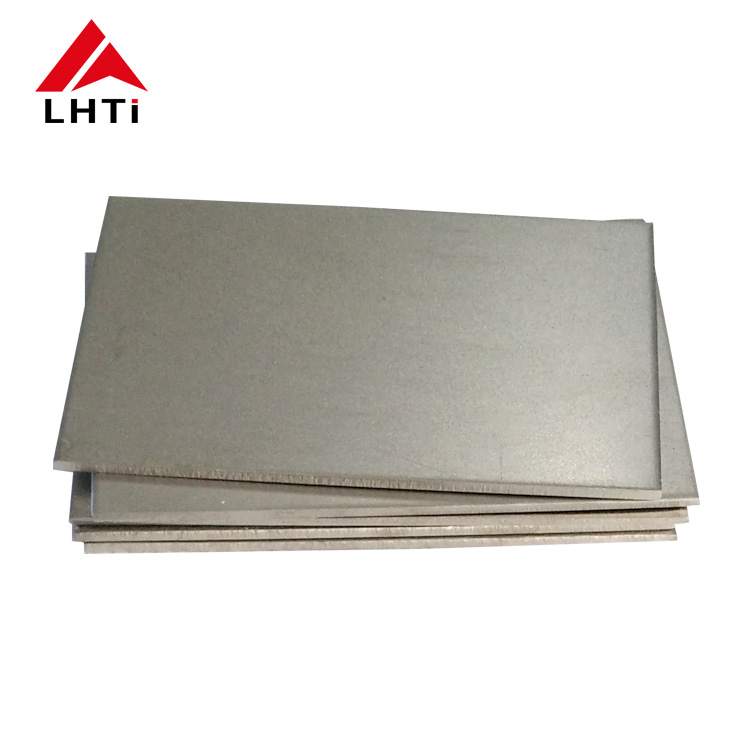
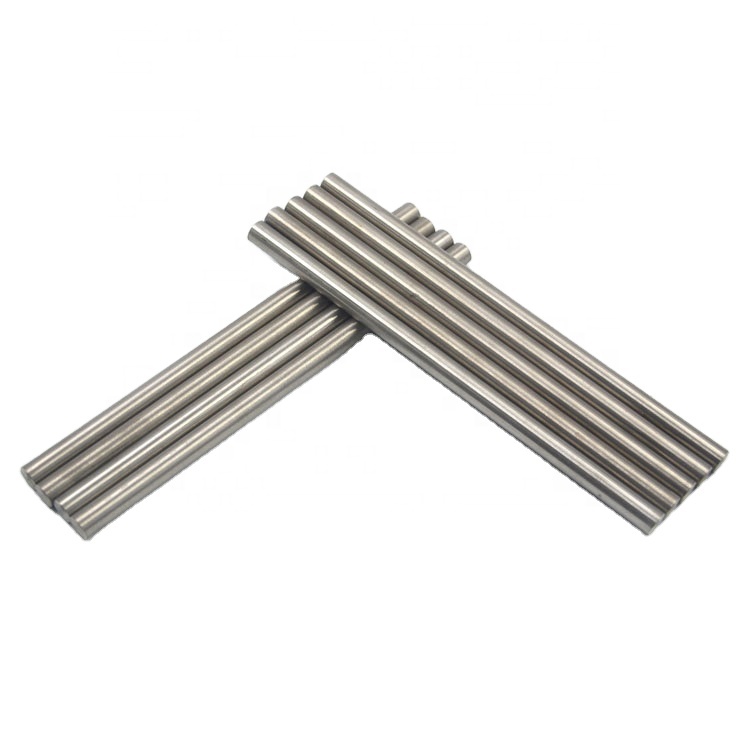
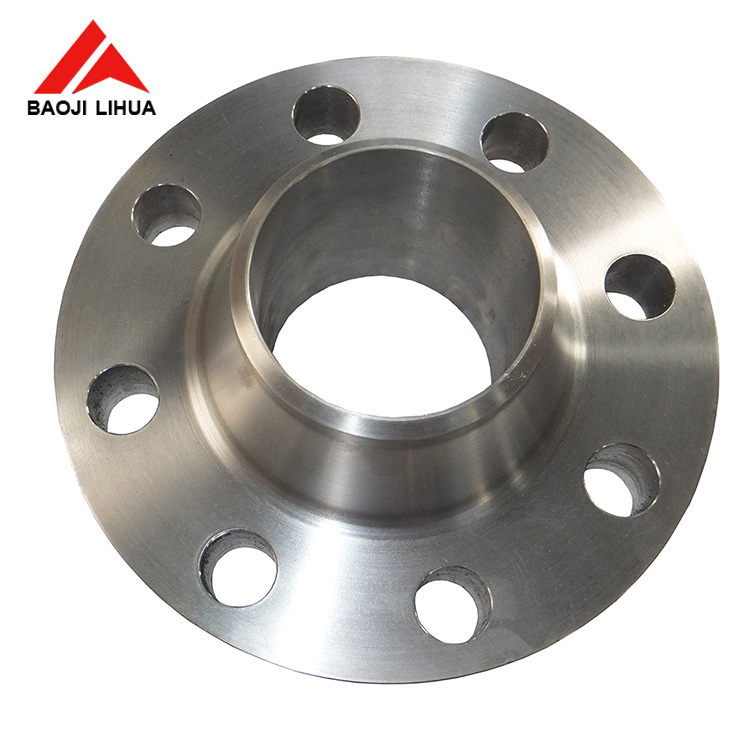
Technical Whitepaper: Metallurgy & Thermodynamics of Titanium Exhaust Tubing
In modern performance engineering, exhaust fabrication is no longer simply about routing spent combustion gases away from the cylinder head; it is a critical thermodynamic and acoustic discipline that governs scavenging efficiency, transient turbocharger spool response, and structural survival under harsh operational environments. For fabricators, tuning shops, and defense research prototyping units operating in Ottawa and Eastern Ontario, selecting the appropriate tubing material dictates whether an exhaust assembly endures continuous thermal shock or suffers catastrophic embrittlement and cracking.
At Jovzi Titanium Industry Co., Ltd., our manufacturing process adheres to strict aerospace and petrochemical benchmarks. Commercially pure Grade 2 titanium (UNS R50400) serves as the industry benchmark for lightweight automotive and motorsport exhaust systems. With a nominal density of 4.51 g/cm³ compared to 8.00 g/cm³ for AISI 304 stainless steel, converting an exhaust pipeline to Grade 2 yields an immediate 43% to 48% reduction in unsprung curb mass without sacrificing structural rigidity.
Material Comparison: Titanium Gr2 vs. Conventional High-Temperature Alloys
Procurement teams in Ottawa frequently weigh the trade-offs between austenitic stainless steels, nickel-chromium superalloys (such as Inconel 625), and titanium alloys. The table below delineates the essential physical, thermal, and mechanical parameters vital for high-temperature engineering decisions:
| Alloy Designation | Density (g/cm³) | Tensile Strength (MPa) | Thermal Conductivity (W/m·K) | Coeff. Thermal Exp. (μm/m·°C) | Max Continuous Temp (°C) | Ottawa Salt Resistance |
|---|---|---|---|---|---|---|
| CP Grade 2 Titanium | 4.51 | 345 – 480 | 16.4 | 8.6 | 500 – 550 | Immune (TiO&sub2; Passivated) |
| Grade 7 (Ti-0.15Pd) | 4.51 | 345 – 485 | 16.4 | 8.6 | 550 | Superior (Reducing Acids) |
| Grade 5 (Ti-6Al-4V) | 4.43 | 895 – 1000 | 6.7 | 8.6 | 400 (Structural) | Immune (Except Stress Hot Salt) |
| AISI 304 Stainless Steel | 8.00 | 515 – 620 | 16.2 | 17.3 | 800 | Moderate (Prone to Pitting) |
| Inconel 625 (Nickel Alloy) | 8.44 | 827 – 965 | 9.8 | 12.8 | 980 | Exceptional |
A vital mechanical observation for chassis and powertrain fabricators is the Coefficient of Thermal Expansion (CTE). Grade 2 titanium expands at nearly half the rate of 304 stainless steel (8.6 vs 17.3 μm/m·°C). In closed-tunnel automotive floorpans or tightly packaged engine bays, this lower thermal growth significantly reduces binding strain on exhaust hanger bushings, manifold studs, and turbocharger turbine outlet flanges.
Thin-Wall Ductility, Sonic Velocity, and Acoustic Wave Mechanics
The characteristic metallic pitch of a titanium exhaust system is not simply an aesthetic side-effect; it is governed by the sound velocity within the metal and the thin wall thickness enabled by titanium's tensile properties. Sonic velocity in titanium is roughly 6,070 m/s, compared to approximately 5,000 m/s in carbon or low-alloy steels. Jovzi supplies precision cold-drawn seamless tubing with wall thicknesses down to 1.0 mm (0.039 in) and 1.2 mm (0.047 in). The thinner tube wall minimizes acoustic damping, permitting high-frequency harmonic pressure pulses to resonate cleanly through the gas column while accelerating external heat dissipation.
Ottawa Localized Applications: Motorsports, Climate Extremes & Aerospace
Sourcing titanium exhaust tubing for Ottawa requires addressing the geographic, operational, and institutional specifics of the National Capital Region. Eastern Ontario presents a distinctive combination of high-level motorsport activities, harsh climatic cycling, and world-class defense and technological research centers.
Calabogie Motorsports Park Fabricators
Located just an hour west of Ottawa, Calabogie represents Canada's longest and most challenging road course (5.05 km). Regional track-day specialists, GT-class race teams, and performance tuning shops in Nepean, Kanata, and Gloucester rely on Jovzi's 2.5", 3.0", and 3.5" Grade 2 pie cuts and straight runs to eliminate up to 35 lbs of dead chassis weight over the rear axle, improving corner exit balance.
Extreme Ottawa Winter Brine Defense
Ottawa roads experience deep sub-zero conditions (-30°C) and intense applications of road-clearing de-icers (rock salt, calcium chloride, and liquid magnesium chloride). Standard stainless exhausts suffer intergranular pitting and weld heat-affected-zone rust within 3-4 seasons. Titanium forms an instantaneous, regenerative rutile (TiO&sub2;) passive layer that is completely immune to chloride stress corrosion cracking.
National Research & Defense Prototyping
Ottawa hosts the National Research Council Canada (NRC), Department of National Defence (DND) facilities, and tech hubs in Kanata North. Prototyping engineers developing turbine test beds, auxiliary power units (APUs), and unmanned aerial vehicle (UAV) exhaust bypass systems source Jovzi's ASTM B338 tubing for its high strength-to-density ratio and structural stability up to 500°C.
Whether routing custom dual-exhaust architectures for track-prepared vehicles navigating the Gatineau Hills or designing durable exhaust dump pipes for ice-circuit rally sprints, our tubing provides the necessary structural resilience to withstand mechanical stone-pecking, freezing slush impacts, and high thermal transients.
Ottawa Market Dynamics & Titanium Procurement Trends (2025–2030)
The manufacturing and performance aftermarket ecosystem across Eastern Ontario is experiencing several structural shifts affecting material procurement strategies:
Mass Offset in Hybrid Performance
As modern performance platforms integrate electric hybrid propulsion systems, battery weight increases overall curb mass by 200–350 kg. Custom exhaust builders are forced to shed parasitic mass elsewhere; transitioning from a 42 lb stainless exhaust to a 19 lb Grade 2 titanium system is one of the highest leverage weight-saving modifications available.
Direct-from-Mill Sourcing
Rising distribution markup from North American middle-tier metal service centers has led Ottawa fabrication workshops to establish direct relationships with certified primary manufacturers in Baoji. Jovzi provides direct mill access with transparent MOQ tiers, pre-cut lengths, and certified test reports that eliminate redundant middleman fees.
Adoption of Gr7 in Saline & Marine
For specialized marine applications operating in brackish waters along the St. Lawrence Seaway and the Ottawa River basin, Grade 7 titanium (alloyed with 0.15% Palladium) is increasingly specified over Grade 2 for crevice corrosion protection where hot exhaust water-injection elbows encounter static salt residues.
Modular Fabrication Components
Rather than performing labor-intensive manual tube bending which risks wall thinning and ovality errors, Canadian fabricators increasingly purchase Jovzi's precision laser-cut 1.5D pie cuts (4.5°, 9°, 15°) and CNC-machined Grade 2 V-band flange sets for clean modular TIG welding.
Jovzi Titanium: Manufacturing Authority from Baoji Titanium Valley
Jovzi Titanium Industry Co., Ltd. was established in 2006 in Baoji, Shaanxi Province — widely recognized as China's "Titanium Valley" and the global center of titanium extraction, forging, and secondary processing. Spanning a modern manufacturing footprint supported by 4 senior metallurgists and 5 intermediate non-destructive testing engineers, Jovzi processes raw sponge titanium into world-class tubular, sheet, bar, and flange components.
End-to-End Quality Assurance & Testing Methodology
Every meter of titanium exhaust tubing leaving our facility undergoes a certified, multi-stage quality protocol designed to safeguard Canadian procurement teams from hidden internal defects, porosity, or wall inconsistency:
Spectrometric Chemical Verification
Direct-reading optical emission spectrometry checks every melting batch for interstitial element limits: Carbon (≤0.08%), Nitrogen (≤0.03%), Hydrogen (≤0.015%), Iron (≤0.30%), and Oxygen (≤0.25%) to ensure Grade 2 ductility remains within ASTM B338 tolerances.
100% Eddy Current & Ultrasonic NDT
Tubing undergoes in-line non-destructive electromagnetic testing (ASTM E426) and hydrostatic pressure verification up to 50 bar to confirm the integrity of both seamless tube walls and longitudinal high-frequency TIG welds under aggressive pulsing pressures.
Independent BaoTi Test Center Certification
In addition to Jovzi's standard EN 10204 3.1 Mill Test Certificates (MTCs), buyers may request certified independent metallurgical testing from the authorized BaoTi Test Center, guaranteeing full material compliance for government and defense contracts.
Logistics & Delivery Routing to Ottawa, Ontario
We routinely manage export logistics to the Canadian market under flexible Incoterms including DDP (Delivered Duty Paid Ottawa), CIF Montreal, and FCA Baoji. High-priority workshop orders are routed via direct international air freight to Ottawa Macdonald-Cartier International Airport (YOW) with typical transit times of 5 to 8 business days. Consolidated bulk tubing shipments arrive via container shipping at the Port of Montreal, transferring smoothly to CN/CP rail intermodal yards in Eastern Ontario.
Frequently Asked Questions (FAQ) for Ottawa Buyers
Procuring raw titanium alloys across international borders involves technical, regulatory, and fabrication nuances. Here are answers to common questions raised by Canadian procurement managers, engineers, and fabricators:
Connect with Jovzi's Metallurgical Engineering Team
Whether you require standard ASTM B338 Grade 2 tubing stock, custom-angled pie-cut sets, titanium flanges, or specialized prototype alloys for Eastern Ontario motorsport, defense, or aerospace applications — our technical engineers in Baoji are ready to review your CAD files and bill of materials within 8 business hours.