Export-Ready Titanium Flange & Piping Components
Manufactured in China's Titanium Valley under strict ISO 9001 quality frameworks, delivering EN 10204 3.1 certified Grade 1, Grade 2, and Grade 5 structural and piping products directly to Baltic manufacturing sectors.
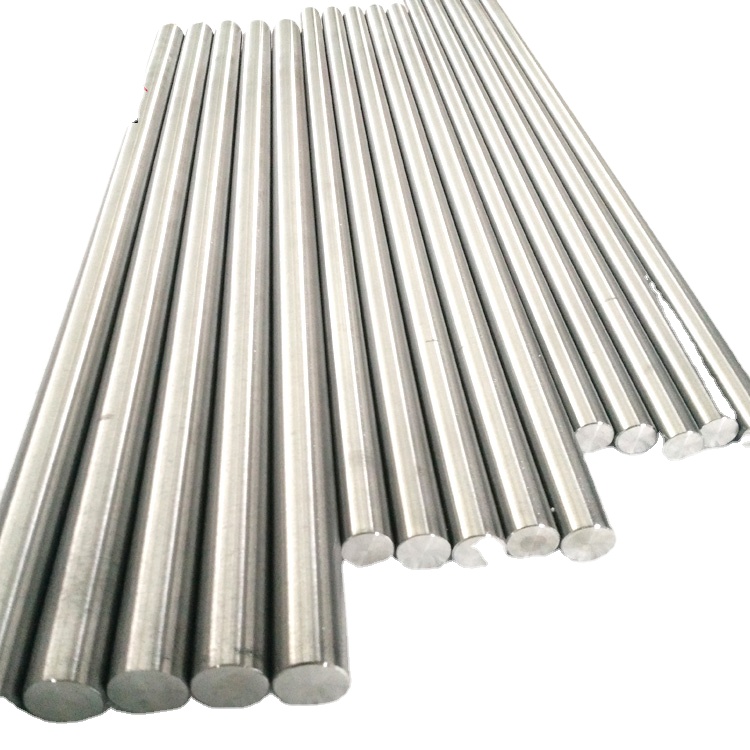
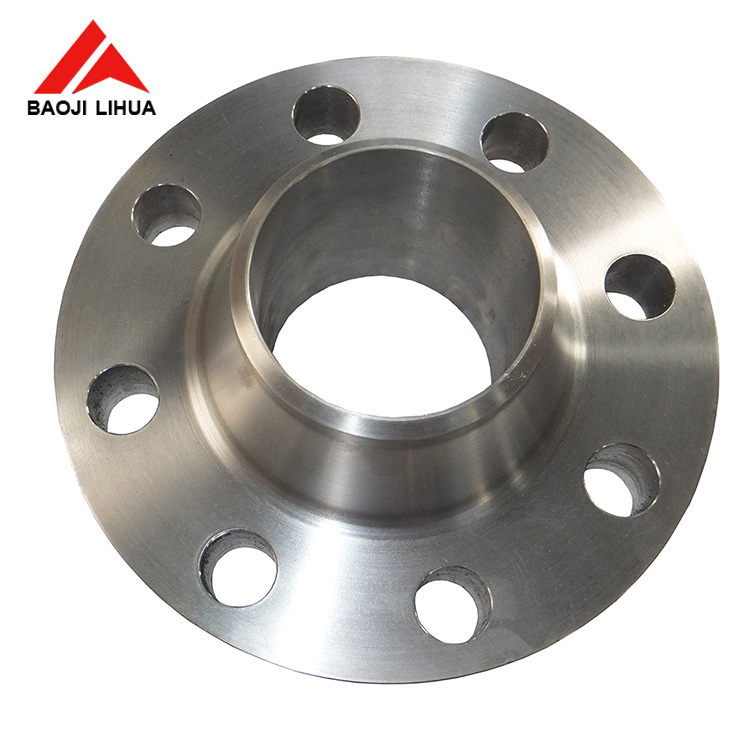
Strategic Industrial Imperative: Titanium Flanges & Seamless Rings in Liepāja
As Latvia's premier ice-free western seaport on the Baltic Sea, Liepāja has rapidly transitioned from a conventional transport hub into an advanced industrial growth center driven by the Liepāja Special Economic Zone (Liepājas SEZ). Modern maritime engineering, dry-dock vessel retrofitting, and high-tech manufacturing plants situated throughout Kurzeme require metallurgical components that fundamentally eliminate corrosion vulnerabilities caused by cold, brackish, and microbially active Baltic waters.
Conventional austenitic stainless steels (such as AISI 304 and marine-grade 316L) routinely encounter severe crevice corrosion and pitting attack in confined flange seal gaskets, especially when subjected to low dissolved oxygen levels beneath stagnant marine sediment and chemical biocides. Our ASTM B381 Titanium Forged Rings and ASME B16.5 Titanium Flanges provide an impermeable passivated surface of titanium dioxide (TiO2). This passive film heals instantaneously upon mechanical abrasion, delivering an uncompromised structural barrier against chlorides, sulfates, acidic exhaust gas condensates, and aggressive galvanic currents.
Targeted Application Scenarios Across the Kurzeme Maritime & Industrial Sector
Deploying specialized titanium forged components requires a thorough understanding of mechanical stress vectors, operating thermal ranges, and chemical exposure parameters. Our factory produces flanges and rolled rings explicitly tailored to the following local operations:
Marine Scrubber Systems (EGCS)
Liepāja ship-repair yards execute regular retrofit projects for cargo fleets transiting the Baltic Sulfur Emission Control Area (SECA). Grade 2 and Grade 7 (Palladium-stabilized) blind, slip-on, and weld-neck flanges withstand sulfuric and nitric acid condensates formed in closed and open-loop exhaust gas scrubbers operating up to 260°C.
Offshore Wind Turbine Foundations
The emerging Baltic offshore wind pipeline requires structural foundation transition pieces and sea spray cooling conduits with prolonged operational life spans. Seamless ASTM B381 titanium forged rings ensure zero galvanic deterioration across cathodic connection interfaces and deep-sea umbilical terminations.
Chemical Synthesis & Fertilizer Storage
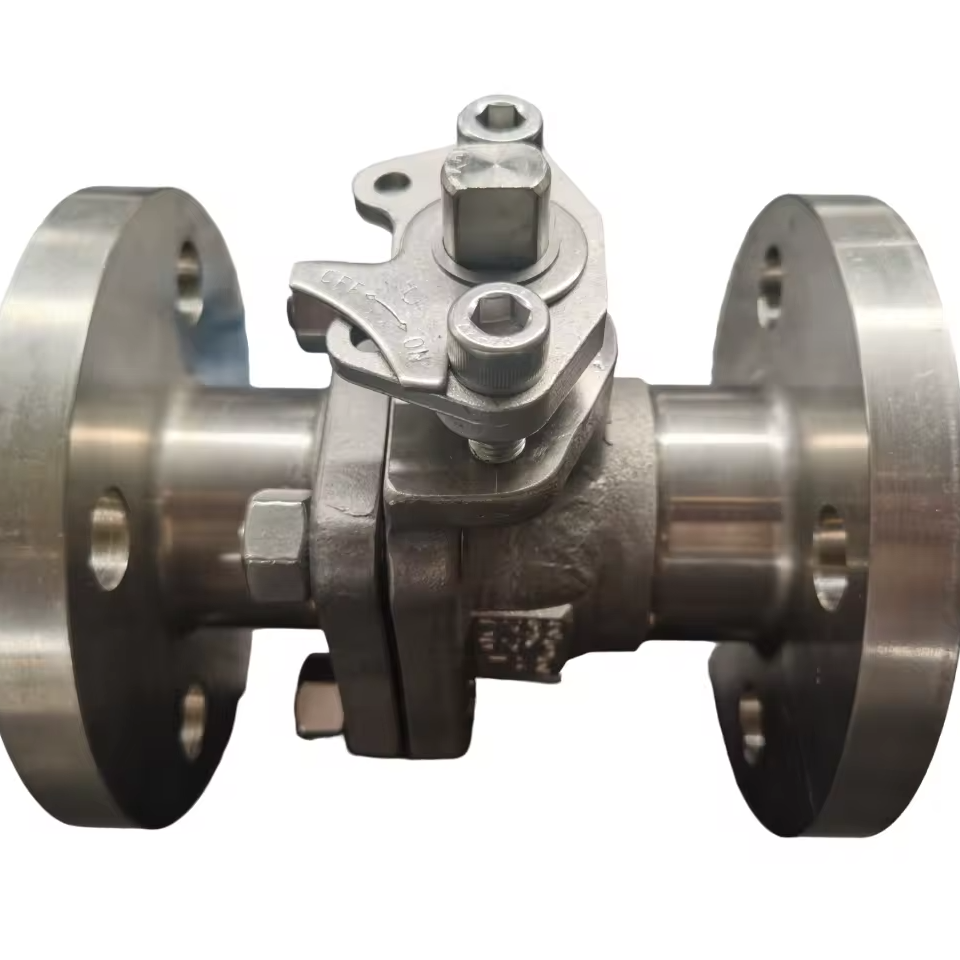
Kurzeme's industrial parks handle complex mineral fertilizers, liquid ammonia, and aggressive organic compounds. Titanium spectacle blinds, plate flanges, and forged nozzle rings resist stress-corrosion cracking (SCC) triggered by high-concentration nitrogenous compounds and variable process chlorides.
Metallurgical Comparison: Engineering Properties for Baltic Marine Procurement
Specifying the proper titanium alloy determines the operational lifespan and maintenance cycle of piping networks. Below is a comparative engineering reference for key grades manufactured in our Baoji facility:
| Material Grade | UNS / Composition | Yield Strength (MPa min) | Tensile Strength (MPa min) | Thermal / Chloride Resistance Profile |
|---|---|---|---|---|
| Grade 1 (CP4) | UNS R50250 (Pure Ti) | 170 MPa | 240 MPa | Maximum cold formability; ideal for low-pressure gasket backings and deep-drawn liner shells. |
| Grade 2 (CP3) | UNS R50400 (Pure Ti) | 275 MPa | 345 MPa | The premier industrial standard for marine ballast systems, standard ASME B16.5 flanges, and heat exchangers. |
| Grade 5 (Ti-6Al-4V) | UNS R56400 (α-β Alloy) | 828 MPa | 895 MPa | Superior tensile strength and fatigue limit; specified for heavy load-bearing rings, high-pressure subsea valves, and rotor pins. |
| Grade 7 (Ti-Pd) | UNS R52400 (Ti-0.15Pd) | 275 MPa | 345 MPa | Exceptional resistance to reducing acids and localized crevice micro-corrosion in high-temperature brine (>120°C). |
| Grade 12 (Ti-Mo-Ni) | UNS R53400 (Ti-0.3Mo-0.8Ni) | 345 MPa | 483 MPa | Intermediate-strength economic alternative to Grade 7; exhibits high crevice threshold limits in saline solutions. |
Procurement & Macroeconomic Trends Shaping the Liepāja Market
European supply-chain diversification policies (nearshoring/friend-shoring) and the accelerated green transition across Northern Europe are transforming how engineering firms in Liepāja procure specialized metals:
Baltic Wind & Hydrogen Infrastructure
With cross-border offshore wind farms developing between Latvia, Sweden, and Estonia, green hydrogen electrolyzers require pure titanium plate flanges and rings resistant to nascent hydrogen embrittlement and high-potential oxidation states.
Consolidated Air-to-Sea Logistics Direct to LVLPZ
Liepāja's international port and airport connections allow streamlined multi-modal shipping. Importers increasingly establish direct vendor frameworks with primary Chinese mills, bypassing intermediaries to secure project-level mill test certificates (MTC) and documented material provenance.
EU Compliance & Chemical Purity Auditing
Latvian contractors working under PED (Pressure Equipment Directive 2014/68/EU) require thorough metallurgical traceability. Forgings must carry explicit melt origin reporting, mechanical test logs, and ultrasonic defect inspections (UT Class A/B) before deployment.
Jovzi Titanium Manufacturing Credentials & Strategic Advantages
Operating directly out of Baoji, Shaanxi — recognized globally as "China's Titanium Valley" — Jovzi Titanium Industry Co., Ltd. has specialized in non-ferrous metal manufacturing, forging, and CNC precision machining since 2006. We deliver proven, audited advantages for Baltic engineering and procurement teams:
ISO 9001 & MTC 3.1 Traceability
Every forging, flange, and ring ships with comprehensive EN 10204 3.1 certification. Independent testing by the authorized BaoTi Test Center is available on request.
Heavy Ring Rolling Capabilities
Equipped with radial-axial ring rolling and 3,500-ton forging presses capable of producing seamless forged rings up to OD 1074 mm and custom flange blanks tailored to buyer drawings.
Senior In-House Engineering
Our technical team includes 4 senior and 5 intermediate metallurgical engineers overseeing vacuum arc remelting (VAR), controlled heat treatments, and dimensional verification.
Direct Incoterms Delivery
Exporting to European, North American, and Asian markets for over 19 years with flexible Incoterms (CIF Riga, DDP Liepāja, FOB Qingdao/Shanghai) via air cargo and consolidated rail/sea corridors.
Frequently Asked Questions: Liepāja Industrial & Maritime Procurement
Direct technical answers addressing the critical standards, logistical timelines, and material integrity verification required by Baltic buyers:
What manufacturing standards govern your titanium flanges and forged rings?
We manufacture flanges strictly in accordance with ASME/ANSI B16.5, ASME B16.47, DIN/EN 1092-1 Type 01/11, and JIS B2220. Forgings and seamless rings conform to ASTM B381, ASTM B348, and AMS 4928 specifications, with custom dimensional tolerances down to ±0.05 mm.
How do you guarantee chemical and physical authenticity for critical marine installations?
Every shipment is linked by heat number to an EN 10204 3.1 inspection certificate containing full optical emission spectroscopy (OES) chemical analysis and tensile/elongation test data. On request, we provide third-party verification through the national BaoTi Test Center.
What are the minimum order quantities (MOQ) and lead times for delivery to Latvia?
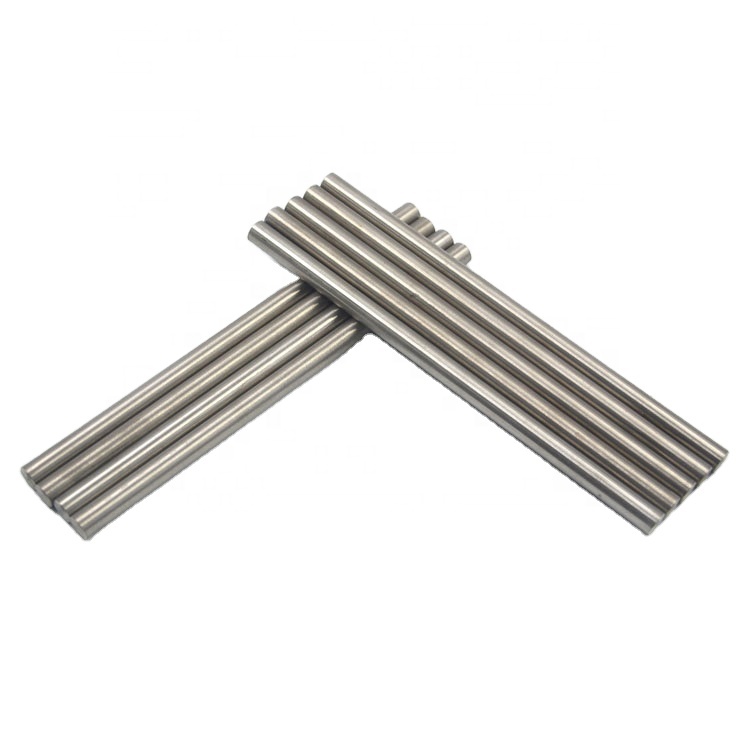
For standard ANSI/DIN titanium flanges and bar stock, our MOQ starts from 1 piece or 1 kg. Custom forged rings require an evaluation of tooling requirements. Air express delivery to Riga/Liepāja takes 7–10 days; consolidated sea freight routes operate within 30–38 days.
How do your engineers prevent crevice corrosion across flanged gasket faces?
For high-salinity Baltic and North Sea systems operating under thermal elevation, we recommend Grade 7 (0.15% Palladium) or Grade 12 (0.3% Mo, 0.8% Ni) alloyed contact surfaces, combined with precision CNC spiral serrated gasket face finishes (Ra 3.2–6.3 μm) complying with ASME standards.
Request Engineering Specifications & Commercial Pricing
Consult with our senior metallurgical engineering department for your custom titanium flange, blind disc, and forged ring applications in Liepāja and the wider Baltic industrial economic zones.
Get Catalog