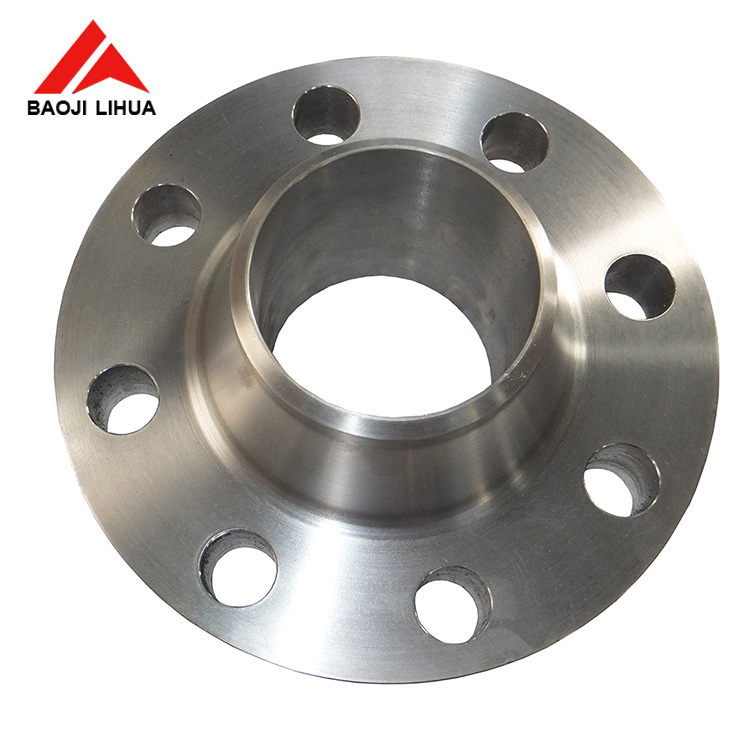
Titanium Blind Exhaust Flange 4" ANSI 150lbs 300 Ibs Class Gr2
Forged Grade 2 titanium blind flanges machined to ASME B16.5 specifications for harsh acid isolation.
Direct supply from Baoji’s manufacturing facility to Hat Yai, Songkhla, and greater Southern Thailand industrial plants with strict ISO 9001 and EN 10204 3.1 certification.
Forged Grade 2 titanium blind flanges machined to ASME B16.5 specifications for harsh acid isolation.
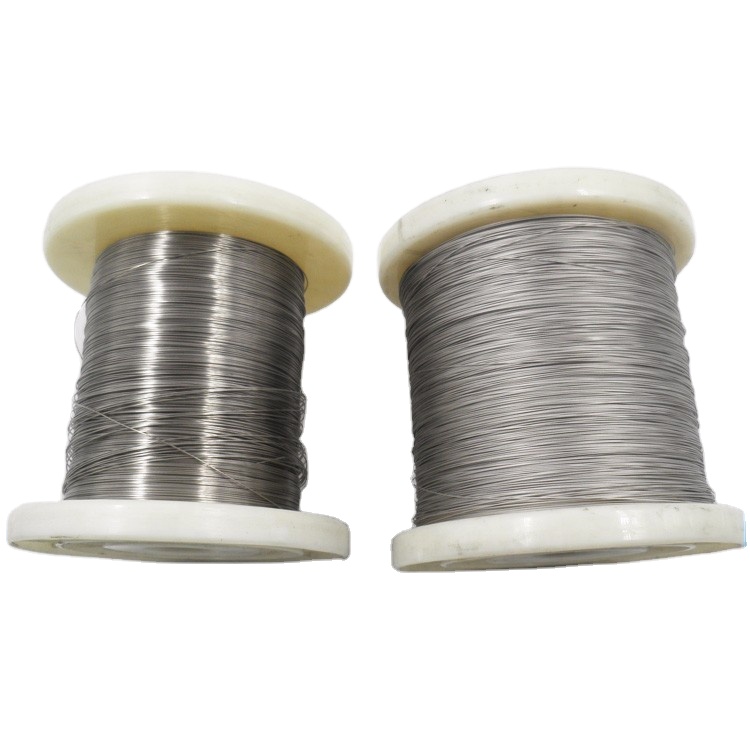
High-ductility pure titanium wire with clean spooling for marine fishing lines and TIG welding applications.
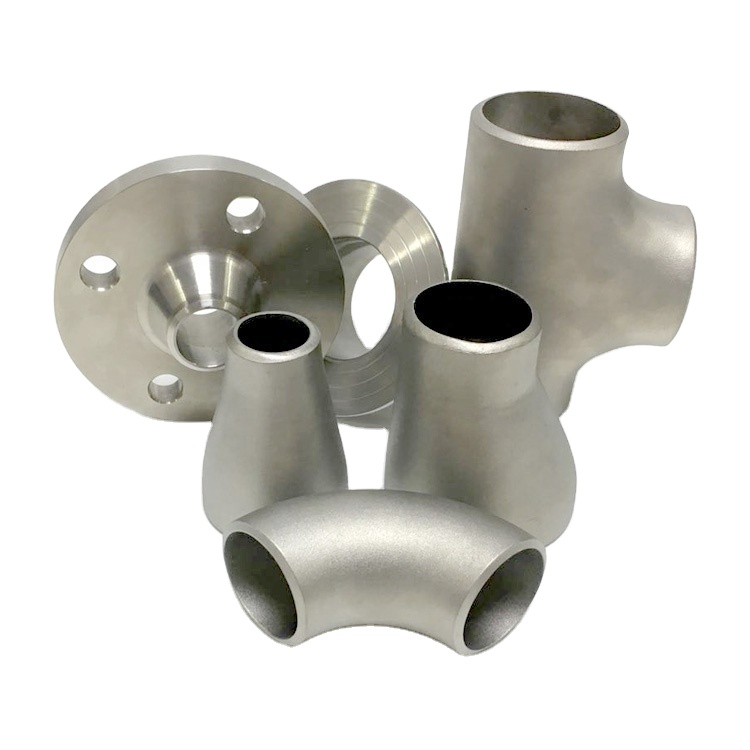
Butt-weld ASTM B363 seamless concentric reducers built for high-velocity heat transfer fluid loops.
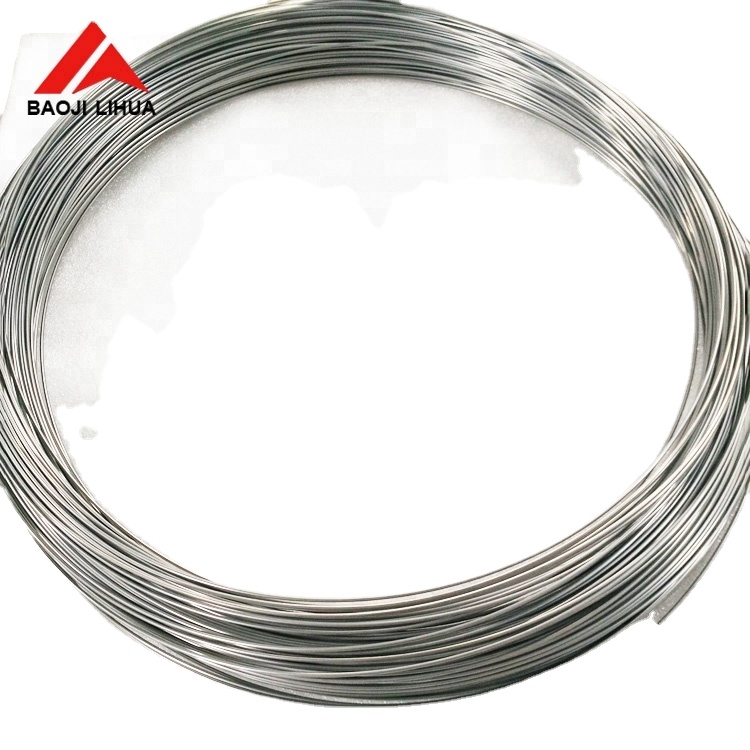
Precision-drawn superelastic NiTi wire exhibiting superior springback for sensors and medical instrumentation.
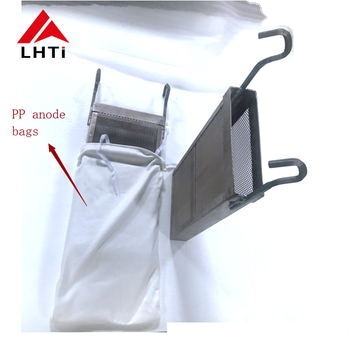
Resilient mesh anode baskets with reinforced hooks designed for electro-refining and surface finishing.
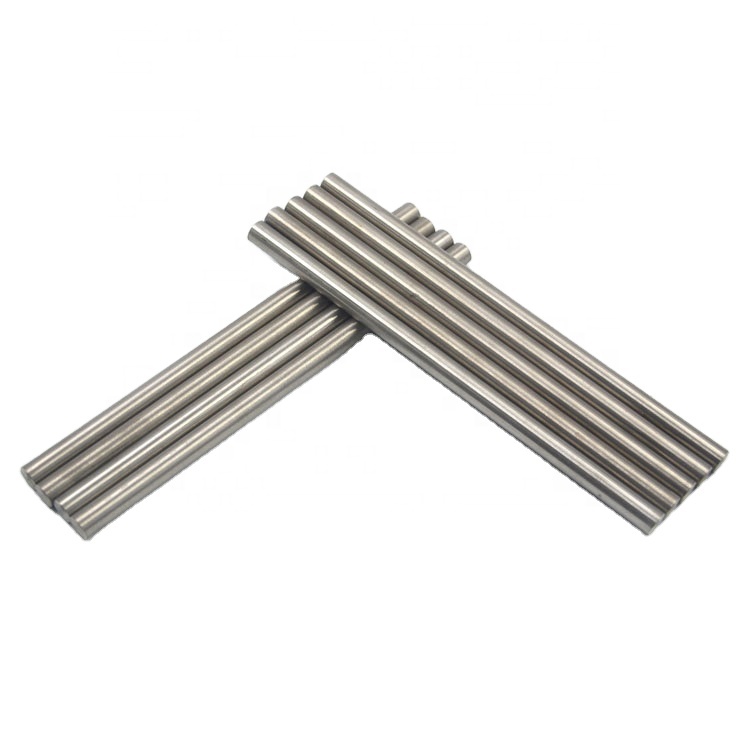
Engineered NiTi bars suited for actuator assemblies, precision valves, and damping in harsh plants.
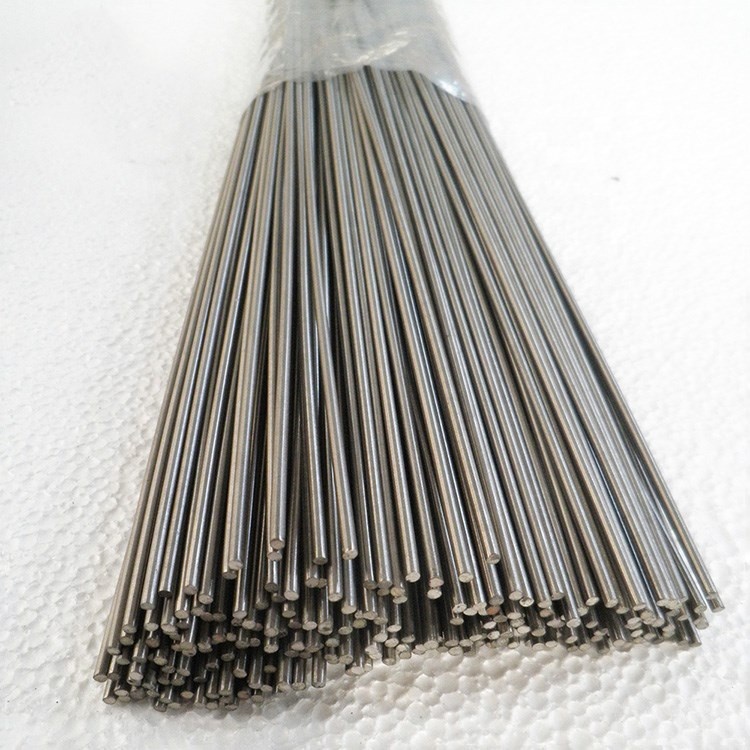
Lightweight, seawater-impervious solid titanium alloy rods engineered for deep-sea sport and commercial rigs.
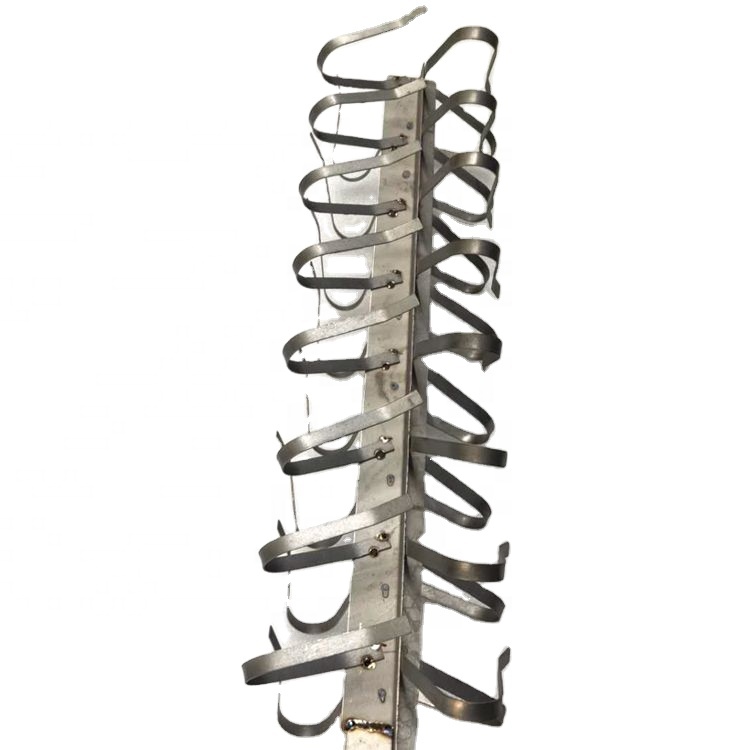
TIG-welded custom titanium jigs and tubular fixtures maximizing conductivity in plating baths.
Solving thermodynamic stress, chloride stress-corrosion cracking (CSCC), and aggressive biofouling in Southern Thailand.
Hat Yai serves as the commercial gateway and industrial nucleus of Southern Thailand, connecting Songkhla's deep-water trading infrastructure to dynamic inland agricultural manufacturing belts. The local industrial matrix is characterized by intensive processing: natural latex transformation, palm oil refining, seafood freeze-drying, bio-ethanol distillation, and petrochemical downstream units. For decades, maintenance directors and thermal design engineers across Songkhla and Hat Yai have contended with acute equipment degradation caused by aggressive operating environments. Traditional shell-and-tube condensers built with copper-nickel (90/10 or 70/30) and austenitic stainless steels (AISI 304L, AISI 316L) routinely succumb to pitting, micro-crevice corrosion, and catastrophic chloride stress-corrosion cracking (CSCC) driven by brackish Gulf of Thailand cooling water and acidic agricultural condensates.
As a seasoned titanium mill products manufacturer operating from Baoji—the globally acknowledged "Titanium Valley" of China—Jovzi Titanium Industry Co., Ltd. bridges this engineering gap. We provide high-specification titanium heat exchanger tubing conforming to ASTM B338 / ASME SB338 (seamless and welded tubes for condensers and heat exchangers) and ASTM B861 (seamless pipe), engineered explicitly to eliminate premature thermal unit failure across Hat Yai’s demanding operational ecosystems.
The resilience of titanium in aggressive heat transfer units stems from its instantaneous thermodynamic passivation. Upon exposure to moisture or trace oxygen, titanium spontaneously generates a continuous, ceramic-like rutile and anatase titanium dioxide (TiO2) protective oxide film. This passive layer is self-healing, structurally coherent, and thermally stable across temperatures exceeding 315°C. In harsh industrial environments involving dissolved chlorides, low-pH organic vapors, and turbulent cooling water, titanium exhibits a corrosion rate practically indistinguishable from zero (<0.005 mm/year).
| Property / Engineering Metric | Titanium Gr. 2 (UNS R50400) | Titanium Gr. 7 (UNS R52400) | Titanium Gr. 12 (UNS R53400) | 316L Stainless Steel |
|---|---|---|---|---|
| Primary Alloying Elements | Unalloyed Commercially Pure (CP) | CP Ti + 0.12–0.25% Palladium (Pd) | 0.3% Mo + 0.8% Ni | 16-18% Cr, 10-14% Ni, 2-3% Mo |
| Tensile Strength (Min. MPa) | 345 MPa (50 ksi) | 345 MPa (50 ksi) | 483 MPa (70 ksi) | 485 MPa (70 ksi) |
| Yield Strength 0.2% (Min. MPa) | 275 MPa (40 ksi) | 275 MPa (40 ksi) | 345 MPa (50 ksi) | 170 MPa (25 ksi) |
| Thermal Conductivity (W/m·K) | 21.9 W/m·K | 21.9 W/m·K | 19.8 W/m·K | 16.3 W/m·K |
| Max Critical Velocity in Seawater | >30 m/s (Erosion Immune) | >30 m/s (Erosion Immune) | >30 m/s (Erosion Immune) | ~1.5 - 2.0 m/s (Pitting Risk) |
| Crevice Corrosion Threshold Temp | ~80°C (in neutral brine) | >250°C (in high-salinity brine) | ~175°C (intermediate resistance) | Susceptible at >25°C |
Because titanium possesses exceptional mechanical yield strength and erosion resistance, tube wall thicknesses can be safely engineered down to 0.5 mm or 0.7 mm (24 to 22 BWG) compared to conventional 1.65 mm (16 BWG) copper-nickel tubes. This substantial reduction in wall profile compensates completely for titanium's nominal bulk thermal conductivity, delivering overall heat transfer coefficients (U-values) that meet or exceed traditional copper alloys while eliminating wall-thinning risks from silt abrasion.
Custom-fabricated titanium tubular products designed to overcome the exact environmental vectors found in Southern Thailand.
Hat Yai sits at the center of the world's most productive rubber plantation belts. In skim rubber acid-coagulation and latex drying operations, process streams generate sulfuric acid mist, volatile fatty acids, and high ammonia vapors. Jovzi Grade 2 and Grade 7 titanium tubes resist low-pH acid condensates in waste-heat recovery boilers and latex pre-heaters, operating without fouling or metallurgical embrittlement.
Southern Thailand's palm oil refining sector demands severe thermal cracking, fatty acid deodorization, and physical refining columns. At temperatures reaching 240°C to 260°C, free fatty acids (FFA) corrode traditional stainless alloys. Jovzi ASME SB338 titanium seamless tubes provide complete passivity, zero product contamination, and resistance to thermal fouling in high-pressure reboilers and economizers.
Along the Hat Yai-Songkhla corridor, major seafood canning and blast-freezing facilities utilize marine shell-and-tube condensers cooled by brackish Gulf seawater. Jovzi titanium heat exchanger tubes completely bypass galvanic corrosion, bio-fouling degradation, and micro-organism induced corrosion (MIC), providing a predictable operating life exceeding 25 years without tube failure.
Key economic and regulatory dynamics reshaping industrial heat exchanger equipment sourcing in the Songkhla province.
Industrial procurement in Hat Yai is moving away from low-initial-cost carbon steel and 304L stainless tubing. Factory owners increasingly adopt Life Cycle Costing (LCC), where titanium’s initial capital outlay is amortized within 3–4 years through zero unscheduled downtime and zero tube plugging.
Thailand’s national Net Zero 2050 framework is pushing Southern Thai biomass power plants and agro-mills to recover low-grade flue heat. High-efficiency thin-wall Grade 2 titanium tubes allow aggressive condensing of flue gas below the acid dewpoint without sulfur-induced corrosion.
Due to the critical pressure cycles in bio-chemical refining and refrigeration chillers, local engineering consultants specify ASTM B338 seamless tubing over welded configurations to ensure 100% metallurgical uniformity across expanding and roller-swaging operations into tube sheets.
Buyers no longer purchase tubes in isolation. Sourcing managers demand matching ASTM B381 Gr.F2 tubesheets, ASTM B363 titanium fittings, and ASME B16.5 plate flanges to completely eliminate galvanic corrosion between dissimilar materials within the tube-bundle envelope.
Combining Baoji’s raw titanium sponge supply security with rigorous ISO 9001 quality management since 2006.
Direct supply loops with verified mill-origin sponge and vacuum-arc remelted ingots. Complete EN 10204 3.1 mill test certificates documenting chemistry, elongation, and hydrostatic test results per heat lot.
Every meter of heat exchanger tube undergoes Eddy Current Testing (ASTM E426), ultrasonic wall profiling, pneumatic verification, and hydrostatic pressure hold to ensure zero pinhole flaws.
With 4 senior and 5 intermediate metallurgy engineers on staff, we calculate tube-to-tubesheet joint parameters, expansion tolerances, and U-tube bend thinning allowances for custom fabrications.
Export experience since 2006 with seamless door-to-door (DDP/CIF) handling to Songkhla Port, Bangkok Port, and regional logistics hubs in Hat Yai. Heavy-duty fumigated wooden box crating preserves tube straightness.
In addition to factory MTCs, Jovzi provides physical mechanical and spectrographic verification reports issued by the authoritative national BaoTi Test Center upon buyer request.
Eliminate project procurement delays. Source matching Grade 2 titanium blind flanges, ASME B16.5 plate flanges, concentric reducers, and welding filler wire (AWS A5.16 ERTi-2) in a single unified consignment.
Essential technical and transactional guidance for engineers, fabricators, and MRO contractors in Southern Thailand.
Consult directly with our metallurgical engineers regarding tube diameters, wall thickness optimization, Grade 2 vs Grade 7 selection, and ASEAN-compliant shipping schedules.
Inquire Now