Superelastic
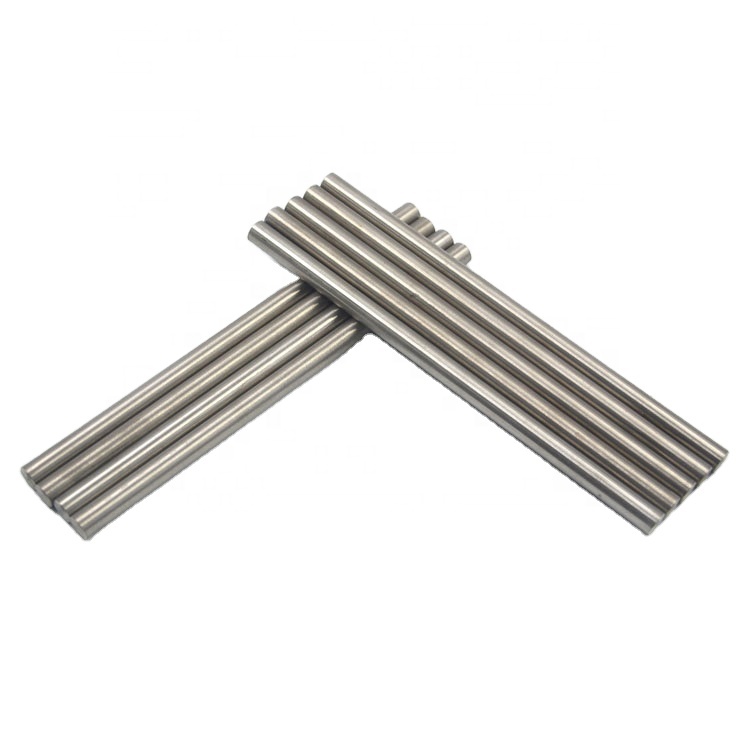
Nickel Titanium Shape Memory Nitinol Bar
- Material: NiTi Alloy (~55% Ni)
- Structure: Austenitic / Martensitic
- Standard: ASTM F2063 Compliant
Direct-from-mill titanium fabrications manufactured in Baoji to ASTM/ASME standards, fully certified for European process plant integration.
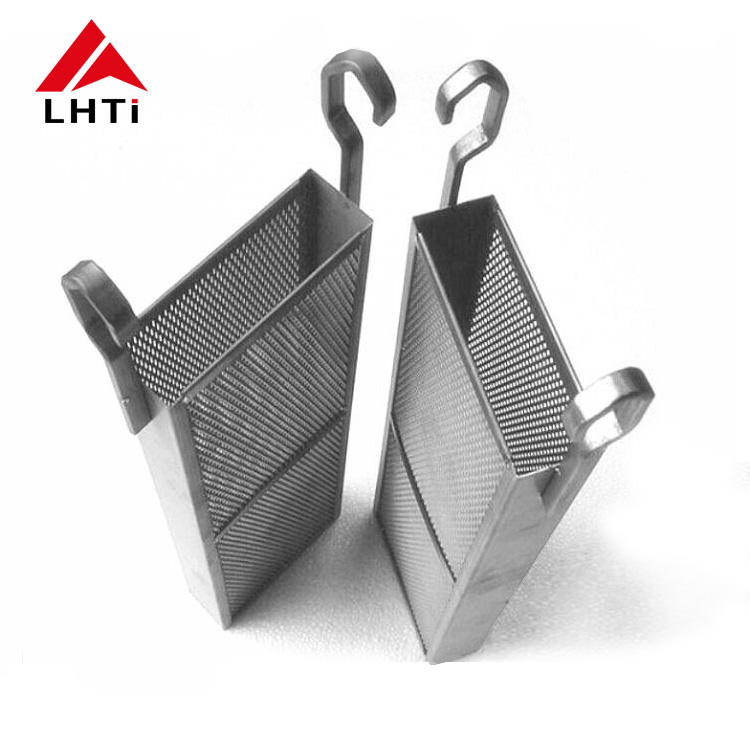
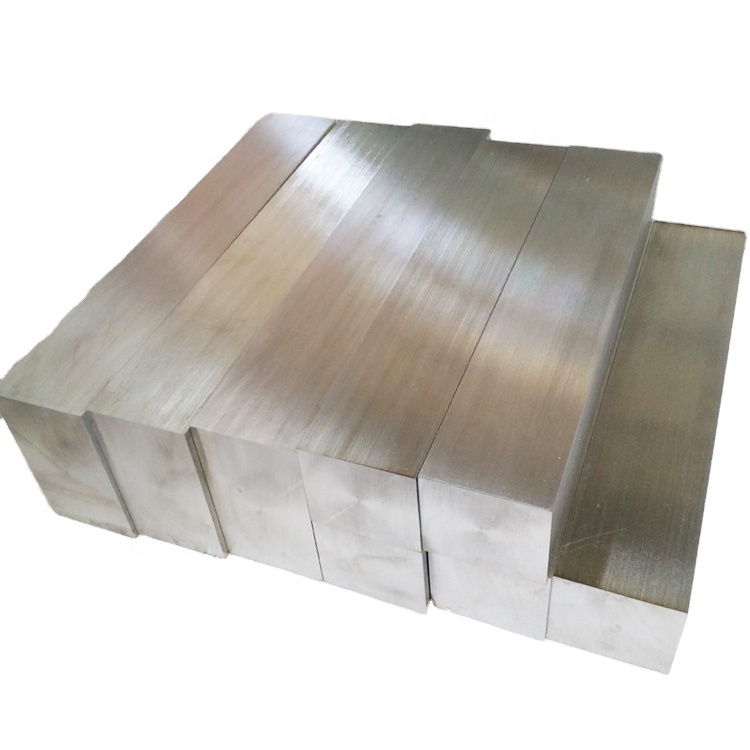
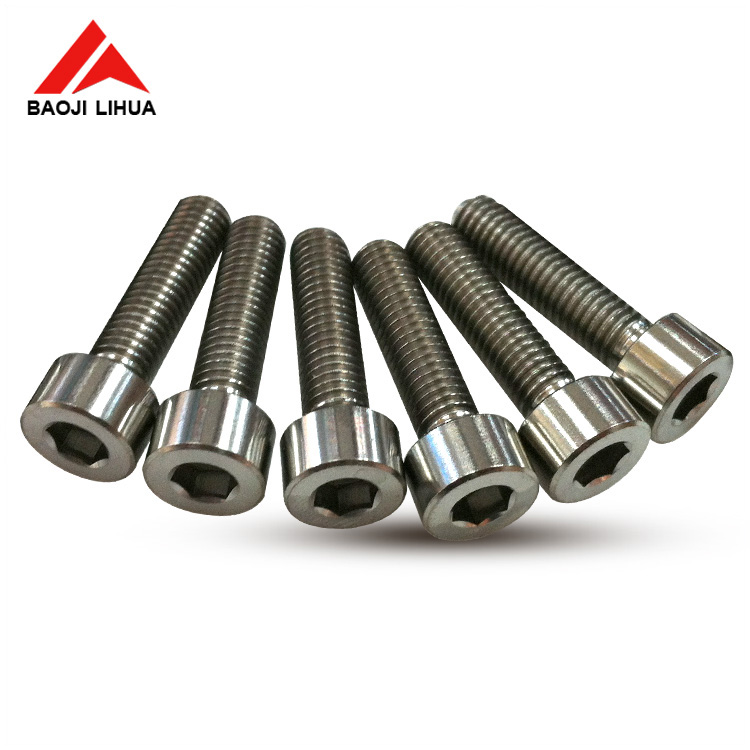
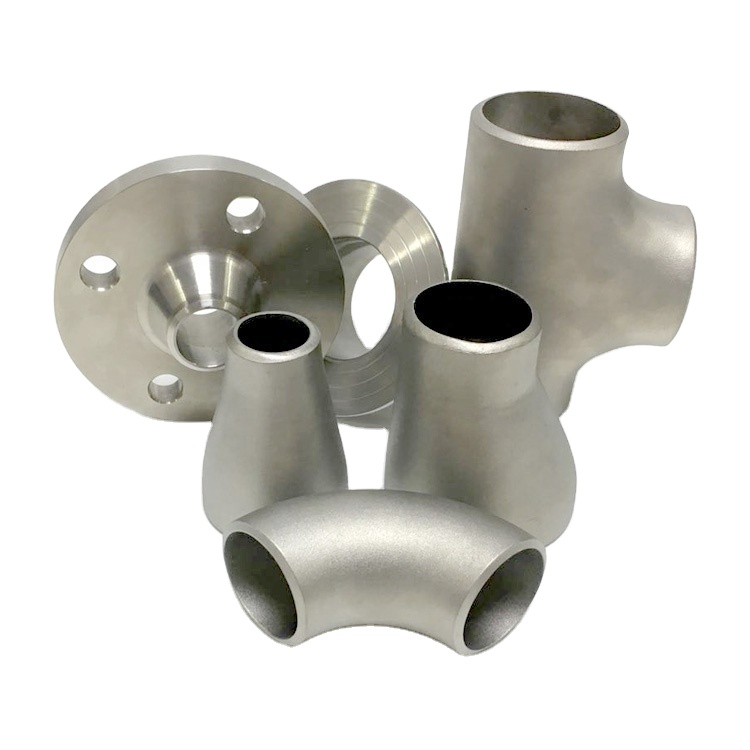
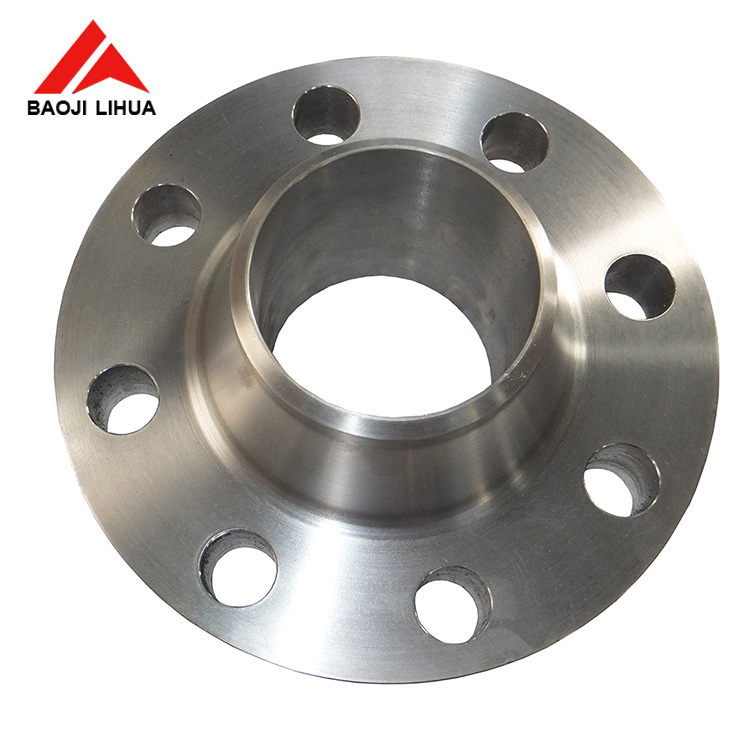
In high-integrity fluid networks across pharmaceutical synthesizing plants in Ringaskiddy and offshore platform upgrades in the Celtic Sea, the lap joint flange configuration provides undeniable economic and mechanical benefits. Unlike solid titanium weld neck or slip-on flanges, a lap joint assembly functions on a dual-element architecture: a titanium stub end (manufactured under ASTM B363 / ASME B16.9) which directly forms the wetted boundary, coupled with an external, un-wetted rotating backer flange manufactured from galvanized carbon steel, ductile iron, or stainless steel (304L/316L).
Because commercially pure titanium (ASTM Grade 2) and palladium-stabilized titanium (ASTM Grade 7) carry high raw material indexes, using a titanium stub end welded to the process line with a rotating carbon-steel backer flange reduces aggregate flange weight expenditure by up to 60%. The free rotation of the loose backing flange around the stub end hub completely bypasses bolt-hole alignment issues during pipe fitting, speeding up clean-in-place (CIP) line installations and routine dismantling for inspection.
From a mechanical loading standpoint, the inner corner radius of the titanium stub end hub matches the mating fillet on the backer ring. Jovzi's precision CNC machining ensures tight dimensional tolerance on this transitional shoulder. This avoids shear-stress hotspots under pressure cycles and prevents galvanic corrosion by completely isolating the external alloy backer from the internal aggressive media.
Ireland's coastal and pharmaceutical installations consistently encounter hot aqueous chlorides, chlorinated cleaning agents, active solvents, and marine saline air. Under operating temperatures exceeding 75°C, commercially pure Gr2 titanium can develop vulnerability in tightly closed gasket crevices when exposed to low pH chloride mixtures. For these specific aggressive applications, Jovzi produces ASTM Grade 7 (containing 0.12% to 0.25% Palladium) and ASTM Grade 12 (0.3% Mo, 0.8% Ni) stub ends.
The intentional addition of palladium elevates the open-circuit corrosion potential into the noble passivation zone. This reinforces the protective TiO2 rutile/anatase oxide layer inside gasket micro-gaps, even in low-oxygen conditions. Our machining operations carefully finish the lap joint gasket faces with a phonographic concentric or spiral serrated texture (Ra 3.2 to 6.3 µm / 125 to 250 µin RMS). This precise finish beds PTFE, compressed graphite, or envelope gaskets cleanly without micro-channeling risks under ASME Class 150, 300, and DIN PN10–PN40 mechanical loads.
Engineered for the demanding operational challenges of Ireland's high-tech production facilities and coastal infrastructure.
Global pharmaceutical plants operating out of Cork Harbour, Dublin, and Shannon rely heavily on active pharmaceutical ingredient (API) crystallization and distillation units. Titanium lap joint flanges and concentric reducers completely eliminate iron contamination in sterile process chemistry, offering durable resistance against harsh sanitizing and halogenated intermediates.
With Ireland's expanding wind resources along the Atlantic coast and offshore projects near Shannon Foynes, seawater cooling systems and ballast transfer piping demand permanent corrosion resistance. Titanium assemblies show virtually zero uniform corrosion in raw seawater, resisting pitting, biofouling, and cavitation wear under rapid fluid flow.
Fertilizer, pesticide, and specialty chemical facilities operating in industrial hubs across Limerick and Galway handle hot nitric acid and chlorine dioxide. Titanium lap joint flanges offer an economical alternative to solid exotic alloys like C276, delivering reliable containment with lower installation weight and lower long-term maintenance costs.
Key industry shifts influencing procurement, compliance, and material engineering decisions across the Irish process sector.
Ireland's Climate Action Plan targets substantial offshore renewable generation. Developing green hydrogen electrolyzer plants in coastal Shannon requires piping systems that resist severe deionized, brine, and high-purity water degradation. Titanium is increasingly chosen over high-nickel stainless steels to eliminate system contamination.
Engineering, Procurement, and Construction Management (EPCM) firms operating throughout the EU demand certified supply histories. Jovzi delivers fully traceable melt heat chemistry, third-party ultrasonic inspections, and certified testing through the accredited BaoTi Test Center to satisfy strict safety audits under the European Pressure Equipment Directive (PED 2014/68/EU).
Irish biopharmaceutical facilities are increasingly adopting pre-assembled modular skids fabricated off-site. The compact footprint and loose-backing adaptability of lap joint flanges minimize installation space and piping run tensions, reducing the structural support weight on offshore and plant frameworks.
Established in 2006 in Baoji, Shaanxi—the hub responsible for over 80% of China's titanium manufacturing—Jovzi Titanium Industry Co., Ltd. supplies premium forged flanges, lap joint stub ends, and CNC-machined titanium components directly to global EPC contractors and procurement managers across Ireland.
Backed by our technical team including 4 senior and 5 intermediate metallurgical engineers, we maintain strict quality control from raw sponge ingot selection to final flange facing. We supply complete EN 10204 3.1 inspection certification and independent mechanical validation reports via the national BaoTi Test Center on request.
Clear answers on international delivery, material certification, and custom flange configurations for engineers and procurement managers across Ireland.