Specialized Titanium Mill Products & Flange Solutions
Seamlessly integrated pipeline components manufactured under strict ISO 9001 quality systems with full EN 10204 3.1 chemical & mechanical traceability for European industrial buyers.
White Paper: Engineering Mechanics of Titanium Lap Joint Flanges in Baltic Applications
In high-corrosion process environments throughout Tallinn, Paldiski, and the greater Gulf of Finland, piping engineers are increasingly replacing high-alloy austenitic stainless steels and monolithic titanium weld-neck flanges with two-piece Titanium Lap Joint Flange assemblies. A Lap Joint Flange assembly consists of two critical mechanical elements: a titanium stub end (manufactured in compliance with ASTM B363 / ASME B16.9 or DIN/EN standards) that directly interfaces with the corrosive process fluid, and an external, loose backing flange (manufactured from epoxy-coated carbon steel, hot-dip galvanized steel, or 316L stainless steel per EN 1092-1 Type 02 or ASME B16.5).
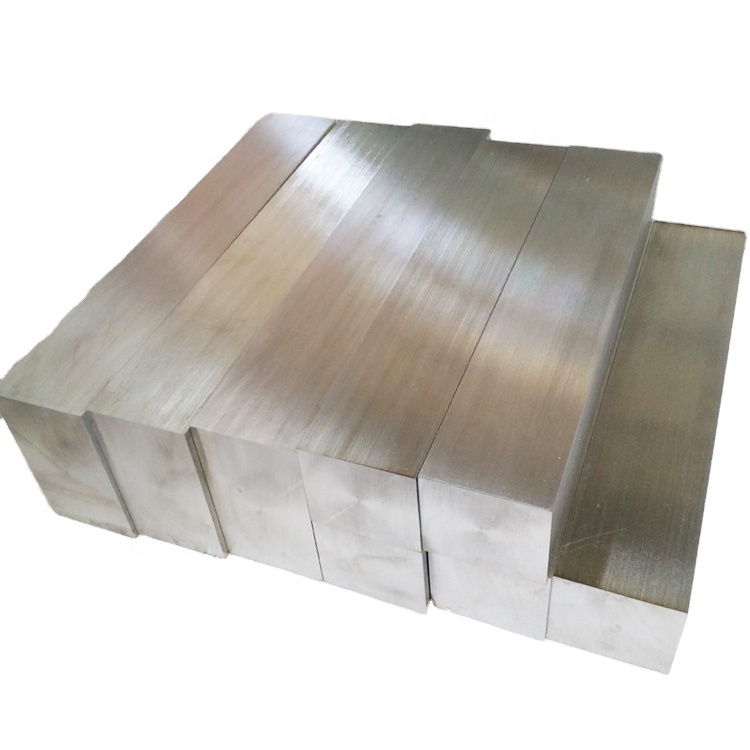
The operational rationale for deploying lap joint systems in the Estonian industrial sector centers around cost engineering without metallurgical compromise. Solid Grade 2 titanium weld-neck flanges require substantial volumes of virgin titanium alloy forging stock (ASTM B381 F2), resulting in heavy material overhead and prolonged machining cycle times. By contrast, a titanium lap joint flange isolates the costly reactive metal solely to the wetted surface (the stub end), while standard structural steels support the hydrostatic bolt loads. This reduces total assembly procurement costs by 35% to 50% while simultaneously providing rotational freedom that drastically accelerates bolt-hole alignment during tight-quarter installations aboard maritime vessels or inside modular skid systems.
Critical Metallurgical Insight: Dielectric Isolation & Galvanic Shielding
When installing titanium lap joint flanges with non-titanium backing rings in saline coastal environments such as Muuga Harbour or Kopli Bay, the open galvanic potential differential between titanium (noble, +0.05V vs SCE) and carbon steel (-0.6V to -0.7V vs SCE) presents a severe galvanic corrosion threat to the steel ring if an electrolyte bridge forms. Jovzi Titanium supplies lap joint configurations engineered with dielectric isolating face sleeves, high-density fluoropolymer barrier washers, and anti-corrosive thermal-diffusion coated backing flanges to completely eliminate metallic galvanic coupling.
Localized Application Scenarios Across Tallinn & Northern Estonia
As the commercial and industrial nexus of Estonia, Tallinn hosts cutting-edge maritime engineering, chemical logistics, and energy transition projects. The unique environmental stressors of the Baltic Sea—characterized by brackish waters with fluctuating salinity (ranging from 4 to 8 PSU), severe sub-zero winter temperatures, and aggressive biofouling—demand flange piping components that withstand pitting, crevice oxidation, and cyclic thermal stress.
Baltic Marine Scrubber Systems & BWTS
Tallinn's ship repair facilities (including BLRT Grupp shipyards) routinely retrofit commercial cargo vessels, ro-ro ferries, and ice-class support ships with Marine Exhaust Gas Cleaning Systems (SOx scrubbers) and Ballast Water Treatment Systems (BWTS). Highly acidic wash-water (pH 2.5–3.5) enriched with sulfuric acid and raw seawater chlorides rapidly disintegrates super duplex steels. Titanium Grade 2 stub ends paired with rotatable lap joint backing flanges provide absolute resistance to warm, sulfurous wash-down streams while resolving challenging pipe routing constraints inside congested engine room bulkheads.
Muuga Harbour Chemical & Liquid Bulk Terminals
Muuga Harbour, the deepest and largest cargo port in Estonia, handles substantial volumes of transit chemicals, fertilizers, and mineral oils. Tank farm manifolds and marine offloading jetties handling chlor-alkali compounds, brine solutions, and nitric acid mixtures require zero-leakage connection points. Titanium Lap Joint Flanges compliant with EN 1092-1 PN16/PN25 allow terminal operators to disassemble and service dynamic transfer arms without stressing welded pipe spools, drastically cutting turnaround hours during vessel turnaround operations.
District Seawater Heat Pumps & Cleantech
In accordance with Tallinn's Sustainable Energy and Climate Action Plan (SECAP 2030), district energy operators are implementing large-scale seawater-source heat pumps along the Baltic coastline. Seawater evaporator circuits experience macro-fouling, chlorination treatments, and abrasive sediment suspension. Jovzi's Gr2 and Gr12 titanium lap joint connections resist erosion-corrosion up to flow velocities of 20 m/s, safeguarding municipal district heating loops against unexpected winter containment breaches.
Titanium Grade Selection Guide for Estonian Process Engineers
Selecting the optimal titanium grade for stub end forgings prevents catastrophic crevice corrosion in hot halide environments while minimizing capital expenditures. The following matrix contrasts performance parameters under Baltic operating criteria:
| Titanium Grade | UNS / EN Standard | Yield Strength (Min, MPa) | Pitting / Crevice Resistance Limit | Recommended Baltic Application Scenarios |
|---|---|---|---|---|
| Grade 1 (CP4) | UNS R50250 / 3.7025 | 170 MPa | T < 75°C in Neutral Seawater | Deep-drawn low-pressure bellows, chemical storage vent lines, non-critical plate heat exchanger stub ends. |
| Grade 2 (CP3) | UNS R50400 / 3.7035 | 275 MPa | T < 85°C in Aerated Baltic Brine | Standard industrial workhorse: Marine scrubbers, ballast water treatment, desalination manifolds, Muuga port fuel piping. |
| Grade 7 (Ti-0.15Pd) | UNS R52400 / 3.7235 | 275 MPa | T > 250°C in Severe Acidic Chlorides | High-temperature chemical processing, wet chlorine gas production, scrubber spray heads with low pH (<2.0). |
| Grade 12 (Ti-Mo-Ni) | UNS R53400 / 3.7105 | 345 MPa | T up to 175°C in Reducing Acids | Cost-effective alternative to Gr7 for thermal power plant condensers and high-pressure geothermal/district heat exchangers. |
| Grade 5 (Ti-6Al-4V) | UNS R56400 / 3.7165 | 828 MPa | Not recommended for crevice brine | High-strength structural bolting, rotating shafts, and high-torque flange hardware across offshore platforms. |
Macro Trends Driving Titanium Flange Demand in the Baltic Sea Basin
The procurement landscape across Estonia, Finland, and Sweden is undergoing a fundamental shift due to strict regulatory enforcement and sustainable infrastructure modernization. Understanding these macro trends allows purchasing directors in Tallinn to future-proof their supply chains:
IMO Marpol Tier III & Baltic ECA Compliance
The Baltic Sea is a designated Emission Control Area (ECA), strictly limiting SOx and NOx emissions. Vessel operators trading out of Tallinn, Helsinki, and Stockholm must continuously operate scrubbers or switch to alternative fuels. The demand for lightweight, high-durability Titanium Lap Joint Flanges has increased dramatically as shipowners eliminate maintenance cycles associated with rubber-lined carbon steel and 316L failures.
Life-Cycle Cost (LCC) Engineering
Estonian engineering contractors are abandoning low-initial-cost carbon steel piping in favor of 30-year lifecycle designs. In marine installations, the cost of unplanned dry-dock servicing far exceeds the initial capital expenditure of Grade 2 titanium. Lap joint configurations provide the ideal equilibrium, offering titanium's perpetual corrosion immunity at a total lifecycle cost up to 60% lower than lined metallic systems.
Integration of Offshore Green Hydrogen Systems
Estonia's aggressive development of offshore wind in the Gulf of Riga and western coastal zones is spurring pilot green hydrogen electrolyzer platforms. Offshore hydrogen generation modules require seawater-compatible cooling and pure-water electrolysis loops where metallic ion contamination (iron, copper, nickel) poisons membrane electrode assemblies (MEA). Jovzi’s high-purity titanium flanges guarantee absolute process stream neutrality.
Why Tallinn Procurement Teams Partner with Jovzi Titanium
Direct manufacturer capabilities headquartered in Baoji, China—the global epicenter of titanium sponge extraction, vacuum arc remelting, and precision forging.
Baoji Titanium Valley Origin
Located at No. 3 Gaoya Industrial Zone, Baoji, Shaanxi, Jovzi operates within China's premier titanium industrial cluster. We maintain direct sponge-to-ingot sourcing from certified melters, guaranteeing premium raw materials without secondary market contamination.
In-House Forging & CNC Precision
Equipped with hydraulic open-die and closed-die forging presses, ring rolling mills, and 5-axis CNC machining centers. We manufacture stub ends and flanges strictly to ASME B16.5, ASME B16.9, EN 1092-1, and customized OEM drawings with tolerances within ±0.05 mm.
Accredited BaoTi QC Testing
Every single production batch undergoes rigid mechanical, chemical, and hydrostatic validation. Beyond standard EN 10204 3.1 Mill Test Certificates (MTC), we provide third-party verification reports issued by the globally recognized BaoTi Inspection & Testing Center.
19+ Years of Export Authority
With an export ratio exceeding 85%, our dedicated multilingual trade team possesses comprehensive knowledge of European Pressure Equipment Directive (PED 2014/68/EU), CE marking protocols, and Baltic customs clearing procedures via Tallinn Airport and Port of Muuga.
Complete Piping Package Delivery
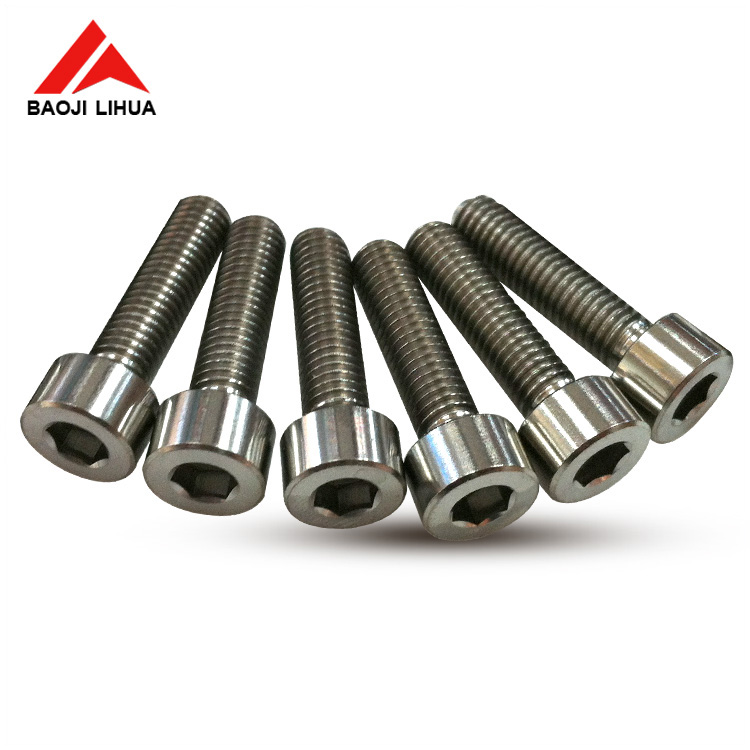
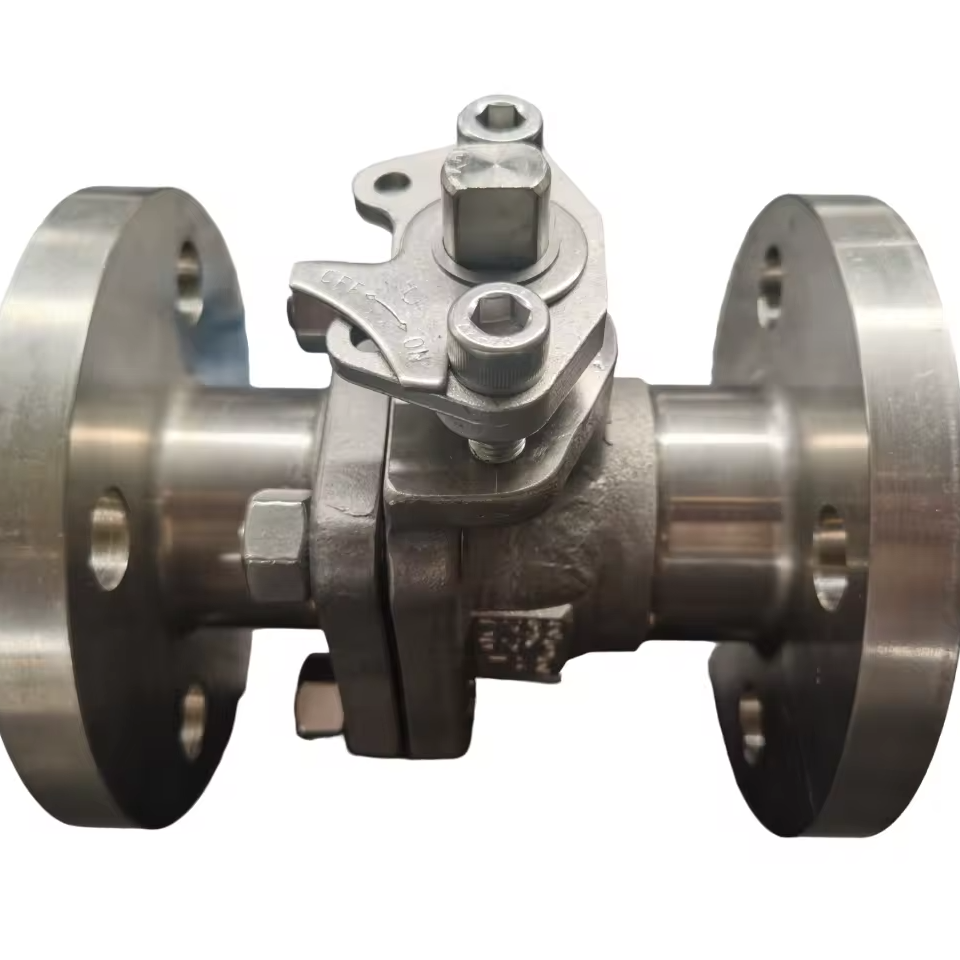
Beyond lap joint flanges, Jovzi manufactures complementary Grade 2 / Grade 5 / Grade 7 fasteners (DIN 912, DIN 933), titanium exhaust tubing, concentric reducers, and valve spheres—enabling Estonian purchasers to consolidate freight and mitigate procurement overhead.
Dynamic Export Packing
All flanges undergo multi-stage ultrasonic degreasing, sealing face protective cap installation, vapor-corrosion inhibitor (VCI) wrapping, and heavy-duty ISPM-15 compliant seaworthy wooden crate packaging to ensure pristine delivery to Estonian yards.
Frequently Asked Questions: Sourcing Titanium Lap Joint Flanges in Tallinn
How do Jovzi Titanium Lap Joint Flanges prevent galvanic corrosion when mating with carbon steel backing rings in Muuga marine conditions?
Can Jovzi supply lap joint flanges compliant with both ASME B16.5 and European EN 1092-1 standards for Estonian retrofits?
What specific documentation is provided to satisfy EU Pressure Equipment Directive (PED 2014/68/EU) requirements in Estonia?
What is the typical shipping lead time and logistics route from your Baoji factory to Tallinn, Estonia?
When should our engineering team specify Grade 7 (Ti-0.15Pd) instead of standard Grade 2 for lap joint stub ends?
What is the Minimum Order Quantity (MOQ) for custom-machined or standard lap joint flanges?
Equip Your Baltic Operations with Certified Titanium Piping Solutions
Consult directly with Jovzi's metallurgical engineering staff. Receive comprehensive technical evaluations, dimensional verifications, and factory-direct quotations within 8 hours.
Contact Us