Featured Titanium Piping & Precision Alloy Components
Precision-manufactured in China's Titanium Valley under ISO 9001 certified protocols, fully compliant with ASTM, ASME, and DIN standards for industrial and offshore piping infrastructures.
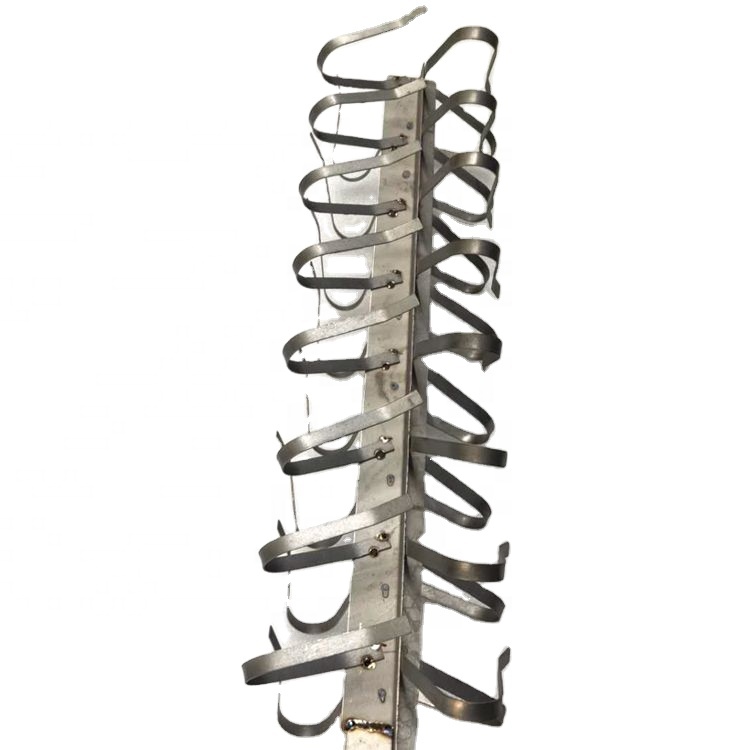
Grade2 Titanium Jigs Rack Hook Tube Components for Coating Electroplating
- Material: ASTM B338 / B265 Gr.2
- Resistance: Chloride / Acidic Bath
- Customization: CNC Bending / Welding
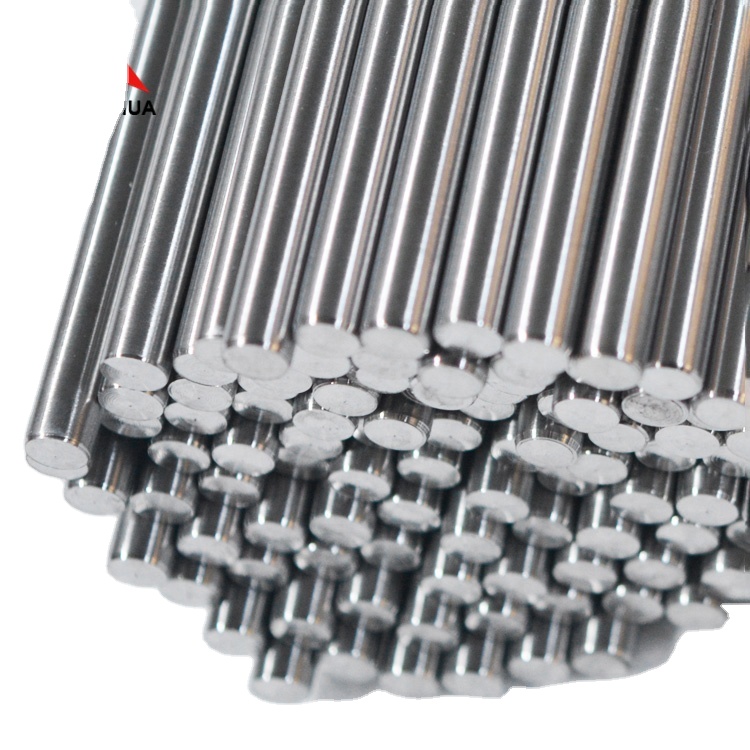
Gr2 Gr5 Titanium Round Bar 25mm/35mm/45mm/65mm Length 1000mm
- Standard: ASTM B348 / ASME SB348
- Grades: Gr.2 (CP) / Gr.5 (Ti-6Al-4V)
- Inspection: 100% Ultrasonic Flaw Tested
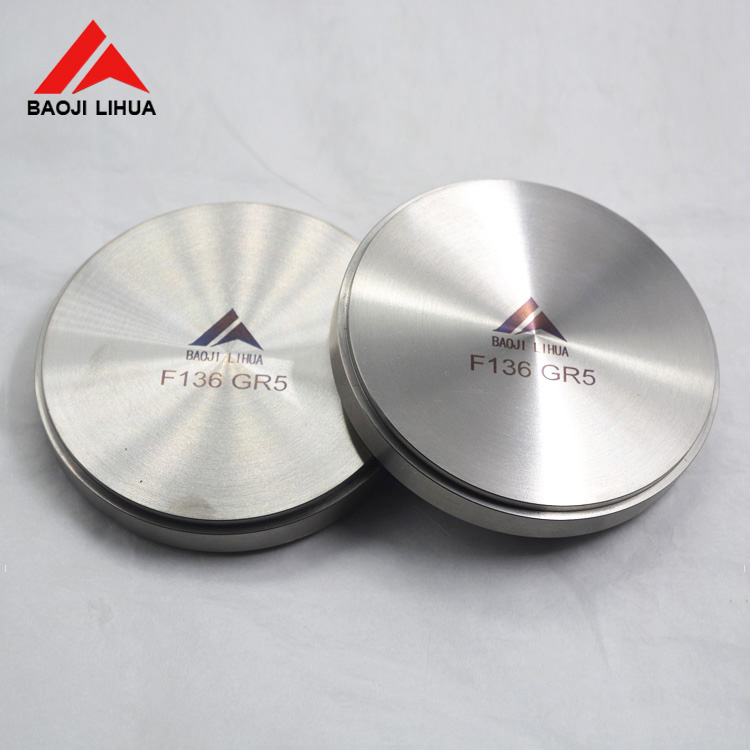
Hot Selling Medical Grade Titanium Block Gr5 Eli Gr23 Titanium Disc for Dental Implant
- Purity: ELI Grade 23 (Ti-6Al-4V ELI)
- Standard: ASTM F136 / ISO 5832-3
- Application: Precision Machining / Medical
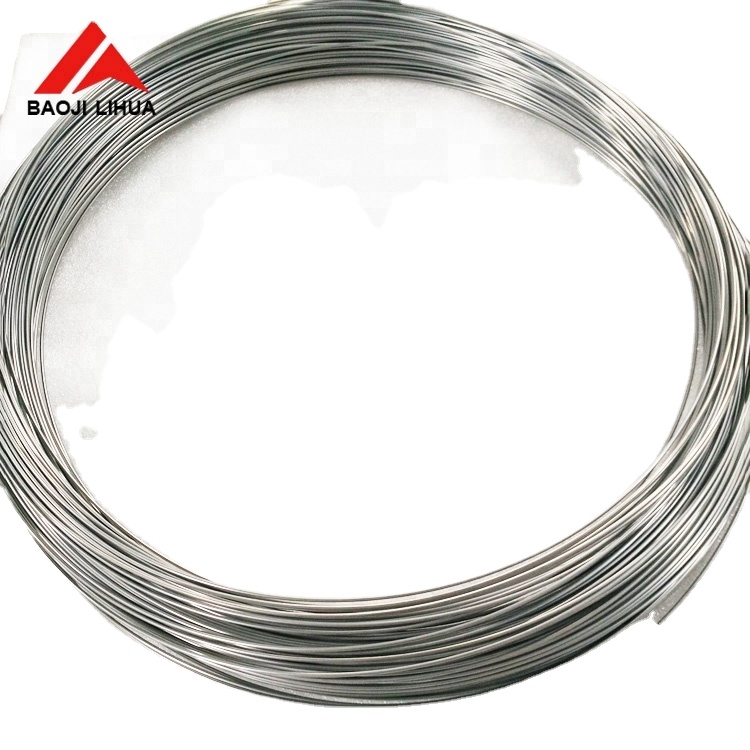
Nitinol Wire Shape Memory Alloy Superelastic Niti Wires 0.45 0.5 0.55MM
- Alloy Type: Nickel-Titanium (Ni-Ti)
- Property: Superelastic / Memory Effect
- Diameter: 0.45mm / 0.50mm / 0.55mm
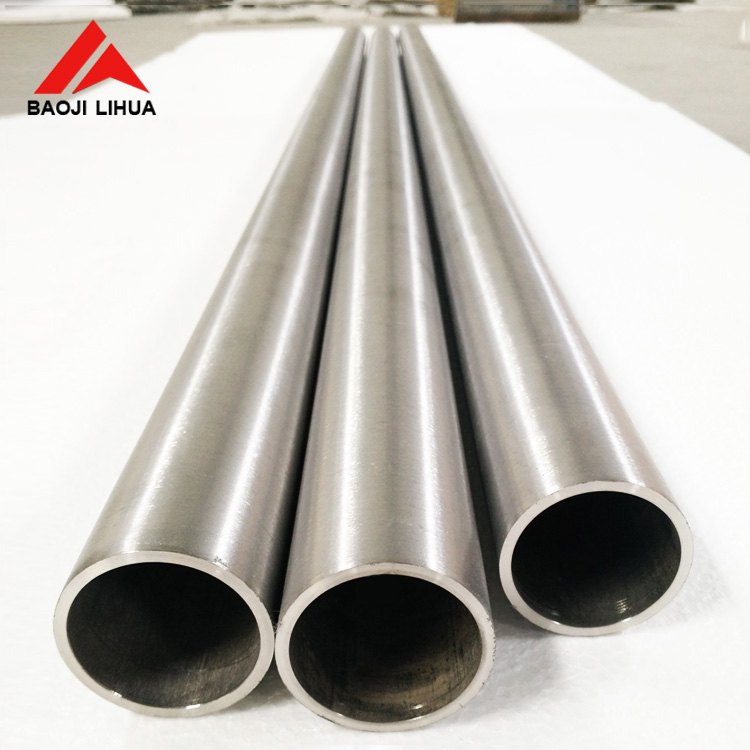
Gr1/2/9 38mm/51mm/63mm/76mm/89mm/102mm Titanium Pipe Tube Exhaust
- Standard: ASTM B338 / ASTM B861
- Form: Seamless & Welded Thin Wall
- Sizes: OD 38mm up to 102mm
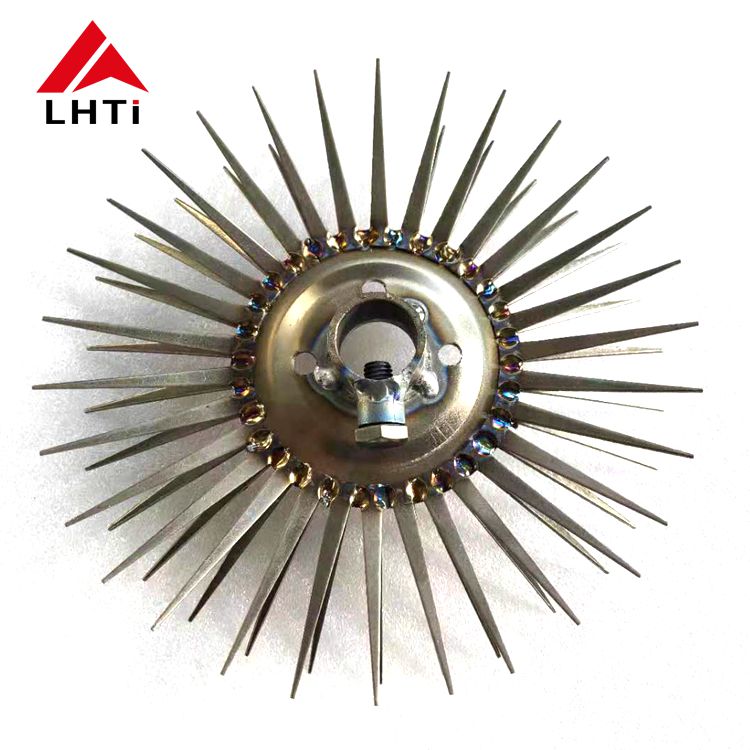
Gr2 Titanium 30 Split Fingers Disk Rack Dia220mm Thick1.5mm for Anodizing
- Process: Surface Chemical Treatment
- Design: 30 Split Elastic Fingers
- Durability: Continuous Acid Immersion
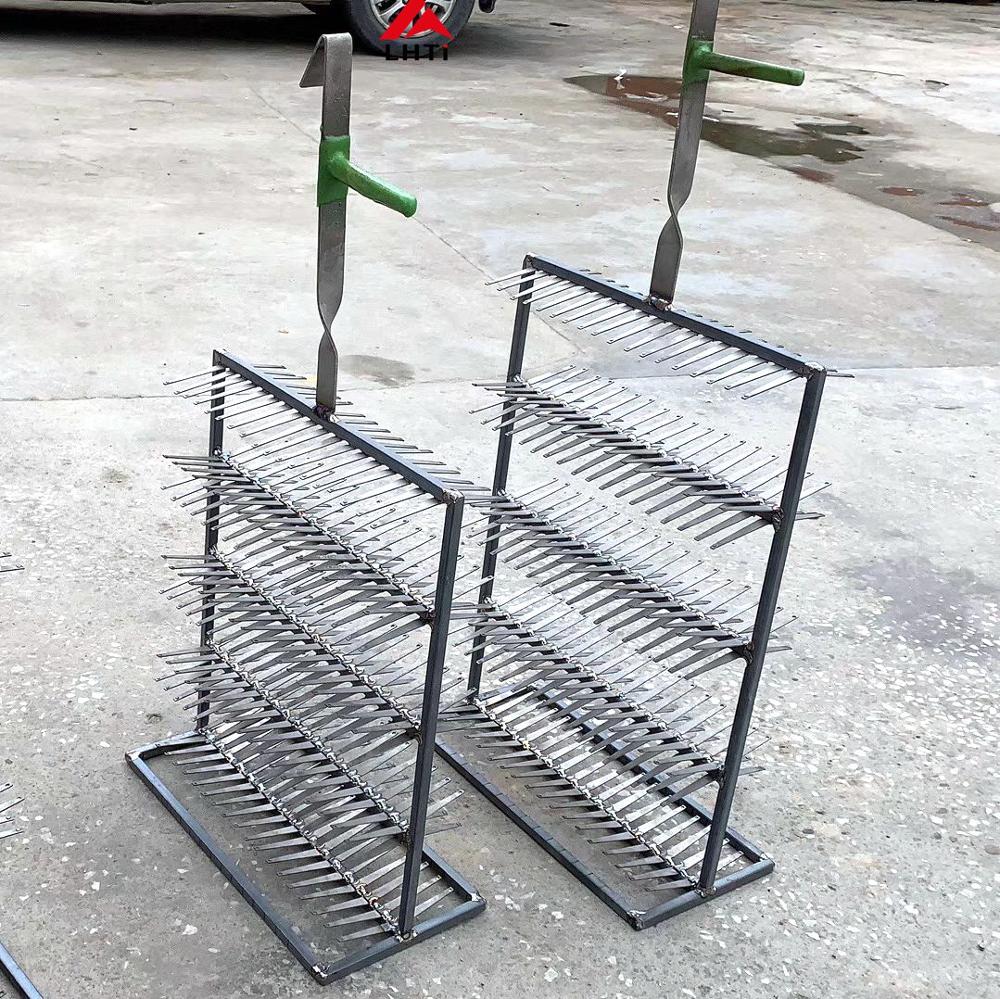
Anodizing Titanium Jig Hanger Rack Frame for Plating
- Structure: Custom Modular Frame
- Conductivity: Uniform Current Distribution
- Service Life: 5x Longer than SS Racks
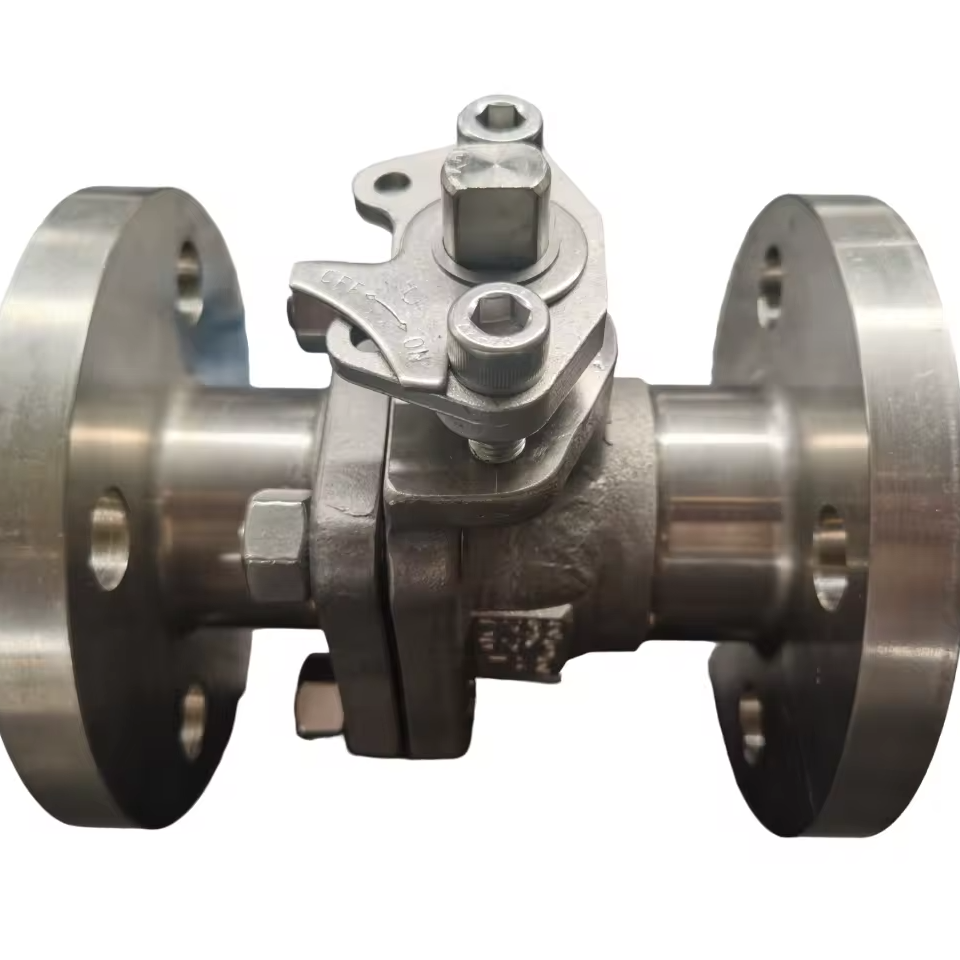
LHTi Group Valve Ball, Manufacturer Direct, Titanium and Titanium Alloy Valve Ball, Hollow Casing Floating Ball, Customized.
- Execution: Hollow & Solid Floating Ball
- Grades: Gr.2 / Gr.5 / Gr.12 Alloy
- Machining: Mirror Polished Ra < 0.2μm
1. Engineering Integrity: Titanium Mechanical Connectors in High-Stress Regimes
In marine, hydrocarbon extraction, and subsea process piping systems, the structural junction represents the most critical failure locus. High salinity, elevated hydrostatic pressure, cyclic thermal expansion, and microbiologically influenced corrosion (MIC) rapidly degrade conventional carbon steels and even standard austenitic stainless steels (such as AISI 316L). In the tropical marine environment off the southern coast of Timor-Leste, where seawater surface temperatures frequently exceed 29°C and ambient chloride ion concentrations approach 19,000 to 20,000 ppm, titanium pipe connectors emerge as the definitive engineering material.
Titanium pipe connectors—encompassing weld neck flanges, lap joint stub ends, mechanical couplings, concentric reducers, socket weld unions, and threaded adaptors—derive their performance from a spontaneously formed, stable, continuous, and highly adherent titanium dioxide (TiO2) rutile/anatase passivating oxide film. Even under high-velocity turbulent flow carrying abrasive siliceous sediments common to nearshore dredging and subsea hydrocarbon tie-backs, the passivation film re-forms instantaneously in the presence of trace oxygen or moisture (< 50 milliseconds).
| ASTM Grade | UNS Number | Nominal Chemistry | Min. Tensile / Yield (MPa) | Corrosion Rate in Seawater (mm/yr) | Primary Suai Project Use Case |
|---|---|---|---|---|---|
| Grade 1 (CP) | R50250 | Unalloyed Ti (Low O) | 240 / 170 | < 0.0001 (Immune) | Low-pressure flex bellows, thin-wall expansion loops |
| Grade 2 (CP) | R50400 | Commercially Pure Ti | 345 / 275 | < 0.0001 (Immune) | ASME B16.5 flanges, stub ends, seawater manifolds |
| Grade 5 (Ti-6Al-4V) | R56400 | Ti-6% Al - 4% V | 895 / 828 | < 0.0002 | High-pressure subsea connector hubs, structural bolts |
| Grade 7 (Ti-Pd) | R52400 | Ti + 0.15% Pd | 345 / 275 | Negligible at >200°C | Sour gas transfer, deep-well geothermal/chemical lines |
| Grade 12 (Mo-Ni) | R53400 | Ti-0.3Mo-0.8Ni | 483 / 345 | < 0.0005 at elevated temp | Offshore platform heat exchangers, valve trim bodies |
Jovzi Titanium manufactures and exports titanium connectors strictly adhering to ASTM B363 (Factory-Made Wrought Titanium and Titanium Alloy Welding Fittings), ASME B16.5 (Pipe Flanges and Flanged Fittings), ASME B16.9 (Factory-Made Wrought Buttwelding Fittings), and MSS SP-43 (Wrought and Fabricated Butt-Welding Fittings for Low Pressure, Corrosion Resistant Applications). Every fitting is CNC machined to exacting tolerances (class ISO 2768-m or customized drawings down to ±0.01 mm) ensuring zero misalignments during site welding or subsea clamp installation.
2. Localized Engineering Applications: The Strategic Landscape of Suai (Cova Lima)
Suai, situated on the southwestern coast of Timor-Leste within the Cova Lima municipality, serves as the operational anchor of the sovereign Tasi Mane Project—a transformative national infrastructure masterplan dedicated to petroleum logistics, downstream gas commercialization, and maritime industrialization. The core of this regional development revolves around the Suai Supply Base (SSB), designed to provide comprehensive shore-base services, marine bunkering, heavy-lift quays, and fabrication support for offshore exploratory drilling and permanent platforms operating across the Timor Sea, including the Greater Sunrise, Bayu-Undan, and adjacent offshore petroleum concessions.
Subsea Risers & Flowlines
Deepwater offshore fields in the Timor Trough experience tectonic stresses and severe hydrostatic heads. Titanium Grade 5 connector hubs and Grade 2 spool connectors eliminate seawater stress-corrosion cracking (SCC) and withstand high fatigue loads induced by ocean currents.
Suai Supply Base Fuel & Brine Bunkering
Quayside liquid mud, clear brine, and drilling fluid bunkering lines at the Suai logistics terminal require corrosion-free fluid transfer. Grade 2 ASTM B363 titanium reducers, tee connections, and ASME B16.5 plate flanges eliminate rust contamination in sensitive drilling fluids.
Offshore Support Vessel (OSV) Piping
Tugboats, platform supply vessels (PSVs), and crew boats staging out of Suai depend on titanium seawater cooling lines, firewater deluges, and bilge piping. Titanium's 45% weight saving over steel directly increases fuel efficiency and deadweight tonnage capacity.
Seawater Desalination Plants
Coastal industrial zones in Cova Lima face potable and industrial freshwater deficits. Reverse osmosis (RO) high-pressure reject brine manifolds operating at 70–80 bar require titanium connector blocks to prevent crevice erosion-corrosion common in duplex alloys.
Power Plant Heat Exchangers
Thermal power generation along the southern littoral zone utilizes direct once-through seawater surface condensers. Titanium Grade 2 tube-to-tubesheet connectors and stub end manifolds completely eliminate downtime caused by ammonia pitting or chloride cracking.
LNG Condensate Processing & Export
As future onshore LNG receiving terminals and fractionation units develop along the Suai-Betano corridor, titanium cryogenic connectors ensure zero ductile-to-brittle transition even at -196°C, offering unsurpassed safety margins for hydrocarbon liquefaction lines.
3. Strategic Industry Trends Shaping Titanium Adoption in Timor-Leste
The industrial landscape of Suai and the greater southern maritime frontier is entering an inflection point marked by three primary macroeconomic and engineering drivers:
A. The Shift Toward 30-to-50-Year Unscheduled Maintenance Life Cycles: Historically, offshore operators in the Timor Gap budgeted for regular dry-docking and spool replacement every 5 to 7 years due to localized corrosion of carbon steel lines clad with cupronickel or 316 stainless. Today, the fiscal mandate from sovereign stakeholders like Timor GAP E.P. prioritizes lowest Total Cost of Ownership (TCO). While the initial capital expenditure (CAPEX) of titanium is higher, its zero-corrosion allowance allows engineers to design thin-walled schedules (Schedule 5S or 10S vs. Schedule 80 carbon steel), reducing topside structural weight, cutting structural ballast requirements, and completely eliminating mid-life replacements.
B. Greater Sunrise Pipeline Tie-Back Debates and Deepwater Crossings: The technological evaluation of piping hydrocarbons from the Sunrise field across the deep Timor Trough (>2,800 meters bathymetry) directly onto the shores of Suai mandates piping components with extreme fatigue resistance and specific strength (strength-to-density ratio). Titanium Grade 5 (Ti-6Al-4V) connectors and Grade 28 alloy connectors have been recognized in subsea engineering whitepapers as ideal candidates for dynamic flexible riser joints and stress-joint assemblies at pipeline shore approaches.
C. Strict Environmental Regulations and Carbon Capture Corridors (CCS): Timor-Leste’s vision to transform depleting fields like Bayu-Undan into one of the Southern Hemisphere’s largest offshore Carbon Capture and Storage (CCS) hubs requires transport piping capable of handling supercritical CO2 laden with trace water, sulfur oxides (SOx), and carbonic acid. Titanium pipe connectors do not experience carbonic acid embrittlement or explosive decompression blister failures, rendering them vital components in the upcoming CCS injection wells and topside booster manifolds anchored to the Suai maritime support corridor.
4. Technical Guide: Field Handling, GTAW Welding & Flange Bolting Protocols
Achieving the certified design life of titanium connectors requires adherence to strict metallurgical handling protocols during pre-assembly and site installation at the Suai Supply Base fabrication yard:
Atmospheric Shielding in GTAW
Titanium is an avid getter of atmospheric gases (oxygen, nitrogen, hydrogen) at temperatures above 427°C (800°F), which cause severe embrittlement. Weld joints must utilize High-Purity Argon (99.999% purity) with trailing shields and complete internal pipe purging until joint cooldown below 400°C.
Strict Isolation from Carbon Steels
Never grind titanium connectors with abrasive discs previously utilized on carbon or stainless steel. Iron particles embedded into the titanium surface disrupt the TiO2 passive film and create localized galvanic cells. Dedicate stainless or carbide tools exclusively for titanium spools.
Galvanic Isolation & Gasketing
When connecting titanium ASME B16.5 flanges to dissimilar metal pipe runs (e.g., Super Duplex or Nickel Alloy 625), employ full-face dielectric isolation kits (G10 retainer sleeves, insulating washers, and PTFE or virgin graphite sealing elements) to eliminate galvanic potential differences.
Jovzi Titanium provides factory-beveled pipe fittings (per ASME B16.25) with protective end caps, fully pickled or mirror-polished surfaces, and vacuum-sealed plastic wrap to ensure pristine surface cleanliness upon delivery at Suai Port or Dili Nicolau Lobato Airport cargo clearance.
Frequently Asked Questions by EPC Buyers in Suai & Timor-Leste
Straightforward answers addressing customs clearance, metallurgical compliance, logistics timelines, and installation specifications for Timor-Leste energy infrastructure projects.
What is the standard transit time and route for cargo shipped to Suai?
Which titanium grade is recommended for subsea seawater injection lines in the Timor Sea?
Do your titanium connectors include EN 10204 3.1 certification and third-party inspection?
Can Jovzi manufacture custom dimensions or obsolete connector profiles for vessel refits?
What Minimum Order Quantity (MOQ) applies to specialty titanium piping fittings?
Which Incoterms and international payment terms are supported for Timor-Leste projects?
Request a Comprehensive Engineering Quote & Specification Review
Provide your pipeline schedules, material grades (ASTM B363 / B381 Gr.2, Gr.5, Gr.7, Gr.12), nominal pipe dimensions, and destination requirements for instant technical review by our senior metallurgical team in Baoji.