Engineering Portfolio: Advanced Titanium Components
High-integrity piping fittings, structural billets, and specialized titanium solutions manufactured strictly to ASTM, ASME, and DIN standards with mill-to-final certification.
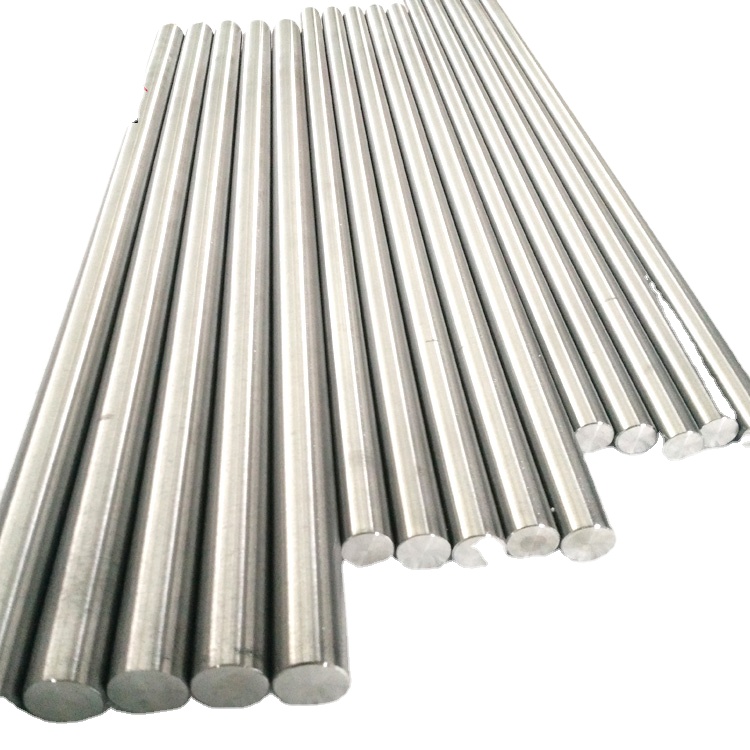
ASTM B348 GR5 Titanium Bar Tod Dia 100mm High Quality
Product Details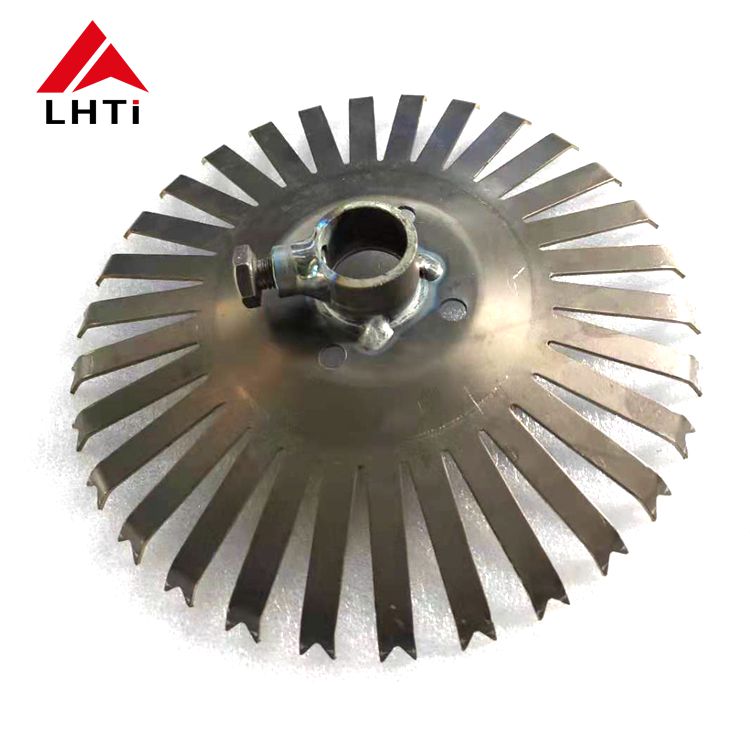
Anodizing Titanium 30 Teeth Disk Rack for Electroplating
Product Details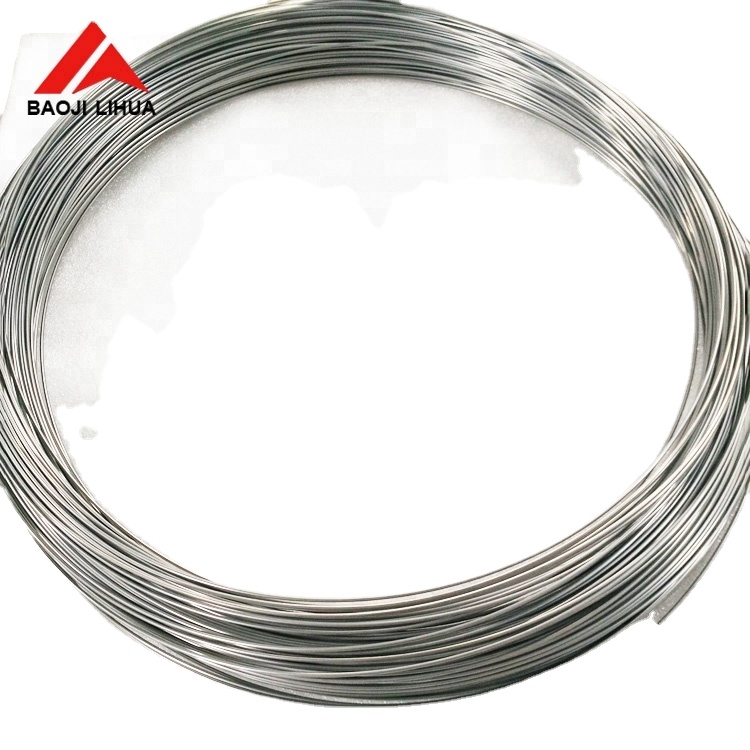
Nitinol Wire Shape Memory Alloy Superelastic Wires
Product Details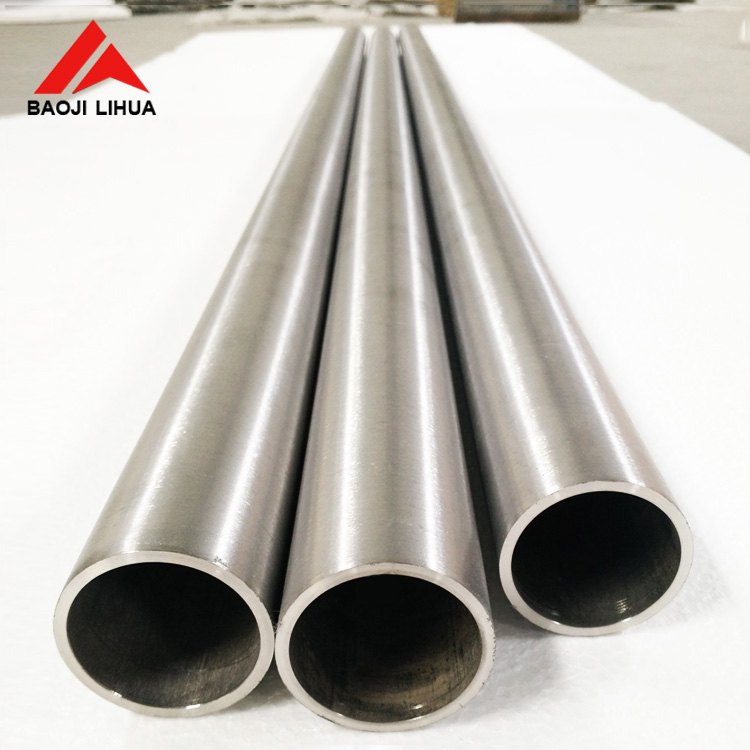
Gr1/Gr2/Gr9 38mm-102mm Titanium Pipe Tube Exhaust
Product Details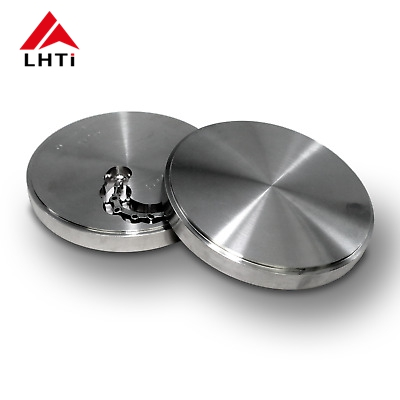
ASTM F136 Titanium Block Gr5 ELI / Gr2 Disc 98mm
Product Details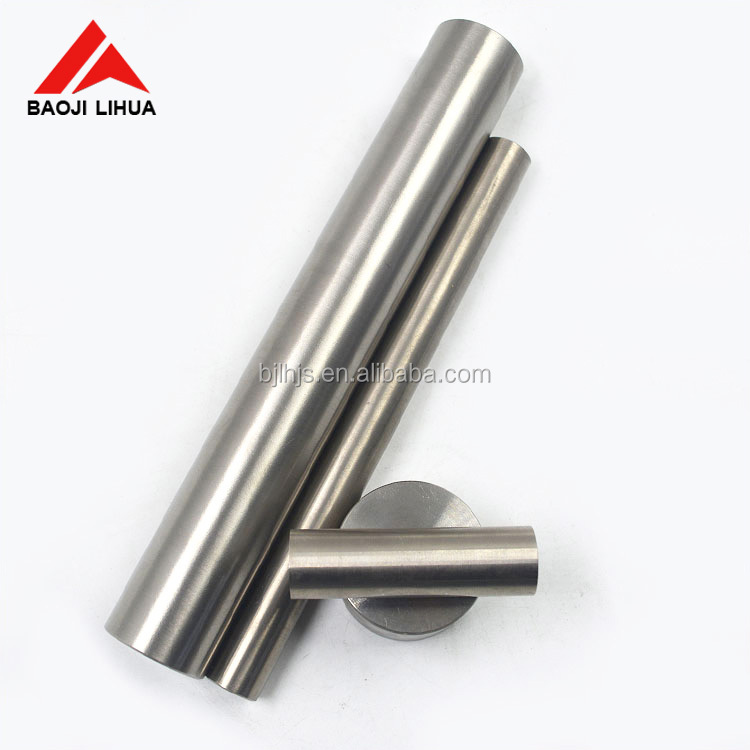
Titanium Bar Rod Billets Grade 2 / Grade 5 Industrial
Product Details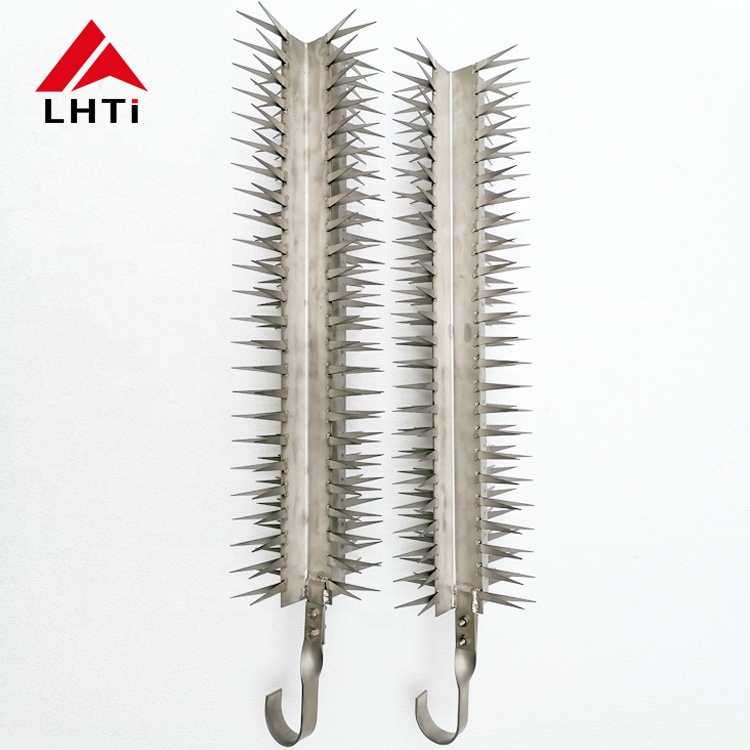
Customized Anodizing Gr1/Gr2 Titanium Jigs & Racks
Product Details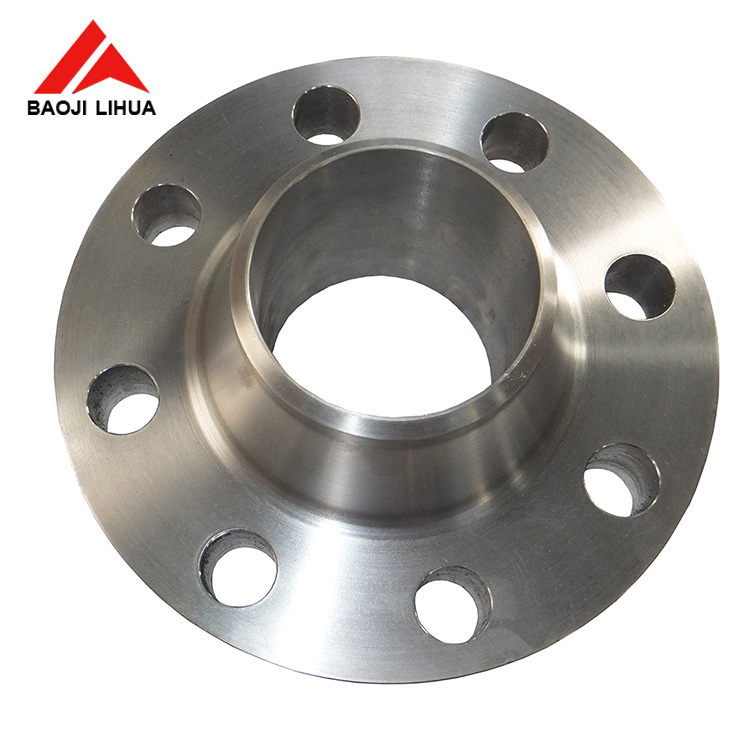
Titanium Blind Exhaust Flange 4" ANSI 150lbs/300lbs Gr2
Product Details2006
Established in Baoji
100%
Ultrasonic & PMI Inspected
EN 10204 3.1
Certified MTC Traceability
≤ 8 Hours
Technical Quotation SLA
Comprehensive Engineering Guide: Titanium Pipe Nipples in Marine and Coastal Systems
Piping infrastructure operating in coastal equatorial belts, specifically around Tutong District, Brunei Darussalam, is subjected to an unrelenting combination of tropical humidity, elevated ambient temperatures, high atmospheric salinity, and severe marine microbiologically influenced corrosion (MIC). In such severe fluid processing contexts, conventional austenitic stainless steels (such as 304L and 316L) routinely fail prematurely due to localized pitting, crevice corrosion, and chloride-induced stress corrosion cracking (CSCC). Titanium pipe nipples—comprising barrel nipples, close nipples, hex nipples, and concentric/eccentric swage nipples—serve as the critical connecting links within instrumentation lines, sample tapoffs, pump discharges, and heat exchanger manifolds.
Metallurgical Superiority and Passivity Kinetics
The exceptional endurance of titanium pipe nipples engineered by Jovzi Titanium originates in the spontaneous formation of a tenacious, chemically passive, self-healing oxide film dominated by titanium dioxide (TiO2 in rutile and anatase crystal forms). When subjected to aerated brine, brackish estuarine feedwaters from the Tutong River basin, or unrefined crude with aggressive associated gas, the film reforms within milliseconds upon mechanical scratch or hydraulic impingement, provided a trace of moisture or oxygen is present.
For installations handling sour hydrocarbons or acidic cleaning cycles containing hydrochloric and sulfuric wash chemicals, Jovzi manufactures pipe nipples from Grade 7 (Ti-0.15Pd) and Grade 12 (Ti-0.3Mo-0.8Ni). The deliberate addition of palladium shifts the corrosion potential noble, reducing hydrogen overvoltage and providing exceptional resilience against active-state reducing environments where unalloyed Grade 2 could experience accelerated depassivation.
| Titanium Grade | UNS Designator | Yield Strength (Min, MPa) | Tensile Strength (Min, MPa) | Pitting Resistance in Chlorides | Primary Tutong Industrial Suitability |
|---|---|---|---|---|---|
| Grade 1 (CP4) | UNS R50250 | 170 | 240 | High (< 70°C) | Low-pressure instrumentation tubing, decorative pass-throughs |
| Grade 2 (CP3) | UNS R50400 | 275 | 345 | Exceptional (< 85°C) | Standard seawater cooling lines, ballast piping, chemical manifold nipples |
| Grade 5 (Ti-6Al-4V) | UNS R56400 | 828 | 895 | High (High Fatigue) | High-pressure hydraulic connections, structural subsea connectors |
| Grade 7 (Ti-Pd) | UNS R52400 | 275 | 345 | Superior (> 250°C Crevice) | Sour hydrocarbons, acidic offshore injection, low-pH flue scrubbers |
| Grade 12 (Ti-Mo-Ni) | UNS R53400 | 345 | 483 | Very High (Resists Crevice) | Intermediate-pressure chemical piping, high-temperature heat exchangers |
Dimensional Standardization and Thread Precision
Industrial piping leakages in the petrochemical and process sector consistently trace back to out-of-tolerance threading, poor root radii, and surface galling on NPT (National Pipe Taper) or BSPT joints. Jovzi Titanium fabricates all threaded and welded pipe nipples in strict alignment with ASME B16.11 (Forged Fittings, Socket-Welding and Threaded), ASTM B363 (Seamless and Welded Unalloyed Titanium and Titanium Alloy Welding Fittings), and ASME B1.20.1 thread geometry.
Because pure titanium is inherently susceptible to cold welding or thread galling under torsional load, Jovzi implements specialized micro-finishing on all external male threads, maintaining root root-mean-square (RMS) surface finishes below 1.6 μm. Our technical department supplies precise guidance regarding the mandatory utilization of fluoropolymer-based PTFE tapes, nickel-pigmented anti-seize pastes, or micro-encapsulated anaerobic sealants designed to avoid galvanic interactions when joining titanium nipples into bronze, nickel-aluminum bronze (NAB), or super duplex female ports.
Localized Industrial Applications Across Tutong
Tailored titanium piping components engineered specifically to meet the environmental, thermodynamic, and petrochemical demands of Brunei Darussalam's coastal ecosystems.
Offshore Hydrocarbon & Gas Gathering
Tutong serves as a vital logistics and support corridor connecting upstream concessions with processing infrastructure along the Brunei coast. Our ASTM B363 Gr2/Gr7 pipe nipples are deployed in wellhead choke manifolds, produced-water treatment modules, and offshore instrumentation impulse lines, where resistance to wet H2S, carbon dioxide, and saturated brine is mission-critical.
Desalination & Seawater Intake Plants
Coastal utilities and industrial desalination units around the Tutong estuary rely on titanium pipe nipples for chemical dosing junctions (sodium hypochlorite injection) and reverse osmosis (RO) high-pressure bypass loops. Titanium's complete immunity to hypochlorite crevice corrosion ensures decades of uninterrupted service without metal ion contamination.
Petrochemical Refining & Downstream Processing
In downstream fractionation and sulfur recovery units, cooling loops operating with warm estuarine water encounter severe biological growth and sediment siltation. Jovzi Gr12 and Gr2 pipe nipples resist erosion-corrosion even at velocities exceeding 6 m/s, avoiding the impingement failures customary in copper-nickel (90/10 and 70/30 Cu-Ni) pipe branches.
Industrial Trends Driving Titanium Adoption
How Brunei Vision 2035 (Wawasan Brunei 2035) and regional green energy transitions are reshaping alloy specification in Tutong and surrounding industrial zones.
Lifecycle Cost Reduction Over Capex
Operators across the Brunei-Muara and Tutong development belts are pivoting away from sacrificial carbon steel and short-lived austenitic stainless lines. While initial material cost is higher, the complete elimination of corrosion allowances, biocide dosing, and scheduled 3-year turnaround replacements renders titanium the lowest total-cost-of-ownership (TCO) choice over a 30-year operational lifecycle.
Clean Energy and Green Hydrogen Infrastructure
As Brunei advances decarbonization initiatives and hydrogen carrier pilot projects, electrolyzer balance-of-plant systems necessitate ultra-pure, non-contaminating piping. Titanium nipples and flanges ensure that zero nickel, chromium, or iron cations leach into the demineralized water electrolyte feeds, preventing degradation of proton-exchange membranes (PEM).
High-Reliability Modularization (Skid Fabrication)
Prefabrication of chemical injection skids and maritime modules demands high strength-to-weight performance. Jovzi supplies fully machined titanium nipples, stub ends, and loose backing flanges that reduce overall superstructure topside weight by upwards of 40%, directly lowering offshore platform structural reinforcement requirements.
Why Tutong Engineers Rely on Jovzi Titanium
Direct manufacturer integration from Baoji Titanium Valley with uncompromising metallurgy and global export logistics.
Origin in Baoji Valley
Situated in China's titanium core, Jovzi controls sourcing directly from virgin sponge melt heats, avoiding recycled scrap ambiguities and ensuring uniform grain refinement.
ISO 9001 & MTC 3.1 Certified
Every lot is delivered with genuine EN 10204 3.1 Mill Test Certificates. Third-party testing by the recognized national BaoTi Test Center is routinely supplied on request.
CNC Tolerance Assurance
Our machine shop utilizes multi-axis turning and precision rolling centers, achieving precise thread crests, burr-free chamfers, and exact wall schedules (Sch 10S, 40S, 80S, 160).
Seamless Logistics to Brunei
Flexible Incoterms (FOB, CIF Muara Port, DDP site delivery) with robust export packing in custom wooden cases protected by moisture barriers and anti-galling sleeves.
Procurement FAQ: Sourcing Titanium Pipe Nipples
Direct technical answers addressing standards compliance, galvanic isolation, pressure ratings, and customs logistics for Brunei buyers.
What titanium grades are recommended for Tutong estuarine installations?
For standard seawater, estuarine cooling, and general offshore utilities operating below 80°C, ASTM B363 Grade 2 (unalloyed commercially pure) is the worldwide standard. For operating regimes encountering localized boiling, stagnant crevice geometries, or pH values dropping below 3 (such as sour gas scrubbers), Grade 7 (with 0.15% Palladium) or Grade 12 is strictly recommended to eliminate crevice corrosion risks.
How should engineers prevent galvanic corrosion when mating titanium nipples to other metals?
Titanium is cathodically noble. If connected directly to carbon steel, aluminum, or standard 316 stainless steel in conductive electrolyte seawater, the less noble metal will suffer accelerated galvanic attack. In Tutong facilities, engineers must employ dielectric isolation kits (insulating flange gaskets, PTFE bolt sleeves, and non-conductive washers) or transition spools fabricated with compatible Ni-alloys (Inconel 625/Hastelloy C-276).
What wall schedules and thread configurations are available from Jovzi?
We supply titanium pipe nipples in nominal pipe sizes (NPS) from 1/8" to 8" in schedules including Sch 10S, Sch 40S, Sch 80S, and Sch 160 (XXS). Configurations encompass Plain Both Ends (PBE), Threaded Both Ends (TBE), Threaded One End (TOE), Hexagonal nipples machined from bar stock, and concentric swage nipples. Threads conform to NPT (ASME B1.20.1), BSPT (ISO 7-1), or metric specifications.
What quality verification accompanies export shipments to Brunei?
Shipments arrive with full trace documentation: EN 10204 3.1 inspection certificates stating heat number, chemical spectrographic analysis, mechanical tensile and yield test results, hydrostatic test reports (or non-destructive eddy-current/ultrasonic testing), and dimensional check sheets. Independent third-party inspection (SGS, TUV, BV, or BaoTi Test Center) can be coordinated prior to vessel departure.
What is the typical production and delivery timeframe for custom titanium fittings?
Standard ASTM B363 Grade 2 pipe nipples in Sch 40S/80S (sizes 1/2" through 2") are commonly dispatched from intermediate stock within 5 to 7 business days. Custom CNC-machined barrel lengths, eccentric swages, or Grade 7/12 items typically execute in 15 to 25 manufacturing days. Air express options (via DHL/FedEx to Bandar Seri Begawan) deliver within 3–5 transit days, while sea freight to Muara Port takes approximately 12–18 days.
Does Jovzi handle custom bespoke pipe nipples manufactured to engineering drawings?
Yes. Beyond standard ASME B16.11 geometries, we provide full OEM custom machining services based on customer 2D prints (DWG/PDF) or 3D CAD models (STEP/IGES). We routinely produce non-standard wall thicknesses, custom hex shoulders for high-torque makeup, integrated test thermowell tapings, and precision orifice restriction nipples for instrumentation loops.