Featured Titanium Industrial Components for Immediate Export to Seria
Our integrated Baoji manufacturing workshop delivers full chemical traceability, ultrasonic validation, and EN 10204 3.1 certification for heavy-duty marine, oil and gas, and chemical processing facilities.
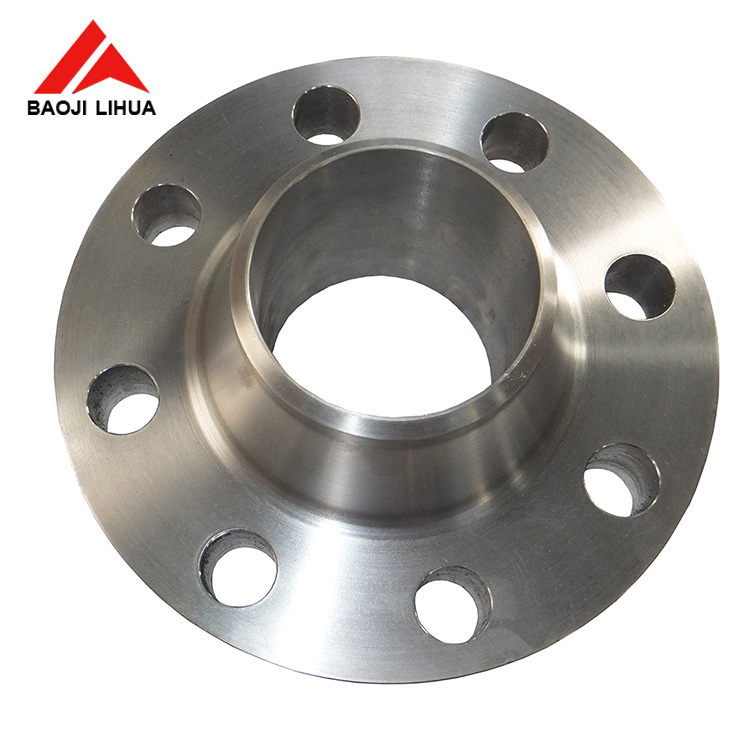
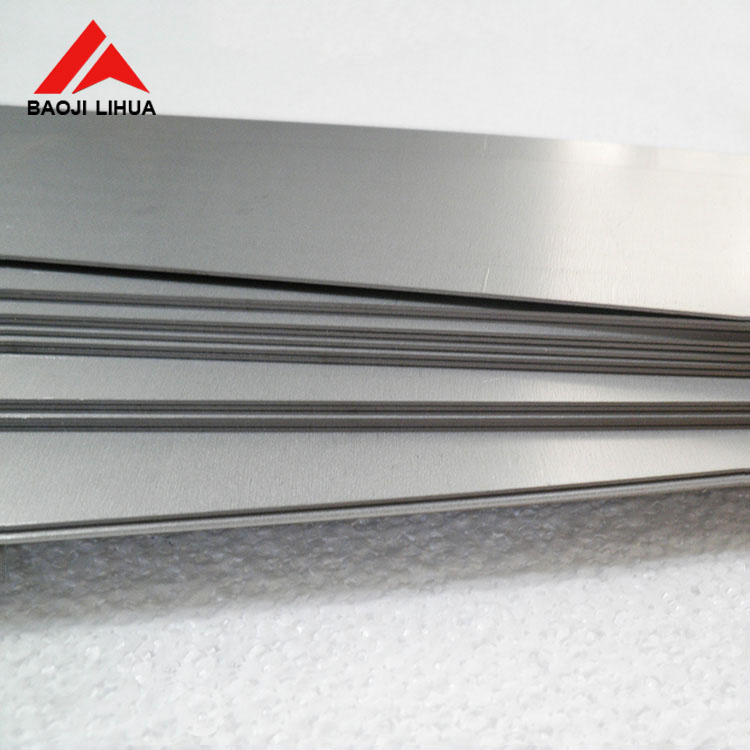
Gr2 Gr5 Ti 6al4v Polished 1mm Thickness Grade 2 Titanium Sheet Titanium Plate in Stock
Explore Product →
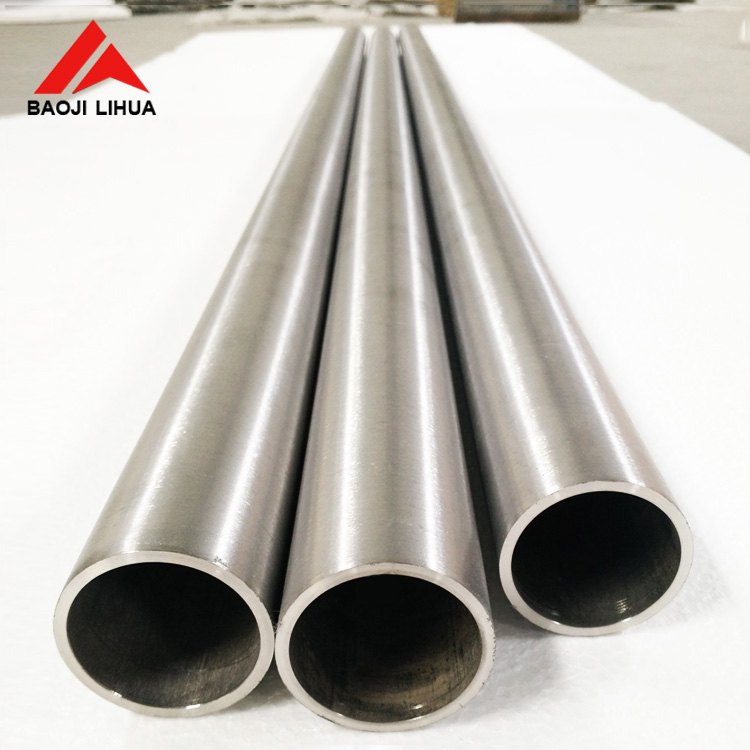
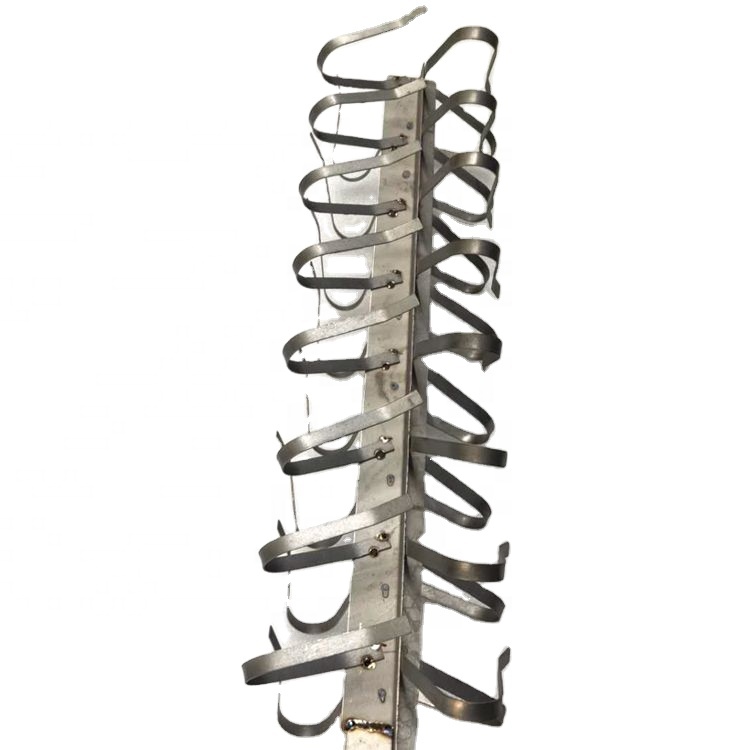
Grade2 Titanium Jigs Rack Hook Tube Components for Coating Electroplating
Explore Product →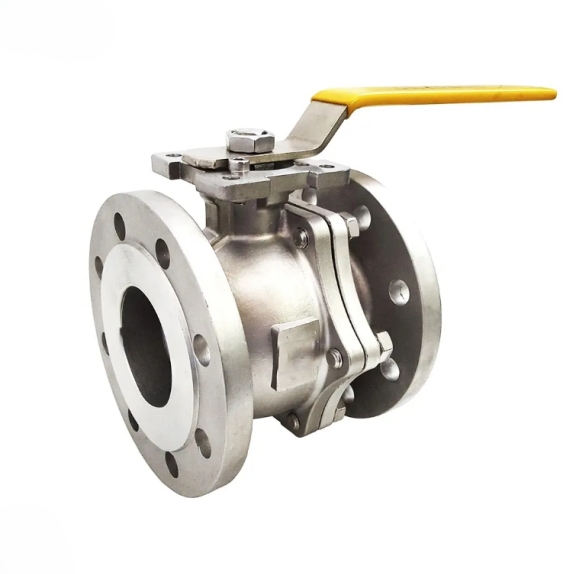
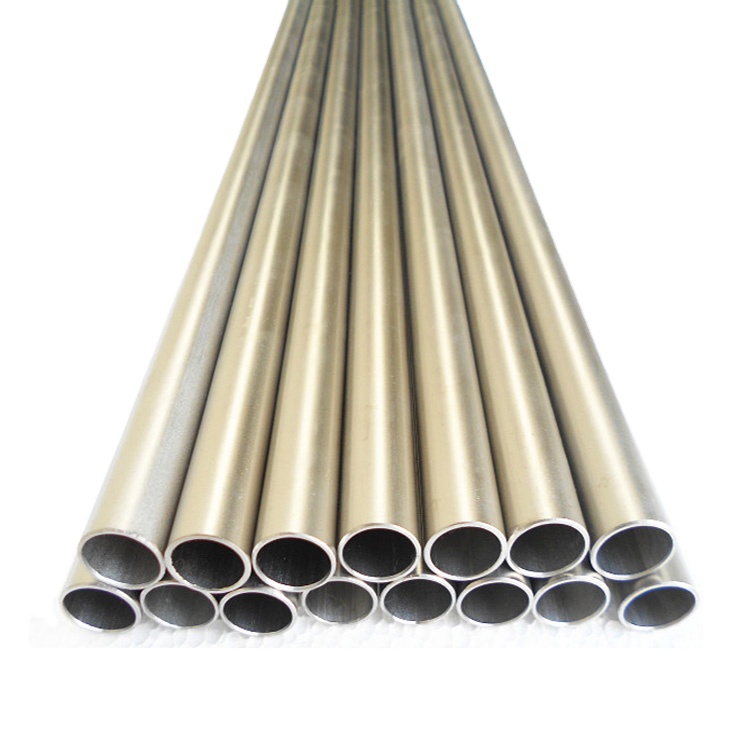
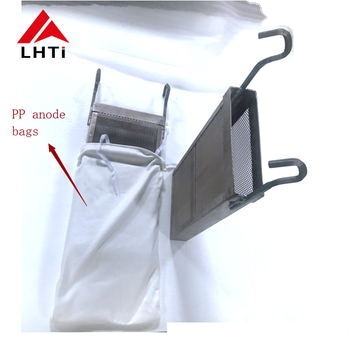
Gr2 Anodising Titanium Basket With PP Anode Bags for Electroplating
Explore Product →Technical Specification & Manufacturing Architecture of Titanium Seamless Concentric Reducers
In modern high-pressure piping design, concentric reducers are essential butt-weld fittings utilized to connect disparate pipe diameters along a shared horizontal or vertical centerline. Unlike eccentric variants that sustain a flat-on-bottom profile for liquid drainage, seamless concentric reducers facilitate uniform, axisymmetric fluid acceleration and deceleration. In hostile offshore production loops and subsea handling systems, structural discontinuities or weld seam failures represent intolerable risks. Jovzi Titanium manufactures seamless titanium concentric reducers conforming precisely to ASTM B363 (Standard Specification for Seamless and Welded Unalloyed Titanium and Titanium Alloy Welding Fittings) and dimensional criteria outlined in ASME B16.9.
The manufacturing trajectory begins with vacuum arc remelted (VAR) ingots forged into dense, defect-free hollow billets. Seamless concentric reducers are engineered from heavy-wall parent pipes (ASTM B861 / ASTM B338) utilizing high-temperature mandrel necking and hydraulic drawing dies. By eliminating the longitudinal weld seam inherent in welded fittings (ASTM B363 WPT2W), our seamless fittings eradicate the heat-affected zone (HAZ) microstructural vulnerabilities, guaranteeing isotropic mechanical properties, exceptional fatigue durability against hydraulic surging, and total immunity to preferential seam attack in aggressive brine-hydrocarbon matrices.
| Titanium Grade | UNS Designator | Chemical Composition Nominal | Tensile Strength (Min) | Yield Strength (0.2% Offset) | Primary Industrial Utility |
|---|---|---|---|---|---|
| Grade 1 (CP4) | UNS R50250 | Ti ≥ 99.5%, O ≤ 0.18% | 240 MPa (35 ksi) | 170 MPa (25 ksi) | Deep-drawn low pressure liners, cryogenic condensate storage |
| Grade 2 (CP2) | UNS R50400 | Ti Balance, Fe ≤ 0.30%, O ≤ 0.25% | 345 MPa (50 ksi) | 275 MPa (40 ksi) | Standard seawater cooling, offshore produced water, topside utilities |
| Grade 7 (Ti-Pd) | UNS R52400 | Grade 2 Base + 0.12–0.25% Palladium | 345 MPa (50 ksi) | 275 MPa (40 ksi) | Extreme acidic chloride brine, high-temperature sour oil & gas |
| Grade 12 (Ti-Mo-Ni) | UNS R53400 | 0.3% Mo, 0.8% Ni, Balance Ti | 483 MPa (70 ksi) | 345 MPa (50 ksi) | Crevice corrosion resistance at elevated temperatures (>180°C) |
Every single reducer undergoing export packaging is subjected to full dimensional calibration per ASME B16.9 (bevel angle, land thickness, concentricity, roundness), followed by 100% Non-Destructive Examination (NDE) incorporating liquid penetrant inspection (PT) and ultrasonic testing (UT). Vacuum annealing heat treatments (650°C to 720°C with protective inert atmospheres) relieve forming stresses while preserving the continuous, tenacious titanium dioxide (TiO2) rutile passivation layer that delivers unyielding stability in stagnant, aerated, or chlorite-dosed waters.
Strategic Industrial Applications Across Seria and Coastal Belait Operations
The town of Seria, nestled on the northwest coastline of Borneo in Brunei Darussalam, is the historic operational heart of Southeast Asia's hydrocarbon extraction. With continuous offshore exploitation in mature shallow-water and deep-water sectors—such as the Champion, South West Ampa, Fairley, and Egret fields—as well as the expansive coastal gathering hubs at the Seria Crude Oil Terminal (SCOT), pipeline reliability governs asset survival.
Offshore Topsides & Seawater Injection
Offshore platforms operating off the coast of Seria utilize massive volumes of South China Sea water for waterflooding reservoir pressure maintenance and deluge fire suppression. Conventional carbon steel and duplex stainless steels frequently experience catastrophic pitting and microbiologically induced corrosion (MIC) under warm, biologically dense tropical ocean conditions. Jovzi's Grade 2 and Grade 7 seamless concentric reducers offer complete immunity to raw marine seawater, eliminating biofouling-induced pitting even in zero-flow standby states.
Sour Gas & Multiphase Wellhead Loops
Wellhead fluids gathered across mature Belait fields contain elevated concentrations of dissolved CO2 and sour H2S along with high salinity formation water. Where high-velocity pipe transitions occur, our Grade 12 (UNS R53400) and Grade 7 (UNS R52400) seamless reducers resist wet H2S-induced sulfide stress cracking (SSC) and crevice attack under elevated temperatures, conforming flawlessly to NACE MR0175 / ISO 15156 requirements.
Seria Crude Terminal & Coastal Refineries
At onshore processing stations, heat exchange re-tubing and pipeline debottlenecking demand high-integrity transitions between pump discharges and heat exchangers. Titanium seamless reducers connect titanium valve ball manifolds and welded header lines, dampening cavitation shocks while reducing piping system tare weight by 45% compared to Cu-Ni (90/10 or 70/30) and Super Duplex 2507 alloys, reducing structural load on aging offshore structural jackets.
Localized Energy Trends & The Material Transition in Brunei's Hydrocarbon Sector
As operators throughout the Belait region and adjacent maritime concessions pursue Life Extension Programs (LEP) to stretch the economic utility of mature offshore assets to 2040 and beyond, asset integrity engineering has undergone a fundamental shift. Historically, copper-nickel (Cu-Ni 90/10) alloys were the baseline material for marine cooling networks, while super duplex stainless steel (UNS S32750) served high-pressure hydrocarbon gathering lines. However, several environmental and chemical operational factors in the Seria basin have driven titanium to the forefront:
Elimination of Velocity-Induced Erosion
Copper-nickel alloys suffer accelerated impingement attack when seawater velocities exceed 3.5 m/s. Conversely, titanium concentric reducers withstand flow velocities surpassing 20 m/s without disruption of their oxide film, enabling Brunei pipeline engineers to downsize line dimensions, reduce pumping energy requirements, and operate smaller-diameter piping layouts with superior hydraulic efficiency.
Decarbonization & Zero Chemical Dosing
To prevent severe biofouling in tropical waters, traditional alloy pipelines require constant sodium hypochlorite or biocide dosing. Titanium's biological passivity and shear endurance permit high-velocity backflushing protocols that drastically reduce toxic chemical discharge into coastal marine ecosystems surrounding Seria, supporting national emissions and environmental stewardship targets.
Total Lifecycle Cost Economics (LCC)
While upfront procurement expenditures for titanium fittings are comparable to high-alloy super austenitics or Hastelloys, the operational lifetime of seamless Grade 2 or Grade 7 reducers easily surpasses 35 to 50 years with zero corrosion allowance required. This eliminates planned turnaround replacements on unmanned satellite platforms where marine crane barge mobilization incurs massive logistical expenses.
Jovzi Titanium Advantage: Integrated Baoji Production & Quality Governance
Originating in 2006 in Baoji, Shaanxi Province—China's recognized "Titanium Valley," which accounts for more than 60% of China's total titanium mill processing capacity—Jovzi Titanium Industry Co., Ltd. serves industrial end-users, offshore engineering contractors, and fabrication yards worldwide. When procurement teams in Seria source high-pressure butt-weld reducers, they interface directly with an integrated manufacturing facility:
Baoji Raw Material Control
We source only high-purity small-particle sponge titanium directly forged into ingots, ensuring strict limits on intersitial elements (Oxygen ≤ 0.18%, Iron ≤ 0.20%, Hydrogen ≤ 0.010%).
In-House Machining & Cold Forming
Equipped with state-of-the-art hydraulic extrusion presses, expanding mandrels, and high-precision multi-axis CNC lathes, ensuring true perpendicularity and precise weld prep bevel angles (37.5° ± 2.5°).
Authorized BaoTi Testing
Every lot can be accompanied by independent laboratory verification reports issued by the BaoTi Test Center, including microstructural grain size analysis, tensile, yield, and charpy V-notch impact verification.
Global Logistics & Rapid Air Freight
Exporting to over 30 countries with rapid shipping pathways to Brunei (via Bandar Seri Begawan and direct delivery to Belait/Seria work sites) packed in shock-proof, moisture-sealed export-grade wooden cases.
Frequently Asked Questions by Seria Piping Engineers & Contractors
Clear, metallurgical, and contract-ready responses addressing wall thickness, welding, galvanic isolation, and documentation standards.
What pressure schedules and wall thicknesses are available for Jovzi's titanium seamless concentric reducers? +
How does Jovzi ensure seamless concentric reducers conform to NACE MR0175 / ISO 15156 in sour service? +
What welding wire and shielding protocols are required when butt-welding titanium reducers onsite in Seria? +
How do operators in Seria mitigate galvanic corrosion when mating titanium fittings with dissimilar metals? +
What certification package and inspection documentation accompanies each shipment to Brunei? +
Direct Technical Consultation & Mill Quotations for Seria Projects
Whether configuring complete titanium cooling loop retrofits, replacing failed duplex reducers, or drafting tender specifications for upcoming Brunei energy tenders, consult our senior metallurgy engineering team in Baoji for authoritative support and rapid quotations.