Featured Mill & Fastener Configurations
Direct supply from Baoji's integrated titanium foundries to OEM machine centers and maintenance hubs throughout the Illinois-Midwest industrial corridor.
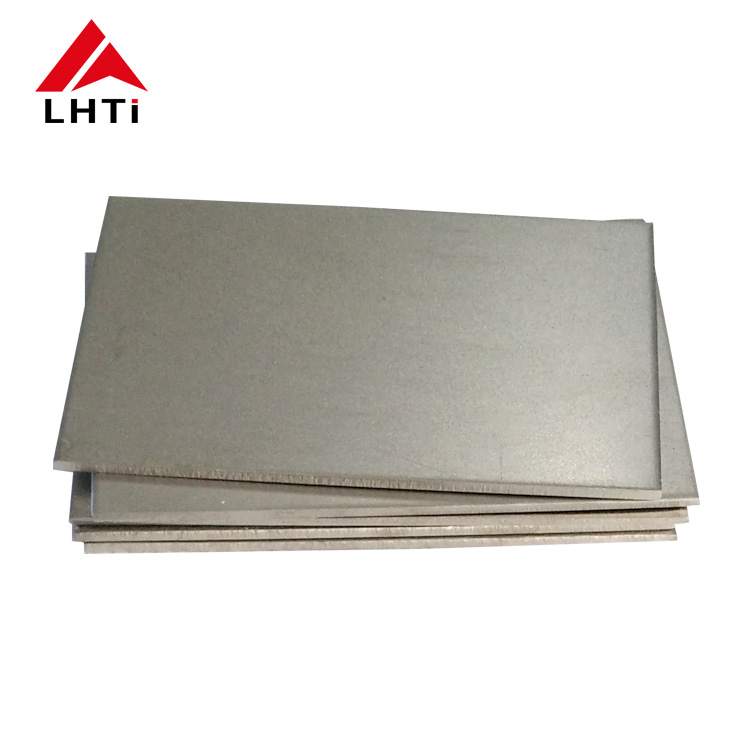
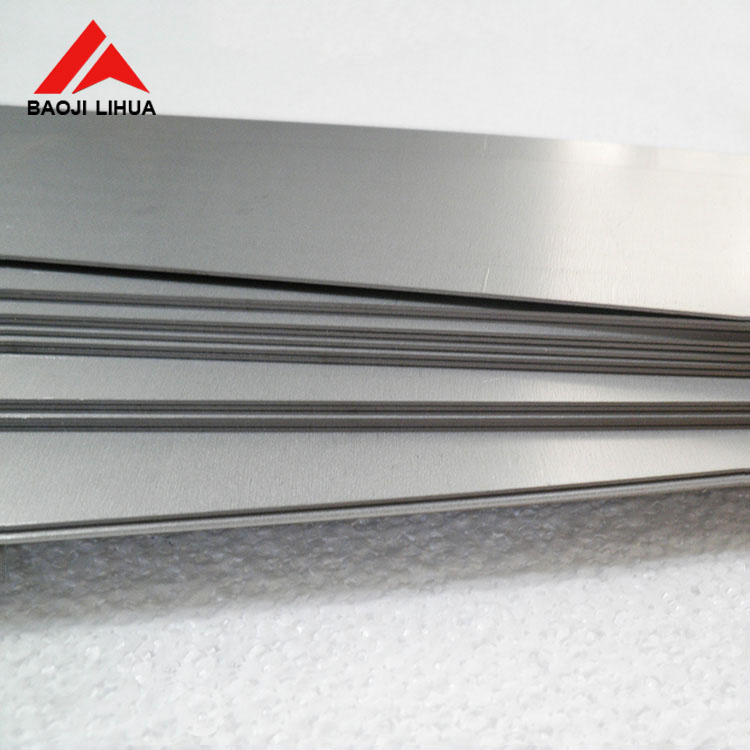
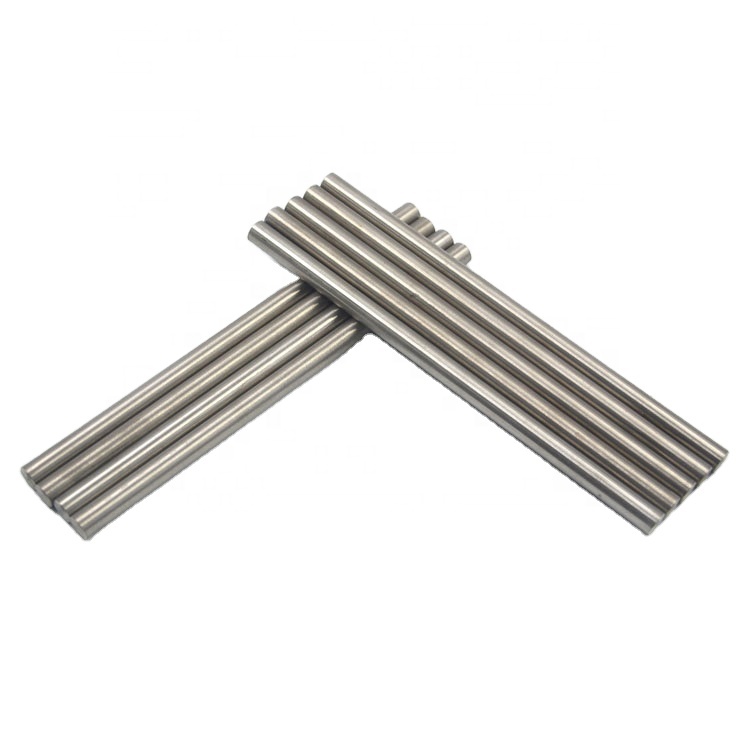
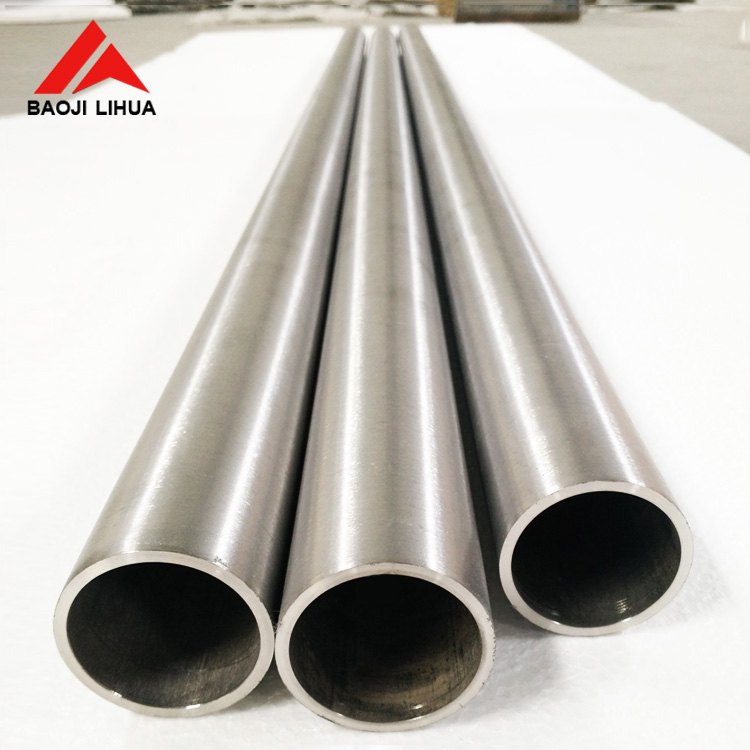
The Strategic Role of Titanium Studs in Greater Chicago's Industrial Fabric
The Greater Chicago industrial corridor—anchored by historical fabrication epicenters along Cook County, DuPage, Will, and Lake Counties—is undergoing a high-spec mechanical revitalization. Once predominantly driven by cast steels and heavy alloys, modern midwestern manufacturing increasingly specifies Grade 5 (Ti-6Al-4V) and Grade 2 commercial titanium studs to mitigate galvanic corrosion, extreme thermal fatigue, and inertia deficits in rotating machinery. Procurement data reveals a structural transition across Chicago's tier-1 automotive racing teams, severe-duty chemical refining units along the Illinois Waterway, and medical instrumentation clusters in Elk Grove Village toward tight-tolerance, cold-rolled titanium fasteners.
Unlike standard off-the-shelf threaded rods, industrial-grade titanium studs require advanced metallurgical consistency. Titanium's Young's modulus (approximately 114 GPa, roughly half that of structural steel) enables unique mechanical elasticity under dynamic vibration. However, this same elasticity causes catastrophic thread galling, pre-load relaxation, or premature fatigue failure if studs are cut with substandard tooling or processed from recycled, non-homogenous scrap. Our specialized factory workflow, originating from the heart of Baoji's "China Titanium Valley," eliminates these vulnerabilities through rigorous vacuum arc remelting (VAR), precision CNC thread rolling, and calibrated thermal stress relieving.
Localized Application Ecosystems Across Chicagoland
Precision mechanical components do not exist in a vacuum; they must thrive in specific operating environments. In the Chicago metropolitan market, our titanium studs, bars, and precision flanges are engineered directly into four critical commercial ecosystems:
Petrochemical & Refinery Corridors
Installed across heat exchangers, pipe flanges, and pump housings along Joliet and Whiting refinery zones. Grade 2 and Grade 7 (Palladium-alloyed) titanium studs resist aggressive chlorides, sour crudes, and high-velocity brine where standard duplex steels succumb to pitting and crevice corrosion.
Midwest Motorsport & Performance OEM
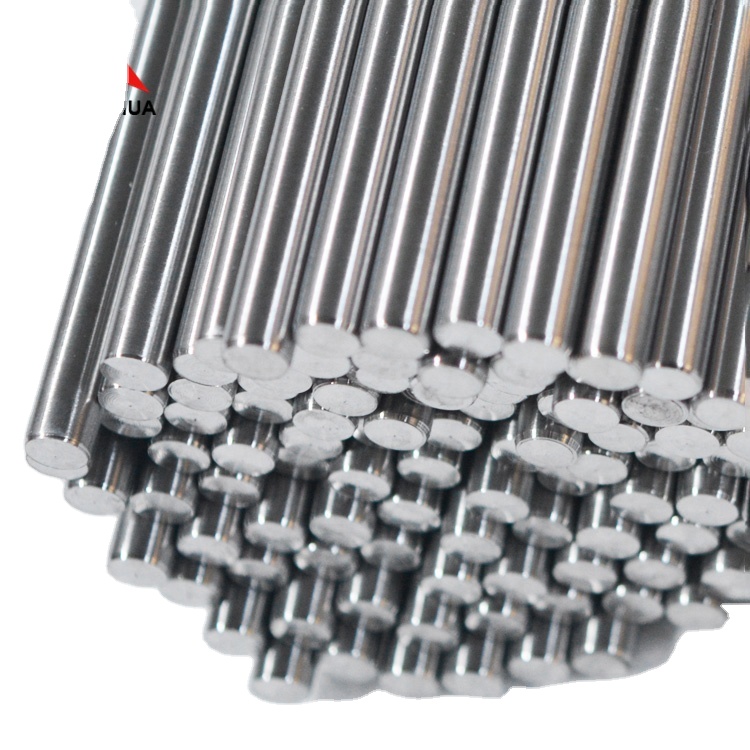
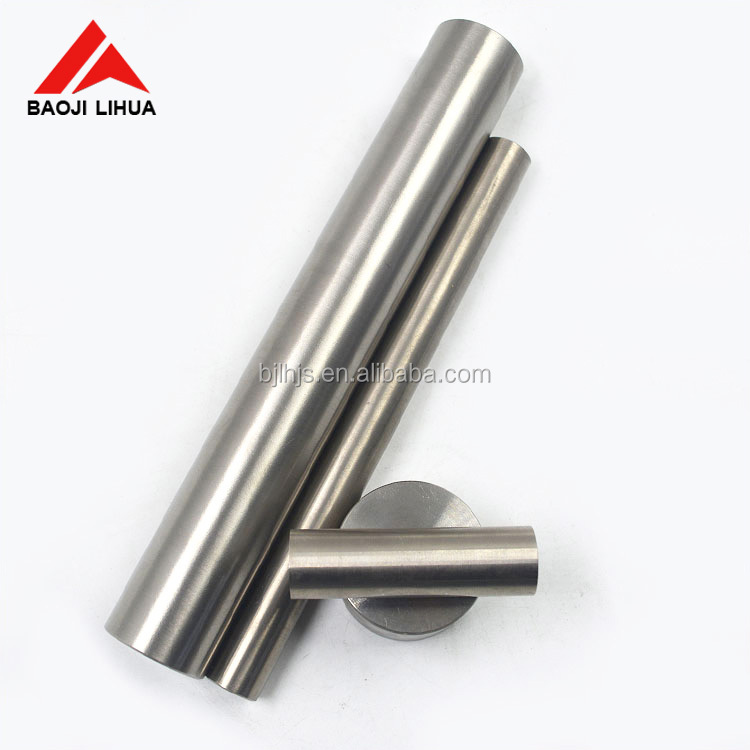
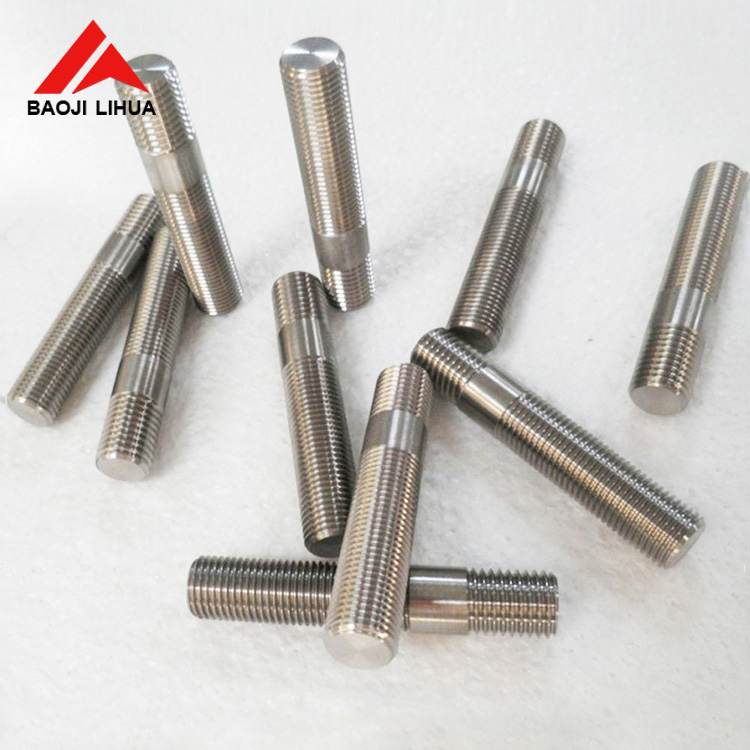
Servicing bespoke drag racing builders, sprint car series, and marine performance workshops operating throughout the Great Lakes. Our Grade 5 Ti-6Al-4V double-ended manifold and cylinder head studs offer 895–1050 MPa tensile thresholds with 44% mass reductions over 8740 chromoly steel.
Industrial Finishing & Electroplating
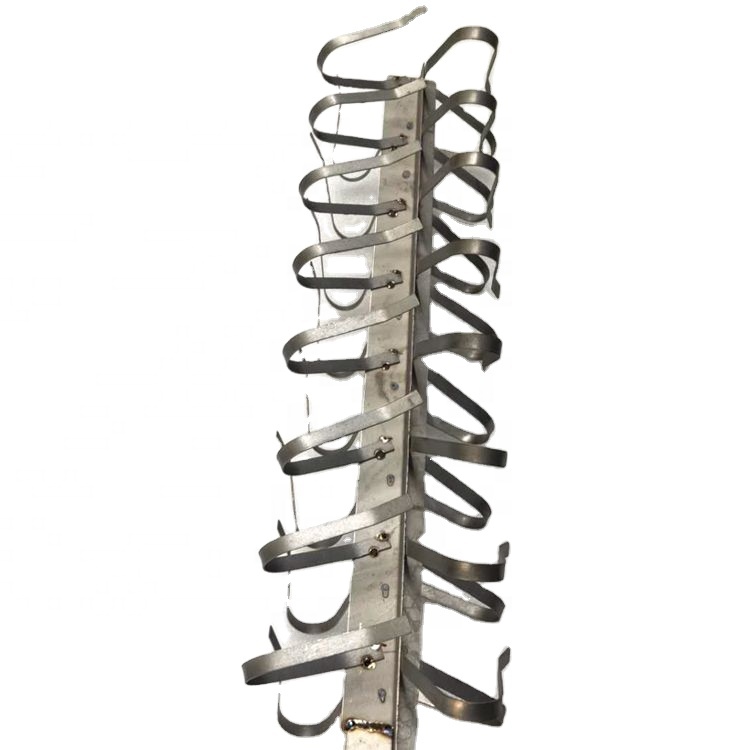
Supplying anodizing and surface-engineering complexes near Rockford and O'Hare with Grade 2 stud hangers, rack components, and jigs. Titanium maintains an impervious oxide film (TiO2) under high-voltage acid baths, extending racking service lifespans tenfold over aluminum tooling.
High-Speed Automated Packaging
Integration into dynamic end-effectors, robotics, and sorting lines across Chicago's food and pharmaceutical processing plants. Low-inertia Gr5 titanium studs minimize reciprocating arm mass, decreasing motor wear and eliminating zinc/cadmium plating flaking risks in hygienic zones.
Engineering Data Sheet: Mechanical Metallurgy for Chicago Procurement Teams
Selecting appropriate fastener alloys demands precise correlation between mechanical loads and chemical exposures. Below is an engineering comparison matrix validating why Jovzi's certified mill products outperform conventional fastener grades:
| Material / Grade | UNS / Designation | Density (g/cm³) | Yield Strength (MPa) | Tensile Strength (MPa) | Primary Industrial Utility |
|---|---|---|---|---|---|
| Gr2 Commercial Pure | UNS R50400 | 4.51 | ≥ 275 | ≥ 345 | Chemical tanks, anodizing hooks, exhaust piping, marine flanges |
| Gr5 Titanium Alloy | UNS R56400 (Ti-6Al-4V) | 4.43 | ≥ 828 | ≥ 895 - 1050 | High-stress manifold studs, wheel bolts, aerospace chassis anchors |
| Gr7 Pd-Enhanced | UNS R52400 (Ti-0.15Pd) | 4.51 | ≥ 275 | ≥ 345 | Extreme acidic refining, aggressive chlorides, chemical valves |
| Gr12 High-Temp Alloy | UNS R53400 (Ti-Mo-Ni) | 4.54 | ≥ 345 | ≥ 483 | Steam heat exchangers, process vessels above 200°C |
| AISI 316 Stainless (Ref) | UNS S31600 | 8.00 | ≥ 205 | ≥ 515 | Heavy standard hardware (High weight penalty, chloride stress pitting) |
Emerging Localization Trends in the Midwestern Fastener Market
The manufacturing landscape around the Great Lakes is undergoing three structural shifts that impact industrial buyers:
1. Nearshoring of Precision Assemblies Coupled with Direct Mill Partnerships: Midwest machine shops increasingly reject multi-tier trading brokers in favor of factory-direct relationships with vertically integrated Chinese foundries. By procuring directly from Jovzi Titanium in Baoji, buyers eliminate 25–40% import markups while gaining unadulterated access to primary melt batch certifications.
2. Transition from Machined (Cut) Threads to Cold-Rolled Threads: Chicago engineers recognize that CNC thread-cutting interrupts grain boundaries, generating micro-notches where hydrogen embrittlement and cyclic shear stresses cause fastener fracture. Modern specifications demand fully roll-threaded titanium studs, where compressive die forming compresses metal grains into continuous, high-density thread root radii, boosting fatigue life by over 300%.
3. Traceability Mandates Under Tightening QC Protocols: Driven by aerospace and pressure equipment directives, Chicago procurement managers require EN 10204 3.1 chemical and mechanical inspection documentation tied directly to the original sponge melt heat number. Blind shipments without spectral and ultrasonic validation are rapidly being banned from major industrial supply systems across Illinois.
Why Direct Sourcing from Jovzi Powers Chicago Operations
Established in 2006 in Baoji, China's designated Titanium Valley, Jovzi Titanium Industry Co., Ltd. combines raw billet metallurgy with fine-tolerance fastener machining to deliver uncompromised mechanical reliability.
ISO 9001:2015 & Full Traceability
Every shipment is delivered with authenticated EN 10204 3.1 Mill Test Certificates. Third-party compositional and ultrasonic testing via the authorized BaoTi Test Center is provided on demand.
Senior Engineering Precision
Supported by 4 senior and 5 intermediate metallurgical engineers overseeing high-tonnage forging presses, Swiss CNC multi-axis lathes, and thread rolling lines yielding tolerances down to ±0.01 mm.
Rapid Global Delivery to Illinois
Flexible Incoterms including DDP, FOB, and express air freight. Seaworthy moisture-barrier crating and dedicated scratch protection guarantee parts arrive in pristine operational condition.
Chicago Buyer Inquiries & Technical FAQ
How does Jovzi mitigate thread galling on titanium studs during assembly?
Titanium naturally forms an instantaneous passive oxide layer that can cold-weld under dry assembly torque. Jovzi addresses this through precision micro-polished root radii, optional molybdenum disulfide / ceramic vapor deposition coatings, and precise recommended anti-seize torque guidelines tailored to Grade 5 tensile limits.
What is the standard delivery timeline for custom fastener orders to Chicago?
Standard catalog items (bars, stock DIN 912 fasteners, standard M8-M12 studs) ship within 48–72 hours. Custom CNC or forged configurations per CAD blueprints typically require 2–3 weeks of tool production and inspection, with air shipping to O'Hare International Airport (ORD) taking 4–6 business days.
Can you provide custom pitch and imperial (UNC/UNF) threading for American equipment?
Yes. While metric configurations (M6, M8, M10, M12, M16) are standard, our CNC tooling and thread roll sets easily process American standards, including 1/4"-20, 5/16"-18, 3/8"-16, and 1/2"-20 UNF class 2A/3A specifications to match legacy domestic plant hardware across Illinois.
What documentation accompanies Jovzi shipments upon customs clearance?
Every commercial crate arrives with an authorized EN 10204 3.1 Mill Test Certificate specifying chemical spectrometer readings (O, C, H, N, Fe, Ti balance), mechanical tensile, yield, elongation data, and heat treatment log. Full commercial documentation (Commercial Invoice, Packing List with verified HS codes) is supplied for hassle-free US customs clearance.
Ready to Upgrade Your Mechanical Fasteners to Pure Performance?
Consult with Jovzi's technical engineering department today. Submit your drawings, material specifications, or annual blanket order volumes for an expedited, factory-direct quotation within 8 hours.