Engineering Inventory & Complementary Titanium Systems
Explore our certified inventory of industrial-grade titanium pipeline components, structural fittings, and performance fasteners engineered for zero-corrosion reliability in marine, offshore, and chemical infrastructure.
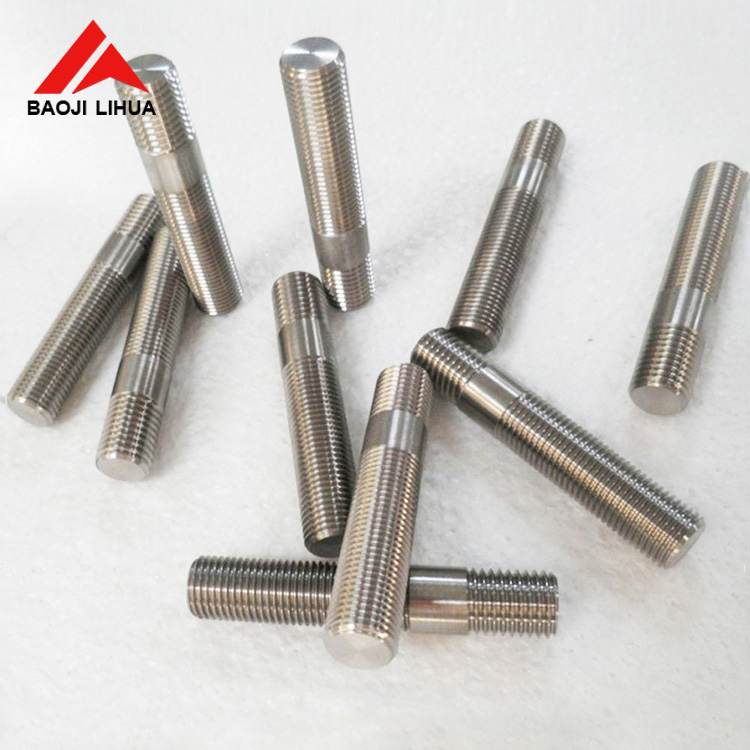
M8 M10 M12x30mm Gr2 Gr5 Titanium Intake Exhaust Stud Bolt
- Grade: Gr2 / Gr5 Alloy
- Standard: DIN / Custom Spec
- Thread: Rolled M8/M10/M12
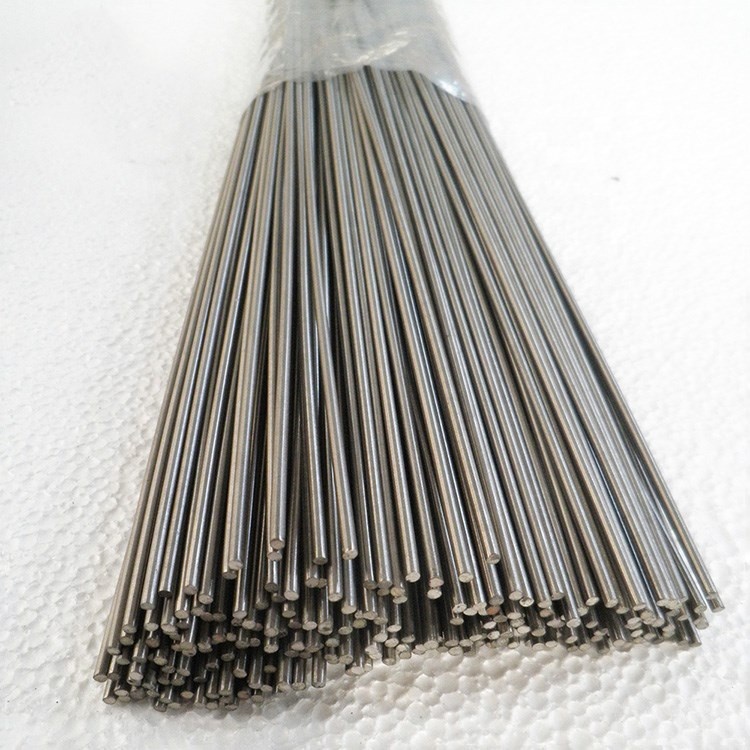
High Tensile Thin Titanium Rods & Industrial Wire
- Material: Gr1, Gr2, Gr5
- Form: Straight / Coiled
- Yield: High Elasticity
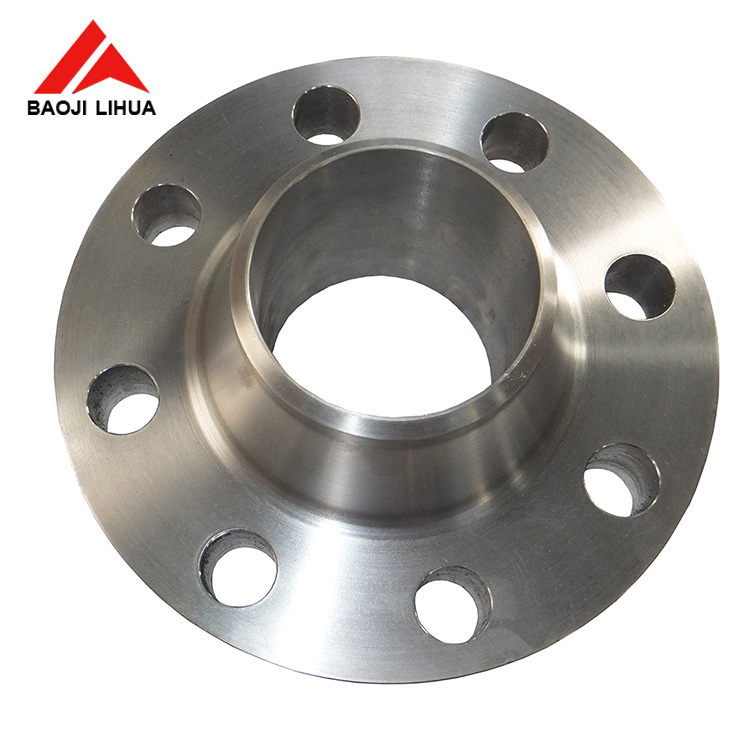
Titanium Blind Flange 4" ANSI 150lbs / 300lbs Class Gr2
- Standard: ASME B16.5 / ANSI
- Rating: Class 150 / 300
- Application: Piping Isolation
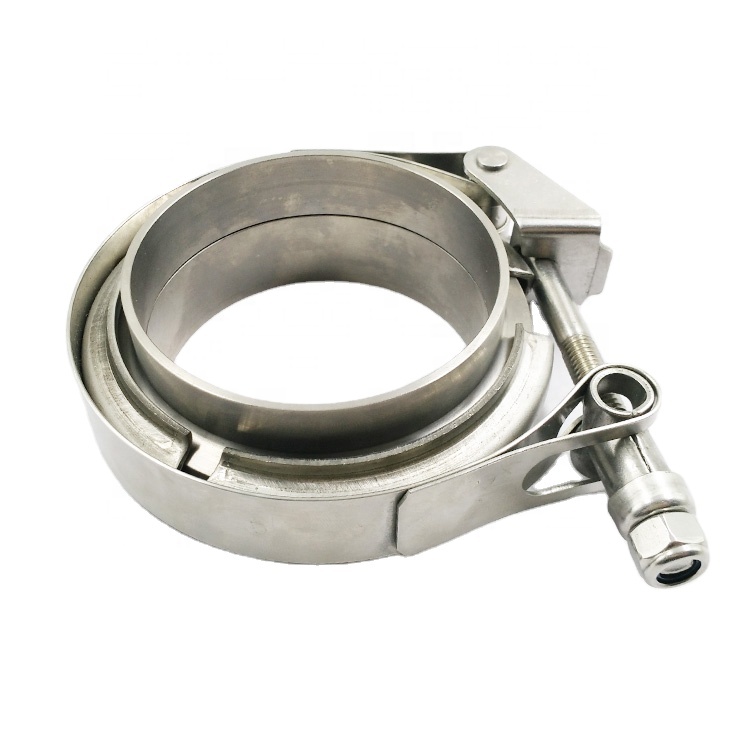
Titanium Gr1/Gr2 V-Band Clamp With Male Female Flanges
- Sizing: 2" - 5" Diameters
- Alloy: CP Grade 1 / Grade 2
- Seal: Precision Machined
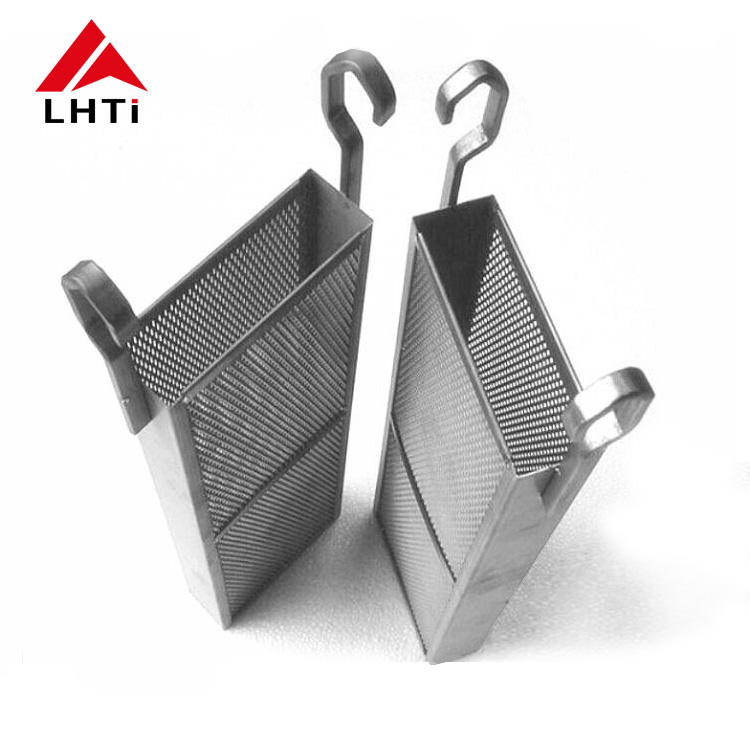
Gr2 Titanium Anode Basket for Chemical Electroplating
- Mesh: 5x10mm / 6x12mm
- Construction: Spot Welded
- Resist: Acid Bath Neutral
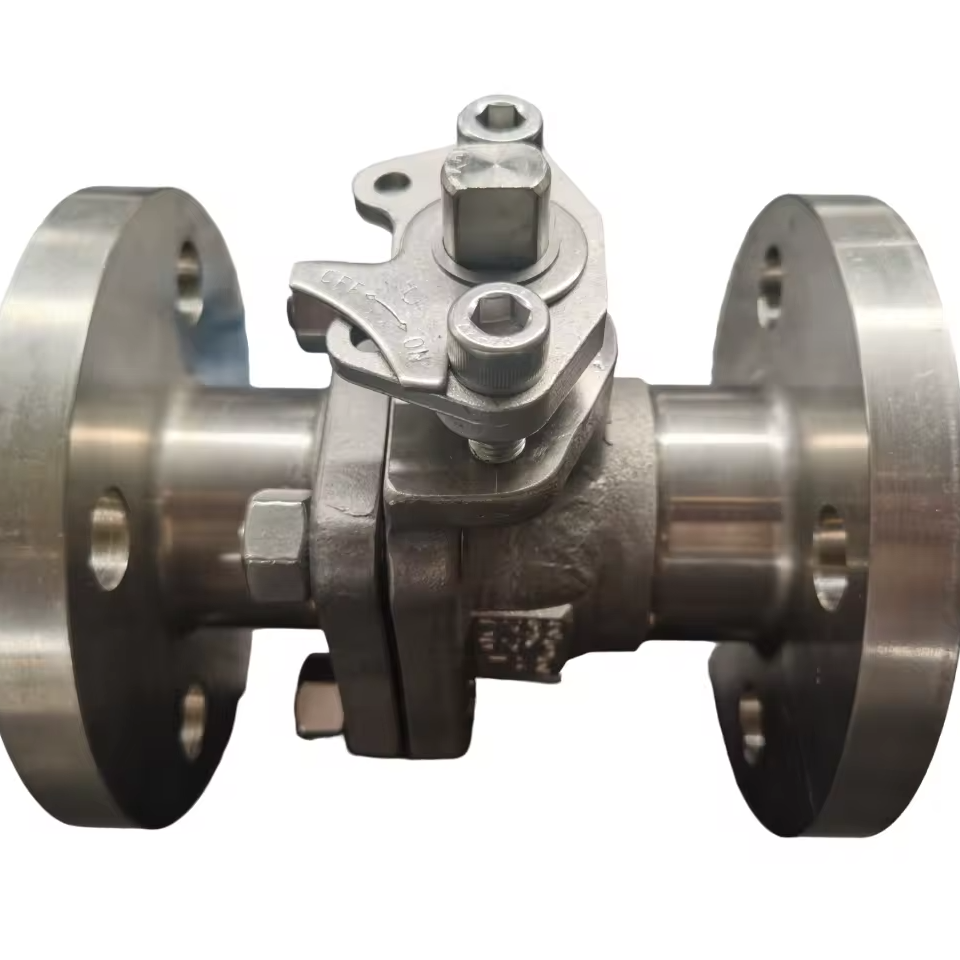
Custom Titanium Alloy Hollow Valve Ball & Floating Body
- Design: Hollow / Solid Ball
- Grade: Gr2 / Gr5 / Gr12
- Finish: Mirror Lapped Ra 0.2
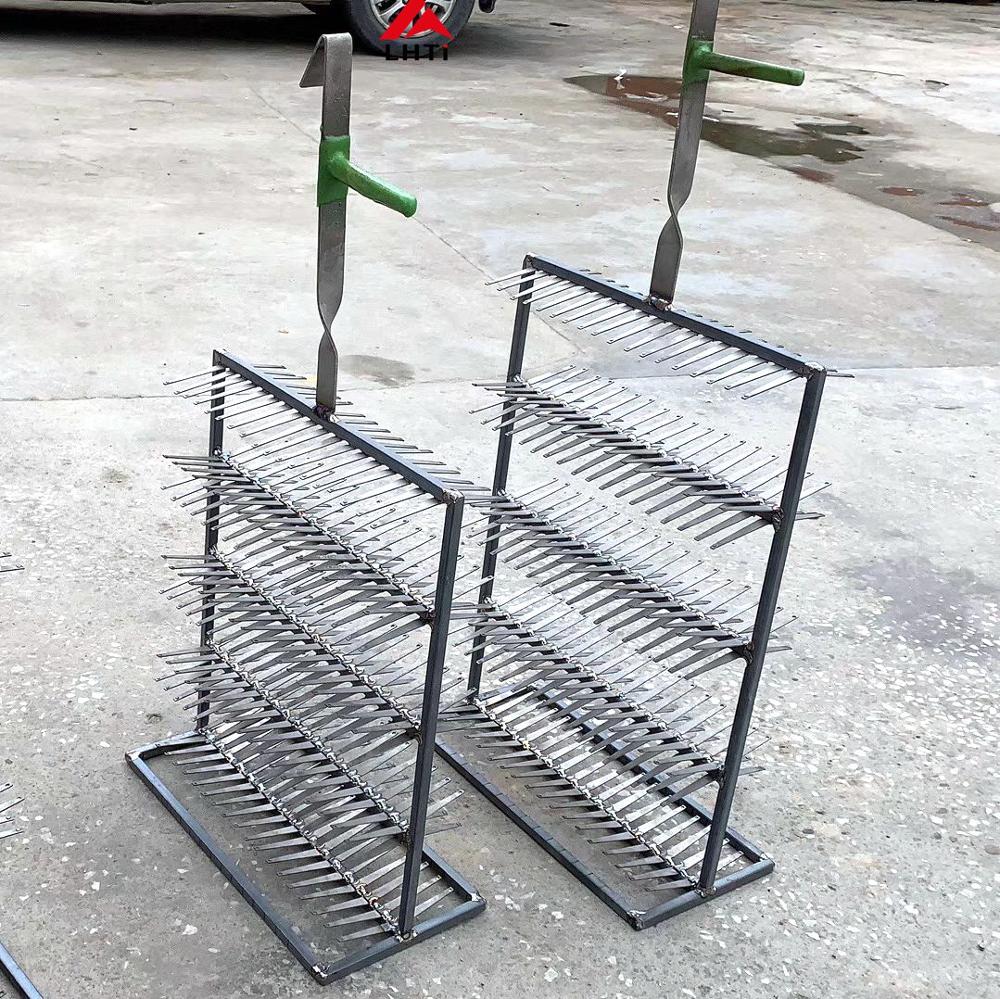
Anodizing Titanium Jig Hanger Rack Frame for Plating
- Material: High Grade Titanium
- Style: Custom Spring Finger
- Feature: High Conductivity
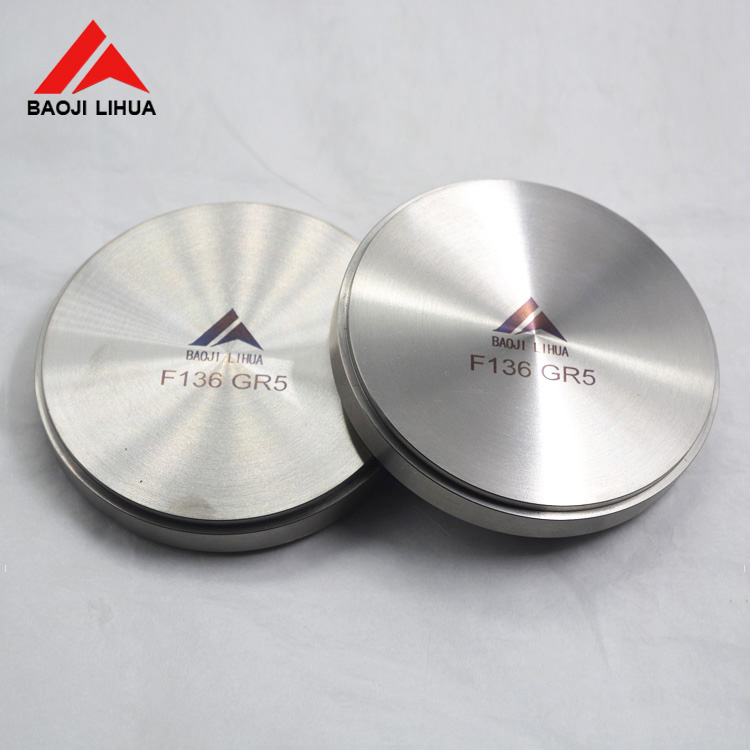
Medical Grade Titanium Block Gr5 ELI Gr23 Disc
- Standard: ASTM F136 / Gr23
- Purity: Extra Low Interstitial
- Traceability: 100% Ultrasonic OK
Industrial Whitepaper: Titanium Tee Applications Across the Kingston Market
A comprehensive technical perspective on mechanical properties, fluid dynamics, and specification choices for engineers in Jamaica's industrial capital.
The geographical position of Kingston as a premier shipping hub, coupled with Jamaica's heavy industrial footprint across maritime logistics, bauxite refining, sugar distilling, and thermal desalination, demands an uncompromising approach to fluid conveyance. Within hyper-corrosive tropical marine microclimates, conventional 316L stainless steel, high-copper alloys, and coated carbon steels invariably fall victim to pitting, crevice corrosion, and stress corrosion cracking (SCC) induced by chloride accumulation. As infrastructure engineers and maintenance directors evaluate lifetime capital expenditure (CAPEX) versus operational maintenance downtime (OPEX), the strategic integration of commercially pure Grade 2 and palladium-stabilized Grade 7 titanium tees has emerged as the definitive engineering standard.
Manufactured to rigorous international dimensional and structural criteria—principally ASTM B363 (Standard Specification for Seamless and Welded Unalloyed Titanium and Titanium Alloy Welding Fittings) and ASME B16.9 (Factory-Made Wrought Buttwelding Fittings)—titanium equal and reducing tees represent the apex of metallurgical reliability. Jovzi Titanium Industry Co., Ltd. supplies the Kingston market with both cold-formed seamless tees and fully welded wrought fittings calibrated to meet high-pressure hydrodynamic criteria. By establishing direct supply conduits from our specialized manufacturing center in Baoji, China—commonly recognized as China's "Titanium Valley"—we offer Caribbean engineering operators direct mill access, complete material pedigree, and certified compliance with ASTM, ASME, and DIN standards.
Technical Insight: Commercially Pure Grade 2 titanium tees feature a spontaneous, ceramic-like titanium dioxide (TiO2) passive film. When subjected to flowing, aerated Caribbean seawater or acidic process liquids up to 315°C (600°F), this boundary layer re-passivates instantly if scratched, eliminating localized pitting hazards entirely.
A primary failure mode observed in traditional marine piping in Kingston Harbour is microbial-influenced corrosion (MIC) and erosion corrosion at flow direction junctions. In any piping manifold, a tee represents an area of severe turbulence, directional acceleration, and fluctuating shear stress. Standard materials degrade rapidly at the internal crotch radius of the tee due to cavitation and impingement. In contrast, titanium displays near-zero erosion-corrosion susceptibility in seawater velocities exceeding 30 meters per second, allowing Kingston engineering designers to reduce pipe schedule wall thicknesses without sacrificing pressure ratings or mechanical margins.
Localized Application Scenarios in Kingston & Surrounding Parishes
From coastal desalination installations to heavy mineral processing, see how titanium tee fittings integrate into mission-critical Caribbean infrastructures.
Bauxite & Alumina Processing
Alumina extraction through the Bayer process subjects pipe fittings to high concentrations of sodium hydroxide at elevated digestion temperatures. ASTM B363 Grade 2 and Grade 12 reducing tees resist caustic embrittlement and hot-alkali erosion far beyond conventional nickel-iron alloys.
Marine & Port Infrastructure
Serving the massive maritime traffic passing through the Port of Kingston, ship-repair yards, ballast water management systems, and harbor-based cooling loops utilize Jovzi titanium butt-weld tees to guarantee decades of service completely immune to marine biofouling and saltwater attack.
Desalination & Power Generation
Kingston's power plants and coastal reverse osmosis (RO) desalination plants rely on high-pressure titanium branch piping. Our Grade 2 equal tees maintain dimensional integrity across high-salinity brine rejection manifolds, eliminating costly unplanned outages.
Rum Distilleries & Food Refining
Jamaica's renowned cane processing and distillation industries rely on pure fluid circuits that prohibit heavy metal leaching. Titanium fittings provide pure, non-reactive transfer manifolds for hot fermented wash, high-proof alcohol streams, and acidic CIP wash protocols.
Material Selection Matrix: Engineering Alloys for Kingston Buyers
A technical baseline comparing mechanical thresholds, chemical profiles, and optimal service envelopes for ASTM-grade titanium pipeline fittings.
| Titanium Grade | UNS Designator | Min. Tensile (MPa) | Min. Yield (MPa) | Primary Corrosion Defense | Recommended Kingston Application |
|---|---|---|---|---|---|
| Grade 1 (CP4) | UNS R50250 | 240 | 170 | General oxidation resistance | Low-pressure chemical dosing, exhaust vents |
| Grade 2 (CP3) | UNS R50400 | 345 | 275 | Comprehensive chloride resistance | Seawater cooling loops, RO manifolds, port utilities |
| Grade 5 (Ti-6Al-4V) | UNS R56400 | 895 | 828 | Structural high fatigue / stress | High-pressure hydraulic tees, racing marine mounts |
| Grade 7 (Ti-0.15Pd) | UNS R52400 | 345 | 275 | Extreme reducing acids & low pH | Hot acidic bauxite slurries, aggressive chemical process |
| Grade 12 (Ti-Mo-Ni) | UNS R53400 | 483 | 345 | High-temp crevice corrosion resistance | Steam condensate headers, geothermal & refinery heat |
Kingston Market Development Trends: The Shift to Titanium
Navigating modern decarbonization initiatives, lifecycle management metrics, and localized infrastructure modernization projects.
The industrial landscape in Kingston and the wider Caribbean basin is experiencing an unprecedented structural transformation. Historically, industrial facilities prioritized lower up-front procurement outlays, frequently opting for duplex stainless steel (2205) or cupronickel (90/10) for marine piping. However, extreme environmental factors—including average sea surface temperatures above 28°C, elevated ambient humidity, and high atmospheric saline condensation—frequently drive premature stress corrosion cracking in high-alloy steels within 3 to 7 years. Facilities management groups in the Corporate Area and Newport West are actively revising procurement guidelines toward a 30-year lifecycle paradigm, in which titanium's total operational lifecycle cost (LCC) is roughly half that of copper-nickel or duplex alternatives.
Furthermore, Jamaica's ongoing commitment to sustainable port management and reduced carbon outputs has catalyzed a surge in lightweight marine fabrication. On workboats, ferry vessels, and harbor tugs operating out of Kingston Harbour, the replacement of traditional schedule 80 steel manifolds with schedule 10S titanium tees drops system deadweight by up to 45%. This mass reduction directly translates to lower operational fuel consumption and reduced propulsion emissions. In parallel, the expansion of modular commercial desalination plants across coastal industrial parks has increased the regional demand for butt-welded titanium equal tees capable of handling continuous RO pressures ranging from 800 to 1,200 PSI without pitting failure.
Why Source from Jovzi Titanium? Our Core Factory Advantages
Engineered reliability built on direct-mill control, deep technical expertise, and rigorous quality auditing protocols.
Located in Baoji's Titanium Valley
Founded in 2006 in Baoji, Shaanxi, Jovzi operates within China's primary metallurgical center. We control the supply chain from raw certified titanium sponge to melting, forging, cold-extrusion forming, and precision CNC finishing.
Documented Quality & MTC 3.1
Every titanium tee, flange, and fastener is issued an authentic EN 10204 3.1 Mill Test Certificate tracing exact heat numbers, melt chemistry, mechanical yield/tensile margins, and ultrasonic test logs issued via our partner BaoTi Test Center.
Senior Metallurgical Team
Our production workflow is directed by 4 senior and 5 intermediate metallurgical engineers with extensive OEM manufacturing experience. We provide custom CAD/SolidWorks design support for specialized reducing tees and high-tolerance manifold tees.
Fast Caribbean Logistics Execution
With an export ratio of 81–90%, we understand international freight protocols. We deliver via expedited air cargo directly to Norman Manley International Airport (KIN) or full sea container consolidations to the Port of Kingston under DDP, CIF, or FOB Incoterms.
Procurement FAQ: Sourcing Titanium Tees in Kingston
Clear, direct technical answers addressing the critical operational concerns of purchasing engineers and plant supervisors.
How do titanium tees hold up against warm Caribbean seawater compared to 316L?
Under tropical marine conditions with water temperatures exceeding 25°C, 316L stainless steel suffers critical crevice corrosion under biofilms and silt deposits. Commercially pure Grade 2 titanium tees are 100% immune to ambient and heated marine pitting, providing a virtually permanent installation life without biocide flushing.
What is the standard manufacturing and testing protocol for Jovzi titanium tees?
Our tees are hydroformed or hot-pressed according to ASTM B363 / ASME B16.9 specifications. We conduct 100% radiographic or liquid penetrant inspection on welded fittings, accompanied by hydrostatic pressure verification, dimensional tolerance validation, and mechanical tensile testing documented in EN 10204 3.1 certificates.
Can you provide custom non-standard reducing branch dimensions for retrofits?
Yes. With extensive OEM engineering capabilities, we fabricate bespoke reducing tees, barred tees for piggable pipeline operations, or heavy-wall forged configurations. Provide your CAD drawings or dimensional schedules (outer diameter, branch run, wall thickness), and our engineering team will return a technical review within 8 hours.
What is the typical lead time and packing standard for Caribbean shipments?
Standard catalog dimensions (1/2" up to 8" Schedule 10S/40S) typically ship from active stock within 5–7 days. Custom fabrication requires 20–30 days. All products are degreased, individually wrapped in non-scratch protective film, and boxed in reinforced export-grade plywood crates to ensure damage-free transit to Jamaica.
Upgrade Your Kingston Piping Infrastructure Today
Direct factory prices, guaranteed metallurgical testing, and complete compliance with ASTM B363 & ASME B16.9. Connect directly with our engineering sales group for detailed technical consultations, project estimation, and rapid quotations.
Contact Us