Direct Factory Stock & Custom Forgings
Certified titanium stock, forged components, and industrial assemblies precision-machined for the North Atlantic industrial corridor.
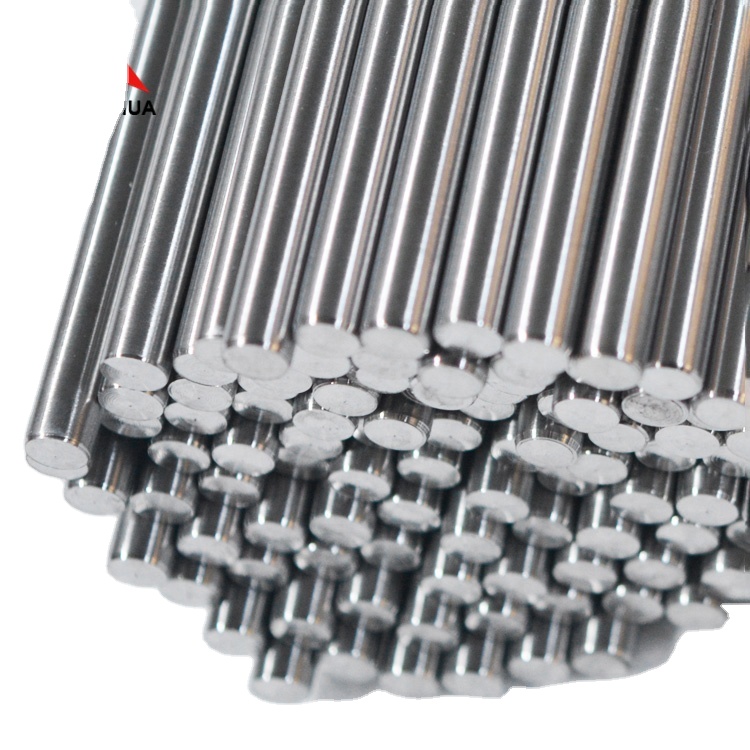
Gr2 Gr5 Titanium Round Bar 25mm/35mm/45mm/65mm Length 1000mm
- Grade: Gr2 / Gr5 (Ti-6Al-4V)
- Standard: ASTM B348 / AMS 4928
- Tolerance: h9 / h11 Polished
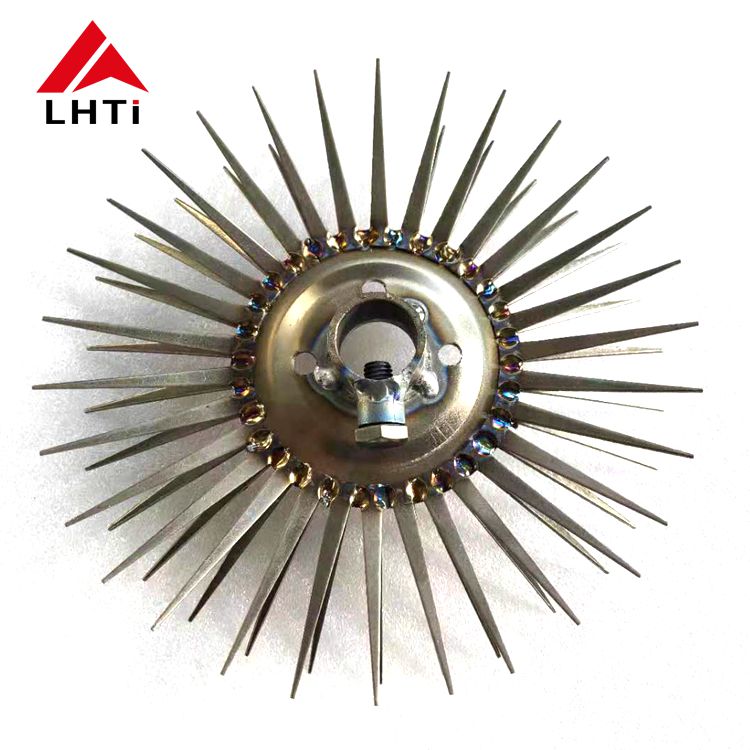
Gr2 Titanium 30 Split Fingers Disk Rack Dia220mm Thick1.5mm for Anodizing
- Material: ASTM B265 Grade 2
- Design: 30 Split Disc Fingers
- Process: Chemical & Electro-Plating
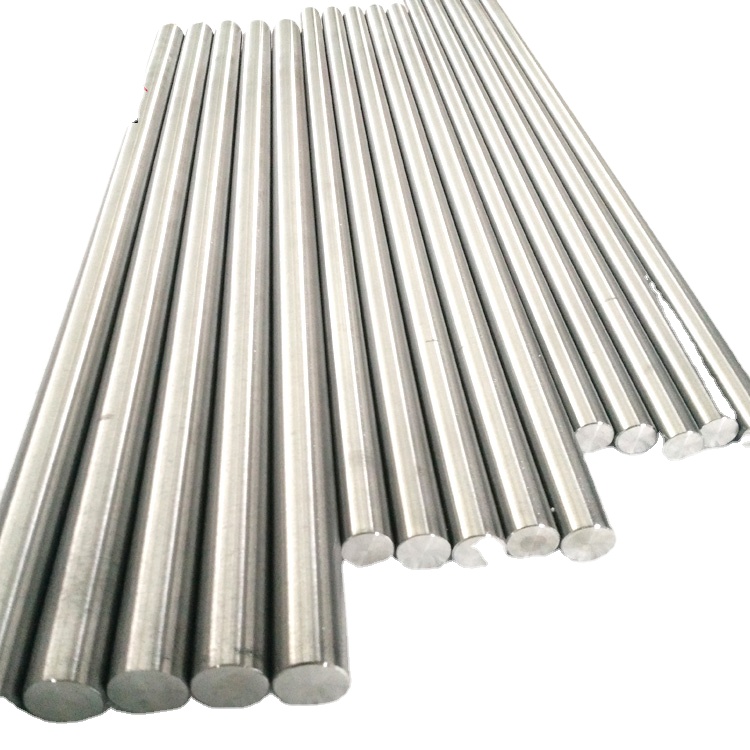
ASTMB348 GR5 Titanium Bar Tod Dia100mm Best Price High Quality
- Diameter: Ø100 mm Forged
- Tensile: ≥895 MPa Yield ≥828 MPa
- Testing: Ultrasonic Class A1
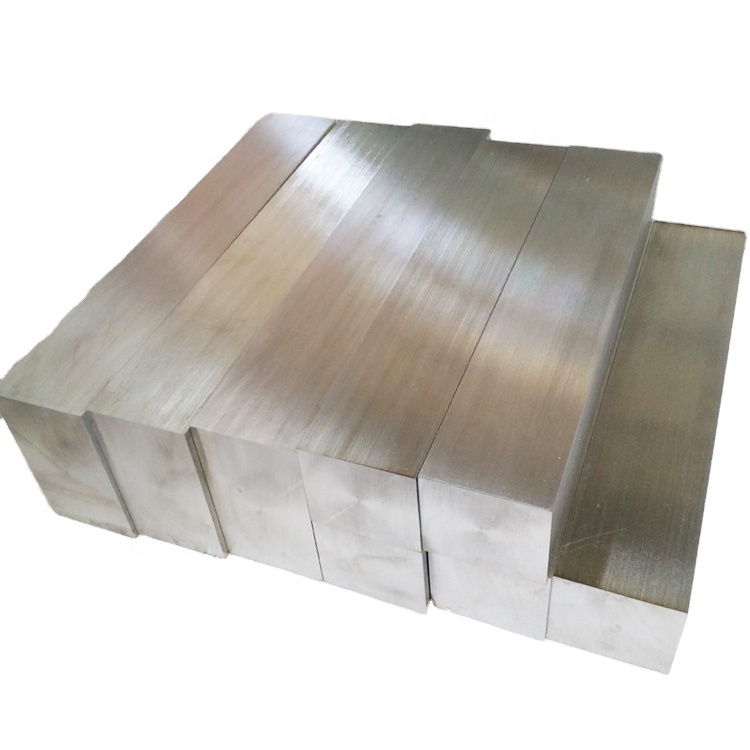
Titanium GR5 ti-6al-4v block ASTM B348 standard price per kg
- Dimension: Custom CNC Rectangular
- Execution: Hot Forged & Annealed
- Traceability: EN 10204 3.1 Certified
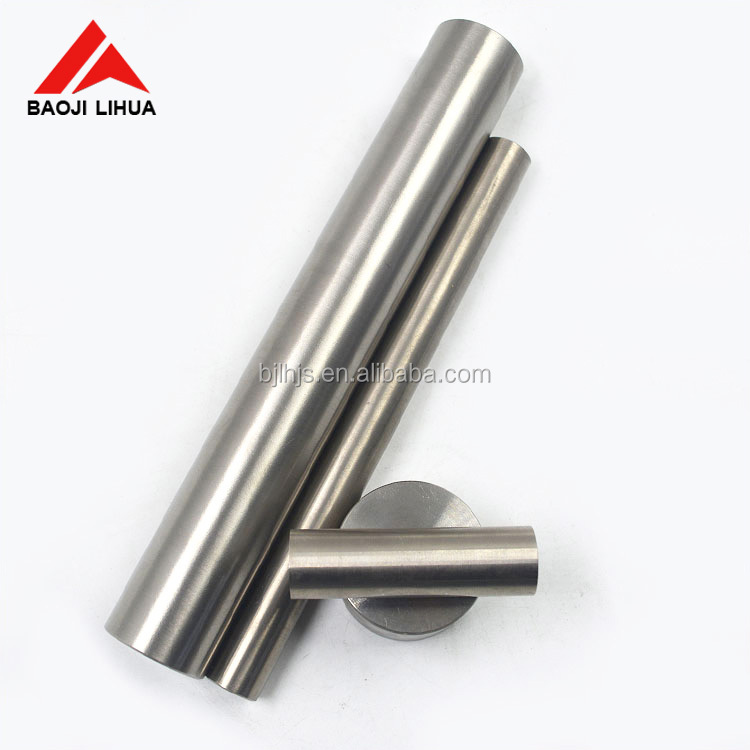
Titanium bar rod billets price per kg for industrial
- Alloy Range: Gr1, Gr2, Gr7, Gr12
- Form: Continuous Cast & Forged
- Application: Flange & Fitting Forging
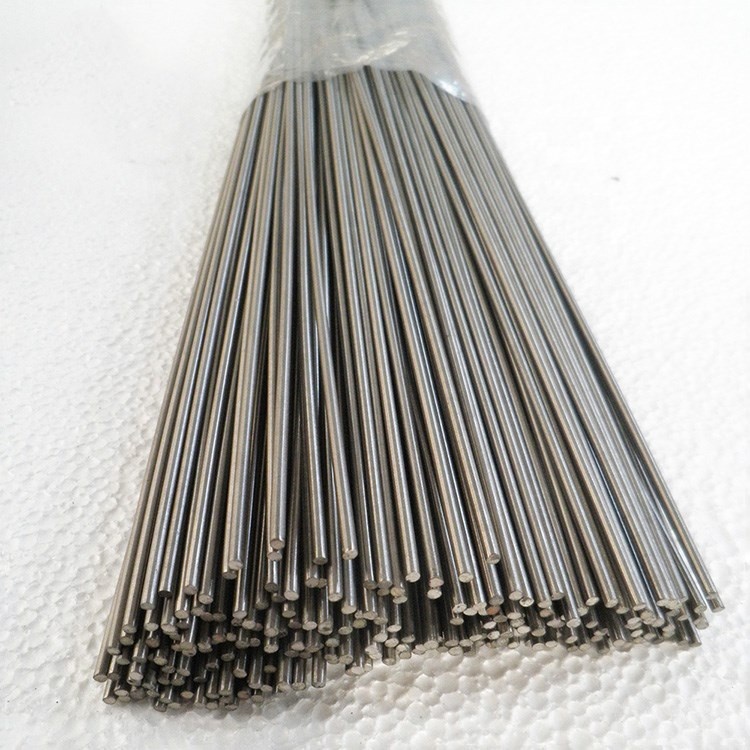
Hot sell thin titanium fishing rods price per kg
- Flexibility: High Elastic Return
- Corrosion: Zero Marine Pitting
- Finish: Ground Centerless Bright
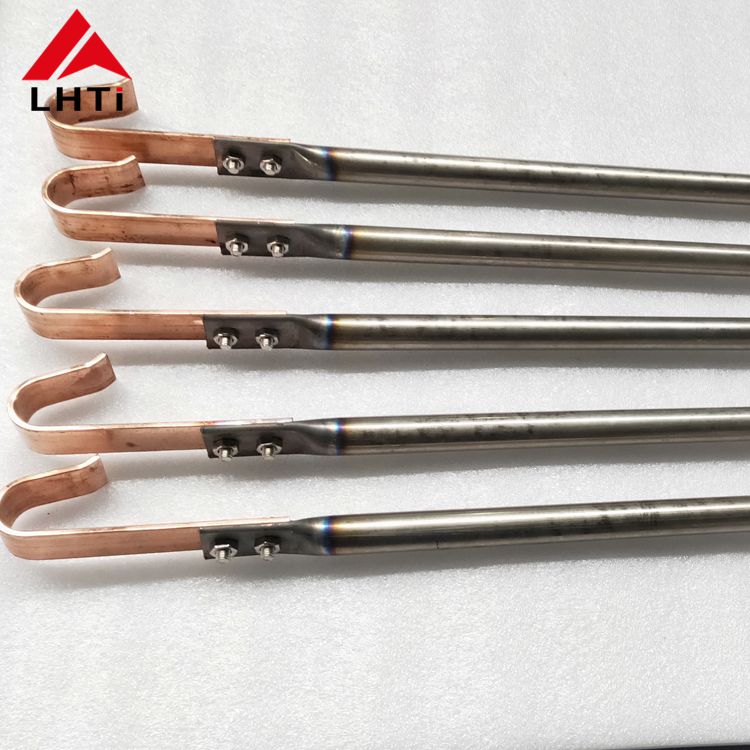
Anodizing Gr2 Titanium Shaft with Copper Hook for Plating
- Conductivity: Bi-metal Copper Core
- Cladding: Sealed Grade 2 Titanium
- Environment: Acid Etching & Anodizing
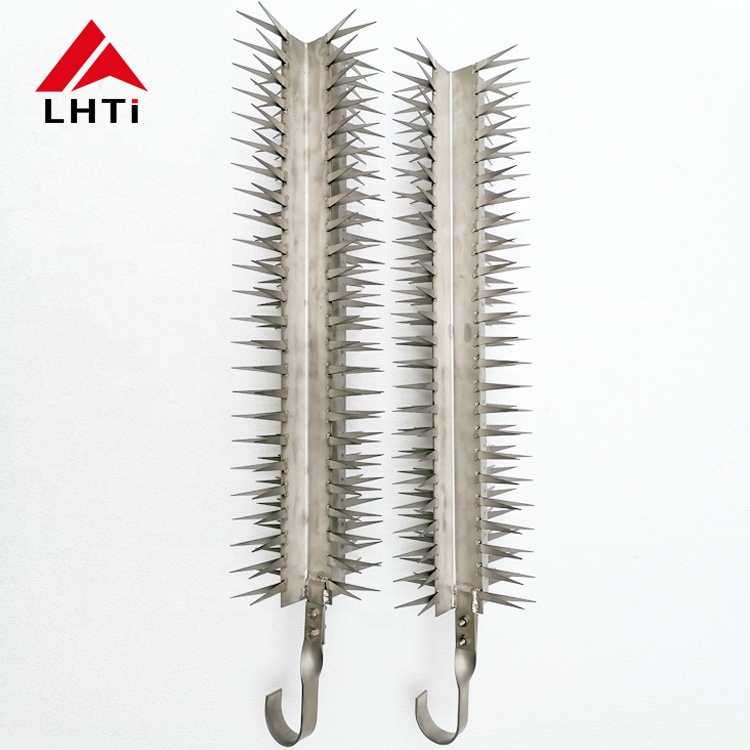
Customized Anodizing Gr1/Gr2 Titanium Jigs for Industry Coating Colors
- Configuration: Precision Laser Cut / TIG
- Service Life: Extended Acid Resistance
- Customization: Engineered to Drawing
Titanium Weld Neck Flanges in Sub-Arctic High-Stress Infrastructures
A metallurgical evaluation of ASME B16.5 and EN 1092-1 Type 11 titanium weld neck designs in high-salinity marine, volcanic geothermal steam, and accelerated mineral carbonation loops.
In modern piping stress engineering, the Titanium Weld Neck Flange (WNRF / WN-RTJ) represents the gold standard for structural integrity under cyclic thermal expansion, high vibrational fatigue, and aggressive chemical service. Unlike slip-on, socket-weld, or threaded variants, a weld neck flange features a long, continuously tapered hub that transitions smoothly from the flange ring thickness down to the mating pipe wall dimension. When welded via full-penetration butt-weld (GTAW/TIG with trailing inert gas shielding), the joint completely eliminates the internal crevice zones inherent to slip-on flanges—zones that act as breeding grounds for crevice corrosion, stress cracking, and turbulent erosion in abrasive geothermal brine or chlorinated North Atlantic seawater.
As industrial operators across Kópavogur, the Capital Region (Höfuðborgarsvæðið), and surrounding geothermal corridors scale up low-carbon generation and deep-well resource capture, pipeline infrastructure is exposed to elevated partial pressures of hydrogen sulfide (H2S), carbon dioxide (CO2), and saturated chloride minerals. Jovzi Titanium supplies fully certified, closed-die and open-die forged titanium weld neck flanges engineered to withstand these exact dynamic operational regimes without metallurgical embrittlement or galvanic breakdown.
Metallurgical Grade Architecture: Matching Alloys to Extreme Chemistry
Specifying the appropriate titanium grade is critical to achieving a 30+ year design life while controlling total project lifecycle expenditures. Jovzi manufactures weld neck flanges across four primary metallurgical grades:
ASTM B381 Grade F-2 (CP Titanium)
Commercially pure titanium providing the optimum balance between high ductile elongation (≥20%), excellent weldability, and virtually infinite resistance to ambient marine pitting. Widely implemented in land-based RAS aquaculture piping, coastal seawater intake manifolds, and condenser circulating heads.
ASTM B381 Grade F-7 (Ti-0.15Pd)
Micro-alloyed with 0.12–0.25% Palladium. F-7 is the premier alloy for acidic, low-pH reducing condensates encountered in deep geothermal steam extractors and CCUS direct air mineralization units where temperatures exceed 120°C and crevices are subject to localized acid concentration.
ASTM B381 Grade F-5 & F-12 (High Strength)
Grade F-5 (Ti-6Al-4V) yields minimum tensile strengths of 895 MPa for high-pressure subsea tie-ins and structural flanged penetrations. Grade F-12 (Ti-0.3Mo-0.8Ni) provides enhanced resistance against crevice attack in high-temperature brine environments at a competitive lifecycle cost.
Comparative Metallurgical Data: Jovzi Forged Titanium Flanges
| ASTM Grade | UNS Designation | Yield Strength (min. MPa) | Tensile Strength (min. MPa) | Elongation (% in 2") | Recommended Operational Media |
|---|---|---|---|---|---|
| Grade F-1 | R50250 | 170 MPa | 240 MPa | 24% | Deep cold-forming, chemical plating tanks, low-pressure vents |
| Grade F-2 | R50400 | 275 MPa | 345 MPa | 20% | Seawater exchangers, fish farming loops, harbor marine manifolds |
| Grade F-7 | R52400 | 275 MPa | 345 MPa | 20% | Hot acidic geothermal brine, H2S-bearing condensates, CCUS slurries |
| Grade F-12 | R53400 | 345 MPa | 483 MPa | 18% | Elevated temperature chlorides (150°C–260°C), steam separator scrubbers |
| Grade F-5 | R56400 | 828 MPa | 895 MPa | 10% | Subsea high-pressure wellhead manifolds, structural aerospace flanges |
Deploying Titanium Flanges Across Kópavogur & The Capital Region
Engineered for extreme hydrothermal, coastal maritime, and industrial processing operations in Iceland's commercial engine room.
1. High-Enthalpy Geothermal Networks
Kópavogur serves as an engineering and corporate headquarters hub for energy consulting, mechanical engineering contractors, and fluid power specialists servicing major geothermal fields such as Hellisheiði, Nesjavellir, and Reykjanes. High-enthalpy geothermal steam transport systems generate severe metallurgical challenges: steam containing non-condensable gases (NCGs) like H2S, CO2, and trace hydrogen fluoride at temperatures between 180°C and 280°C rapidly causes sulfide stress corrosion cracking (SSCC) in traditional austenitic stainless steels (304L/316L) and selective leaching in duplex alloys. Jovzi Grade 7 and Grade 12 weld neck flanges remain completely immune to chloride-induced stress corrosion cracking and H2S pitting, providing leak-proof, zero-outage service on turbine inlet loops and separator bypass systems.
2. Land-Based Recirculating Aquaculture Systems (RAS)
With Iceland's multi-million-euro expansion into land-based salmon smolt and grow-out facilities near coastal headlands and around Kópavogur's marine supply zones, fluid transport infrastructure demands 100% biosafe, unyielding piping components. Raw North Atlantic seawater, ozonated disinfection water, and high-salinity biofilter recirculating loops corrode standard steels, releasing toxic heavy metal ions into rearing tanks. Jovzi Grade 2 weld neck flanges offer zero metal ion leaching, ensuring pure rearing water while preventing micro-fissure biofilm colonization along flange gaskets and butt-weld joints.
3. Direct Air Capture & Carbon Mineralization
The southwest Iceland basalt belt is world-renowned for direct air capture (DAC) and mineralization plants that dissolve captured atmospheric carbon dioxide into water and inject it into basaltic bedrock under pressure. The resulting carbonic acid-saturated aqueous slurries, operating under cyclic pressure regimes, represent an exceptionally aggressive corrosion environment. Our ASME B16.5 Class 300, 600, and 1500 titanium weld neck flanges maintain precise raised face (RF) serrations (Ra 3.2 to 6.3 μm) that guarantee long-term gasket containment without relaxation or micro-fretting under seismic vibrations.
Maritime Fleet Maintenance at Kársnes Harbor & Faxaflói Bay
The marine industrial zone along Kársnes in Kópavogur is vital to offshore service vessels, trawler retrofits, and high-efficiency marine refrigeration. Titanium plate-and-shell heat exchangers and titanium keel coolers rely on ASME B16.5 / DIN EN 1092-1 Type 11 weld neck flanges to eliminate galvanic galvanic-couple degradation across cold seawater condenser circuits. By pairing Jovzi titanium weld neck flanges with high-purity titanium piping spools, marine mechanical operators eliminate shipboard piping maintenance cycles entirely over 25+ operating seasons.
Icelandic Procurement & Engineering Dynamics (2025–2030)
How lifecycle engineering, modular skid design, and stringent EU standardization drive titanium adoption in the Kópavogur industrial zone.
Lifecycle Costing (LCC) Displacement of Super Duplex
Engineering teams in Kópavogur and Reykjavík are moving away from traditional 22Cr duplex and 25Cr super duplex steels. While initial purchase costs for stainless alloys may appear lower, recurring localized pitting in geothermal district re-injection wells and coastal evaporators results in catastrophic pipeline shutdowns every 4 to 8 years. A comprehensive LCC assessment demonstrates that Jovzi Grade 2 and Grade 7 titanium weld neck flanges pay for themselves within 36 to 48 months by totally eliminating system flushing, chemical corrosion inhibition dosing, and unscheduled plant outages.
Modular Energy Skid Pre-fabrication
High on-site labor and assembly costs in Iceland have triggered a shift toward fully pre-fabricated modular process skids built in industrial zones such as Smárinn, Smiðjuvegur, and adjacent logistics hubs before transportation to remote drilling sites. Skid fabricators require titanium flanges with micron-level dimensional tolerances, perfectly perpendicular faces, and pre-beveled weld necks (37.5° ±2.5° with a 1.6 mm land) to allow high-throughput automated orbital TIG welding with zero field adjustment.
Strict European Compliance: EN 10204 3.1 & PED
As Iceland adheres strictly to European single-market directives and the Pressure Equipment Directive (PED 2014/68/EU), procurement managers in Kópavogur cannot risk material rejections due to unverified supply chains. Every forged weld neck flange from Jovzi Titanium arrives with fully traceable mill heat numbers laser-etched onto the flange rim, supported by complete chemical composition and mechanical test certificates verified via the National Center for Quality Supervision & Testing of Titanium Products (BaoTi Test Center).
Why Nordic Engineers Partner with Jovzi Titanium Industry
Headquartered in Baoji—China's Titanium Valley—Jovzi integrates raw sponge melting, precision die forging, and 5-axis CNC machining under one certified roof.
From Certified Ingot to Inspected Weld Neck Flange
Founded in 2006, Jovzi Titanium Industry Co., Ltd. has spent nearly two decades refining the metallurgical processing of non-ferrous alloys. Supported by 4 senior metallurgical engineers and 5 intermediate tooling specialists, we supervise the entire manufacturing journey to ensure zero structural voids, segregations, or micro-cracks in critical pressure-containing flanges.
- Closed-Die & Radial Forging: Ensures continuous internal grain-flow orientation matching the flange taper, delivering unmatched burst resistance under pressure shock.
- Precision Gasket Surface Finishing: Flange faces turned to exact serrated concentric or spiral finishes (Ra 3.2–6.3 μm) compliant with ASME B16.5 for maximum gasket grip.
- 100% Non-Destructive Testing (NDT): Liquid penetrant testing (PT) on all sealing faces and ultrasonic examination (UT) according to ASTM A388 / AMS 2631 standards.
- Expedited Air Logistics to Iceland: Direct freight routings into Keflavík International Airport (KEF) within 5–7 business days or sea-freight via Sundahöfn Container Terminal in Reykjavík.
Quality & Supply Verification
We operate in strict alignment with ISO 9001 Quality Management Systems. Sourcing your titanium components directly from the Baoji industrial heartland eliminates secondary distributor markups and guarantees complete metallurgical clarity.
Frequently Asked Questions by Icelandic Engineers
Technical and logistical clarifications for engineering consultants, EPC contractors, and maintenance teams in Kópavogur and Greater Reykjavík.
How does Jovzi ensure zero crevice corrosion in hot, saline geothermal fluids?
For service temperatures exceeding 75°C in the presence of chlorides, unalloyed titanium (Grade 2) can become vulnerable to localized crevice attack beneath flange gaskets. We advise our Kópavogur clients to specify ASTM B381 Grade F-7 (Ti-0.15Pd) or Grade F-12 (Ti-0.3Mo-0.8Ni). The palladium micro-addition shifts the corrosion potential significantly electro-positive, promoting instantaneous passivation of the protective TiO2 oxide film even in oxygen-depleted crevices at temperatures as high as 260°C.
Can you machine weld neck flanges to non-standard pipe schedules or metric EN specifications?
Yes. Beyond standard ASME B16.5 (NPS 1/2" to 24") schedules, Jovzi regularly machines custom weld neck bore configurations to match exact client requirements. Whether you are welding to ISO 4200 metric titanium pipes, custom thin-wall geothermal condensing lines, or heavy-wall subsea tubing, our CNC machining cells turn the hub bore and outer bevel (typically 37.5° or 20° compound) strictly to your engineering drawings.
What documentation accompanies Jovzi titanium weld neck flanges entering Iceland?
Every consignment includes a comprehensive documentation pack consisting of an EN 10204 Type 3.1 Inspection Certificate containing actual melt chemical composition (including interstitials: O, C, N, H, Fe), room-temperature tensile and yield test results, elongation, and ultrasonic examination verification. Third-party witness inspection reports through BaoTi or independent international testing agencies are available upon request.
How are flanges packaged to prevent damage during international transport to Reykjavík?
Machined flange faces and weld neck bevels are highly sensitive precision surfaces. Jovzi applies a peelable anti-scratch rust-inhibiting seal, caps the raised face with heavy-duty polyethylene protectors, and packs components into export-grade, fumigated ISPM-15 plywood cases with compartmentalized wooden partitions to guarantee zero impact damage throughout transit.
What is the typical production and delivery lead time for orders bound for Kópavogur?
For common ASME B16.5 Grade 2 weld neck flanges in standard schedules (NPS 1" through 8", Class 150/300), finished or semi-machined forgings are maintained in factory stock with dispatch available within 5 to 7 days. Custom forgings in Grade 7 or Grade 12 typically require 2 to 4 weeks for forging, heat treatment, CNC profiling, and testing. Air cargo to Keflavík (KEF) takes 5–7 days; ocean freight to Reykjavík takes approximately 30–35 days.
Do titanium weld neck flanges present risks of galvanic corrosion when joining dissimilar metals?
Titanium is cathode-noble relative to structural carbon steel and standard stainless alloys. When connecting a titanium weld neck flange to another metallic system in an electrically conductive medium (e.g., seawater), isolation is necessary. Jovzi provides technical consultation regarding dielectric flange insulation gasket kits (G10/Mylar sleeves, GRE washers, and PTFE seals) to prevent galvanic cell formation across piping transitions.
Request Certified Titanium Weld Neck Flange Quotations
Forward your Bill of Materials (BOM), pipeline specifications, pressure classes, and required delivery schedules to our engineering sales team. We provide rapid technical evaluations, custom drawings, and transparent pricing tailored to Kópavogur and Nordic industrial projects.