Featured Titanium Products & Welding Components
Engineered for severe duty cycle environments across Fukuoka Prefecture and the Kita-Kyushu heavy industrial corridor. Fully certified to ASTM, ASME, DIN, and JIS standards.
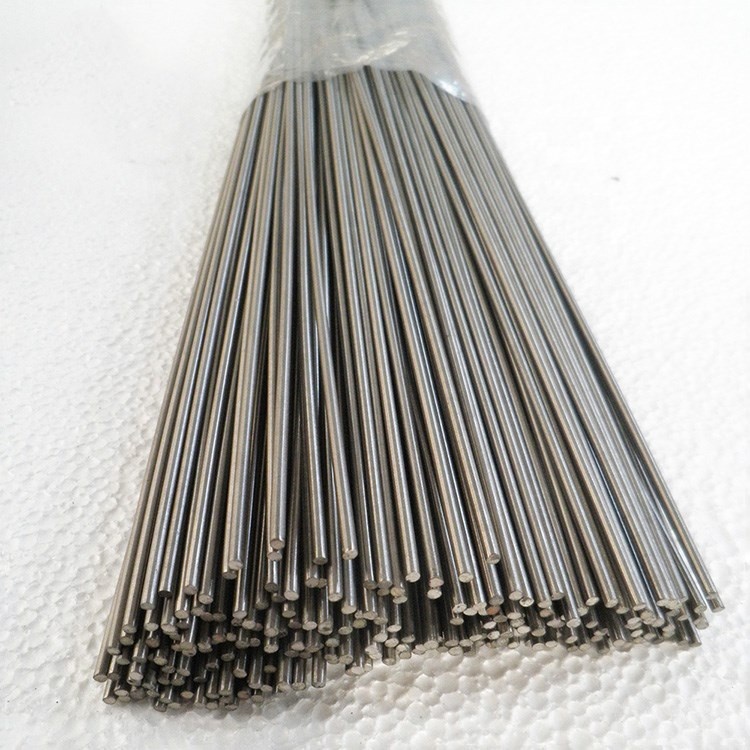
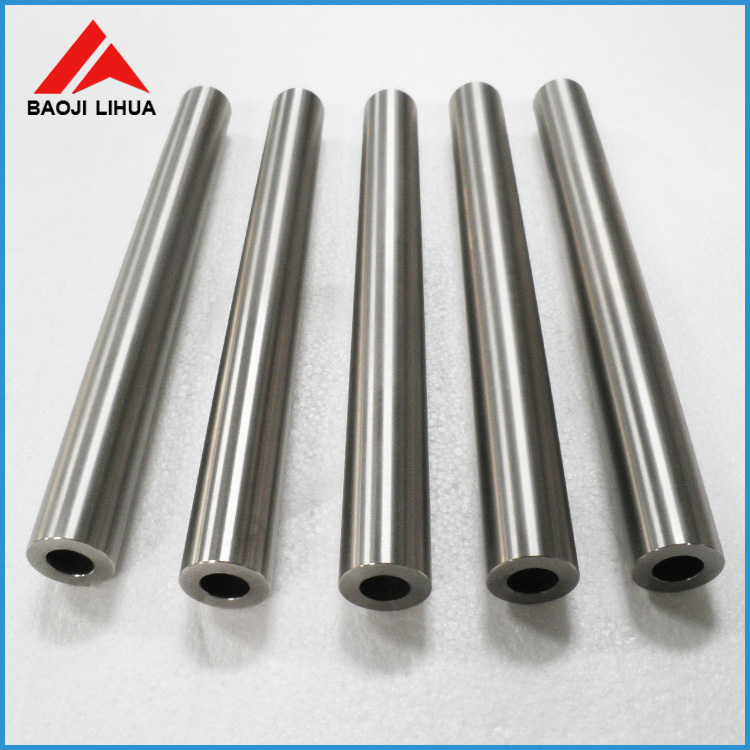
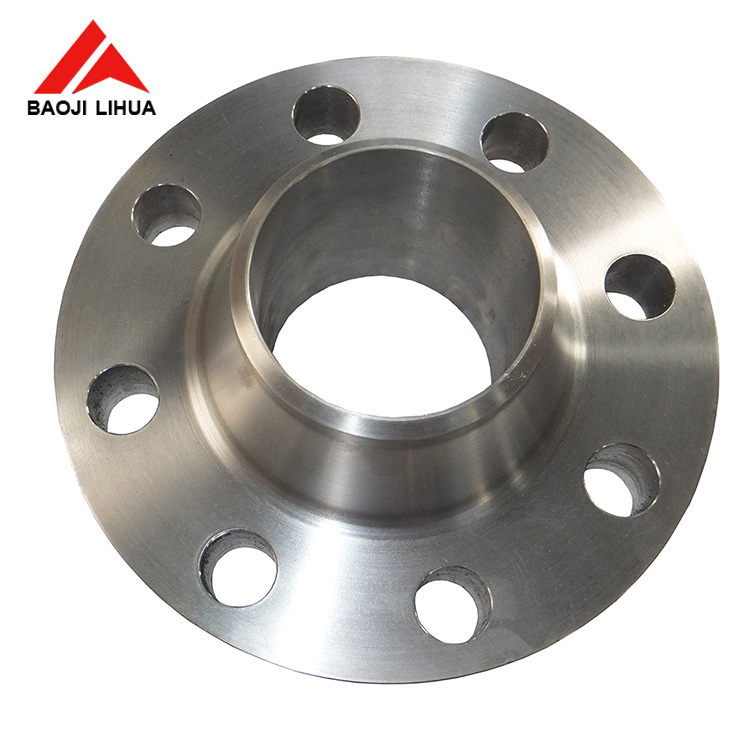
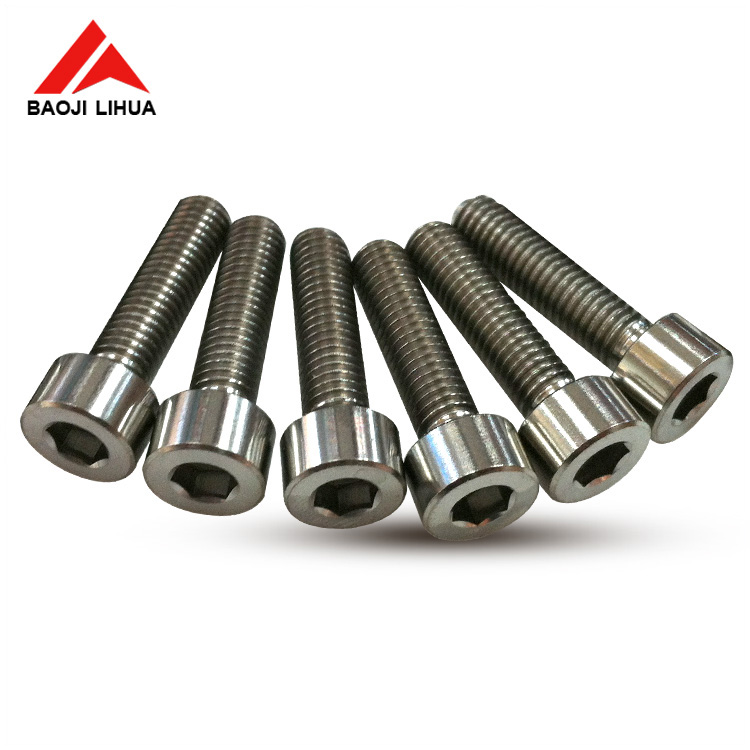
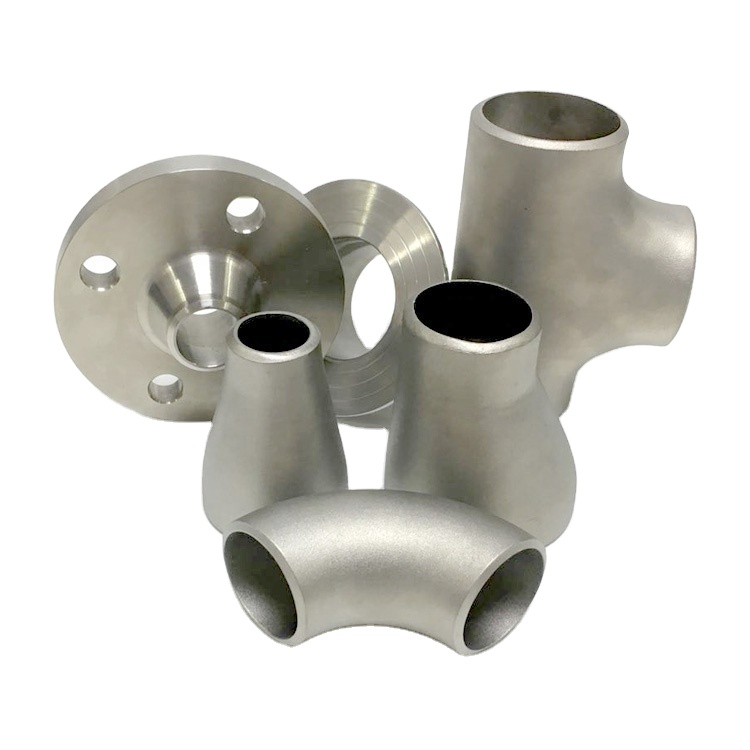
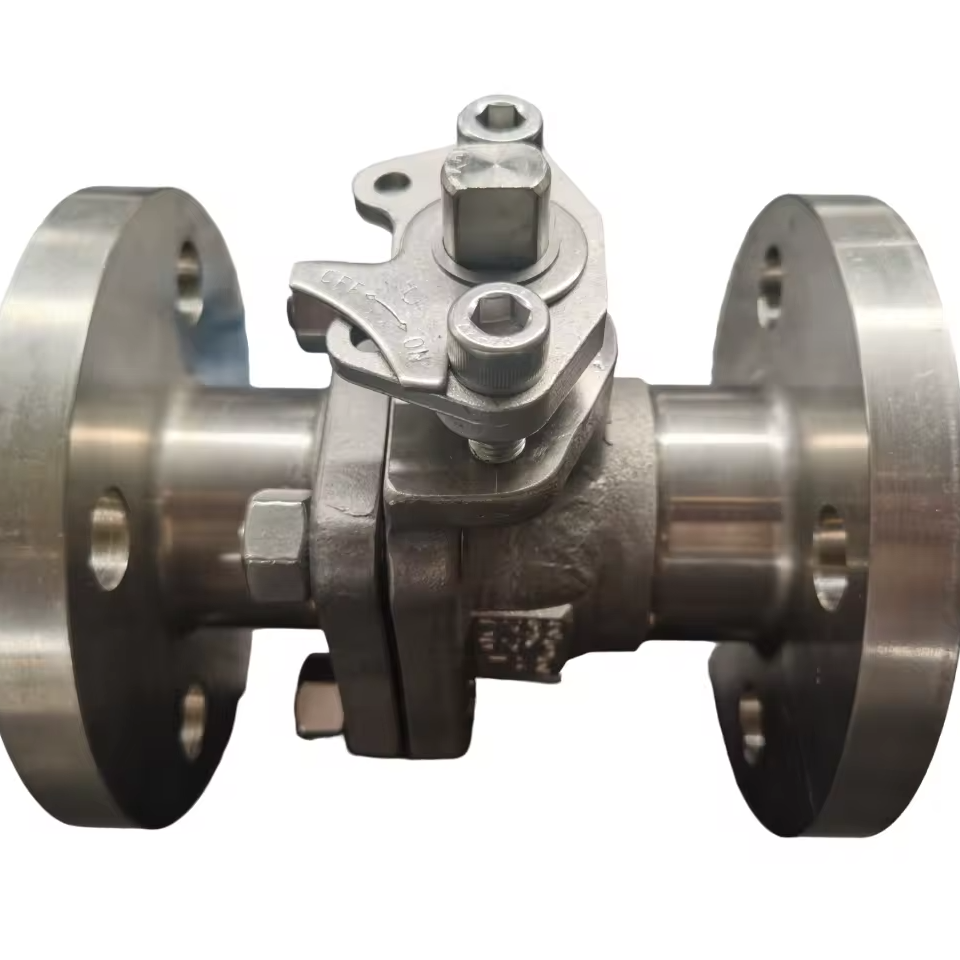
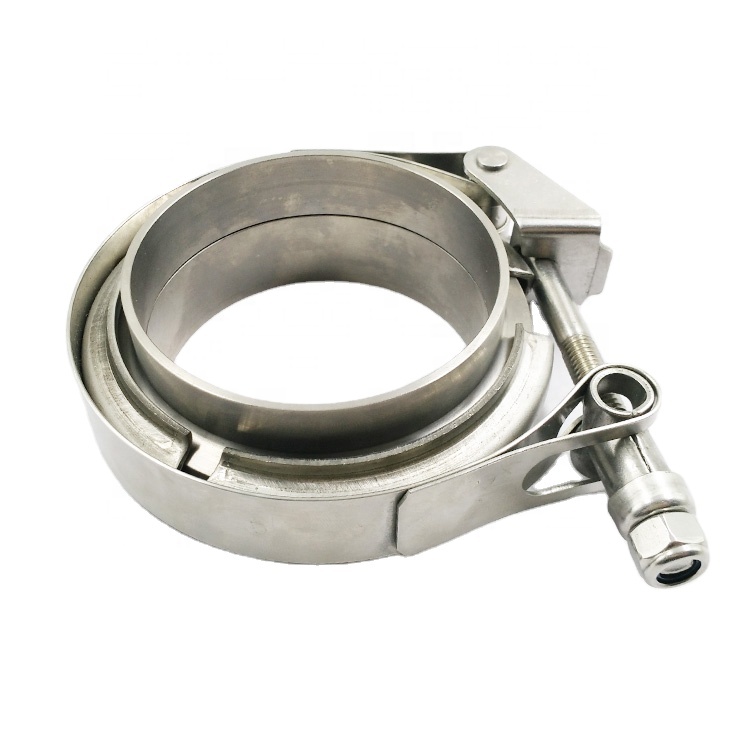
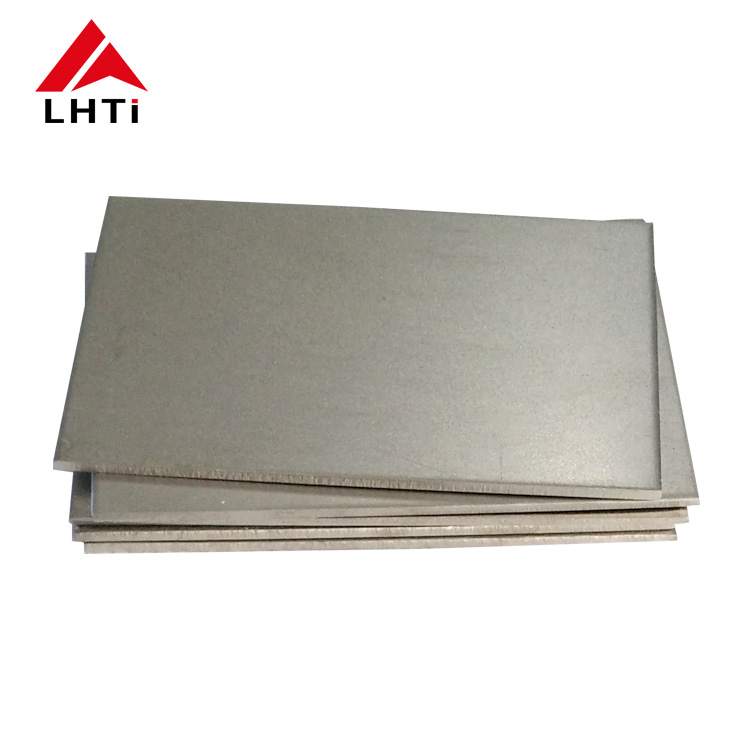
Engineering Integrity of Titanium Welding Rods in Fukuoka Industrial Applications
A metallurgical analysis of interstitial element control, shielding thermodynamics, and procurement logistics for Japanese fabricators.
In modern industrial fabrication across the Fukuoka-Kitakyushu manufacturing cluster, the selection and deployment of titanium welding rods and filler wire is subject to some of the world's most stringent metallurgical standards. Whether utilized in the construction of specialized offshore chemical carriers docked at Hakata Port, desalination evaporators in Omuta, or high-purity etching chambers for semiconductor fabrication facilities across Kyushu's "Silicon Island," titanium joining demands total prevention of interstitial contamination. Titanium possesses an exceptional chemical affinity for atmospheric oxygen, nitrogen, carbon, and hydrogen at temperatures exceeding 427°C (800°F). Welding engineers operating within Fukuoka Prefecture require filler materials that not only meet AWS A5.16 / SFA-5.16 classifications but also align precisely with Japanese Industrial Standards (JIS Z 3331).
Welding rods produced by specialized mills, like our facilities at Jovzi Titanium Industry Co., Ltd. (operating from Baoji, China's central Titanium Valley since 2006), provide regional Fukuoka distributors and engineering EPCs with completely traceable, vacuum-annealed, and micro-chemically balanced filler consumables. Controlling interstitial gas levels is paramount. The presence of excess oxygen (O) or nitrogen (N) causes significant lattice distortion in the hexagonal close-packed (alpha) crystal structure of Commercially Pure (CP) titanium and alpha-beta alloys like Ti-6Al-4V (Grade 5). This lattice distortion results in embrittlement, catastrophic micro-cracking during hydrostatic pressure testing, and severe weld joint failure under the cyclical fatigue stresses common to marine wave impacts in the Tsushima Strait.
When selecting a titanium welding rod factory to supply operations in Fukuoka, technical procurement teams must look beyond nominal sticker prices. Critical evaluation parameters include: the mechanical drawing process of the rod (cold-drawn with diamond dies to eliminate surface gouges and micro-laminations), chemical de-scaling and vacuum degassing protocols, surface cleanliness standards compliant with ASTM B862/AWS A5.16, and the presence of validated EN 10204 Type 3.1 Mill Test Certificates (MTCs) detailing exact interstitial ppm limits. By combining primary smelting sponge inputs with independent verification from the world-recognized BaoTi Test Center, our engineering team ensures that every kilogram of filler wire shipped across the East China Sea to Moji and Hakata ports provides reliable porosity-free puddle fluidity and superior ductile-to-brittle transition resistance.
| AWS A5.16 Grade | JIS Equivalent | Base Chemistry | Tensile (MPa Min) | Max Interstitial Limits (O / N / H / C) | Primary Industrial Sector in Fukuoka |
|---|---|---|---|---|---|
| ERTi-1 | TW270 / Y-Ti-1 | CP Grade 1 Unalloyed | 240 MPa | 0.10% O / 0.02% N / 0.005% H / 0.03% C | Plate heat exchangers, explosive cladding sheet repairs |
| ERTi-2 | TW340 / Y-Ti-2 | CP Grade 2 Unalloyed | 345 MPa | 0.18% O / 0.03% N / 0.008% H / 0.03% C | Shipbuilding saltwater cooling loops, chemical tank piping |
| ERTi-5 (Ti-6Al-4V) | TW6400 / Y-Ti-64 | 6% Al, 4% V balance Ti | 895 MPa | 0.18% O / 0.05% N / 0.012% H / 0.05% C | High-velocity marine hydrofoils, aerospace brackets, racing |
| ERTi-7 | TW340Pd / Y-Ti-0.15Pd | Grade 2 + 0.15% Palladium | 345 MPa | 0.18% O / 0.03% N / 0.008% H / 0.03% C | Severe chloride crevice corrosion zones, marine scrubber exhausts |
| ERTi-12 | TW480MoNi | 0.3% Mo, 0.8% Ni balance Ti | 483 MPa | 0.25% O / 0.03% N / 0.010% H / 0.03% C | Elevated temperature brine heaters, chemical valve bodies |
Localized Application Scenarios in Fukuoka's Key Sectors
Engineered welding consumables customized to support high-growth infrastructure, heavy engineering, and precision manufacturing across Northern Kyushu.
Shipbuilding & Marine Engineering
Along Dokai Bay and the Kanmon Strait in Kitakyushu, heavy marine shipyards utilize ERTi-2 and ERTi-7 TIG rods to construct seawater intake chests, ballast water UV disinfection tubing, and titanium exhaust gas cleaning scrubbers compliant with IMO sulphur emission caps. The zero-pitting rate of Grade 2 weldments ensures decades of zero maintenance under saline velocity conditions.
Kyushu "Silicon Island" Semiconductor Plants
With major semiconductor foundries expanding across Kumamoto and Fukuoka, ultra-pure chemical distribution and wet-etching systems rely on titanium filler wire for joining specialized Gr2 and Gr7 pipes. Jovzi's ultra-clean, chemically shaved rods eliminate surface hydrocarbons, safeguarding high-purity hydrofluoric and sulfuric acid delivery systems from particle contamination.
Chemical Plants & Port Storage Terminals
The chemical complexes adjacent to Wakamatsu and Omuta handle hot chlorinated hydrocarbons and wet chlorine gas. Fabricators rely on Jovzi's ERTi-7 (palladium-stabilized) and ERTi-12 filler rods to weld reactive titanium heat exchangers, reactor linings, and distillation tray columns where standard austenitic stainless steels or nickel alloys succumb to severe stress corrosion cracking.
Industrial Welding Rod Procurement Trends in Fukuoka
How regional fabricators, trade houses (Shosha), and OEM engineering teams are optimizing supply chains and welding workflows.
Orbital TIG Automation
Fabricators in Hakata are rapidly adopting mechanized orbital welding systems to counter skilled welder shortages. This transition requires precision-wound spool wire (MIG/orbital) with uniform helix, zero camber, and continuous diameter tolerances within ±0.02 mm.
Shortened Transit via Hakata Port
Instead of routing orders through secondary Tokyo-based distributors, Fukuoka engineering firms are utilizing direct sea freight from coastal Chinese ports, slashing lead times to under 5 days and drastically lowering storage carrying costs.
Dual AWS & JIS Traceability
EPC contractors delivering international maritime projects require cross-certified consumables that satisfy both Japanese domestic construction codes and ASME Section IX / AWS welding procedure qualification records (PQR).
Demand for Grade 7 & Grade 12
Industrial operators facing aggressive boiling brine and hot dilute hydrochloric environments are shifting away from Grade 2 to Grade 7 and Grade 12 filler materials to maximize autoclave and heat exchanger lifecycles.
Why Fukuoka Sourcing Managers Partner With Jovzi Titanium
Combining primary titanium sponge resources, deep metallurgical expertise, and complete export reliability since 2006.
Baoji Titanium Valley Production Integrity
Headquartered at Gaoya Industrial Zone in Baoji, Shaanxi, Jovzi Titanium operates within the geographic heart of China's titanium refining cluster. With 4 senior metallurgists and 5 intermediate welding engineers, we oversee every phase from vacuum arc remelting (VAR) to multi-pass precision drawing and chemical pickling.
- Traceable Quality Documentation: EN 10204 3.1 MTCs supplied with every single heat number. Supplementary chemical and mechanical validation reports by the national BaoTi Test Center provided upon request.
- Pristine Surface Treatment: Chemically shaved and micro-polished surfaces eliminate drawing lubricants, graphite residue, and surface oxides, ensuring 100% X-ray radiographic passing rates under JIS Z 3107.
- Tailored Packaging for Ocean Shipping: Spools sealed with desiccant in vacuum barrier bags; straight cut lengths packed in rigid PVC tubes inside seaworthy export wooden cases to prevent transit humectant oxidation.
- Flexible Terms & Multi-Currency Settlement: Complete support for FOB, CIF Hakata/Moji, DDP, and door-to-door courier shipments with settlement available in USD, JPY, EUR, or CNY.
Fukuoka Titanium Welding Rod Procurement: Frequently Asked Questions
Practical technical, operational, and commercial answers for welding engineers and purchasing agents.