2006
Manufacturer Est. in Baoji
100 t
Annual Mill Production
EN 10204
3.1 Certified Traceability
≤ 8h
Engineering Consultation
Precision Titanium Filler Wire & Engineered Assemblies
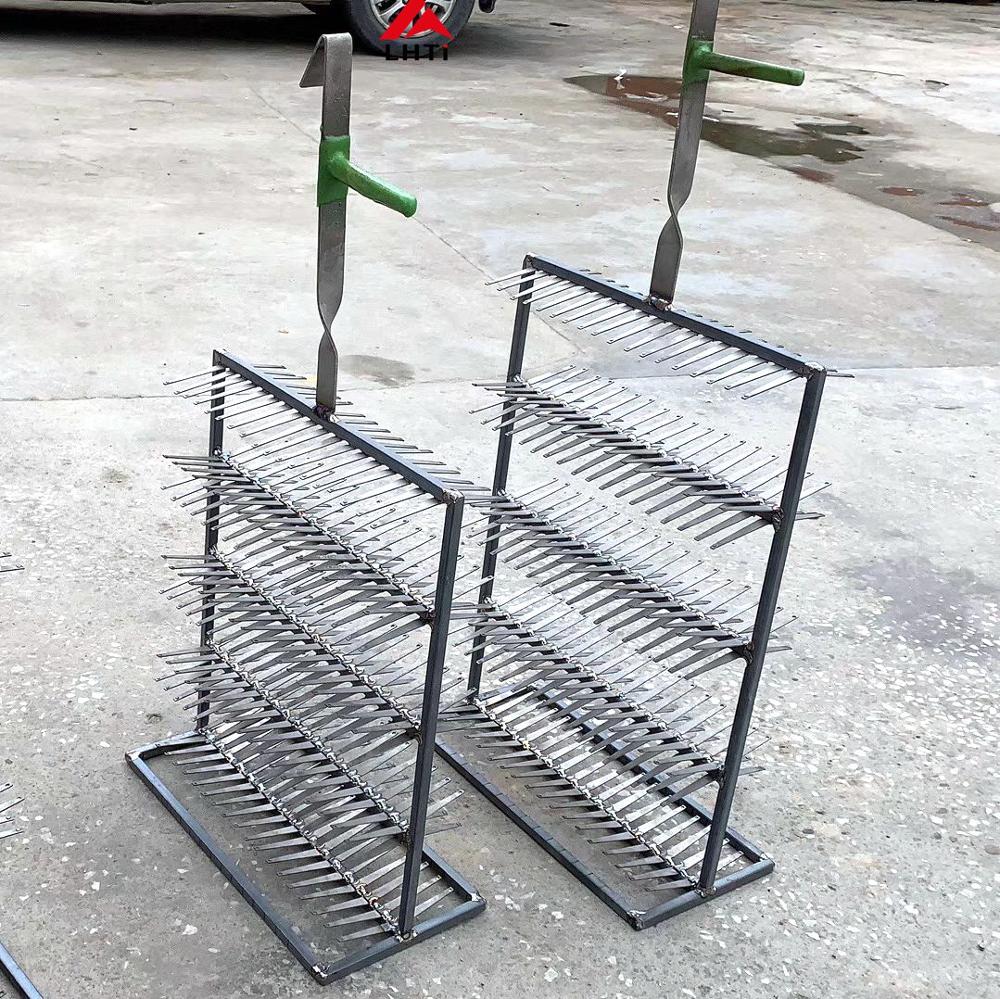
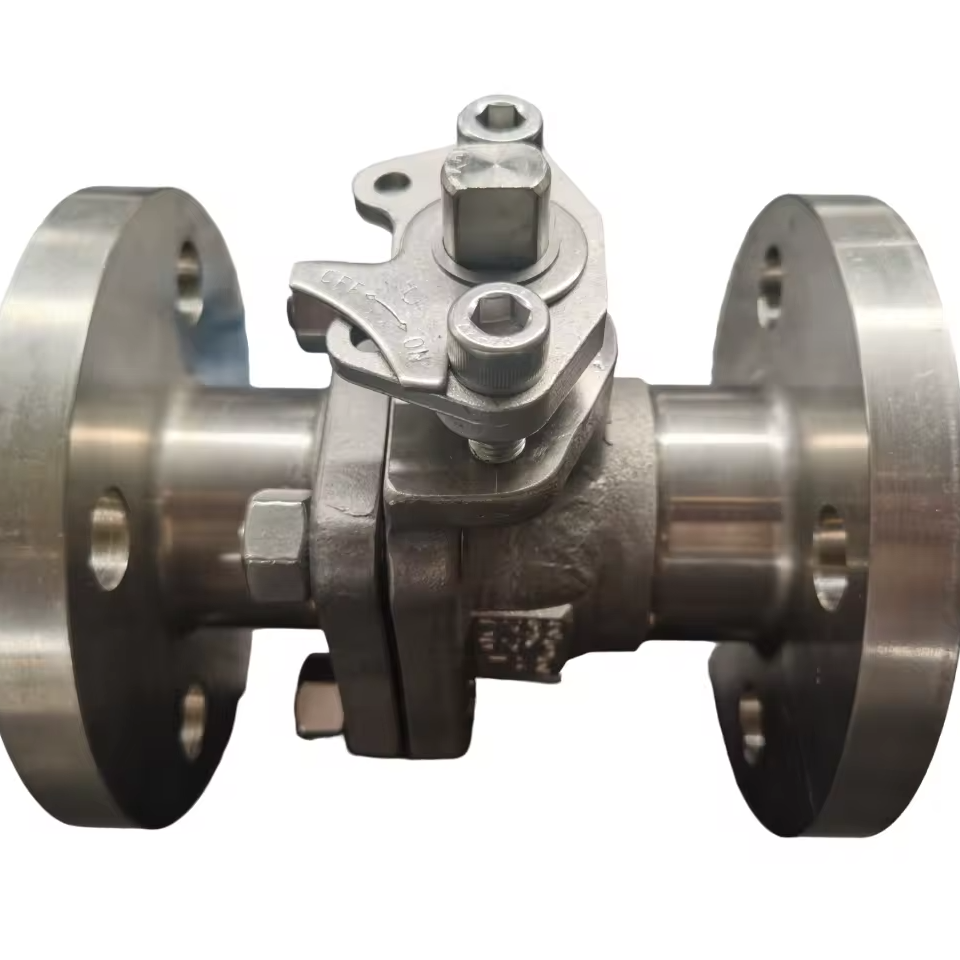
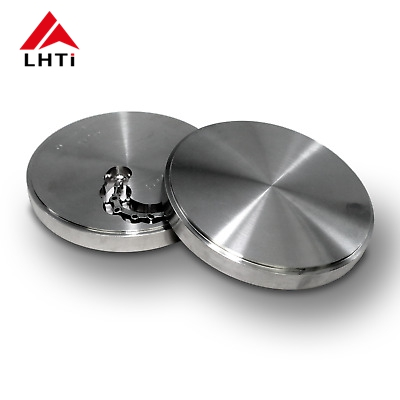
Direct factory manufacturing of welding consumable spools, straight TIG rods, anodizing infrastructure, and high-integrity fluid handling components.
Metallurgical Whitepaper
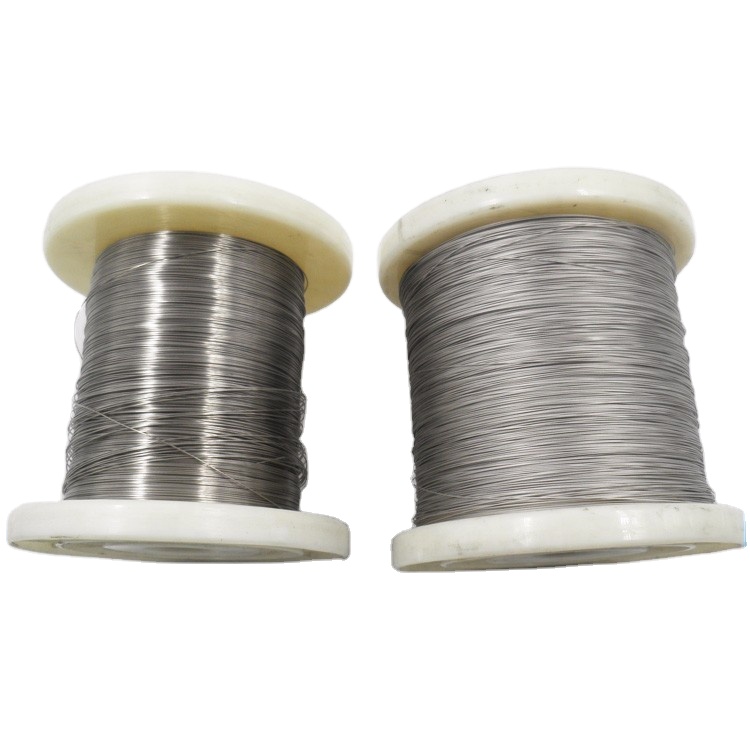
High-Purity Titanium Wire Manufacturing: Eliminating Weld Embrittlement
Welding titanium demands exceptionally clean consumables. Because titanium exhibits an extreme chemical affinity for interstitial gases—namely oxygen (O), nitrogen (N), hydrogen (H), and carbon (C)—at temperatures exceeding 400°C, any contamination during the wire drawing or annealing process inevitably translates into brittle, defective joints prone to stress corrosion cracking.
At our Baoji plant in Shaanxi—widely recognized as China's "Titanium Valley"—we manufacture titanium welding wire under rigid vacuum conditions. Our production starts from 100% virgin titanium sponge melted via Vacuum Arc Remelting (VAR) to guarantee uniform chemical composition. Every spool of wire undergoes rigorous chemical pickling or mechanical shave cleaning to remove lubricants, graphitic residue, and oxides, ensuring pristine surface conditions compatible with automated TIG (GTAW), MIG (GMAW), and laser beam welding systems.
For fabrication yards, marine repair facilities, and industrial engineering outfits in Latvia, compliance with stringent European standards is mandatory. Jovzi delivers each wire shipment with authentic EN 10204 3.1 Mill Test Certificates showing full heat-number traceability, verified room-temperature tensile strength, yield behavior, and interstitial gas limits.
 ISO 9001 Certified Drawing, Annealing & Precision CNC Facility in Baoji
AWS A5.16 / ASTM Grade Selection Matrix for Welding Titanium
| AWS Classification | Base Titanium Grade | Nominal Chemistry | Tensile Strength (Min) | Primary Industrial Applications |
|---|---|---|---|---|
| ERTi-1 | Grade 1 (CP Ti) | Unalloyed Ti (Low O) | 240 MPa | Plate heat exchangers, explosive bonding cladding, extreme deep drawing |
| ERTi-2 | Grade 2 (CP Ti) | Standard Commercial Pure | 345 MPa | Chemical processing plants, seawater piping, Baltic marine exhaust manifolds |
| ERTi-5 | Grade 5 (Ti-6Al-4V) | 6% Al, 4% V, Bal. Ti | 895 MPa | Aerospace structural assemblies, defense equipment, high-performance racing |
| ERTi-7 | Grade 7 (Ti-0.15Pd) | CP Ti + 0.12–0.25% Palladium | 345 MPa | Severe reducing acids, chemical processing in chlor-alkali reactors |
| ERTi-9 | Grade 9 (Ti-3Al-2.5V) | 3% Al, 2.5% V, Bal. Ti | 620 MPa | Hydraulic aerospace lines, high-pressure sports bikes, subsea offshore risers |
Local Application Scenarios & Strategic Demand Across Latvia
Latvia’s unique geographic position along the Baltic Sea, combined with its specialized engineering clusters in Riga, Liepāja, and Ventspils, drives a highly targeted requirement for non-corrosive, light-weight titanium filler metals and hardware:
Maritime Repair & Offshore Logistics
Latvian shipyards and port service stations along the ice-free ports of Ventspils and Liepāja require ERTi-2 and ERTi-7 wires for cladding and joint welding in ballast water treatment systems (BWTS), seawater intake heat exchangers, and marine scrubbers that suffer catastrophic chloride attack when made of standard stainless steel.
Chemical, Wood Treatment & Fertilizer
With an active chemical processing sector and industrial forestry chemical conversion plants around Vidzeme and Zemgale, process equipment must withstand hot organic acids, sulfur dioxide condensates, and bleaching mediums, making Grade 2 and Grade 12 titanium assemblies indispensable.
Advanced Drone & Precision High-Tech
Latvia's rapidly emerging unmanned aerial vehicle (UAV), robotics, and defense manufacturing sectors leverage ultra-fine ERTi-5 (Ti-6Al-4V) wire for micro-TIG additive manufacturing, specialized aerospace frames, and custom robotic linkages demanding maximum strength-to-weight efficiency.
Regional Trends: The Shift Towards Titanium Fabrications in Latvia
Total Life-Cycle Cost Valuation
Baltic procurement managers are increasingly moving away from short-life 316L stainless or duplex alloys in aggressive Baltic brackish waters. Titanium provides zero-pitting tolerance, drastically reducing vessel downtime in dry docks.
High-Tech Additive Wire Feeding
Adoption of Wire Arc Additive Manufacturing (WAAM) is expanding among Baltic research and prototyping institutes. Our spool-wound titanium wire provides precision layer deposition without feed slippage or surface galling.
Supply Chain Direct-to-Factory Procurement
Latvian fabricators are actively cutting European distributor markups by contracting directly with verified Chinese mill manufacturers in Baoji that offer full DDP/CIP logistics, traceable test coupons, and custom drawing support.
Manufacturing Excellence
Why Latvian Engineers Choose Jovzi Titanium Industry
Rooted in Baoji since 2006, Jovzi combines certified metallurgical processing with responsive global customer fulfillment.
Direct Origin in Baoji's Titanium Cluster
Operating out of the Gaoya Industrial Zone in Baoji, we have direct access to prime-grade sponge titanium and national-level inspection infrastructure, including independent verification from the BaoTi Test Center.
Strict Documented Traceability (MTC 3.1)
Every spool and coil features etched heat-number lot identifiers corresponding to an EN 10204 3.1 mill certificate detailing gas interstitials (H, O, N, C), proof stress, and elongation.
Reliable EU & Baltic Shipping Logistics
Exporting over 80% of our capacity to European and North American buyers, we handle DAP, CIP, CIF Riga, or air express directly to your workshop, packaged in seaworthy, desiccated packaging.
Senior Metallurgical Staff
Our team comprises 4 senior and 5 intermediate titanium engineers ready to optimize filler metal selection for dis-similar metal transitions (e.g., Titanium to Stainless explosive transitions).
Custom Diameters & Micro-Wires
From ultra-fine 0.05 mm fishing wire and spring wires up to 5.0 mm straight TIG rods, our drawing dies maintain tight tolerances of ±0.02 mm across every batch.
ISO 9001 Quality Controlled Workflows
Standardized incoming sponge verification, intermediate drawing vacuum anneals, surface acid washes, and eddy-current continuous flaw inspections minimize risks for certified welders.
Buyer Knowledge Base
Frequently Asked Questions by Latvian Procurement Teams
Essential guidelines regarding standards, international shipping, customs, and welding practice.
How does Jovzi ship titanium welding wire to Latvia, and what are typical lead times?
We regularly arrange door-to-door express deliveries (DHL/FedEx/TNT) for trial orders and urgent workshop repairs, reaching Riga or Liepāja in 5 to 8 business days. For bulk container shipments of filler wire, flanges, and piping parts, cargo is consolidated and shipped via sea freight to the Freeport of Riga (Rīgas brīvosta), typically requiring 30–35 days transit time. We provide all necessary commercial invoices, packing lists, and EUR-clearing documentation.
What shielding gas is required when welding with ERTi-2 or ERTi-5 in Baltic workshops?
Welding titanium requires high-purity argon shielding (minimum 99.995% purity, with a dew point below -50°C). In addition to the primary torch nozzle gas, welders must utilize a trailing shield to protect cooling metal until it drops below 400°C, as well as an argon backing purge for pipe or hollow joints. A shiny silver weld bead indicates proper shielding, whereas blue, grey, or white powder discoloration signals atmospheric contamination.
Can Jovzi provide EN 10204 3.1 Mill Test Certificates recognized by Latvian notified bodies?
Yes. Every batch of Jovzi titanium wire comes complete with an authentic EN 10204 3.1 inspection certificate from our ISO 9001 certified laboratory. This document verifies melt heat numbers, quantitative chemical analysis (especially trace interstitial limits for H, O, N, and Fe per AWS A5.16), and mechanical testing. On request, independent third-party testing from the state-authorized BaoTi Test Center is also provided.
What wire formats and packaging styles are available for automated vs. manual TIG?
For manual TIG welding, we supply straight wire rods (usually 1000 mm in length, with laser-stamped grade marks on both ends) packed in rigid PVC tubes of 5 kg or 10 kg. For automated MIG, submerged arc, or robotic wire-arc additive manufacturing, we provide precision layer-wound wire on standard plastic spools (D100, D200, D300) from 1 kg up to 15 kg, vacuum-sealed with desiccant bags to prevent moisture absorption during maritime transit.
What is the Minimum Order Quantity (MOQ) for custom wire diameters?
Standard warehouse diameters (1.0 mm, 1.2 mm, 1.6 mm, 2.0 mm, 2.4 mm, 3.2 mm) for ERTi-2 and ERTi-5 have an MOQ starting at only 10–20 kg. For customized wire diameters, special ultra-fine gauges (e.g., 0.05 mm), or micro-alloyed palladium grades (ERTi-7), the production MOQ is generally 30–50 kg per drawing specification.