ASTM B338 / Gr1/2/9
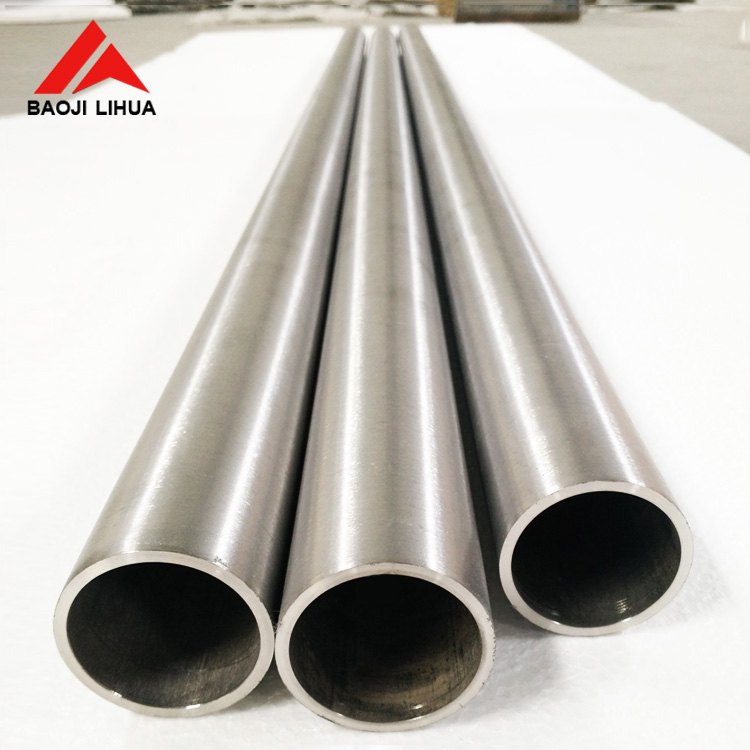
Gr1/2/9 38-102mm Titanium Process & Exhaust Pipe Tube
Seamless and micro-TIG welded tubing optimized for thermal conduits, heat exchangers, and chemical feed manifolds.
Supplying rigorously inspected Grade 1/Grade 2 titanium composite plates, precision tubing, forged rings, and structural hardware to Kyoto heavy industries and OEM equipment makers.
Seamless and micro-TIG welded tubing optimized for thermal conduits, heat exchangers, and chemical feed manifolds.
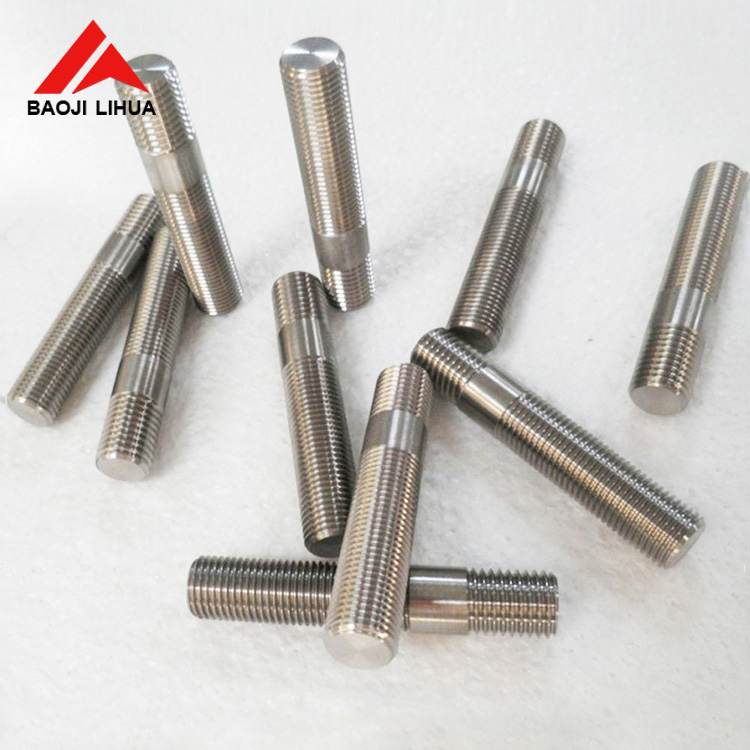
Thread-rolled fastening solutions offering corrosion resistance and fatigue endurance under cyclical thermal expansion.
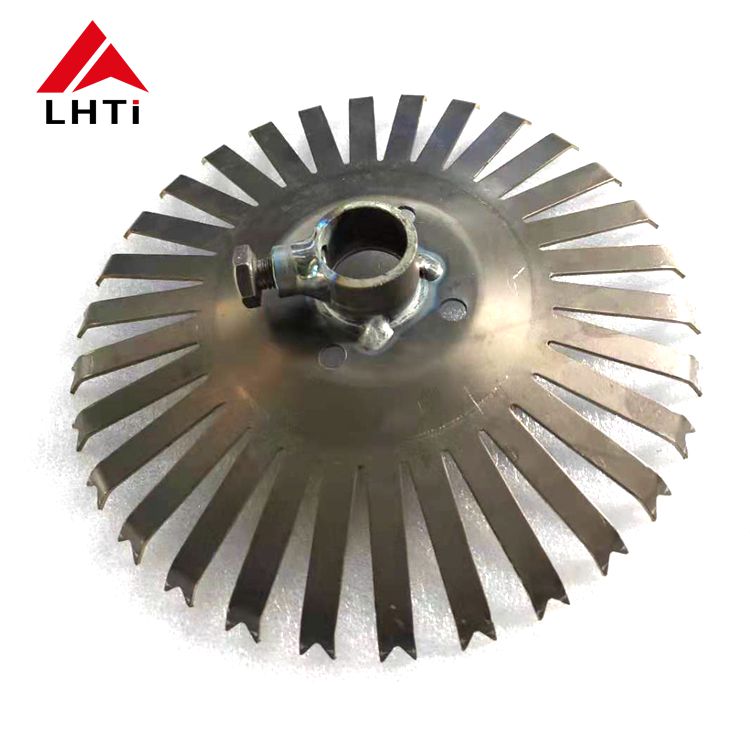
Engineered current conduction with pure titanium contact points, resistant to sulfuric and chromic acid baths.
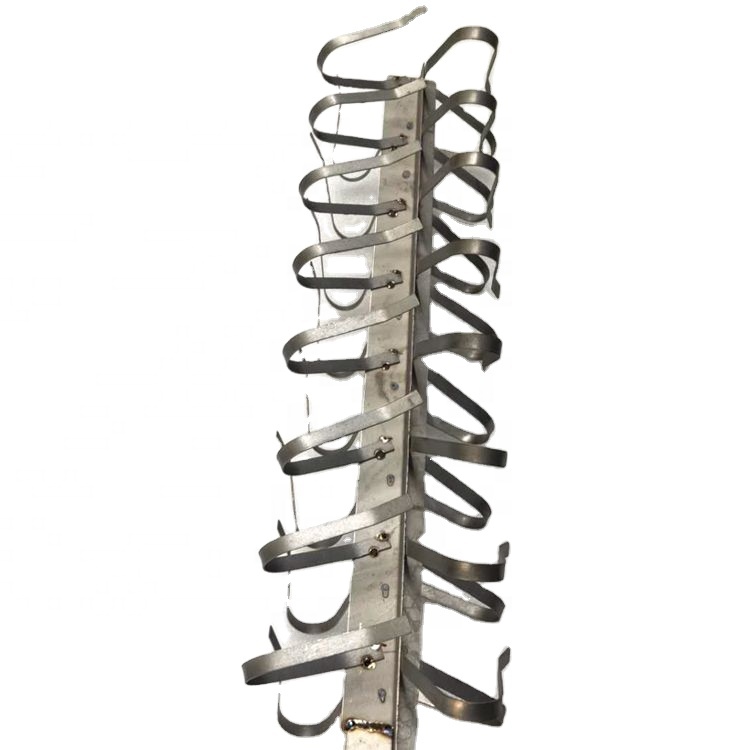
Custom welded framework with unyielding acid-alkali durability designed for semiconductor PCB fabrication plants.
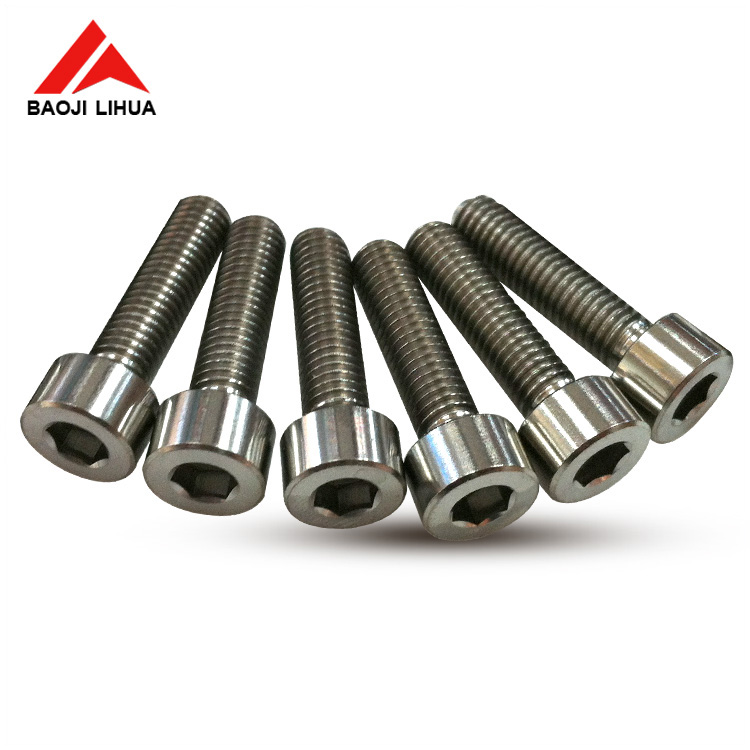
Tensile ratings surpassing 895 MPa; indispensable for cladding bracket assemblies and high-vibration autoclave mountings.
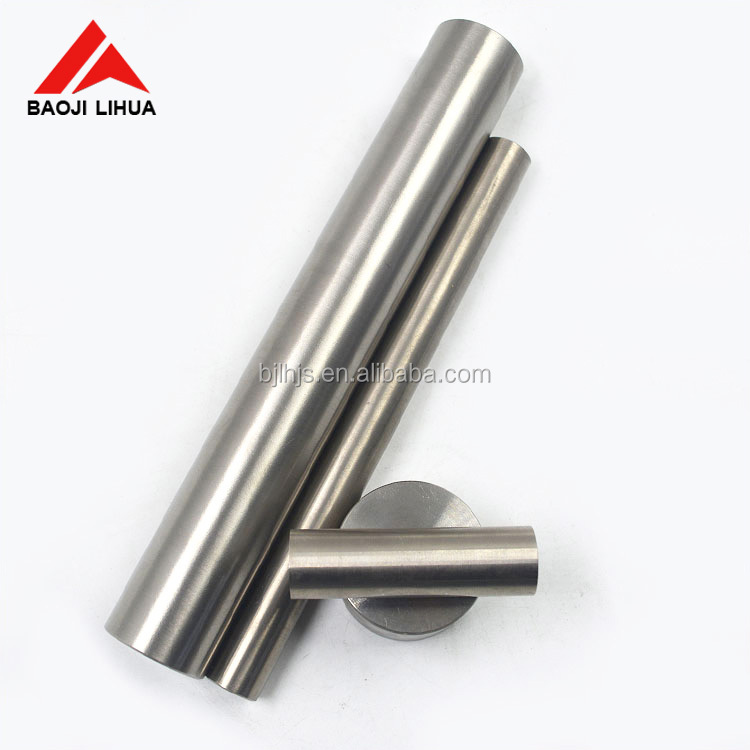
Precision-cast virgin titanium feedstock ready for cladding explosive welding backing plates and high-pressure flanges.
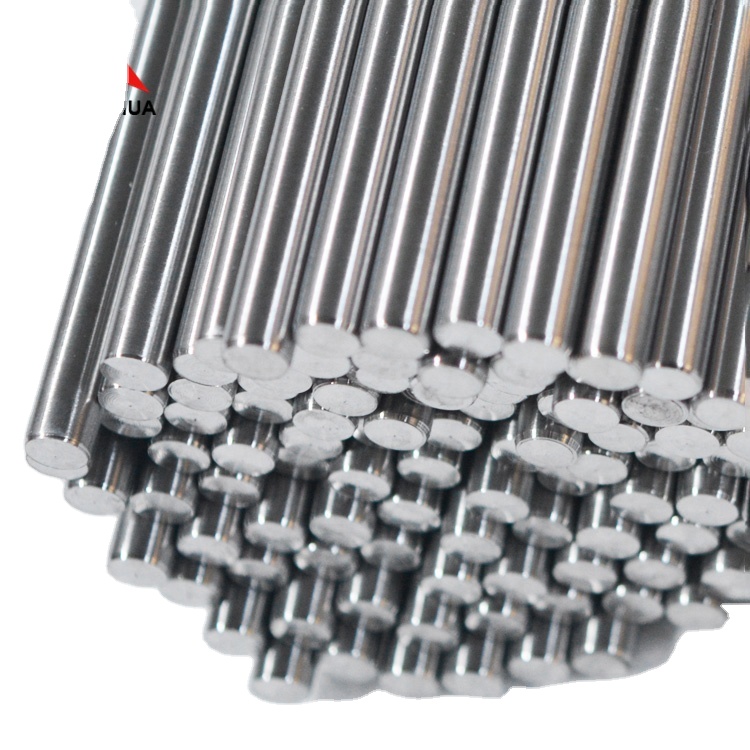
Centerless-ground bars suited for high-tolerance CNC parts, chemical pump shafts, and custom pressure fittings.
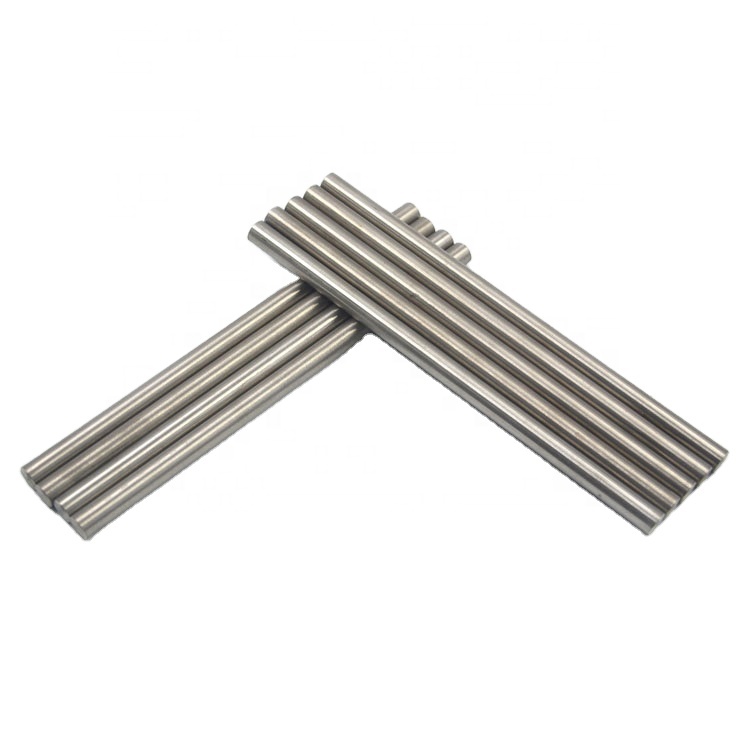
Biocompatible and temperature-responsive alloy stock manufactured for precision biomedical actuators and lab sensors.
In modern metallurgical procurement across the Kansai industrial zone, titanium clad plate (チタンクラッド鋼板) has shifted from an alternative specialty alloy to an essential structural material. For precision industrial hubs spanning Kyoto Prefecture—from the precision mechatronics and clean energy clusters along the Kamo and Katsura rivers to advanced chemical manufacturing in Uji, Maizuru's marine infrastructure, and Kameoka’s environmental processing facilities—procuring robust corrosion protection without the prohibitive cost of solid titanium plate is a prime operational requirement.
A titanium clad plate is a metallurgically bonded composite material featuring a corrosion-resistant cladding layer—most typically ASTM B265 Grade 1, Grade 2, or palladium-stabilized Grade 7—permanently bonded to a high-strength carbon steel or low-alloy pressure-vessel backing plate (such as JIS G3103 SB410, JIS G3115 SPV235/SPV355, ASTM A516 Gr. 70, or ASME SA516). By leveraging high-energy explosive bonding (EXW) or continuous vacuum hot-roll bonding, Jovzi Titanium Industry Co., Ltd. delivers structural plates that offer the inert chemical immunity of pure titanium on the wetted process face, supported by the yield strength, mechanical stability, and weldability of structural carbon steel on the outer load-bearing shell.
Metallurgical Quality Benchmark: Every titanium clad plate supplied for Kyoto and wider Japanese engineering projects conforms strictly to JIS G3603 (チタンクラッド鋼) and ASTM B898 (Standard Specification for Reactive and Refractory Metal Clad Plate). Ultrasonic inspection guarantees 100% acoustic bond continuity across Class A/Class 1 thresholds, achieving minimum shear interface strengths well above 140 MPa—exceeding the standard baseline requirement of 137.3 MPa.
The industrial fabric of Kyoto requires distinct alloy grades that handle aggressive chemical reagents while maintaining ultra-clean process control. Jovzi Titanium's clad products are actively specified across several localized regional sectors:
1. Semiconductor & Electronic Component Fabrication: Kyoto hosts world-renowned semiconductor foundries, wafer polishing facilities, and high-density electronic capacitor producers. The manufacture of chemical mechanical planarization (CMP) slurries, fluorinated etching reboilers, and high-purity acid recirculation systems demands process equipment that will not leach trace metallic ions. Grade 1 and Grade 2 titanium clad vessels eliminate heavy metal contamination, ensuring compliance with strict cleanroom standards.
2. Fine Specialty Chemicals & Green Solvents (Uji & Southern Kyoto Valley): The specialized chemical producers situated along the Uji basin manufacture active pharmaceutical intermediates, optical polymers, and electrolyte formulations. These continuous batch reactors often operate in aggressive chloride, wet chlorine, and nitric acid environments. Using a 3mm to 5mm Grade 2 titanium cladding bonded to a 20mm to 50mm ASTM A516 Gr. 70 carbon steel backing provides decades of corrosion safety under thermal swings up to 300°C without the risk of stress corrosion cracking (SCC).
3. Decarbonized Energy & Waste-to-Resource Plants: With Kyoto spearheading carbon reduction benchmarks across municipal and private sectors, next-generation biomass pyrolysis, municipal waste incineration, and geothermal recovery systems are expanding. In flue gas desulfurization (FGD) scrubbers and sour condensing zones where condensate contains high sulfur and chlorine concentrations, Jovzi's Grade 7 (Ti-Pd alloy) clad composite plates prevent accelerated localized crevice corrosion and pitting attack.
4. Maritime Equipment & Desalination at Maizuru Port: Coastal Kyoto along the Sea of Japan depends on heavy-duty marine heat exchangers, ballast water treatment units, and shipboard piping systems. Clad plates cut equipment weight by roughly 45% compared to solid nickel-based alloys while providing complete immunity to marine bio-fouling and high-velocity seawater erosion.
For engineering design teams evaluating capital expenditure (CAPEX) versus operational lifecycle (OPEX), the following data underscores why titanium clad steel remains the preferred specification for pressure vessels, columns, and tube sheets:
| Technical Characteristic | Titanium Clad Plate (Gr2 + A516-70) | Solid Titanium Plate (Grade 2) | Hastelloy C-276 / Inconel 625 | Austenitic 316L Stainless Steel |
|---|---|---|---|---|
| Interface Bond Shear Strength | ≥ 140 MPa (JIS G3603 compliant) | N/A (Monolithic) | N/A (Monolithic) | N/A (Monolithic) |
| Chloride Pitting Resistance | Near Impervious (<100°C) | Near Impervious (<100°C) | Very High | Poor (Vulnerable to SCC) |
| Material Cost Index (Relative) | 1.0 (Baseline Reference) | 2.8x - 4.2x (Thickness Dependent) | 3.5x - 5.0x | 0.55x - 0.75x |
| Thermal Conductivity Efficiency | Balanced via carbon steel base | Lower overall bulk heat dissipation | Low thermal conductivity | Moderate |
| Field Weldability & Flanging | Standard vessel fabrication routines | Requires strict inert gas chamber welding | Standard high-alloy parameters | Standard fabrication |
Technological trends across Kyoto's manufacturing base reflect a growing need for sustainable, high-efficiency equipment:
Transition Toward Ultra-Thin Cladding Layers: Driven by explosive welding innovations and vacuum rolling techniques, processors in Kyoto are transitioning from traditional 4.0mm cladding sheets toward 1.5mm to 2.0mm high-purity Grade 1 cladding. This shift reduces raw metal costs by roughly 25% while maintaining full chemical containment, keeping thermal transfer resistance low in high-duty shell-and-tube condensers.
Stringent Traceability Protocols (Full Heat Pedigree): In response to rigorous safety standards set by the High Pressure Gas Safety Act (高圧ガス保安法) and METI regulatory systems, Japanese engineering procurement groups require comprehensive batch traceability. Jovzi fulfills this with complete melt-to-ingot pedigree records, verifiable EN 10204 3.1 inspection documentation, chemical breakdown verification, and ultrasonic test logs certified by authorized testing bodies like the BaoTi Test Center.
Direct manufacturer capabilities headquartered in China's Titanium Valley, Baoji, with nearly two decades of international export excellence.
Founded in 2006 in Baoji, Shaanxi—the hub responsible for the vast majority of China's titanium mill capacity—we leverage raw sponge-to-ingot materials with full supply control and stable pricing.
Our technical team includes 4 senior metallurgists and 5 intermediate engineers, overseeing hot rolling, explosive cladding, CNC machining, and non-destructive examination (NDE) directly on-site.
Every shipment is delivered with EN 10204 3.1 mill test certificates, complete heat number markings, and third-party inspection reports issued on demand by the BaoTi Test Center.
Beyond composite plate bonding, our facilities handle custom flanging, ASME B16.5 plate cutting, ASTM B381 ring forging, and tube-sheet CNC drilling with strict tolerances.
Exporting to Japan for over 19 years, we offer streamlined shipping via Kobe and Osaka ports under FOB, CFR, CIF, or DDP terms, with seaworthy wooden cases and anti-scratch packaging.
With an export quota of 81%–90% across Europe, North America, and East Asia, our engineering office guarantees a formal technical quotation and drawing review within 8 hours.
Addressing engineering specifications, testing standards, import compliance, and delivery terms for industrial buyers in Japan.
Our titanium clad plates comply with JIS G3603 (チタンクラッド鋼) as well as international specifications ASTM B898 and ASME SB-898. Ultrasonic inspection is conducted in alignment with JIS G0801 or ASTM A578 Level I/II depending on your pressure vessel criteria.
Every clad plate undergoes continuous ultrasonic pulse-echo scanning to detect any interface non-bonding. Furthermore, mechanical shear testing per ASTM B898 confirms shear strength exceeding 140 MPa, supported by 180° side bend tests.
We supply carbon steel, low-alloy, and stainless steel base plates, including ASTM A516 Gr. 60/70, ASME SA516, JIS G3103 SB410, JIS G3115 SPV235/355, and austenitic grades such as 304L or 316L for dual-corrosion environments.
Yes. Utilizing high-precision multi-axis CNC drilling and water-jet cutting setups, we deliver finished clad tube sheets, pre-beveled vessel shell segments, and forged clad flanges based directly on your DXF, DWG, or STEP drawings.
For custom explosive or hot-rolled plates, fabrication lead time ranges from 3 to 5 weeks. Ocean freight from Qingdao/Shanghai to Kobe or Osaka Port typically takes 3 to 5 days, enabling fast door-to-door delivery across Kyoto within 4 to 6 weeks.
Shipments include an authentic EN 10204 3.1 Mill Test Certificate (MTC), ultrasonic inspection maps, chemical and mechanical test logs, and third-party inspection certifications from the BaoTi Test Center upon request.
Partner directly with Jovzi Titanium’s senior metallurgists to optimize layer thickness, assess JIS G3603/ASTM B898 standards, and receive formal proposals within 8 business hours.
Get Catalog