Precision-Machined Titanium Components & Pipe Fittings
Direct supply from Baoji Titanium Valley with certified EN 10204 3.1 MTCs, hydrostatic pressure validation, and dimensional accuracy conforming to ASME, ASTM, and DIN standards.
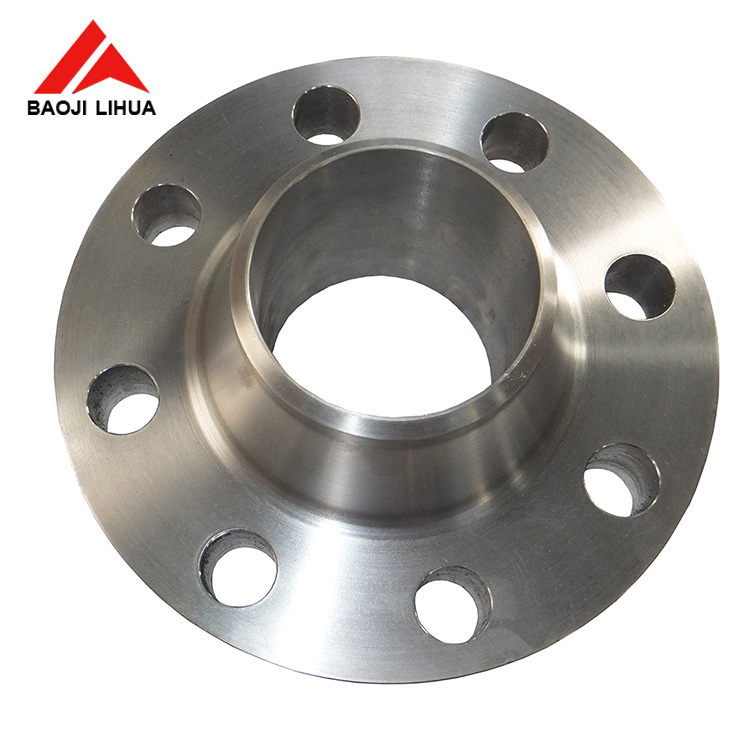
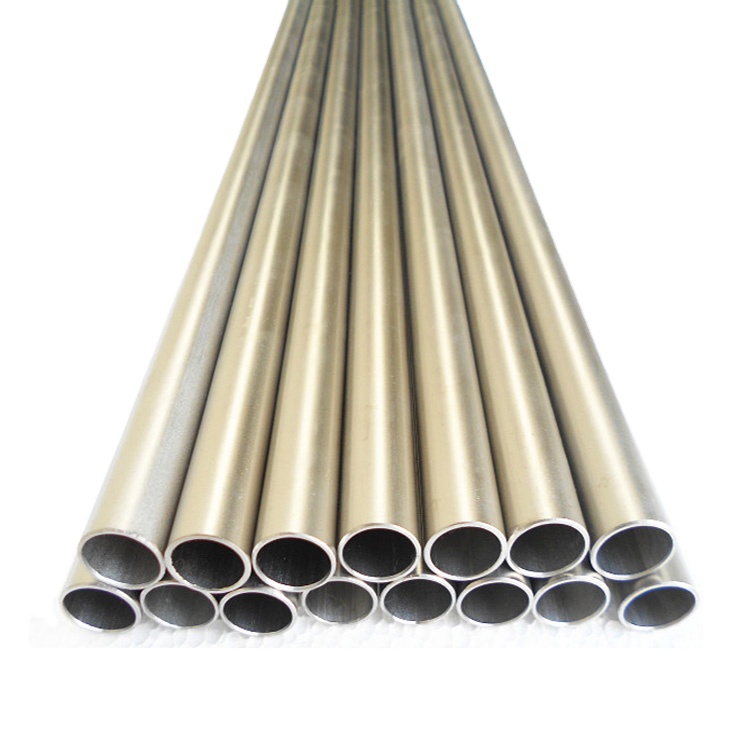
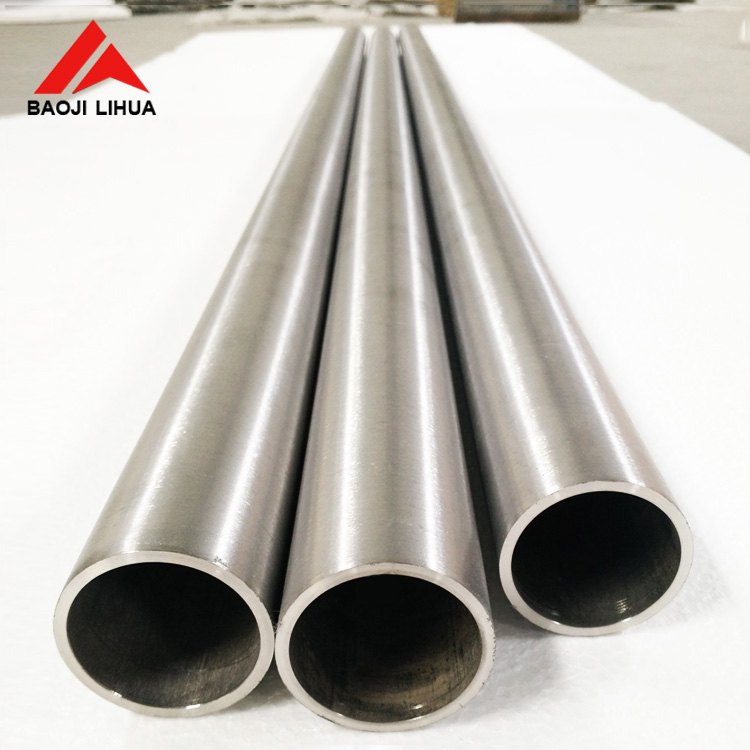
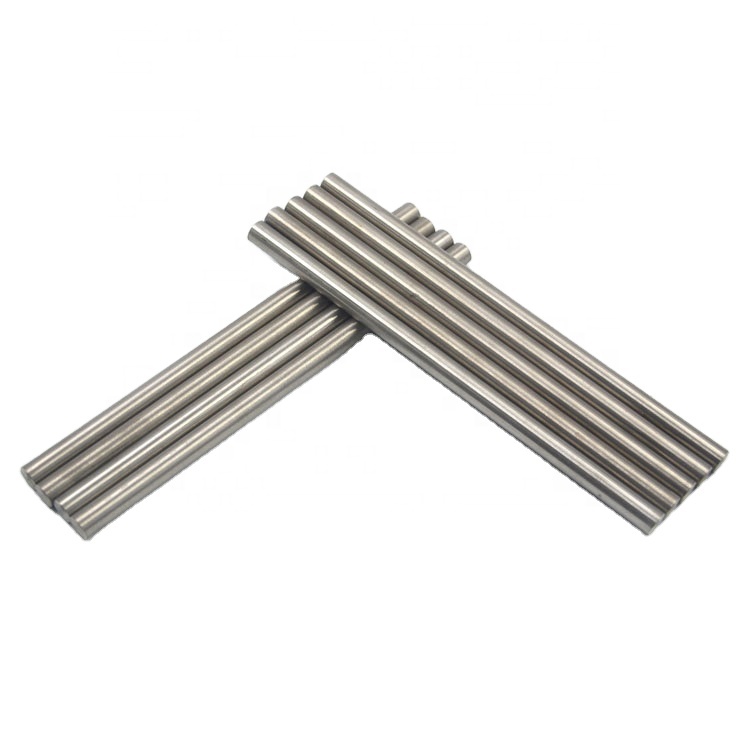
Metallurgical Superiority: Why Seamless Titanium Concentric Reducers Dominate Coastal Fluid Dynamics
In modern marine, petrochemical, and municipal infrastructure, fluid velocity transitions present substantial vulnerabilities. When piping systems transition between different nominal diameters, fluid acceleration induces intense shear stress, turbulent micro-vortices, and boundary layer separation. In standard high-salinity seawater or aggressive chloride-rich environments—typical across the Caribbean archipelago—conventional welded reducers or copper-nickel (Cu-Ni 90/10, 70/30) and 316L stainless steel alloys succumb rapidly to erosion-corrosion, pitting, and weld seam stress corrosion cracking (SCC).
Titanium seamless concentric reducers manufactured according to ASTM B363 and dimensional standard ASME B16.9 represent the pinnacle of fluid handling engineering. By employing a cold-extrusion and hot-forming mandrel process directly from seamless titanium tubing (per ASTM B338/B861), the fitting maintains continuous circumferential grain structure. Without the longitudinal or spiral heat-affected zones (HAZ) inherent to welded reducers, seamless titanium reducers eliminate metallurgical anomalies, galvanic potential differences between parent and weld metal, and micro-porosities where crevice attack can germinate.
The Passive Oxide Film Phenomenon: Titanium Dioxide (TiO₂)
The immunity of commercially pure Grade 2 (UNS R50400) and Palladium-stabilized Grade 7 (UNS R52400) titanium to seawater attack stems from the spontaneous, instantaneous formation of an adherent, chemically stable titanium dioxide (TiO₂) rutile/anatase passivity layer. Even under turbulent seawater velocities exceeding 30 meters per second—which instantly strips the protective cuprous oxide film from copper alloys—titanium remains entirely impervious to cavitation wear and impingement corrosion.
| Material Specification | Yield Strength (MPa) | Critical Pitting Temp (CPT) | Max Flow Velocity in Seawater | Stress Corrosion Cracking (Chlorides) | Target Lifespan (Coastal Seawater) |
|---|---|---|---|---|---|
| Titanium Gr. 2 (ASTM B363 WPT2) | ≥ 275 | > 85°C | > 35 m/s (Practically Immune) | Immune up to 120°C | 50+ Years |
| Titanium Gr. 7 (Ti-0.15Pd WPT7) | ≥ 275 | > 250°C | > 35 m/s (Extreme Brine/Acid) | Immune under extreme low pH | 60+ Years |
| Duplex 2205 (UNS S32205) | ≥ 450 | ~35°C | ~15 m/s | Susceptible > 60°C | 12–18 Years |
| Super Austenitic 316L (UNS S31603) | ≥ 220 | ~15°C | ~3 m/s | High Risk (Severe Crevice Pitting) | 3–7 Years |
| Cu-Ni 70/30 (UNS C71500) | ≥ 125 | N/A | ~3.5 m/s (Erosion-Prone) | Moderate (Dealloying / Denickelification) | 8–12 Years |
When fluid traverses a concentric reducer, the central axis of fluid motion remains aligned with the pipeline's centerline. Unlike eccentric reducers—which are preferred in horizontal suction lines to avert vapor accumulation—concentric reducers are vital in vertical liquid headers, pump discharge manifolds, compressor lines, and high-pressure chemical dosing circuits where symmetric velocity profile distribution is essential to protect downstream turbines, sensors, and valve trim from asymmetric hydrodynamic loading.
High-Performance Applications Across Basseterre & The Federation
How titanium seamless concentric reducers resolve critical operational bottlenecks across Basseterre's maritime, utility, energy, and luxury nautical sectors.
Reverse Osmosis (SWRO) Desalination
Basseterre and surrounding coastal developments rely heavily on Seawater Reverse Osmosis (SWRO) plants for potable water security. High-pressure pumps generate feed pressures between 55 and 82 bar. Concentric reducers connecting high-pressure positive displacement feed manifolds to membrane pressure vessels encounter concentrated reject brine (TDS exceeding 65,000 ppm). Jovzi's ASTM B363 Gr2 seamless reducers eliminate the risk of crevice pitting in high-pressure reducers where weld-induced intergranular micro-fissures frequently trigger catastrophic brine leaks.
Superyacht Marine Engineering at Port Zante
Port Zante and Christophe Harbour accommodate high-tonnage cruise vessels, mega-yachts, and performance catamarans requiring drydock and marine refit support in Basseterre. Seawater scrubbers, wet exhaust bypasses, and keel cooling circuits operate under intense thermal cycling and sulfuric condensation. Grade 2 and Grade 7 seamless concentric reducers deliver profound vibration tolerance, weight reduction up to 45% compared to bronze or stainless steel, and zero failure rates against wet sulfurous marine emissions.
Needsmust Power Plant Seawater Cooling
Heavy fuel and diesel generator installations at the Needsmust industrial corridor depend on high-volume open-loop coastal seawater cooling. The concentric reducers transitioning primary seawater intake conduits to plate-and-frame heat exchangers undergo severe biofouling, chlorination shock treatments, and continuous micro-sand erosion. Seamless titanium reducers withstand high concentrations of sodium hypochlorite without loss of passivity or micro-pitting.
Nevis Geothermal Exploration Infrastructure
As Saint Kitts and Nevis pioneers Eastern Caribbean geothermal development across the Nevis geothermal fields, production wellheads encounter superheated geothermal brine laden with dissolved silica, hydrogen sulfide (H₂S), and subterranean chlorides. Titanium Grade 7 (Ti-0.15Pd) seamless concentric reducers provide unmatched resistance to severe reducing acids, high temperatures (>200°C), and sour gas cracking where austenitic stainless steels fail within weeks.
Artisanal Rum Distilleries & Beverage Processing
The Federation's historical cane spirits and boutique rum distillation facilities demand sterile, unreactive processing lines. During evaporation, wash pre-heating, and condenser column diameter reductions, hot acidic vapor fractions strip copper and impart metallic taints to high-ester distillates. Grade 2 titanium seamless reducers are biologically non-toxic, impervious to boiling organic and acetic acids, and deliver pristine sanitary conditions meeting FDA and European pharma hygiene standards.
Macro Trends Driving Titanium Adoption Across Basseterre & CARICOM
Historically, engineering procurement across the Eastern Caribbean favored 316L stainless steel, bronze, and lined carbon steels due to low initial acquisition costs. However, operational data gathered over the last two decades by civil water authorities, resort engineering departments, and private maritime operators in Basseterre reveals an unsustainable total cost of ownership (TCO) driven by short replacement cycles (3 to 6 years), emergency plant shutdowns, and costly freight logistics for recurring replacement parts.
1. The Decarbonization and Net-Zero Transition: The Federation of Saint Kitts and Nevis has committed to becoming one of the first sustainable island states in the Western Hemisphere. Transitioning to corrosion-proof titanium pipe systems directly prevents toxic copper leaching into pristine coral reef marine sanctuaries. Furthermore, the hydraulic smoothness of seamless titanium reducers—characterized by an absolute roughness coefficient of ε ≈ 0.0015 mm—substantially minimizes boundary head losses, reducing pump electrical energy expenditure across continuous-duty desalination plants by up to 4.8% annually.
2. Climate Resilience and Hardened Maritime Architecture: Extreme Atlantic hurricane seasons expose coastal industrial ports and dock facilities to intense atmospheric salt-spray deposition and intermittent surge immersion. Conventional painted or galvanized piping networks suffer rapid exterior oxidation under Caribbean ultraviolet radiation and high ambient temperatures. Titanium alloy piping systems maintain 100% exterior structural integrity with zero requirement for protective epoxies, zinc primers, or maintenance repainting over a 50-year operational lifecycle.
Why Jovzi Titanium Industry Is the Strategic Partner for Basseterre
Combining Baoji’s world-class metallurgy with global project logistics, strict ISO 9001 governance, and uncompromising quality assurance.
Epicenter of Titanium Valley
Established in 2006 in Baoji, Shaanxi, China. We tap into the world’s most concentrated titanium sponge-to-mill ecosystem, guaranteeing premium raw materials and rapid forging throughput.
EN 10204 3.1 & BaoTi Testing
Every seamless reducer shipment carries complete heat number traceability, positive material identification (PMI), chemical analysis, and third-party mechanical verification from the authorized BaoTi Test Center.
Advanced CNC & Cold Mandrel
Equipped with 4 senior and 5 intermediate metallurgical engineers. We produce seamless concentric reducers with precise bevel ends (ASME B16.25) ready for robotic or orbital TIG field welding.
8-Hour Engineering Turnaround
Our dedicated international trade team guarantees technical reviews, quotation generation, and dimensional drawing validations within 8 hours, supporting Caribbean procurement deadlines seamlessly.
Frequently Asked Questions: Sourcing Titanium Reducers in Basseterre
Direct technical answers addressing standards, Caribbean shipping logistics, marine welding, and galvanic isolation.
What standards and dimensions govern seamless titanium concentric reducers delivered to Saint Kitts?
How does Jovzi Titanium handle shipping, customs clearance, and delivery to Port Zante or Basseterre Deep Water Port?
Can titanium concentric reducers be welded directly to existing stainless steel or copper-nickel piping in Basseterre?
What shielding gas and procedures are essential when field-welding titanium pipe reducers in tropical coastal climates?
How does Grade 2 titanium compare to Grade 7 for high-salinity geothermal or chemical injection manifolds?
What non-destructive testing (NDT) and inspection protocols are executed before export?
Ready to Hardened Your Basseterre Fluid Systems with Titanium?
Whether configuring high-pressure SWRO desalination trains, luxury yacht exhaust modifications, or geothermal power plants in Saint Kitts & Nevis, Jovzi Titanium Industry delivers metallurgical excellence, documented traceability, and factory-direct pricing.