Engineered Refractory & Advanced Titanium Mill Portfolio
Fabricated under rigorous ISO 9001:2015 management in China's Titanium Valley, supporting Madrid industrial engineering teams with end-to-end metallurgical traceability, complete chemical certification, and bespoke CNC machining.
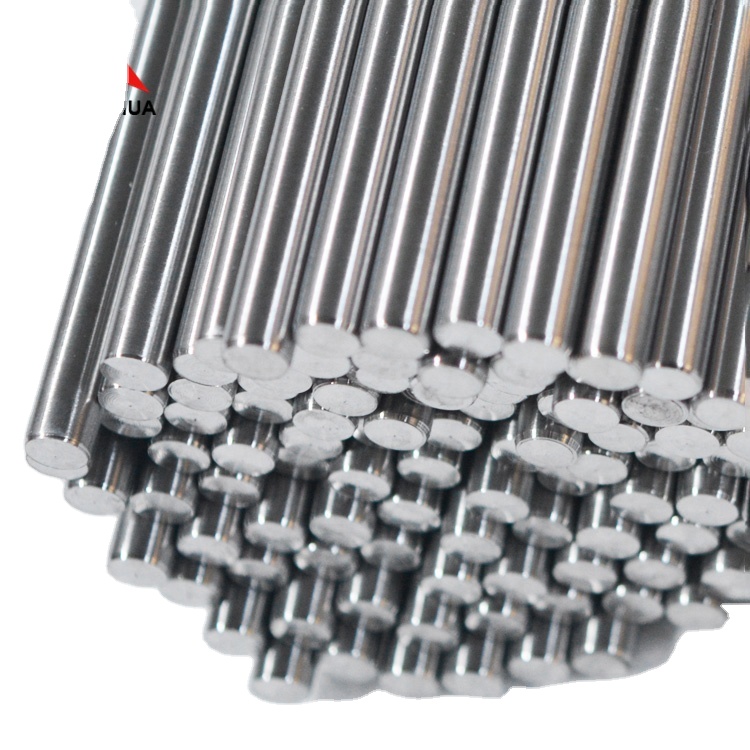
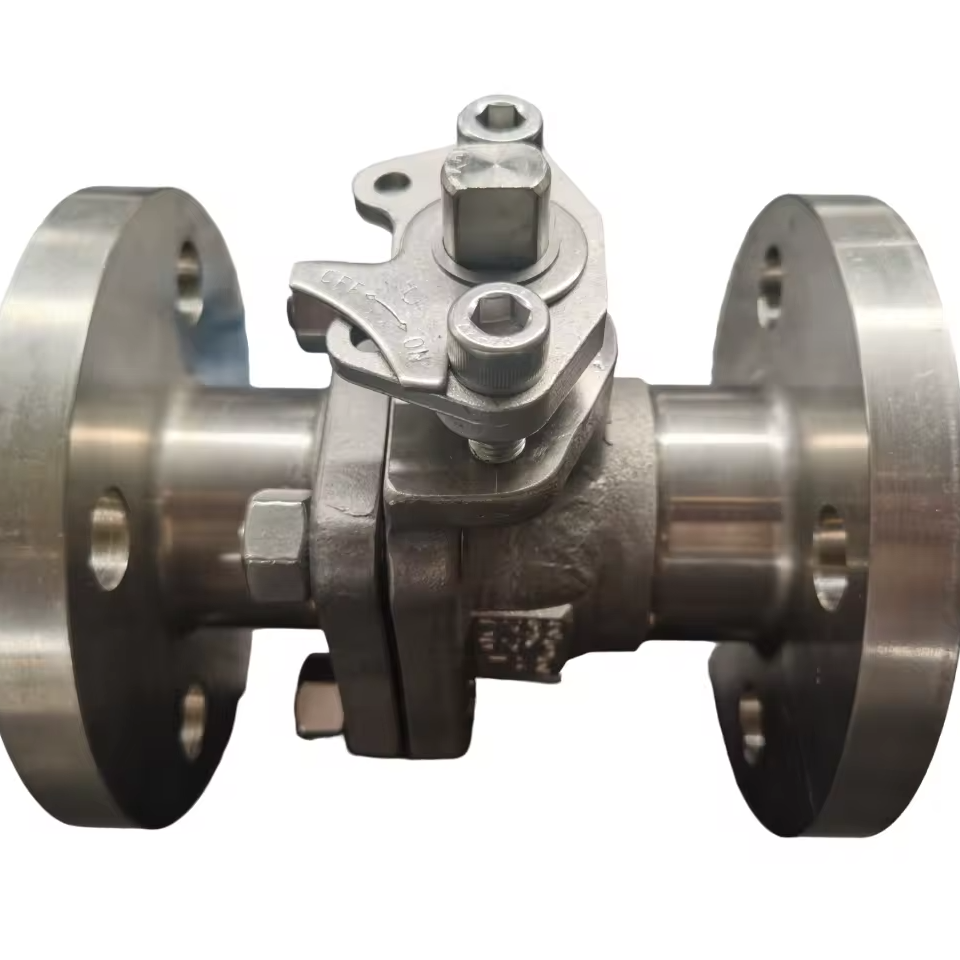
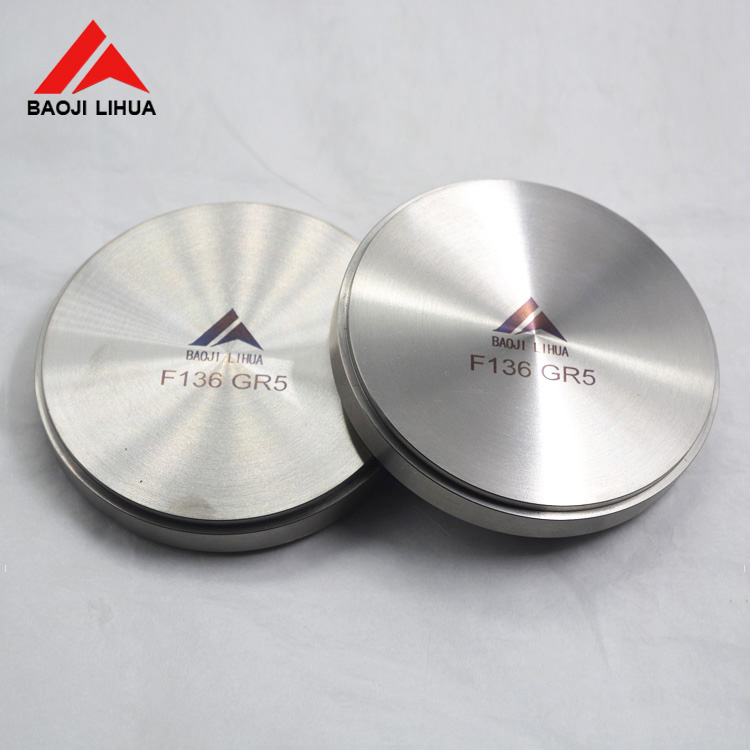
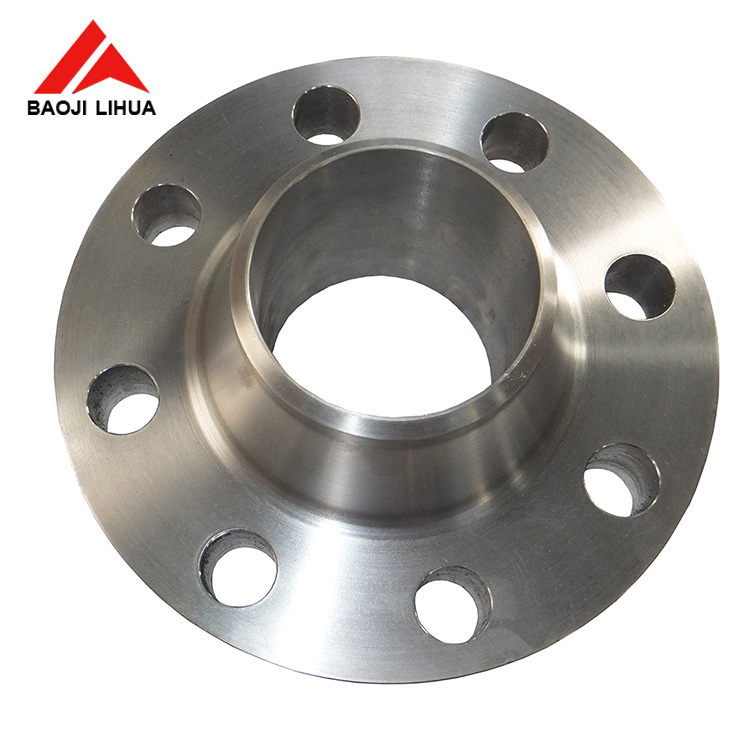
Metallurgical Foundations of Tantalum (Ta) Rods & Precision OEM Fabrication
Tantalum (elemental symbol Ta, atomic number 73) stands alongside tungsten, molybdenum, niobium, and rhenium in the refractory metal triad. Operating far beyond the thermal and corrosive thresholds of duplex stainless steels, nickel-based superalloys (Hastelloy, Inconel), and titanium alloys, tantalum remains indispensable for mission-critical assemblies in the Iberian industrial corridor.
UNS R05200: Electron-Beam Cast
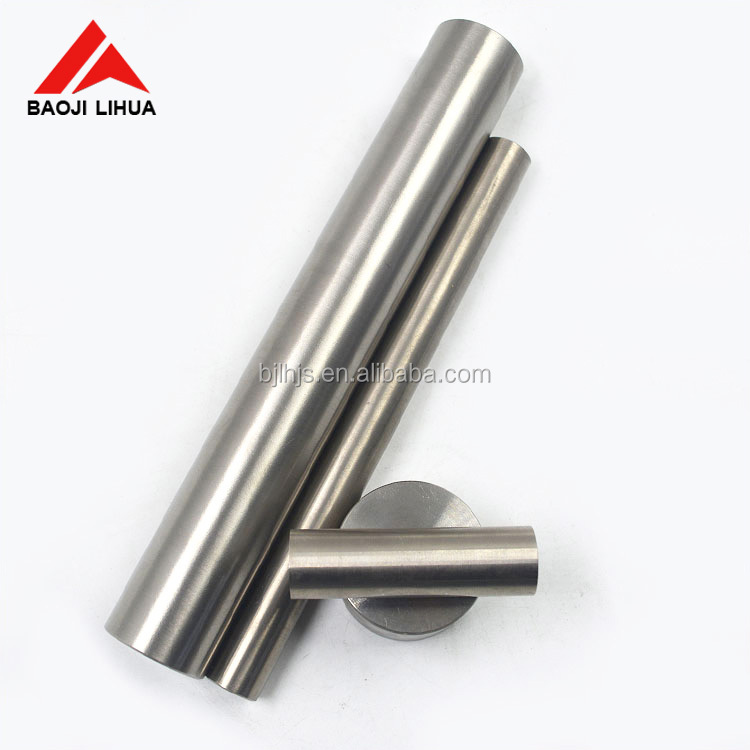
Electron-beam melted (EB) tantalum rod delivers peak ductility and crystalline purity. Boasting interstitial gas concentrations (O, N, H, C) strictly curtailed below 150 ppm, R05200 rods are optimal for cold spinning, deep drawing, and micromachining into medical fasteners, cranial screws, and corrosive fluid needle valves.
UNS R05400: Sintered Powder Metallurgy
Compacted via cold isostatic pressing (CIP) and consolidated through high-vacuum sintering, powder metallurgy (PM) tantalum bars achieve fine-grained, uniform equiaxed microstructures. Widely deployed in Madrid semiconductor sputtering targets, capacitor leads, and high-temperature thermal vacuum furnace resistance pins.
UNS R05255: Ta-10W Superalloy
Alloyed with 9.0%–11.0% tungsten, Ta-10W elevates the tensile and shear performance of pure tantalum by over 200% at temperatures exceeding 1,200 °C. This refractory alloy is specified for Madrid aerospace propulsion nozzles, rocket control reaction thrusters, and intense chemical chlorination thermowells.
| Alloy Grade | UNS Standard | Consolidation Method | Tensile Strength (MPa) | Yield Strength (MPa) | Elongation (%) | Primary Industrial Role |
|---|---|---|---|---|---|---|
| Pure Tantalum (EB) | UNS R05200 | Electron Beam Vacuum Arc | ≥ 205 (Annealed) | ≥ 140 | ≥ 30 | Biomedical Implants, Acid Instrumentation |
| Pure Tantalum (PM) | UNS R05400 | Cold Isostatic Powder Sinter | ≥ 205 (Annealed) | ≥ 140 | ≥ 25 | Furnace Fixtures, Sputtering Backing |
| Ta-2.5W Alloy | UNS R05252 | Vacuum Arc Remelted | ≥ 310 (Annealed) | ≥ 240 | ≥ 25 | Chemical Reactor Coils, Heat Exchangers |
| Ta-10W Alloy | UNS R05255 | Electron Beam / Arc Melt | ≥ 480 (Annealed) | ≥ 380 | ≥ 15 | Aerospace Nozzles, Hypersonic Shields |
| Ta-40Nb Alloy | Custom OEM | Multiple Vacuum Ingot Melts | ≥ 380 (Annealed) | ≥ 260 | ≥ 20 | Cost-Optimized Petrochemical Processing |
*Mechanical properties verified under ASTM B365 and ASTM E8 standards at 20 °C ambient baseline. Values are custom-tailored per Madrid client work order via cold swaging or controlled vacuum annealing.
Bespoke Tantalum & Refractory Bar Applications Across Greater Madrid
The Community of Madrid (Comunidad de Madrid) commands Spain’s highest density of aerospace research, biotechnology innovation, advanced chemical engineering, and nuclear energy physics. Our custom OEM tantalum rods and titanium materials bridge the critical supply chain between Tier-1 engineering centers and refractory metal mill precision.
Aerospace & Defense Hubs (Getafe • Barajas)
Madrid’s Southern Industrial Ring (Getafe, Leganés) hosts major aerospace manufacturing nodes. Tantalum rods serve as alloying additions in single-crystal nickel turbine blades (e.g., CMSX-4 containing ~6% Ta) and as machined gas dynamic thruster pins capable of enduring combustion gases beyond 2,000 °C without creep deformation.
Biomedical Corridors (Tres Cantos • Alcobendas)
Tantalum possesses immediate bio-inertness, spontaneous self-passivation (Ta2O5), and exceptional osseointegration properties superior to titanium in bone-contact applications. Madrid orthopedic device fabricators utilize our medical-grade ASTM F560 tantalum rods for spinal fusion cages, bone screws, and porous implant structural anchors.
Chemical & Pharmaceutical Process Plants
In chemical industrial belts around Alcalá de Henares and San Fernando de Henares, continuous manufacturing lines face severe corrosive assaults from hot hydrochloric (HCl), concentrated nitric (HNO3), and boiling sulfuric (H2SO4) acids. Machined tantalum rods are integrated into rupture disk plungers, thermowells, and valve stems where zero contamination is mandatory.
Nuclear Physics & Fusion Research (CIEMAT)
Academic and applied research entities in Madrid, including CIEMAT (Centro de Investigaciones Energéticas, Medioambientales y Tecnológicas), require high-purity refractory rods with certified isotope consistency and low hydrogen absorption for plasma-facing components, spallation targets, and high-energy physics beam shutters.
Navigating the European Critical Raw Materials Transition
Procuring refractory and reactive metals across the European Union has entered an era of profound regulatory and strategic shifts. With the ratification of the EU Critical Raw Materials Act (CRMA), procurement directors in Madrid are under statutory mandates to de-risk single-source dependencies, ensure ESG transparency, and demand rigorous material pedigree.
- REACH & RoHS Compliance: Verified non-hazardous, lead-free processing with complete SVHC certification dossiers.
- Conflict-Free Sourcing (RMI): Full traceability back to RMAP-conformant smelters adhering strictly to OECD guidelines.
- EN 10204 3.1 Traceability: Heat-specific chemical analysis, tensile testing, and ultrasonic validation on every consignment.
- Near-Zero Oxidation Tooling: Cold-forged and precision-swaged stock preserving surface hardness without hydrogen embrittlement.
By coupling deep raw material resources in Baoji with proactive European supply compliance, we offer Madrid procurement managers the speed of factory-direct supply along with the compliance confidence needed for audited aerospace, medical, and defense contracts.
Madrid Supply Chain Snapshot
Direct export metrics engineered specifically to optimize lead times, duty handling (DDP Madrid Barajas), and small-batch prototyping.
Baoji Metallurgical Heritage Backed by Advanced CNC Machining
Operating from Baoji, Shaanxi Province — widely recognized as the epicenter of China's Titanium Valley — Jovzi Titanium Industry Co., Ltd. integrates raw refractory ingot remelting, rotary swaging, centerless precision grinding, and 5-axis CNC OEM machining into one single quality-controlled manufacturing hub.
Accredited Testing & Inspection
Every tantalum rod, titanium billet, or custom flange is verified via third-party metallurgical analysis by the nationally authorized BaoTi Test Center. Our inspection includes GDMS/ICP-OES chemical purity assays, LECO interstitial gas analysis (O, N, H), tensile testing, and 100% immersion ultrasonic flaw detection.
Senior Engineering Staff
Founded in 2006, our factory engineering leadership features 4 senior metallurgists and 5 intermediate mechanical engineers specializing in refractory metal cold-working dynamics, stress-relief vacuum heat treatment, and precision CNC threading. We translate complex STEP/DWG drawings into finished OEM components.
Global Export Expertise
With an 81%–90% export output serving Tier-1 clients throughout Western Europe and North America, our logistics unit processes export licenses, EUR-denominated settlement, protective vacuum-sealed packaging, and heavy-duty wooden crating preventing transit-induced galling or mechanical scratching.
Madrid Engineering & Sourcing FAQ
Straightforward answers addressing technical specifications, logistics, regulatory documentation, and custom fabrication questions frequently asked by Spanish procurement managers.
What is the standard tolerance and surface finish for tantalum rods?
Our standard ASTM B365 tantalum rods are supplied centerless-ground to h8 or h9 tolerance with a surface finish of Ra ≤ 0.8 μm (32 μin). For precision applications such as medical implants or instrument pins, we execute precision diamond polishing down to h7 tolerance with Ra ≤ 0.2 μm.
Can you provide EN 10204 3.1 Mill Test Certificates with each Madrid delivery?
Yes. Every batch leaves our facility accompanied by an authentic EN 10204 3.1 inspection certificate stating exact heat number, actual chemical breakdown (including trace metallic and gaseous interstitials C, O, N, H), tensile and yield metrics, and hardness values. Independent BaoTi reports are supplied on request.
What are the minimum order quantities (MOQs) for custom tantalum diameters?
For standard stocked diameters (Ø 3.0mm, Ø 6.35mm, Ø 10mm, Ø 12.7mm, Ø 25mm), our minimum order quantity starts from just 1 kg, making trial testing straightforward for Madrid R&D centers. Custom non-standard sizes or Ta-10W alloys require an MOQ of 2 kg to 5 kg depending on reduction ratios.
How does Jovzi navigate customs and shipping to Madrid industrial locations?
We routinely ship to Madrid-Barajas (MAD) Airport via express courier (DHL, FedEx, UPS) and scheduled air cargo, with door-to-door transit completed within 4 to 7 business days. We provide commercial invoices, packing lists with Spanish HS codes (e.g., 8103.20 for tantalum rods), and certificates of origin for customs clearance.
How does tantalum compare to titanium (Gr2/Gr5) in concentrated acids?
While Grade 2 and Grade 7 titanium show exceptional stability in oxidizing media and wet chlorine, they degrade rapidly in reducing acids such as hydrochloric acid (HCl) above 5% concentration. Tantalum forms an inert, glass-like Ta2O5 surface film impervious to hot HCl, aqua regia, and concentrated H2SO4 up to 180 °C.
Can you provide complex CNC machining services according to engineering drawings?
Yes. Our machine shop operates multi-axis CNC lathe centers, wire EDM, and thread-rolling equipment. Due to tantalum's high work-hardening rate, we employ specialized tooling geometries, slow cutting speeds, and chlorinated lubricants to machine precision threads, thin-walled sleeves, thermowells, and custom fasteners without micro-cracking.