Engineered Titanium Components & Clad Material Solutions
Certified mill supplies engineered for high-pressure autoclaves, caustic chemical reactors, and harsh industrial environments in Villa Nueva and greater Guatemala.
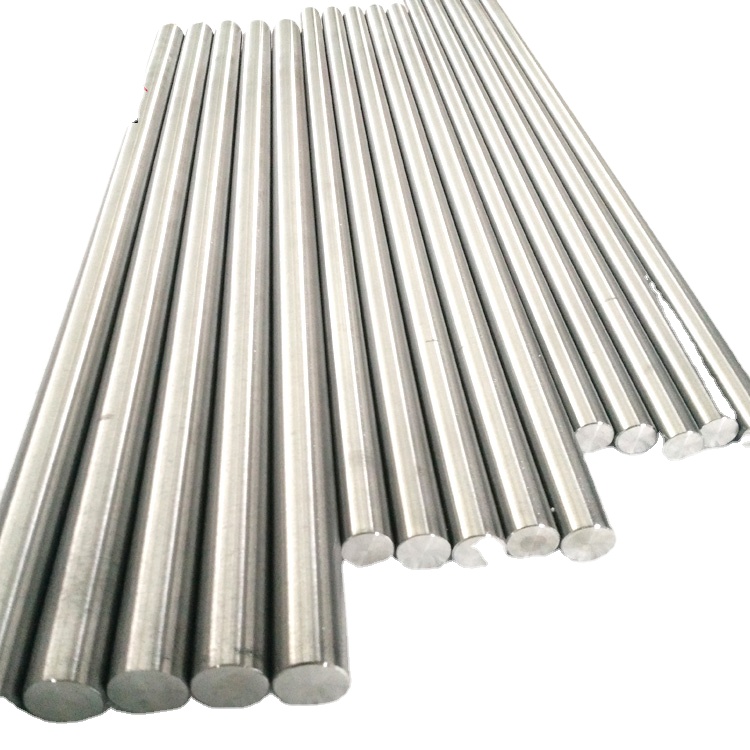
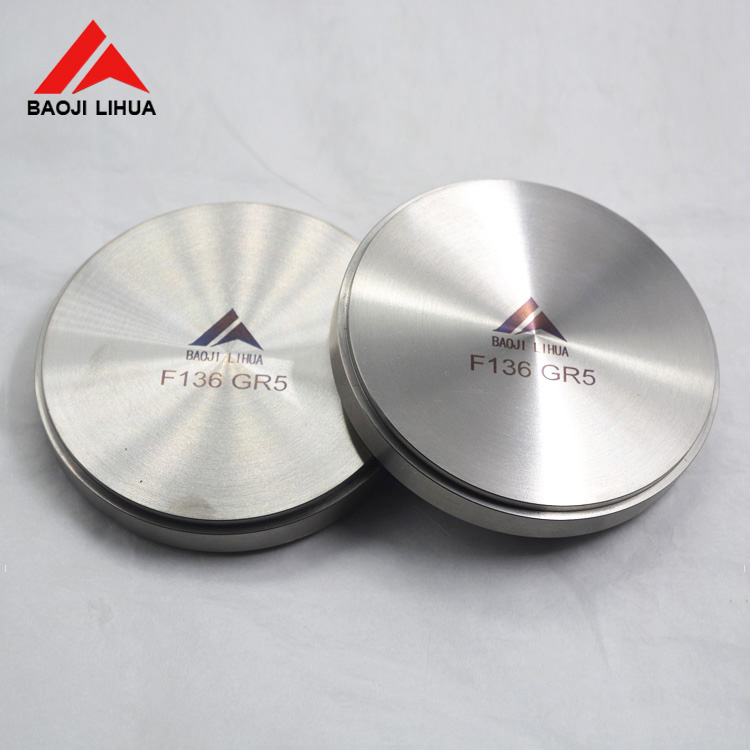
Hot Selling Medical Grade Titanium Block Gr5 Eli Gr23 Titanium Disc for Dental Implant
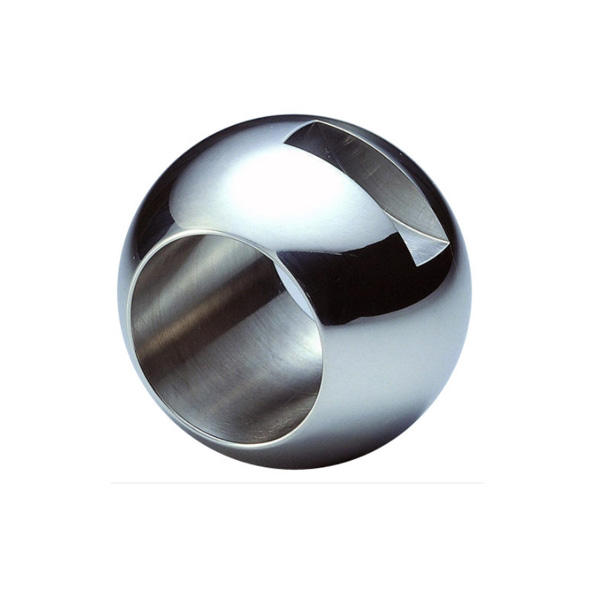
Titanium Ball Core Various Connection Methods Ball Valve Accessories High Pressure Ball Valve American Standard Valve Core
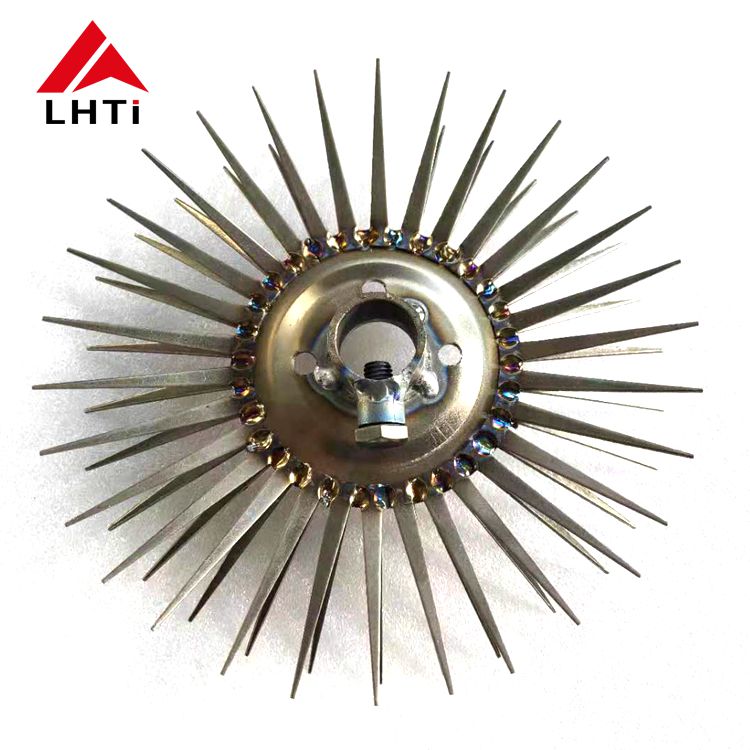
Gr2 Titanium 30 Split Fingers Disk Rack Dia220mm Thick1.5mm for Anodizing
Executive Metallurgical Overview: Titanium Clad Steel Plate Technology
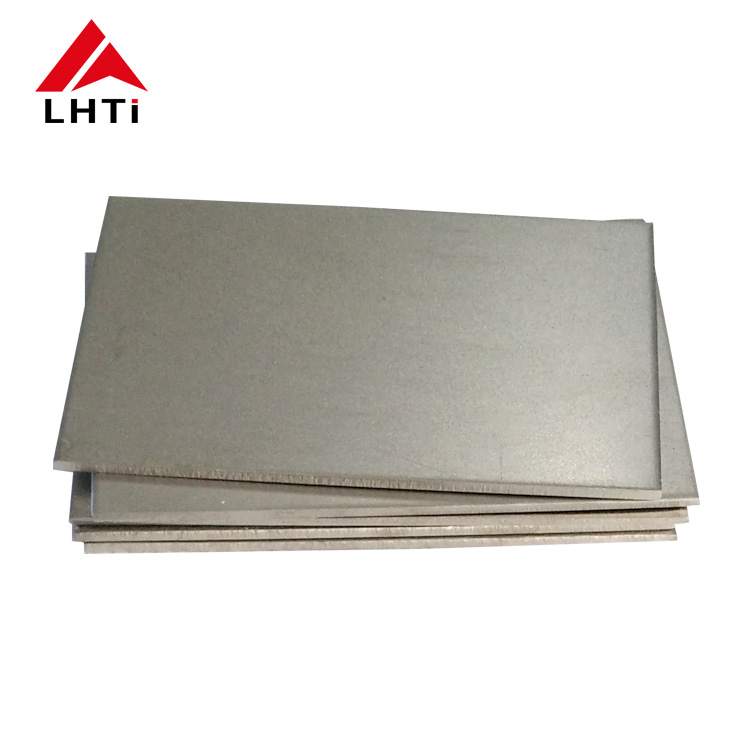
In modern chemical engineering, hydrometallurgy, and aggressive food-grade thermal processing, solid titanium construction offers unmatched resistance against wet chlorine, chlorides, organic acids, and oxidizing media. However, specifying heavy-wall solid titanium for thick pressure vessels (exceeding 16 mm wall thickness) quickly becomes economically prohibitive. Titanium clad steel plates solve this fundamental engineering paradox by metallurgically joining a thin, corrosion-resistant cladding layer—typically ASTM B265 Grade 1 or Grade 2 titanium (1.5 mm to 12 mm)—to a structural backing plate such as ASME SA516 Gr 70, SA515, or austenitic stainless steel (SS304L, SS316L).
The interface between titanium and carbon steel cannot be achieved through standard fusion melting techniques due to the direct formation of brittle intermetallic phases (such as TiC, FeTi, and Fe2Ti) that severely deteriorate ductility and shear strength. As an established OEM/ODM factory operating in China's Titanium Valley (Baoji), Jovzi Titanium employs dynamic explosive cladding (per ASTM B898) and vacuum roll bonding processes. This dynamic detonation wave creates a solid-state jet cleaning mechanism and wavy metallurgical interlocking bond line, yielding shear strengths well above the standard 140 MPa minimum threshold specified by ASME Code Case 2348 and ASTM B898 Class A/B requirements.
Dynamic Explosive Bonding
Utilizes ultra-controlled detonation velocity to create a high-pressure interfacial collision. The solid-state interface forms microscopic wave patterns with minimal intermetallic formation, ensuring maximum shear adhesion.
Interlayer Vacuum Rolling
For large-batch uniform thin plate specifications, vacuum hot rolling incorporates ductile refractory interlayers (e.g., pure nickel, tantalum, or copper foil) to arrest carbon diffusion and prevent brittle phase transformation.
Post-Bond Heat Treatment (PBHT)
Subjected to precisely monitored vacuum stress-relieving cycles between 520°C and 580°C to relieve mechanical shock hardening while protecting the titanium surface from embrittling oxygen, hydrogen, and nitrogen pick-up.
Localized Industrial Applications Across the Villa Nueva Corridor
How the municipality of Villa Nueva—the epicenter of manufacturing and logistics along Guatemala’s CA-9 Highway—benefits from cost-optimized clad metallurgy.
Villa Nueva, situated in the southern sector of the Guatemala Department metropolitan area, has rapidly solidified its role as the country’s industrial core. Encompassing expansive manufacturing parks, packaging plants, textile mills, agro-industrial chemical synthesis units, and commercial logistics platforms connecting Guatemala City with Puerto Quetzal on the Pacific Coast, Villa Nueva demands heavy equipment that withstands tropical environmental stress and aggressive processing chemistry.
Key industrial sectors across Villa Nueva and neighboring Escuintla, Amatitlán, and San Miguel Petapa are upgrading their processing assets to meet international safety and environmental benchmarks:
Sugar & Citric Acid Refining
Clad plates resist chloride pitting and organic acid attacks inside juice evaporation pans, sulfitation towers, and alcohol distillation columns operating at high temperatures.
Geothermal Power Vessels
Central American volcanic geothermal steam from neighboring Pacaya and Amatitlán fields contains acidic H2S and brine, which destroys common alloys but leaves titanium unharmed.
Agrochem & Fertilizer Units
Fertilizer compounding and pesticide reactors running ammonium sulfate or chloride salts rely on titanium-clad reaction vessels for high safety factor containment without catastrophic leaks.
Industrial Effluent Treatment
Zero liquid discharge (ZLD) plants and high-salinity evaporator crystallizers in manufacturing zones require long-term corrosion immunity against concentrated wastewater.
Clad Material Specifications vs. Alternative Alloys
Comprehensive engineering matrix evaluating mechanical properties, corrosion performance, and total cost of ownership for procurement teams.
| Material System | Composition / Standard | Yield Strength (MPa) | Corrosion Rate (Wet Cl2 / Chlorides) | Relative Cost Index | Typical Service Life (Autoclave) |
|---|---|---|---|---|---|
| Titanium Clad Steel (Jovzi) | ASTM B898 / Gr2 + SA516 Gr70 | ≥ 260 (Backing Dominated) | < 0.005 mm/year | 1.00 (Benchmark) | 25+ Years |
| Solid Commercial Titanium | ASTM B265 Grade 2 Solid | ≥ 275 | < 0.005 mm/year | 2.85 × | 25+ Years |
| Nickel-Base Alloy C-276 | UNS N10276 / Solid Plate | ≥ 355 | 0.02 - 0.08 mm/year | 2.40 × | 12 - 18 Years |
| Austenitic Stainless Steel | AISI 316L / EN 1.4404 | ≥ 220 | Susceptible to SCC Pitting (>1.5 mm/yr) | 0.55 × | 2 - 5 Years (Failure prone) |
| Duplex Stainless Steel | UNS S32205 / 2205 Duplex | ≥ 450 | Moderate (Crevice risk >60°C) | 0.85 × | 5 - 8 Years |
Direct Sourcing from Baoji's Titanium Valley with Proven Traceability
Operating since 2006 in Baoji, China—the epicenter producing over 70% of China’s high-grade titanium mill products—Jovzi Titanium Industry Co., Ltd. bridges primary titanium metallurgy with heavy industrial plate fabrication. Our senior engineering staff supervises every explosive clad shot, rolling pass, and ultrasonic verification cycle.
- EN 10204 3.1 & BaoTi Test Reports: Full mill chemistry, tensile yield, bend testing, and shear strength certificates with heat-number tracking.
- Custom OEM/ODM Dimensions: Cladding thicknesses from 1.5mm to 12mm; backing plates up to 100mm; custom widths up to 3,200mm.
- Full Clad Weld Edge Preparation: Silver brazed or batten-strap bevel machining ready for immediate ASME IX qualification welding.
- Direct Export to Puerto Quetzal: Seaworthy moisture-proof packaging, steel strapped with timber skids optimized for maritime container shipping.
Frequently Asked Questions for Central American Importers
Essential technical and logistical answers for plant managers, mechanical engineers, and import compliance officers in Villa Nueva, Guatemala.
Q1: How do you prevent iron-titanium contamination when welding clad plates?
We supply plates with precision step-machined bevels. The carbon steel backing is welded first from the outside using matching ferritic consumables. Before applying the titanium layer, the root pass is back-chipped, inspected, and capped using a pure titanium batten strip or high-purity silver/copper diffusion barrier to completely prevent brittle intermetallic cracking.
Q2: What international codes govern your titanium clad steel plates?
Our production strictly complies with ASTM B898 (Standard Specification for Reactive and Refractory Metal-Clad Plate), ASME SB-898, and ASME Section VIII Division 1 Boiler and Pressure Vessel Code requirements. Ultrasonic inspection follows ASTM A578/A578M specifications.
Q3: Can titanium clad plates withstand high-vacuum operating conditions?
Yes. Because explosive cladding generates a true atomic-level metallurgical bond with shear bond strengths frequently surpassing 180 MPa (far above the standard 140 MPa minimum), our plates do not delaminate, blister, or collapse under severe full vacuum operating conditions at elevated temperatures.
Q4: What is the transit lead time from Baoji to Villa Nueva via Puerto Quetzal?
Production cycles generally require 20 to 35 business days depending on plate dimensions and ultrasonic testing protocols. Ocean freight from Shanghai or Qingdao to Puerto Quetzal, Guatemala typically takes 24 to 30 days. Inland bonded trucking from Puerto Quetzal along the CA-9 corridor to Villa Nueva takes less than 48 hours after customs release.
Q5: What backing plate grades can be clad with titanium?
We regularly bond commercial titanium (Gr1, Gr2, Gr7) to various substrates, including carbon steels (ASME SA516 Gr 60/65/70, Q245R, Q345R), low-alloy steels (SA387 Gr 11/22 for elevated temperatures), and stainless steel grades (304L, 316L, 2205 Duplex).
Q6: Do you supply dished heads or roll-formed cylinders for pressure vessels?
Yes. In addition to flat clad plates, Jovzi provides complete OEM/ODM pre-fabrication services, including hot and cold dished head pressing (ellipsoidal, torispherical per ASME VIII), edge beveling, and cylindrical shell roll-forming ready for final assembly.
Q7: How does titanium perform in sugar mill evaporator juice heaters?
Sugar juice contains organic acids, sulfur dioxide from bleaching, and abrasive bagasse particulates. While copper and stainless tubes foul or suffer stress corrosion cracking, Grade 2 titanium maintains a self-healing titanium dioxide (TiO2) passive layer that resists fouling and exhibits virtually zero erosion-corrosion.
Q8: What testing documentation is delivered with the consignment?
Every order is accompanied by an EN 10204 3.1 Inspection Certificate detailing chemical composition, mechanical shear test results, 180-degree bend test results (both clad side in tension and clad side in compression), and a 100% full-area Ultrasonic UT Map signed by Level II/III NDT technicians.
Request Certified Clad Plate Engineering Data & Quotations
Connect directly with Jovzi Titanium’s metallurgical engineering department. Send your pressure vessel design drawings, plate thickness breakdown (cladding + backing), and target ASTM/ASME standards for immediate factory pricing and technical support.