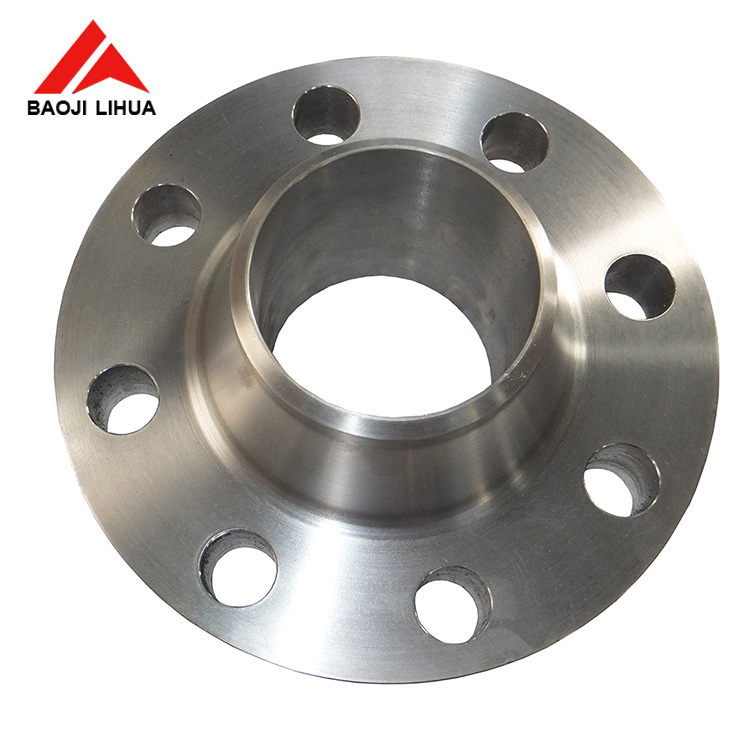
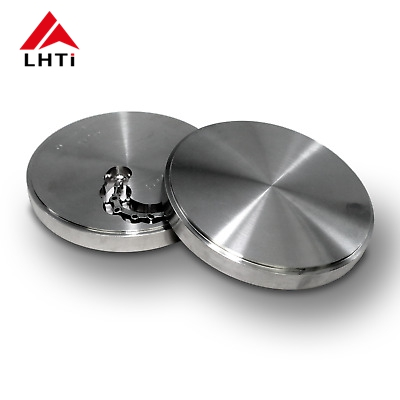
Titanium Blind Exhaust Flange 4" ANSI 150lbs Class Gr2
- Grade: Grade 2 CP Ti
- Standard: ANSI / ASME B16.5
- Rating: 150 lbs / 300 lbs
Explore our high-performance Gr1, Gr2, Gr5 (Ti-6Al-4V), and Gr5 ELI structural titanium components precision-machined for European industrial standards.
In high-stress mechanical engineering, Munich and the broader Upper Bavaria region hold a preeminent global position. Whether powering advanced aerospace turbo-compressor stages, cryogenic test equipment at Garching research clusters, or lightweight suspension geometry in specialized motorsport divisions, heavy engineering procurement requires exceptional dimensional stability, high strength-to-weight ratios, and total structural dependability. Seamless forged titanium rings (conforming to ASTM B381, ASTM B348, AMS 4928, and DIN 17869) form the core backbone of these demanding rotating and load-bearing assemblies.
Unlike conventional welded rings or parts CNC-milled directly from thick rolled plate, radial-axial seamless rolled rings undergo severe thermomechanical plastic deformation. At Jovzi Titanium, our forging process realigns the internal grain flow orientation tangentially along the circumference of the ring. This continuous metallurgical grain path delivers elevated circumferential tensile yield strength, superior high-cycle fatigue thresholds, and optimal fracture toughness. These attributes eliminate the inherent shear planes and anisotropic stress concentrations often encountered in heavy-gauge plate-cut components.
When heavy structural rings are flame or waterjet cut from static titanium plates, end-grain exposure is unavoidable along the primary tension vector, which significantly impairs dynamic impact toughness and increases crack propagation risks. Jovzi's hydraulic seamless ring rolling process maintains unbroken tangential microstructure, enabling Munich aerospace and hyper-machining clients to safely reduce safety-factor over-dimensioning and directly cut component weight by up to 22%.
For precision-tier buyers across Bavaria—spanning Munich, Augsburg, and Ingolstadt—dimensional accuracy must integrate seamlessly with automated robotic CNC finishing stations. Jovzi provides hot-forged and precision-machined titanium rings ranging from compact internal diameters of 50 mm up to expansive structural ring geometries of 1074 mm Outer Diameter (OD). Every forging cycle undergoes controlled vacuum annealing, thermal stabilization, and 100% immersion ultrasonic testing (UT per AMS 2631 Class A / EN 10228-4) to safeguard against internal micro-voids, high-density inclusions, and alpha-case phase deviations.
| Grade / Alloy | Standard Specs | Min. Tensile (Rm) | Min. Yield (Rp0.2) | Typical Industrial Applications in Munich |
|---|---|---|---|---|
| Grade 1 (CP4) | ASTM B381 / DIN 3.7025 | 240 MPa | 170 MPa | Chemical plating rings, cryostat gaskets, high-ductility seals |
| Grade 2 (CP3) | ASTM B381 / DIN 3.7035 | 345 MPa | 275 MPa | Biotech reactors, heat exchanger flanges, vacuum chambers |
| Grade 5 (Ti-6Al-4V) | ASTM B381 / AMS 4928 | 895 MPa | 828 MPa | Aviation rotating rings, hypercar wheel flanges, robotic joints |
| Grade 5 ELI | ASTM F136 / ISO 5832-3 | 860 MPa | 790 MPa | Surgical robotic housings, dental milling discs, prosthetic cores |
| Grade 7 (Ti-Pd) | ASTM B381 / DIN 3.7235 | 345 MPa | 275 MPa | High-chloride autoclaves, aggressive acidic pipeline rings |
| Grade 12 (Ti-Mo-Ni) | ASTM B381 / DIN 3.7105 | 483 MPa | 345 MPa | Elevated temperature petrochemical joints, marine rings |
Bavaria represents Europe's highest density of premium engineering, combining traditional mechanical craftsmanship with breakthrough quantum and aerospace innovation.
Ottobrunn serves as the cradle of European space exploration and aerospace propulsion. Jovzi supplies forged Grade 5 and Grade 5 ELI seamless structural rings utilized in turbopump flanges, satellite mounting containment rings, and lightweight engine exhaust cowlings requiring unyielding tensile strength under extreme vibratory and acoustic excitation.
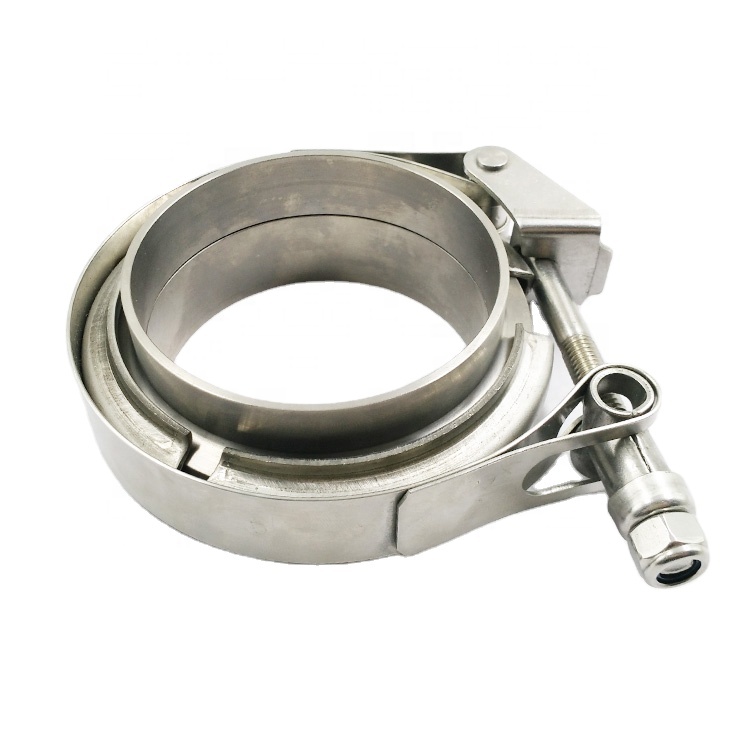
Munich is globally celebrated for cutting-edge automotive precision. Custom forged titanium rings and wheel-hub retention collars reduce unsprung mass in high-performance powertrain platforms. Combined with our Gr2 and Gr7 exhaust V-band assemblies, our components withstand corrosive 700°C combustion pulses without thermal degradation.
The biotechnology cluster in Martinsried and Grosshadern requires the highest biocomparable purity. Using our medical ASTM F136 Ti-6Al-4V ELI disks and forged rings, Bavarian biomedical facilities manufacture ultra-precise structural joints for surgical robotics, high-strength prosthetics, and long-term titanium orthopedics.
Academic and commercial quantum hardware teams at Garching require materials that retain extreme impact resistance at near absolute zero. Jovzi's Grade 2 and annealed Grade 5 forgings preserve lattice ductility without low-temperature embrittlement, making them ideal for dilution refrigerator vacuum flanges and containment rings.
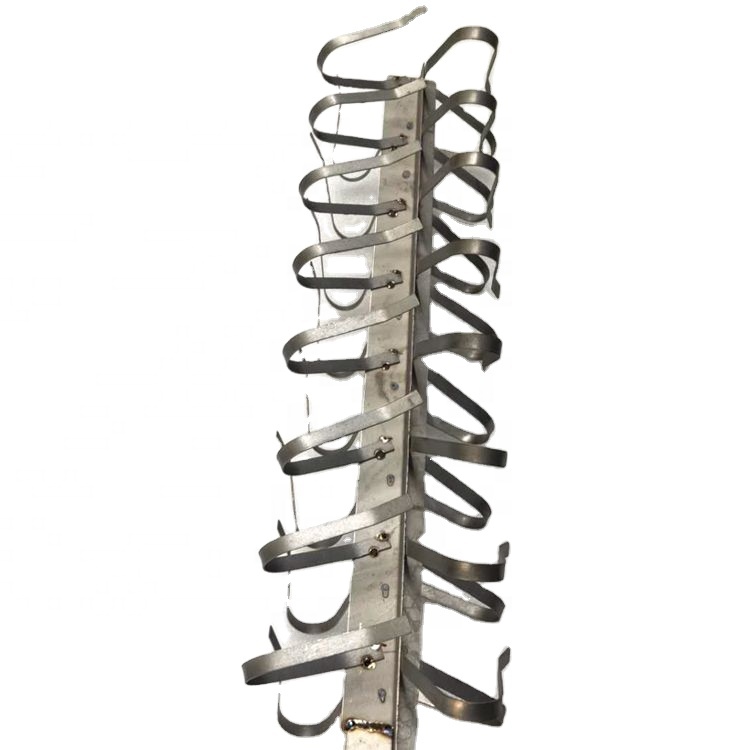
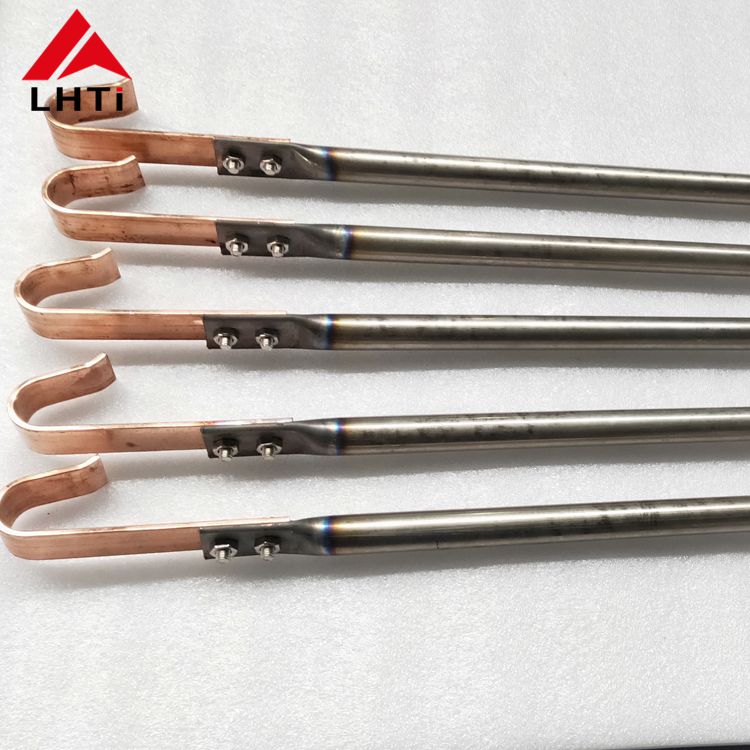
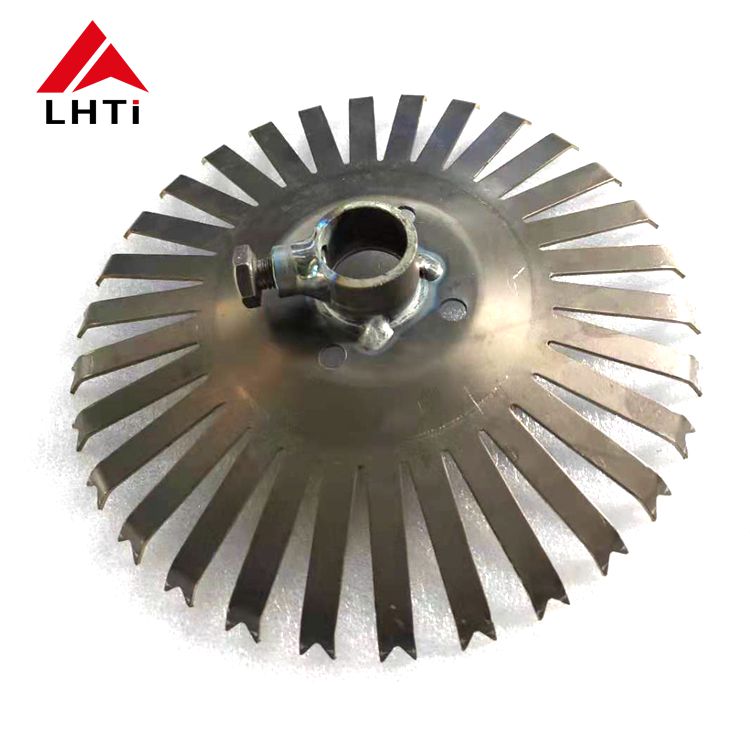
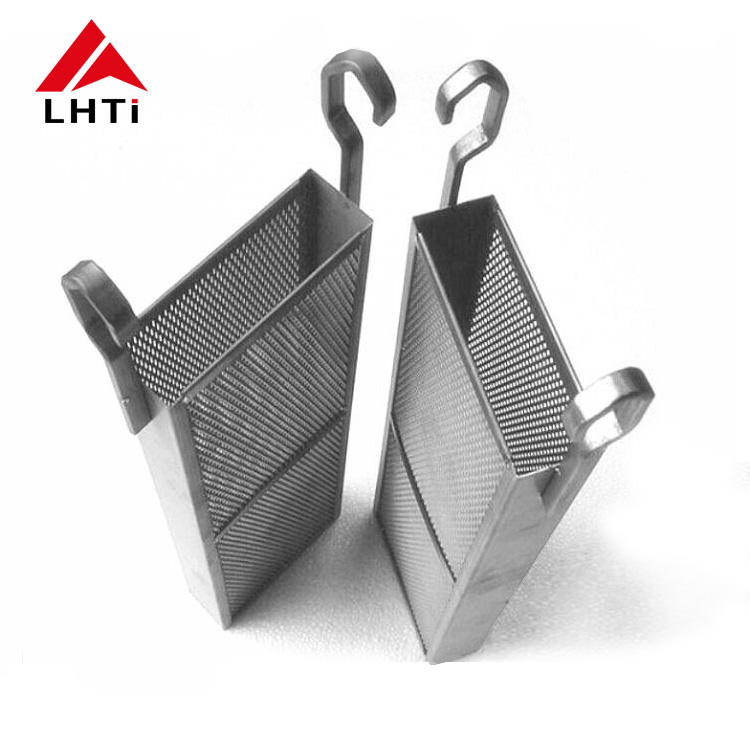
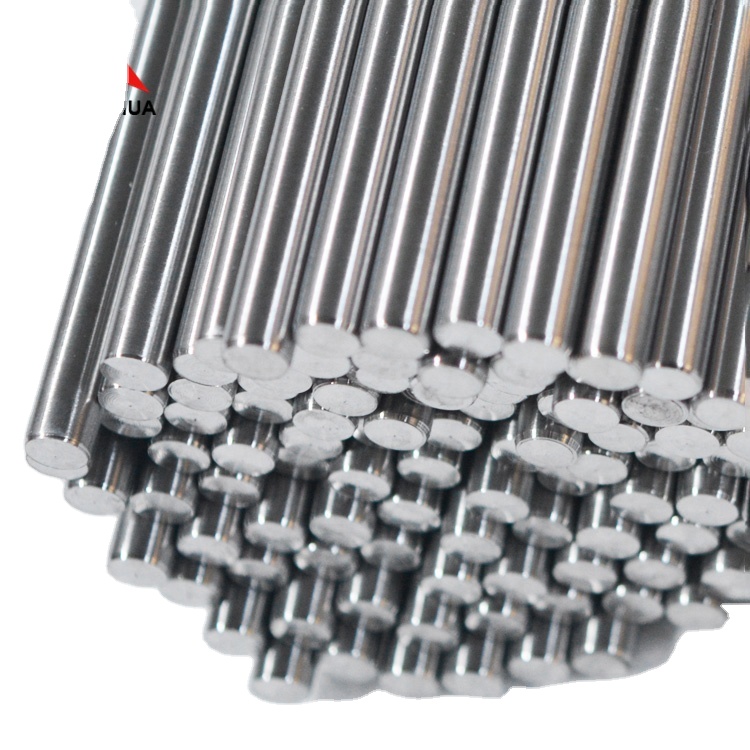
Munich's specialized surface-treatment plants rely on Jovzi's Gr2 titanium anode baskets, disc racks, and shafts clad with electrolytic copper cores. These systems provide exceptional acid resistance and long operational life cycles in harsh chromic and sulfuric electrolyte baths.
With additive manufacturing companies flourishing in suburban Munich, our forged and rolled titanium rings are widely procured as stable, stress-relieved base rings for wire-arc additive manufacturing (DED/WAAM) processes, drastically minimizing overall build times and raw powder costs.
The procurement landscape for advanced alloys across the European Union has shifted fundamentally over recent quarters. German procurement directors (Einkaufsleiter) face compound pressures: volatile raw material spot prices, stringent European Corporate Sustainability Due Diligence Directives (CSDDD), and an imperative to decouple critical raw material supply chains from unpredictable geopolitical routes. For Munich enterprises, three pivotal market vectors dictate current purchasing decisions:
1. Strict Traceability Under DIN EN 10204 Type 3.1 Certification: The German standard of industrial quality (Deutsche Industrienorm) tolerates zero ambiguity in chemical and physical verification. Certificates must account for melt pedigree right back to titanium sponge formulation, logging exact weight percentages of interstitial elements (Carbon, Oxygen, Nitrogen, and particularly Hydrogen below 0.0125%). Without an authentic heat-traceable MTC linked directly to qualified laboratory test results (such as the independent BaoTi Test Center), raw titanium cannot clear Bavarian receiving docks.
2. Near-Net-Shape (NNS) Forging to Optimize "Buy-to-Fly" Ratios: With high energy and machining costs in Germany, milling complex ring contours from solid rectangular stock is no longer economically viable. Bavarian machining centers actively demand contoured rolled rings and custom sleeve forgings delivered in rough-machined, near-net dimensions (conforming to DIN ISO 2768-m tolerances). This approach slashes in-house cycle hours, tool wear, and scrap metal volume.
3. Resilience via Direct Manufacturer Collaboration: Supply disruptions across Europe have exposed the hazards of relying on multi-tiered traders who lack production oversight. Munich manufacturers increasingly establish direct, factory-level technical relationships with established producers located in Baoji—the designated "Titanium Valley of China." This direct channel ensures consistent ingot smelting, tailored annealing procedures, stabilized container allocations, and transparent technical support from engineer to engineer.
Operating from Baoji, Shaanxi since 2006, Jovzi Titanium Industry Co., Ltd. combines deep metallurgical heritage with advanced CNC machining to deliver export-grade solutions across the European Union.
Situated in Baoji, the epicenter handling over 80% of China's titanium mill processing. We procure premium-grade sponge directly, eliminating regional supply bottlenecks and ensuring stable raw material chemistry.
Our production floor is led by 4 senior and 5 intermediate metallurgical engineers, managing vacuum arc remelting, controlled furnace soaking, seamless ring rolling, and thread-rolling lines.
Every lot is supplied with complete heat numbers and comprehensive mechanical and chemical MTCs. Independent verification reports issued by the BaoTi National Testing Center are available on demand.
From rough-turned forgings to fine-turned flanges and threads (DIN 912, ASME B16.5, ISO 4762), our multi-axis CNC shop operates to strict DIN ISO 2768 tolerances with mirror-finish Ra 0.8–1.6µm capabilities.
Exporting to Germany, North America, Japan, and worldwide since 2006. With an export ratio exceeding 85%, we support multi-currency clearing (EUR, USD) and flexible incoterms (DDP Munich, CIF Hamburg, FOB).
Direct communication with qualified engineers. Inquiries submitted with 2D drawings (DWG/PDF) or 3D STEP models receive formal technical evaluations and quotation sheets within 8 business hours.
Send your drawings, required titanium grades, and delivery schedules to our engineering specialists in Baoji. We provide technical feedback and commercial quotations within 8 working hours.
Inquire Now