Engineered Titanium Stock & Welding Assemblies
Direct from Baoji—China's Titanium Valley—to the Port of Turku. Every batch is manufactured under ISO 9001 certified controls, backed by EN 10204 3.1 Inspection Certificates, and strictly compliant with ASTM, ASME, and AWS maritime fabrication codes.
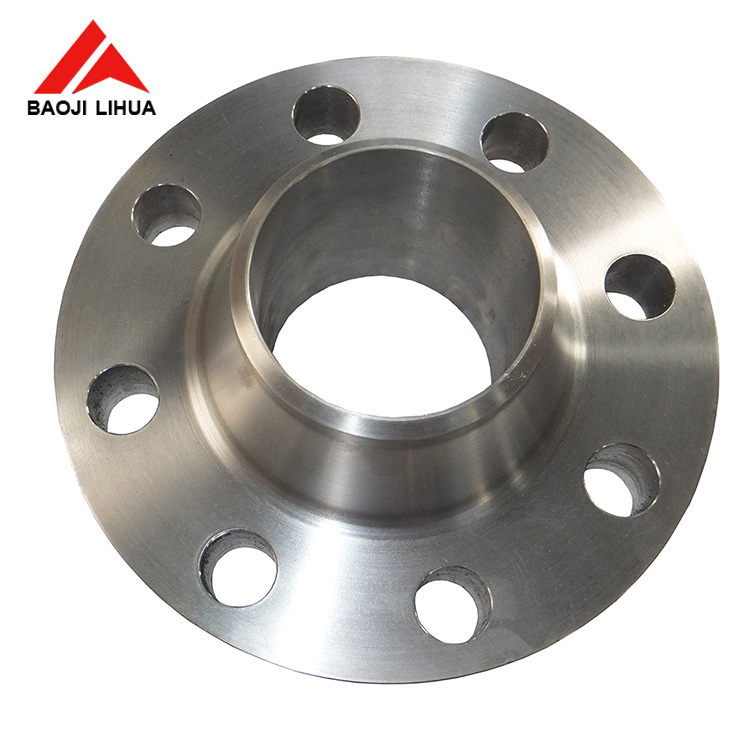
Titanium Blind Exhaust Flange 4" ANSI 150lbs 300 Ibs Class Gr2
- Standard: ASME B16.5 / ANSI
- Grade: Grade 2 CP Titanium
- Rating: Class 150 / 300 lbs
- Application: Marine Exhaust & Scrubber
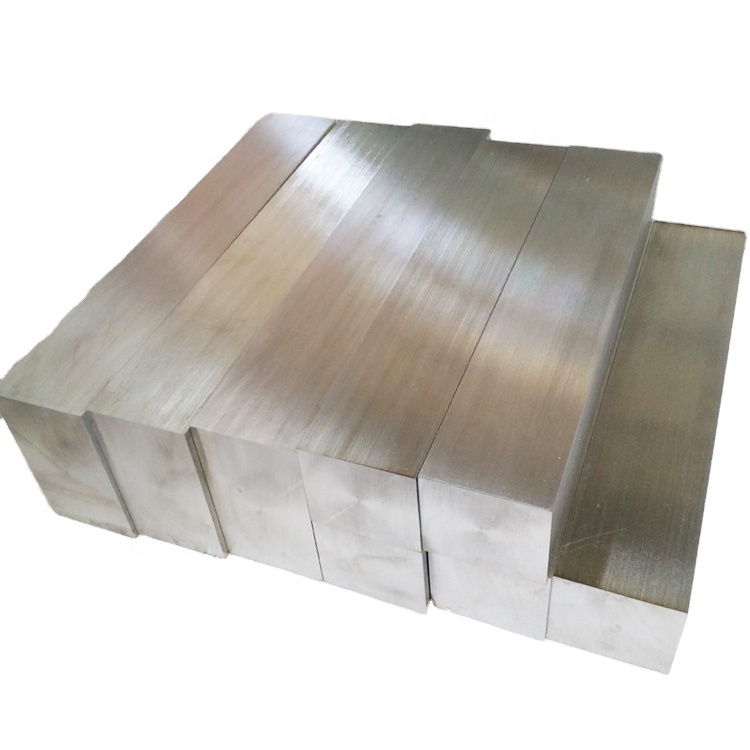
Titanium GR5 ti-6al-4v Block ASTM B348 Standard Price per Kg
- Standard: ASTM B348 / AMS 4928
- Grade: Gr5 Ti-6Al-4V Alpha-Beta
- Tensile: ≥ 895 MPa Yield
- Surface: Milled / Machined Bright
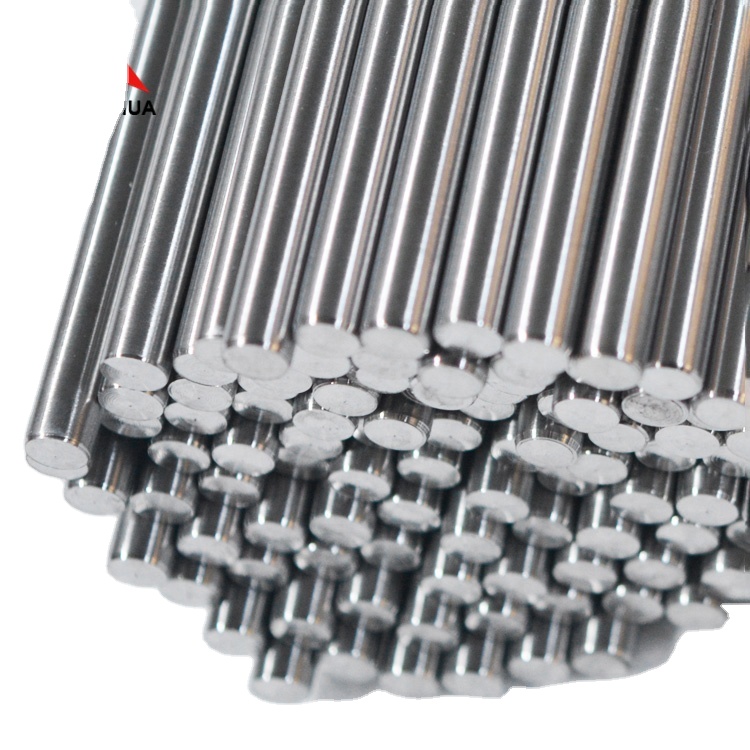
Gr2 Gr5 Titanium Round Bar 25mm/35mm/45mm/65mm Length 1000mm
- Specification: ASTM B348 / DIN 17862
- Diameter: 25mm – 65mm ±h9
- Traceability: MTC 3.1 & Heat Number
- Machinability: Annealed Bar Stock
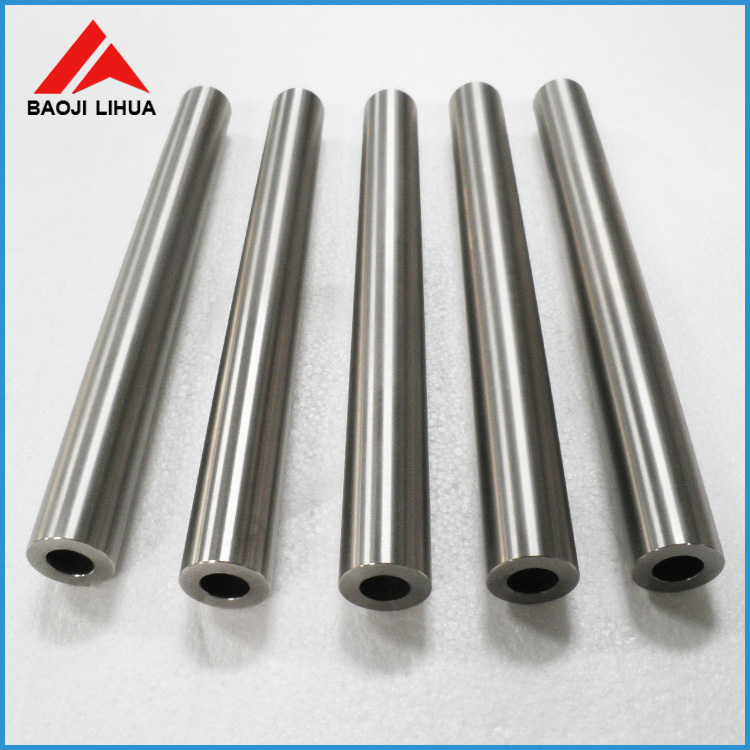
Titanium Exhaust Gr2 Gr7 Titanium Pipes Titanium Tube High Quality
- Standard: ASTM B338 / ASTM B861
- Alloy: Gr2 CP / Gr7 (Ti-0.15Pd)
- Type: Seamless / High-Freq TIG
- Resistance: Chloride Pitting Proof
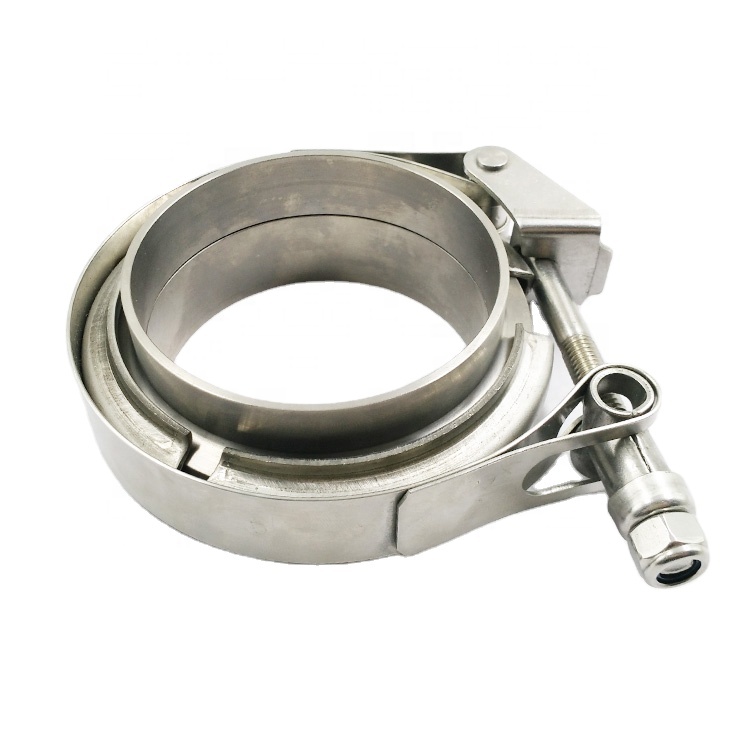
Titanium Gr1 Gr2 2" 3" 4" 5" V Band Clamp With Male & Female Flanges
- Material: Grade 1 / Grade 2 Titanium
- Dimensions: 2.0", 3.0", 4.0", 5.0" ID
- Hardware: Aerospace-grade quick release
- Purpose: Vibration-proof Modular Seal
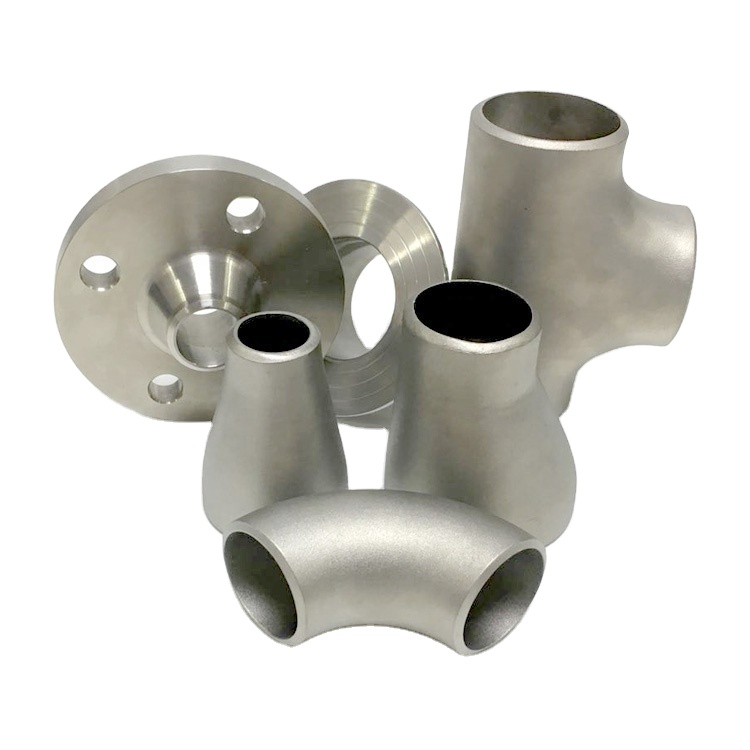
Ti-pure Titanium Seamless Concentric Reducer Pipe Fitting
- Standard: ASME B16.9 / ASTM B363
- Execution: Seamless Hydroformed
- Hydrostatic: 100% Tested / NDT Eddy
- Joint: Butt-weld bevel ends
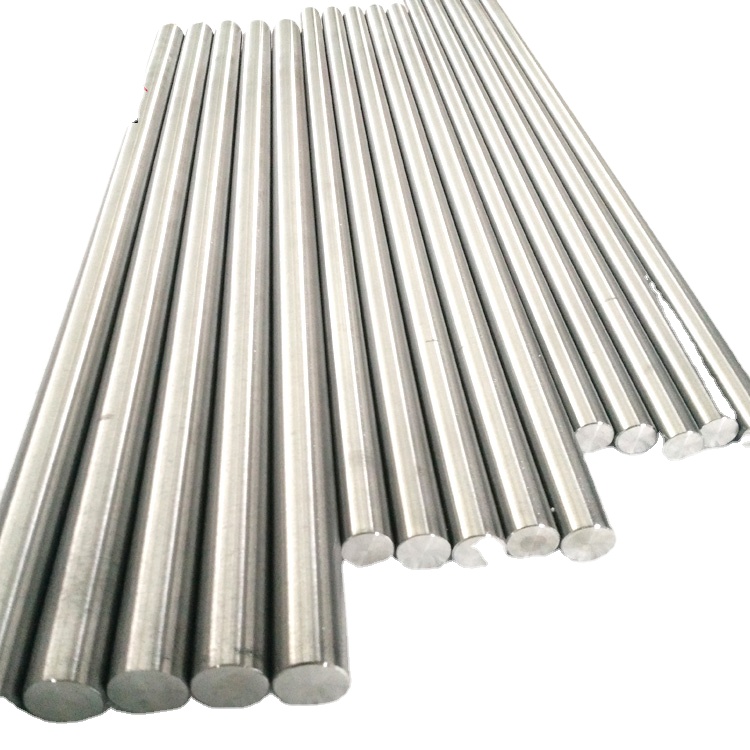
ASTMB348 GR5 Titanium Bar Rod Dia100mm High Quality Stock
- Standard: ASTM B348 / AMS 4928
- Diameter: Dia 100mm Solid Billet
- Treatment: Hot Rolled / Annealed
- Testing: Ultrasonic Class A (AMS 2631)
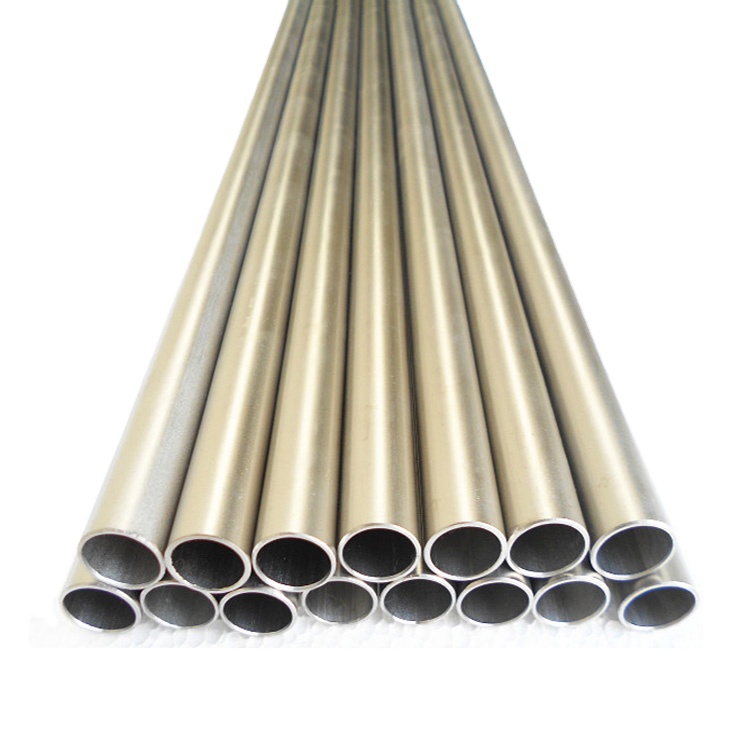
Gr1 GR2 GR5 GR9 Titanium Pipe Tube Exhaust System Components
- Alloys: Gr1, Gr2, Gr5 (Ti64), Gr9 (Ti325)
- Outer Dia: 19mm – 159mm OD
- Wall: 0.8mm – 3.0mm Ultra-thin
- Tolerance: ASTM B338 / DIN EN ISO 1127
1. The Metallurgy of Titanium Welding Rods in Turku's High-Spec Maritime Infrastructure
The Finnish city of Turku—celebrated as the capital of Baltic shipbuilding and the cradle of Europe’s luxury cruise ship production at Meyer Turku shipyard—demands an uncompromising tier of structural integrity and metallurgical purity. When welding pure titanium (CP Grades 1, 2, 3, 4) and structural titanium alloys (Grade 5 Ti-6Al-4V, Grade 7 Ti-0.15Pd, Grade 9 Ti-3Al-2.5V, and Grade 12 Ti-0.3Mo-0.8Ni), the filler rod is not merely a consumable; it is the critical determinator of mechanical ductility, crack arrest properties, and electrochemical passivity across the Heat-Affected Zone (HAZ).
As a seasoned titanium manufacturer and global exporter situated in Baoji, Shaanxi—China’s Titanium Valley responsible for over 60% of domestic titanium output—Jovzi Titanium Industry Co., Ltd. bridges global metallurgical manufacturing with the demanding engineering standards of Southwest Finland (Varsinais-Suomi). Titanium is an allotropic element that transitions from a close-packed hexagonal (alpha) phase to a body-centered cubic (beta) crystal lattice at approximately 882°C. During Gas Tungsten Arc Welding (GTAW / TIG) or Plasma Arc Welding (PAW), liquid titanium exhibits an extreme chemical affinity for interstitial contaminants: atmospheric oxygen, nitrogen, carbon, and hydrogen.
Our titanium welding filler wires and cut straight rods conform flawlessly to AWS A5.16 / ASME SFA-5.16 (ERTi-1, ERTi-2, ERTi-5, ERTi-7, ERTi-9, ERTi-12) and EN ISO 24034 standards. By controlling wire surface topography through diamond die drawing and comprehensive chemical pickling, our rods eliminate micro-fissuring and wire feed chatter during automated orbital welding in marine prefabrication shops across Pansio, Raisio, and Naantali.
2. Localized Industrial Applications in Southwest Finland (Varsinais-Suomi)
Turku functions as an epicenter of advanced European naval architecture, marine cleantech, chemical processing, and biotechnology. Titanium welding consumables exported to this region are systematically specified into four cornerstone application domains:
Marine Scrubber & Exhaust Demisting
Turku’s maritime suppliers construct heavy-duty sulfur oxide (SOx) wet scrubbers and NOx selective catalytic reduction (SCR) headers. Welding these systems requires AWS ERTi-7 (Grade 7 Ti-Pd) and ERTi-2 rods to combat hot, low-pH sulfuric and hydrochloric acid condensates that corrode conventional super duplex stainless steels.
Seawater Heat Exchangers & Desalination
Naval HVAC cooling loops, plate-and-frame evaporators, and onboard reverse osmosis units fabricated along the Aura River utilize thin-walled titanium tubes welded with ERTi-1 and ERTi-2 rods, maintaining immunity against high-velocity Baltic seawater micro-fouling and crevice corrosion.
Chemical, Pulp & Bleaching Plants
Southwest Finland’s forest and bio-chemical processing facilities require titanium piping systems resistant to chlorine dioxide, wet chlorine gas, and sodium chlorate. Our AWS ERTi-12 (Ti-Mo-Ni) welding wire delivers superior resistance against chloride pitting at elevated temperatures.
Cryogenic & LNG Fuel Systems
Pioneering LNG-powered cruise vessels and bio-methane bunkering craft built in Turku depend on titanium weldments for lightweight cryogenic piping. Titanium’s yield and tensile properties improve as temperatures drop toward -196°C without undergoing a ductile-to-brittle transition.
Subsea Defense & Arctic Acoustics
Underwater acoustics, submarine sonar domes, and Baltic seabed robotics demand non-magnetic hull penetrations and high strength-to-weight ratios. Jovzi supplies high-purity ERTi-5 (Ti-6Al-4V) and ERTi-9 (Ti-3Al-2.5V) wire for rigorous automated TIG welding.
Nordic Cleantech & Hydrogen Electrolyzers
In accordance with Finland’s Carbon Neutral 2035 target, hydrogen pilot projects in Turku’s energy cluster deploy titanium bipolar plates and fluid distribution manifolds welded with Jovzi ultra-pure ERTi-1 rods to withstand harsh proton exchange membrane (PEM) operating environments.
3. Technical Grade Comparison Matrix: AWS A5.16 Titanium Filler Rods
Procurement teams and welding coordinators (in accordance with SFS-EN ISO 14731) must balance yield strength, weld pool fluidity, and galvanic compatibility. Below is the technical matrix of Jovzi Titanium’s certified welding wire portfolio available for immediate consolidated delivery to Turku:
| AWS A5.16 Grade | UNS Number | Nominal Chemical Composition | Min. Tensile (MPa) | Min. Elongation (%) | Standard Certifications | Corrosion & Field Suitability |
|---|---|---|---|---|---|---|
| ERTi-1 | R50100 | CP Titanium (O ≤ 0.10%) | 240 | 24% | ISO 9001 / 3.1 MTC | Maximum ductility; deep drawing & plate heat exchangers. |
| ERTi-2 | R50120 | CP Titanium (O ≤ 0.18%) | 345 | 20% | AWS A5.16 / ASME SFA-5.16 | Workhorse grade for marine scrubbers, seawater ballast, piping. |
| ERTi-5 | R56400 | Ti-6Al-4V (Alpha-Beta) | 895 | 10% | AMS 4954 / ASTM B348 | Aerospace & motorsport structural hardware, high-strength shafts. |
| ERTi-7 | R52401 | Ti-0.15Pd (CP Palladium alloy) | 345 | 20% | EN 10204 3.1 / NACE MR0175 | Extreme crevice corrosion resistance in hot chlorides & reducing acids. |
| ERTi-9 | R56320 | Ti-3Al-2.5V (Near-Alpha) | 620 | 15% | AMS 4957 / ASTM B338 | High-pressure marine hydraulic lines, bicycle & marine tubing. |
| ERTi-12 | R53401 | Ti-0.3Mo-0.8Ni | 483 | 18% | ASME Sec. IX / ASTM B363 | Chemical processing vessels where pH varies between oxidizers & reducers. |
*All Jovzi welding rods undergo chemical verification via BaoTi Test Center. Every spool and tube of cut straight rods is marked with lot traceability numbers matching EN 10204 3.1 documentation.
4. Strict Shielding Gas Protocols & Welding Inspection for Turku Fabricators
Welding titanium in Nordic shipyards requires rigorous environmental management. Turku's sub-arctic coastal climate introduces distinct relative humidity variations between summer and winter, highlighting the necessity of dew-point monitoring in shielding gas streams.
Inert Gas Quality & Shielding System Architecture
Titanium absorbs hydrogen at temperatures above 250°C, while oxidation and nitridation accelerate exponentially above 425°C. Therefore, when executing GTAW joints on titanium pipe spools or pressure vessel shells, standard shielding gas configurations are insufficient:
1. Primary Torch Shielding: Ultra-high purity Argon (≥ 99.999% purity) with a moisture dew-point of -60°C or lower. A large gas lens ceramic nozzle (No. 10 to No. 16) is essential to provide undisturbed laminar argon flow without turbulent air induction.
2. Secondary Trailing Shield: An auxiliary trailing shoe attached behind the welding torch continuously bathes the cooling solid bead in argon until its metal temperature drops below 400°C. For high-deposition robotic processes, extended water-cooled trailing shields are required.
3. Backing Purge Protection: The root side of pipe butt welds must be purged with oxygen content strictly regulated below 50 parts per million (ppm). Purge dams combined with electro-chemical optical oxygen sensors must verify root chamber inertness before arc strike.
• Bright Silver / Chrome: Complete shielding protection — 100% acceptable.
• Light Straw / Light Gold: Minimal surface tint; easily picklable — acceptable in commercial marine.
• Blue / Purple: Moderate atmospheric contamination during cooling — unacceptable for pressure piping.
• Grey Ash / White Flakes: Severe embrittlement and catastrophic interstitial gas absorption — must be ground out, cut, and completely re-welded.
5. Turku Procurement Trends & Baltic Shipping Strategies
The supply dynamics within the Baltic maritime triangle (Turku – Helsinki – Stockholm – Rauma) have changed dramatically due to shifting geopolitical landscapes and elevated sustainability benchmarks under the EU Green Deal. Buyers in Turku are seeking direct supply partnerships with primary titanium producers in Baoji to mitigate regional distributor price inflation and secure long-term raw material hedges.
Direct Mill Access & Shorter Supply Chains
Procurement teams at Turku marine engineering firms are systematically bypassing European intermediary stockists. By sourcing custom-length titanium welding rod runs directly from Jovzi’s manufacturing lines in Baoji, buyers reduce component markups by up to 28% while gaining direct access to original heat logs.
Transition to Automated Orbital TIG Spools
Rising labor costs across Finnish fabrication yards are accelerating the deployment of automated orbital TIG and cold-wire TIG welding. Jovzi satisfies this trend by offering precision-wound D300 (15kg) and D100 spools with zero-tangle tension control, uniform wire diameter tolerances (±0.02 mm), and consistent cast/helix values.
Multimodal Door-to-Door Logistics to Turku
Navigating logistics to Southwestern Finland requires diversified freight options. Jovzi offers expedited air courier routes to Turku Airport (TKU) or Helsinki-Vantaa (HEL) for emergency line-stoppages (3–5 days), alongside sea-freight consolidations directly arriving via Port of Turku or Vuosaari Harbor.
6. Why Nordic Engineers Choose Jovzi Titanium Industry Co., Ltd.
Since our founding in 2006 in Baoji, Shaanxi, Jovzi Titanium Industry Co., Ltd. has developed an integrated, quality-first production infrastructure serving demanding industrial sectors across Germany, the UK, the United States, Japan, and the Nordic countries. Our state-of-the-art facilities cover 1,000–3,000 m², powered by a seasoned technical staff including 4 senior metallurgical engineers and 5 intermediate engineers specializing in titanium refractory processing.
Origin in "Titanium Valley"
Direct raw material sourcing of pristine, 0-grade titanium sponge from localized state-of-the-art smelters, avoiding cross-contamination from recycled scrap metals.
ISO 9001 & MTC 3.1 Traceability
Every spool and cut rod is stamped with full heat-lot tracking numbers and backed by EN 10204 3.1 certifications detailing chemical spectra, yield, tensile, and elongation.
BaoTi Test Center Authorization
Independent third-party chemical, ultrasonic, and mechanical validation performed through the internationally accredited BaoTi Test Center upon buyer request.
Complete Titanium Ecosystem
From AWS A5.16 welding consumables to ASME B16.5 flanges, ASTM B381 forged rings, and custom CNC racing bolts, we provide integrated titanium bill-of-material consolidation.
7. Frequently Asked Questions: Titanium Procurement for Turku Buyers
What specific titanium welding rod grades does Jovzi supply to Finnish marine clients?
Can you supply certified EN 10204 3.1 inspection documents with our shipment to Turku?
What are the typical lead times and Incoterms for delivery to Turku, Finland?
How does Jovzi guarantee surface cleanliness and prevent hydrogen porosity in welding wire?
What is your Minimum Order Quantity (MOQ) for Finnish engineering workshops?
Which payment currencies and settlement methods are accepted for Finnish clients?
Streamline Your Titanium Sourcing for Turku Projects
Connect directly with Jovzi Titanium’s metallurgical engineers today. Request our complete product catalog, material test certificates, or a competitive quote tailored for Turku naval architecture, scrubber fabrication, or chemical processing requirements.